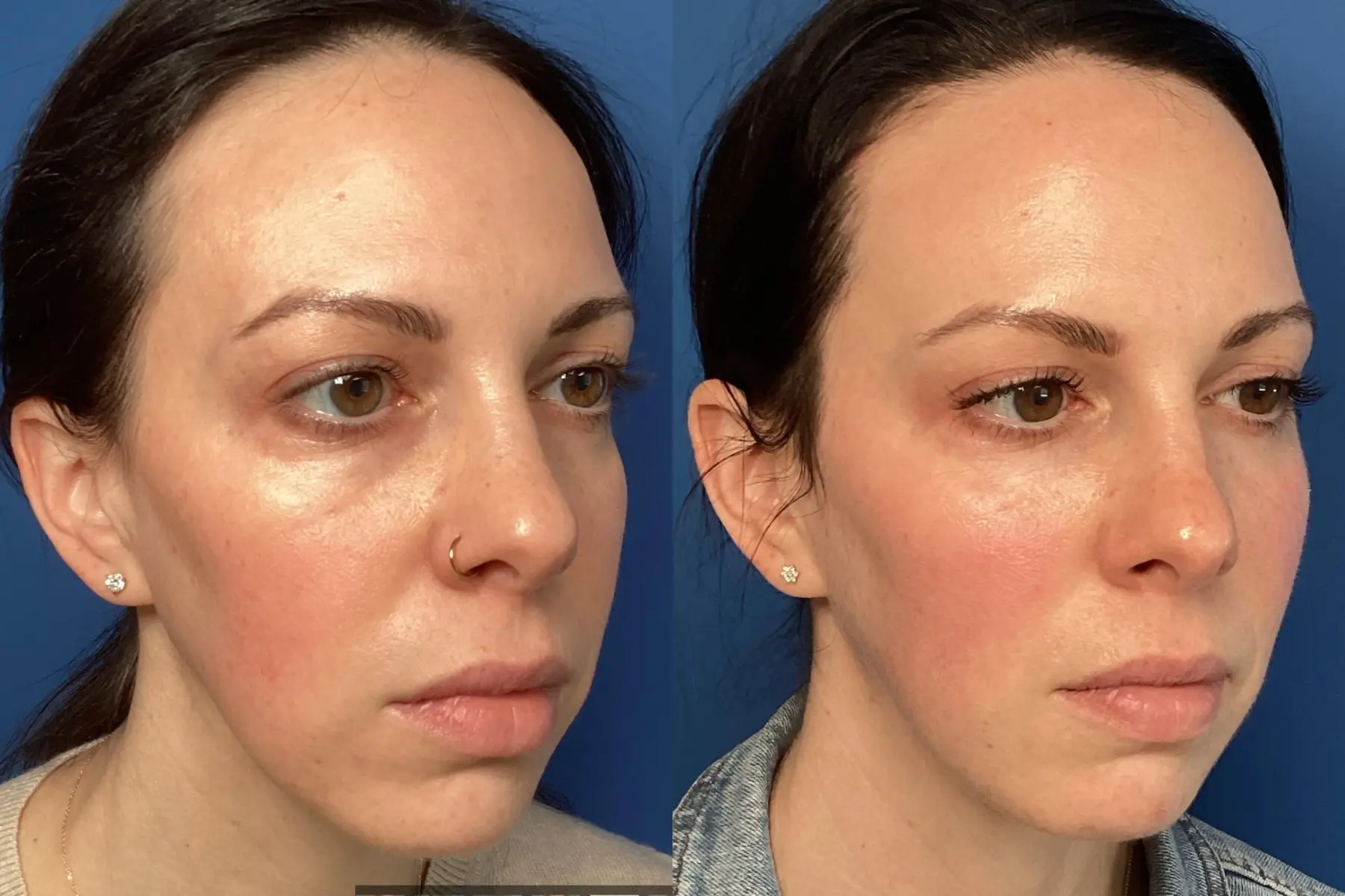
Plastic Surgery Rewind Reddit: How Patients Reverse, Dissolve, and Revise Cosmetic Procedures
On Reddit, "plastic surgery rewind" refers to online community discussions, patient reviews, and medical guidance dedicated to reversing, dissolving, or revising cosmetic procedures. Reddit subreddits like r/PlasticSurgery, r/Explant,...
On Reddit, "plastic surgery rewind" refers to online community discussions, patient reviews, and medical guidance dedicated to reversing, dissolving, or revising cosmetic procedures. Reddit subreddits like r/PlasticSurgery, r/Explant, and r/30PlusSkincare serve as critical spaces where individuals share realistic outcomes, surgeon recommendations, recovery timelines, and emotional support when undoing previous aesthetic interventions.
Contents
Understanding the "Plastic Surgery Rewind" Trend on Reddit
In recent years, aesthetic medicine has shifted from an era dominated by dramatic enhancements to one increasingly focused on natural looks, structural restoration, and cosmetic reversals. Across Reddit, thousands of patients document their experiences undoing previous aesthetic treatments. This collective movement—frequently termed a "cosmetic rewind"—spans everything from non-surgical injectable dissolution to high-complexity surgical revisions.
Online communities provide an unedited alternative to marketing materials provided by clinics. Patients post unretouched photographs, detailed healing chronologies, and transparent cost breakdowns. However, while social media makes "rewinding" a surgery sound as simple as pressing a reset button, human anatomy presents biological limitations. Reversing a procedure rarely returns anatomical structures to their exact pre-operative baseline. Instead, it involves managing scar tissue, addressing altered skin elasticity, and stabilizing compromised structural frameworks.
Medical Disclaimer: The information provided in this guide is for educational and informational purposes only and does not constitute formal medical advice. Any decision to undergo cosmetic procedures, revisions, or injectables should be made in direct consultation with a board-certified plastic surgeon or qualified facial plastic surgeon.
Non-Surgical Cosmetic Reversals: Injectables and Fillers
Non-surgical treatments are often marketed as temporary and fully reversible. While this is largely true for specific classes of soft-tissue fillers, reversing non-surgical treatments still requires clinical care and realistic expectations.
- Hyaluronic Acid Fillers: Hyaluronidase Injection (Enzymatic Breakdown)
- Neurotoxins (Botox, Dysport): Metabolic Breakdown Over Time (3-6 Months)
- Biostimulators (Sculptra): Conservative Management / Corticosteroids
Hyaluronic Acid (HA) Dissolution via Hyaluronidase
Hyaluronic acid fillers (such as Juvederm, Restylane, and Voluma) are the most easily reversed soft-tissue treatments. They can be broken down using hyaluronidase, a soluble protein enzyme that hydrolyzes hyaluronic acid, causing rapid absorption by the body.
- Mechanism: Hyaluronidase breaks the bonds of synthetic hyaluronic acid molecules, breaking down the gel within 24 to 48 hours.
- Reddit Community Consensus: Users frequently post about resolving "filler migration" (especially in the lips and under-eye tear troughs) or addressing over-filled facial features.
- Clinical Considerations: Hyaluronidase breaks down both synthetic filler and naturally occurring hyaluronic acid in native tissue. While natural HA degrades and regenerates naturally, improper or excessive enzymatic dosing can lead to temporary tissue volume loss. Patch testing is recommended to minimize the risk of localized allergic reactions.
Neurotoxins (Botox, Dysport, Xeomin, Daxxify)
Unlike dermal fillers, neurotoxins cannot be instantly dissolved or neutralized with an enzyme injection once bound to nerve terminals.
- Mechanism: Botulinum toxin inhibits the release of acetylcholine at the neuromuscular junction, temporarily paralyzing target muscles. Reversal relies entirely on the body regenerating new nerve endings (sprouting), which typically takes 3 to 6 months.
- Reddit Guidance: Community members frequently caution against fraudulent "Botox reversal" products sold online. Managing adverse outcomes (such as eyelid ptosis or asymmetric smiles) relies on compensatory treatments—such as apraclonidine ophthalmic drops for drooping eyelids—or simply waiting out the metabolic cycle.
Biostimulatory Fillers (Sculptra, Radiesse)
Biostimulatory agents encourage autologous collagen production rather than simply filling space with a temporary gel matrix. Because these products induce neocollagenesis within the native tissue structure, they cannot be dissolved with hyaluronidase. Reversing complications like nodules or overfill requires long-term conservative management, targeted corticosteroid injections, or localized surgical excision in severe cases.
Major Surgical Reversals and Revisions
Surgical procedures alter structural anatomy, bone, skin envelopes, and underlying muscle layers. "Rewinding" a surgical outcome requires revision surgery, which carries distinct technical challenges due to pre-existing scar tissue and disrupted blood supply.
1. Breast Implant Removal (Explant Surgery)
Breast explant surgery is one of the most active topics within plastic surgery reversal subreddits. Patients seek removal for various reasons, including changing aesthetic preferences, capsular contracture, implant rupture, or personal health concerns commonly referred to as Breast Implant Illness (BII).
- Capsulectomy vs. Explant Only: Surgery may involve removing just the silicone or saline device (simple explant), removing the implant along with part of the surrounding scar tissue (partial capsulectomy), or removing the implant and scar capsule intact as a single unit (total en bloc capsulectomy).
- Anatomical Reality: Removing implants leaves behind a stretched skin envelope and displaced parenchymal tissue. Patients often combine explant surgery with a breast lift (mastopexy) or fat grafting to restore shape and natural volume.
2. Revision Rhinoplasty
Rhinoplasty is widely considered one of the most technically complex procedures in facial plastic surgery, and its revision rate is historically estimated between 10% and 15%.
- Why It Is Complex: Primary rhinoplasty removes bone and cartilage. Reversing an over-resected nasal structure ("scooped" bridge or collapsed tip) requires rebuilding the nasal skeleton using structural autologous grafts, usually harvested from the septum, ear, or rib tissue.
- Scar Tissue Dynamics: Internal surgical scarring restricts skin elasticity, making skin redraping less predictable during revision procedures. Specialists typically advise waiting at least 12 months after a primary rhinoplasty before attempting revision surgery to allow tissues to mature fully.
3. Brazilian Butt Lift (BBL) Reduction and Revision
The popularity of high-volume gluteal fat grafting has given way to an increased demand for BBL reversals and reductions.
- Correction Methods: Unsatisfactory outcomes—such as asymmetrical contours, fat necrosis, or excessive volume—are primarily addressed using targeted liposuction and radiofrequency skin-tightening treatments.
- Challenges: Grafted fat integrates directly into host tissue and establishes its own vascular network. Liposuction can reduce volume, but aggressive fat removal runs the risk of contour deformities, skin laxity, or skin irregularities.
Surgical vs. Non-Surgical Reversal Matrix
The following table compares the primary cosmetic procedure reversal pathways discussed across patient communities, detailing their mechanisms, complexity, typical downtime, and structural limitations.
| Procedure Category | Original Treatment | Reversal / Revision Method | Reversibility Level | Recovery Timeframe | Primary Clinical Challenge |
|---|---|---|---|---|---|
| Injectable | Hyaluronic Acid Dermal Fillers | Hyaluronidase Enzymatic Injections | High (80%–95%) | 1–3 Days | Temporary breakdown of native HA; potential localized skin laxity. |
| Injectable | Botulinum Toxin Type A | Natural Neuromuscular Recovery | Time-Dependent (100%) | 3–6 Months | Toxin cannot be dissolved; management is limited to symptom relief. |
| Breast Surgery | Breast Augmentation | Explant Surgery ± Mastopexy / Fat Transfer | Moderate to High | 2–6 Weeks | Residual skin envelope laxity; loss of native breast tissue projection. |
| Facial Surgery | Primary Rhinoplasty | Revision Rhinoplasty with Cartilage Grafting | Moderate | 6–12 Months | Scar tissue obstruction; compromised internal structural support. |
| Body Contouring | Brazilian Butt Lift (BBL) | Revision Liposuction & RF Skin Tightening | Low to Moderate | 2–4 Weeks | Irregular fat integration; risk of skin sag following fat removal. |
| Facial Surgery | Surgical Facelift (SMAS / Deep Plane) | Structural Reconstruction / Revision | Low | 3–6 Weeks | Fixed skin excision cannot be restored; requires structural soft-tissue repositioning. |
Why "Rewinding" Surgery Is Technically Challenging
Patients researching surgery reversals on Reddit often ask why revision procedures carry higher price tags and complex surgical protocols. The technical limitations stem from fundamental anatomical principles of tissue healing and structural dynamics:
Vascular Alteration: Decreased blood flow to regional tissue flaps.
Fibrosis & Scarring: Dense collagen matrix distorts original anatomy.
Tissue Loss: Primal structural components have been removed.
Dense Fibrotic Tissue (Scarring): Every surgical incision generates internal scar tissue. Fibrotic tissue lacks the natural elasticity, pliability, and predictable vascularity of unoperated tissue, making delicate surgical maneuvers difficult.
Compromised Blood Supply: Prior operations disrupt localized microvascular networks. Re-operating on the same anatomical area increases the risk of delayed wound healing, skin flap necrosis, and tissue ischemia.
Depletion of Structural Framework: Primary operations often trim away soft tissue, cartilage, or bone. Reversing the visual effect requires sourcing donor tissue (autologous grafts) or utilizing structural implants to rebuild missing framework.
Reddit Community Guidance: Lessons from Patient Forum Threads
Analyzing trends across plastic surgery subreddits highlights several consistent patterns, shared lessons, and common warnings from experienced patients:
Avoid the "Chasing Perfection" Cycle
A recurring caution on Reddit concerns the psychological loop of undergoing a secondary procedure to correct minor flaws from a primary operation, only to introduce new structural imbalances. Patient communities frequently advise taking an extended break from cosmetic interventions to regain aesthetic perspective and reduce tissue inflammation.
Request Pre-Operative and Raw Intra-Operative Records
When transitioning to a revision specialist, experienced Redditors emphasize obtaining complete medical records. This includes:
- Original pre-operative photographs.
- Operative reports detailing surgical techniques, graft placements, and tissue resections.
- Implant serial numbers, pocket placements, and device profiles (for breast procedures).
Differentiate Between Board Certification and Marketing Claims
Online patient communities stress verifying professional credentials through formal medical boards—such as the American Board of Plastic Surgery (ABPS) or equivalent international licensing bodies—rather than relying solely on social media portfolios, which may feature selective results or digital editing.
How to Safely Approach a Cosmetic Surgery Revision
If you are considering reversing or revising a past cosmetic procedure, follow a structured, safety-first protocol:
- Allow Full Tissue Healing: Do not hurry into a revision surgery. Soft tissues take between 6 and 12 months to stabilize, soften, and resolve post-operative edema. Operating on inflamed tissue significantly increases surgical risks.
- Consult a Dedicated Revision Specialist: Primary plastic surgery and revision plastic surgery require different skill sets. Seek out board-certified surgeons who devote a significant portion of their clinical practice specifically to revision procedures.
- Obtain Multiple Independent Consultations: Schedule consultations with at least two or three independent board-certified surgeons. Compare their proposed surgical plans, donor site selections, and risk assessments.
- Establish Realistic Aesthetic Goals: Focus on achieving structural stability, anatomical balance, and functional improvement rather than chasing an idealized baseline appearance.
Frequently Asked Questions
Can all hyaluronic acid fillers be fully dissolved?
Most hyaluronic acid fillers can be dissolved using hyaluronidase. However, highly cross-linked fillers, old filler deposits that have encapsulated in scar tissue, or non-HA products (such as PMMA, Sculptra, or silicone) will not respond to hyaluronidase injections.
Why is revision plastic surgery more expensive than primary surgery?
Revision surgery is significantly more complex, takes longer in the operating room, carries higher risk profiles, and often requires secondary surgical sites to harvest structural grafts (such as rib or ear cartilage). As a result, surgeon fees, surgical facility costs, and anesthesia rates are higher.
Will my skin snap back after removing breast implants or large dermal fillers?
Skin elasticity depends heavily on age, genetics, tissue thickness, and how long the skin was stretched. Younger patients with good skin tone may experience some natural contraction, but long-term stretching often leaves loose skin. A surgical lift or tightening procedure may be required to achieve a contoured result.
How long should I wait before revising a bad rhinoplasty or facelift?
Plastic surgeons universally recommend waiting a minimum of 12 months after primary facial surgery before undertaking revision procedures. This allows deep scar tissue to mature, swelling to fully resolve, and blood supply to stabilize.
Is it safe to dissolve lip filler and re-fill immediately?
Injecting new dermal filler into lips that have just been dissolved with hyaluronidase is not recommended. The active enzyme remains in the tissue for 24 to 48 hours and will break down any newly injected filler. Surgeons typically advise waiting 1 to 2 weeks after dissolving before placing fresh filler.
Summary Action Plan for Patients
Facing cosmetic regret or functional complications after a procedure can be challenging, but clear logical steps help ensure safety:
- Step 1: Halt Immediate Interventions. Resist the urge to fix an unsatisfactory result with quick non-surgical add-ons or emergency secondary surgeries while tissues are still healing.
- Step 2: Collect Complete Documentation. Secure all original operative notes, implant documentation, and medical records from your primary practitioner.
- Step 3: Consult Board-Certified Revision Experts. Schedule evaluations with accredited specialists who focus on secondary and tertiary surgical revisions.
- Step 4: Prioritize Anatomical Health. Focus on functional integrity, tissue health, and long-term structural stability over short-term trends.
Image Gallery