Why NASA Tweetup and Social Events Matter to the Public
NASA Tweetups, now known as NASA Socials, provide a vital bridge between the space agency and the general public. By granting behind-the-scenes access to non-traditional media, these events humanize complex science, foster transparency...
NASA Tweetups, now known as NASA Socials, provide a vital bridge between the space agency and the general public. By granting behind-the-scenes access to non-traditional media, these events humanize complex science, foster transparency, and create a community of authentic advocates who translate technical milestones into accessible, engaging narratives for global audiences.
Contents
The Evolution from "Tweetup" to "NASA Social"
The phenomenon began in early 2009 at the Jet Propulsion Laboratory (JPL) in Pasadena, California. At the time, the term "Tweetup" referred specifically to a gathering of users from the social media platform Twitter. NASA leadership recognized an emerging opportunity: instead of relying solely on traditional television and print journalists to tell their story, they could invite the people most passionate about space—their followers—to witness the mission firsthand.
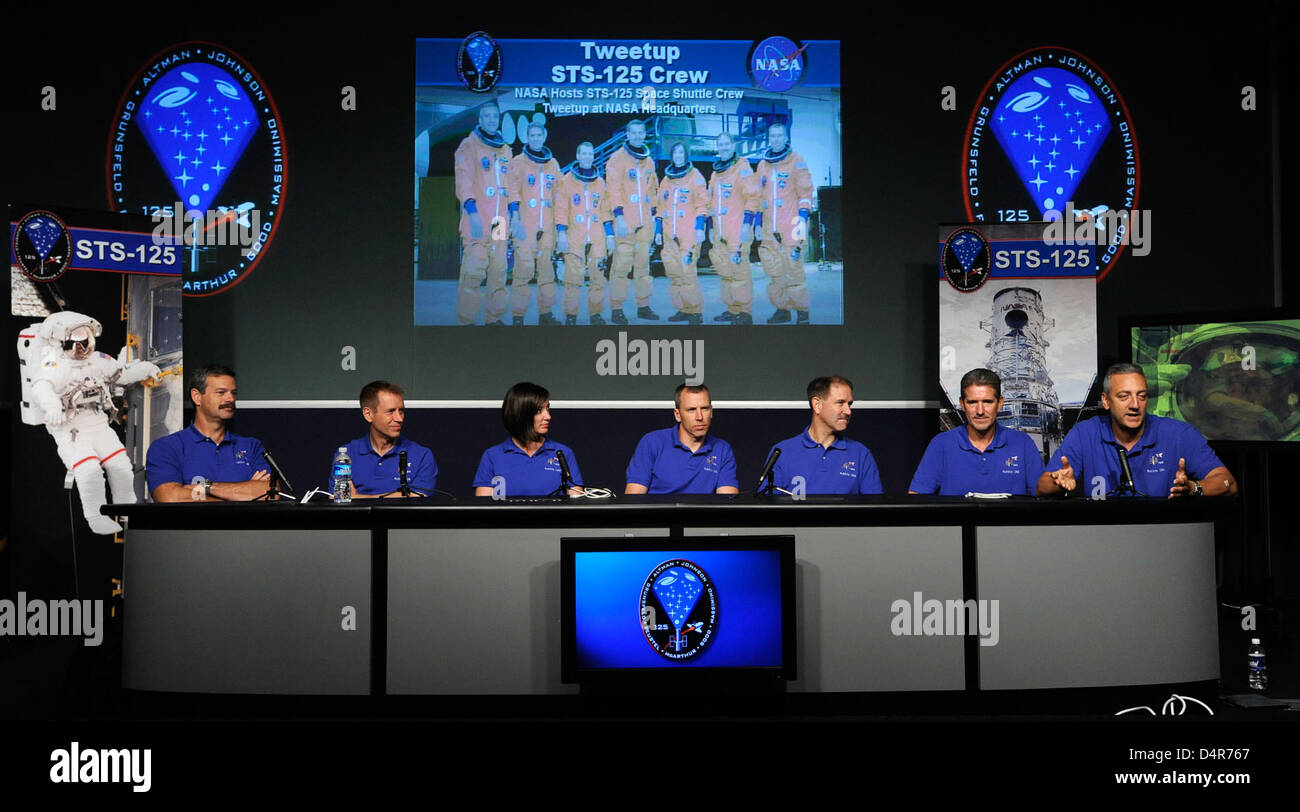
The first official NASA Tweetup was a modest experiment, but its success was immediate. By the time of the STS-129 shuttle launch in November 2009, the program had gained significant momentum. This event marked the first time social media users were given formal credentials to attend a launch at the Kennedy Space Center, historically an area reserved for government officials and the institutional press.
In 2012, NASA officially rebranded these events as NASA Socials. This change was more than cosmetic; it reflected the diversification of the digital landscape. As platforms like Instagram, Facebook, and later TikTok and YouTube became central to public discourse, NASA expanded the program to include creators from all corners of the internet. By 2026, the program has evolved further to include immersive content creators and virtual reality journalists, ensuring that the agency’s reach remains as broad as the technology allows.
Democratizing Space: Moving Beyond the Press Badge
For decades, the "insider" view of NASA was a privilege reserved for a select few. If you weren't a credentialed journalist from a major network or a high-level government employee, your view of a launch was limited to what was broadcast on television. NASA Socials fundamentally changed this dynamic by democratizing access.
When a public school teacher, a freelance photographer, or a college student is granted a NASA Social credential, they aren't just there to watch; they are there to report. This shifts the narrative from a distant, institutional voice to a peer-to-peer conversation. The public often finds the excitement of a "regular person" more relatable than the polished delivery of a professional news anchor.
This democratization serves several critical functions:
- Authenticity: Social media participants share the raw, unedited excitement of being near a Falcon 9 or an SLS rocket. This lack of "corporate polish" builds trust.
- Niche Reach: A traditional news report targets a general audience. A NASA Social participant might be a specialist in sustainable textiles, a software developer, or a sci-fi novelist. They bring NASA's work to specific communities that might not otherwise follow space news.
- Transparency: By allowing non-journalists into clean rooms and onto launch pads, NASA demonstrates a commitment to transparency, showing the public exactly how their tax dollars are being used for exploration.
Humanizing the Agency: Meet the People Behind the Missions
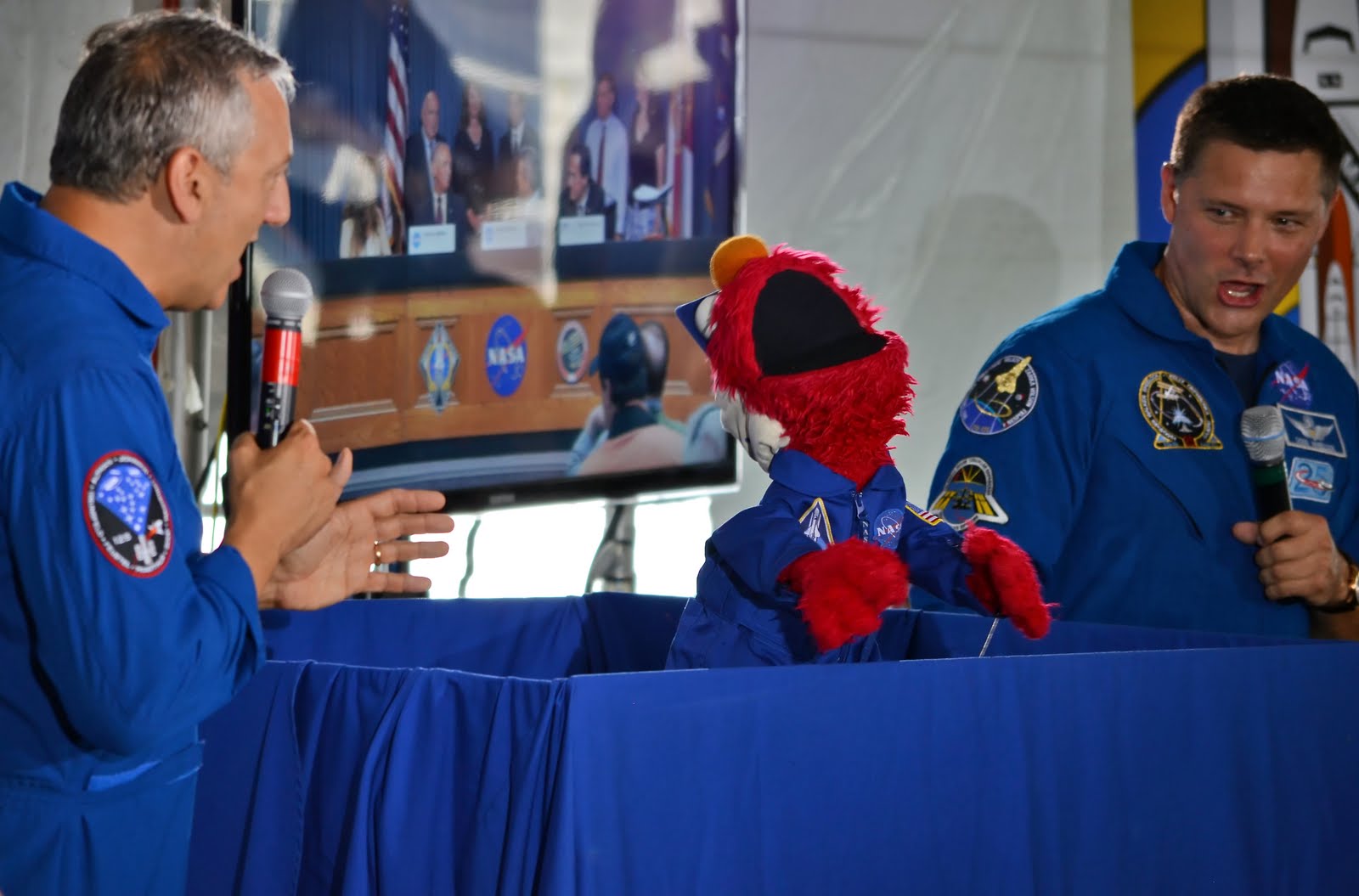
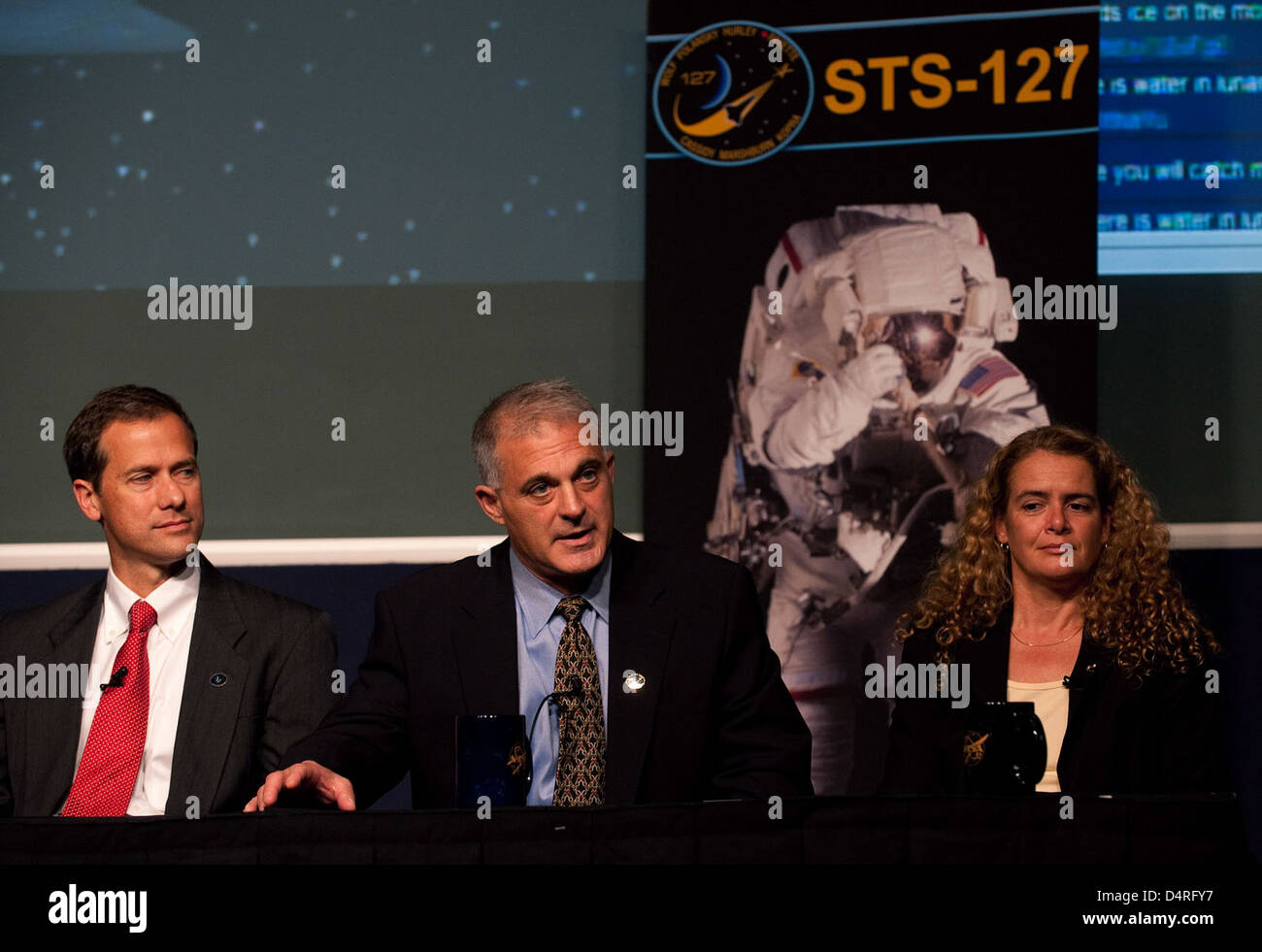
One of the most significant reasons these events matter is their ability to humanize what can often seem like a cold, monolithic government agency. NASA Social events prioritize interaction with the workforce—the engineers, scientists, technicians, and astronauts who make the missions possible.
When participants attend a NASA Social, they aren't just looking at hardware; they are talking to the people who spent a decade designing a single instrument for the James Webb Space Telescope (JWST) or the heat shield for an Orion capsule. These interactions strip away the jargon and replace it with human stories of perseverance, failure, and eventual triumph.
For the public, seeing a scientist's hands shake with excitement during a briefing or hearing an engineer describe the "seven minutes of terror" during a Mars landing creates an emotional connection. This connection is vital for maintaining public support for long-term missions that may take decades to bear fruit. In 2026, as we look toward more permanent lunar settlements, these human stories are the primary driver of public enthusiasm for the continued funding of the Artemis program.
The Ripple Effect: Amplifying Reach Through Authenticity
The "ROI" (Return on Investment) of a NASA Social is not measured in ticket sales—the events are free to attend—but in reach and engagement. A single NASA Social at the Kennedy Space Center might host 40 to 100 participants. While that number seems small, the collective following of those participants often reaches into the millions.
Unlike a press release, which is a one-way communication, social media is a two-way street. Participants answer questions from their followers in real-time. They post "behind-the-scenes" snippets of things a traditional camera crew might ignore, such as the sound of the wind on the crawler-way or the specific type of coffee served in the press site.
Comparison of Traditional Media vs. NASA Social Participation
| Feature | Traditional Press Credentials | NASA Social Credentials |
|---|---|---|
| Primary Goal | Objective reporting and news dissemination | Personal storytelling and community engagement |
| Target Audience | General public (broad demographic) | Targeted followers (niche demographics) |
| Tone of Content | Formal, neutral, and structured | Informal, enthusiastic, and experiential |
| Access Level | High (Press sites, briefings, interviews) | High (Same access, often with more "vlog-friendly" tours) |
| Production Speed | Fast (Live broadcasts, daily prints) | Instantaneous (Stories, tweets, live streams) |
| Cost to NASA | Administrative/Staffing overhead | Administrative/Staffing overhead |
Logistical Framework: How These Events Function
To understand why these events matter, one must also understand the rigor behind them. A NASA Social is not a "fan convention." It is a structured program with specific requirements. Participants must apply during a limited window, and the selection process is highly competitive.
NASA evaluators look for several key metrics:
- Reach and Engagement: Does the applicant have an active, engaged following?
- Quality of Content: Is the applicant's work high-quality, accurate, and original?
- Audience Diversity: Does the applicant reach an audience that NASA currently underserves?
Once selected, participants are responsible for their own travel and lodging expenses. This is a crucial detail; it ensures that the people attending are genuinely invested in the mission. Upon arrival at a center like Goddard Space Flight Center or Johnson Space Center, participants undergo security screenings similar to those required for federal contractors. They receive a "Social Media Credential," which grants them access to facilities that are usually off-limits to the general public.
The Future of Engagement in 2026 and Beyond
As of 2026, the landscape of public engagement has shifted toward more immersive experiences. NASA Socials have adapted by integrating 360-degree cameras, augmented reality (AR) triggers at historical sites, and specialized events for "virtual" participants.
Even if someone cannot physically travel to a launch site, the legacy of the NASA Social program ensures there is a digital seat at the table. The "Virtual NASA Social" allows thousands of people to receive digital badges, participate in exclusive Q&A sessions with mission leads, and access high-resolution assets for their own content creation.
This ongoing evolution is essential because it keeps NASA relevant in an era of rapid information cycles. By empowering the public to be the storytellers, NASA ensures that the excitement of discovery isn't locked behind a laboratory door but is shared in every corner of the world.
Frequently Asked Questions
Are NASA Social events free to attend?
There is no fee to apply for or attend a NASA Social event. However, all participants are responsible for their own travel, lodging, and meal expenses. Because NASA is a government agency, it cannot provide financial assistance for public travel, making it a "pay-your-own-way" opportunity for enthusiasts.
Do I need a massive social media following to be selected?
Not necessarily. While a large following helps, NASA prioritizes engagement and the ability to reach unique audiences. A teacher with 500 highly engaged students and colleagues may be viewed as more impactful than a "bot-heavy" account with 50,000 followers. The agency seeks quality storytellers who can translate technical concepts for their specific communities.
Can non-U.S. citizens apply for NASA Socials?
Yes, international applications are generally accepted for most NASA Social events. However, because many NASA facilities are high-security government installations, international participants often face earlier application deadlines and more stringent background check requirements. Some events at specific high-security sites may be restricted to U.S. citizens or Permanent Residents (Green Card holders).
What happens if a launch is delayed or "scrubbed"?
Launch delays are a standard part of space flight. If a launch is scrubbed (canceled for the day) while a NASA Social is in progress, the agency usually tries to provide alternative programming, such as additional tours or speaker sessions. However, the social event typically has a fixed duration. If the launch is moved to a date beyond the scheduled event, participants are usually not able to stay at the agency's expense, though their credentials may remain valid for the new launch window.
Are NASA Socials only for rocket launches?
While launches are the most high-profile events, NASA Socials cover a wide range of activities. Past events have focused on the arrival of asteroid samples, the testing of new supersonic aircraft (like the X-59), Earth science missions, and even the "unboxing" of deep-space telescope images. Any major milestone in the agency's mission can serve as a catalyst for a Social event.
Practical Recommendation
If you are interested in attending a NASA Social, the best course of action is to monitor the official NASA Social website and follow the agency's primary accounts on X (formerly Twitter) and Instagram.
Pro-Tip for Applicants: When applying, do not just list your follower counts. Instead, explain exactly how you plan to share the information and who your audience is. Mentioning specific platforms, such as a classroom blog, a local community newsletter, or a niche YouTube channel, can significantly increase your chances of selection by demonstrating a clear plan for public outreach.
Image Gallery