What to Do When Your Furnace Smells Bad: A Diagnostic and Safety Guide
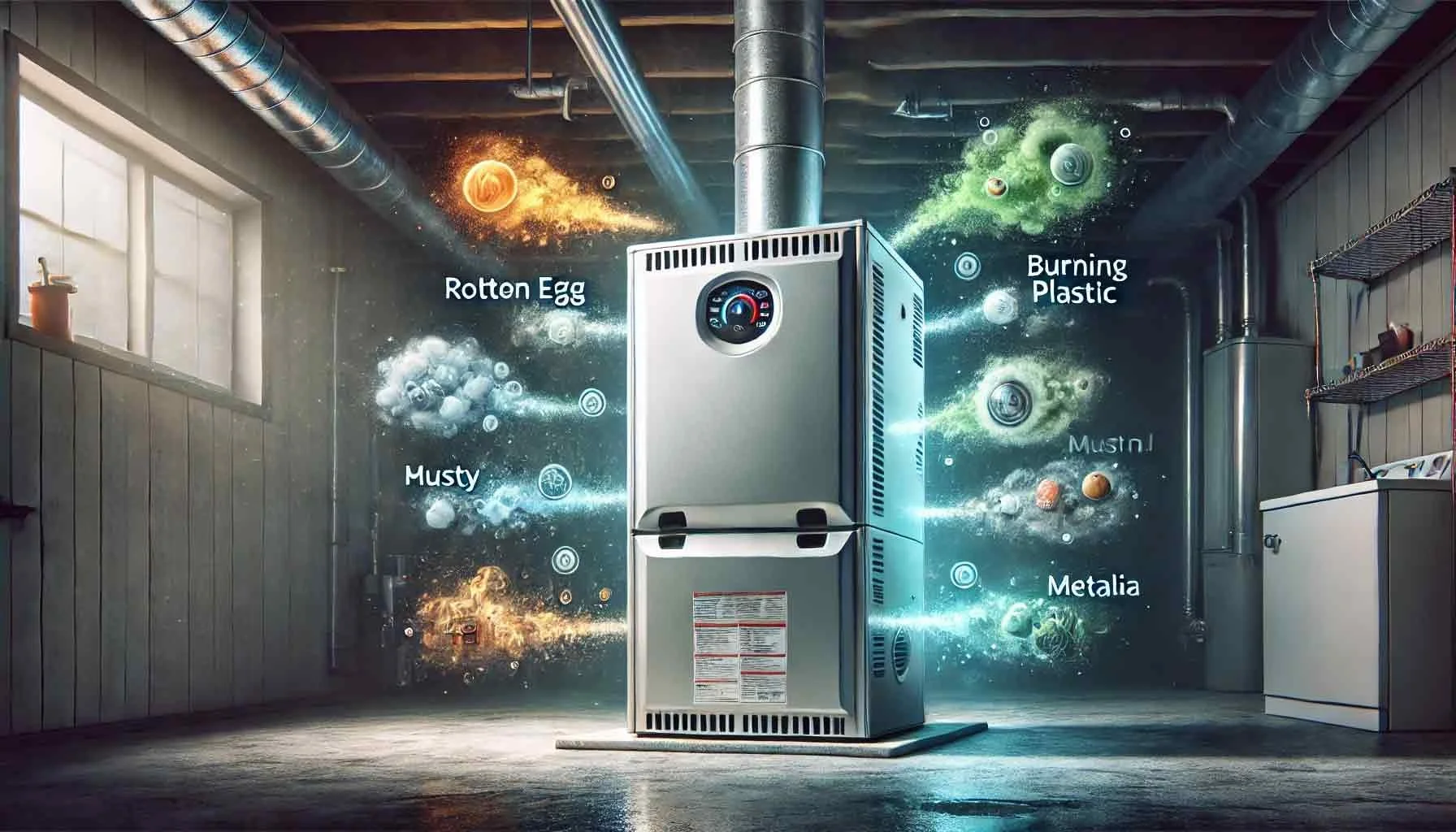
A furnace smelling bad usually indicates a specific mechanical issue, varying from harmless dust accumulation to life-threatening gas leaks or electrical fires. Identifying whether the scent is "rotten eggs," "burning plastic," or "mus...
A furnace smelling bad usually indicates a specific mechanical issue, varying from harmless dust accumulation to life-threatening gas leaks or electrical fires. Identifying whether the scent is "rotten eggs," "burning plastic," or "musty" is the critical first step in determining if you need an immediate evacuation or a simple filter change.
Contents
Immediate Safety Protocol for Gas and Electrical Odors
Before diagnosing minor mechanical issues, you must rule out immediate hazards. In 2026, residential heating systems remain largely reliant on natural gas, propane, or high-voltage electricity, all of which present specific risks when failure occurs.
The "Rotten Egg" Smell (Natural Gas)
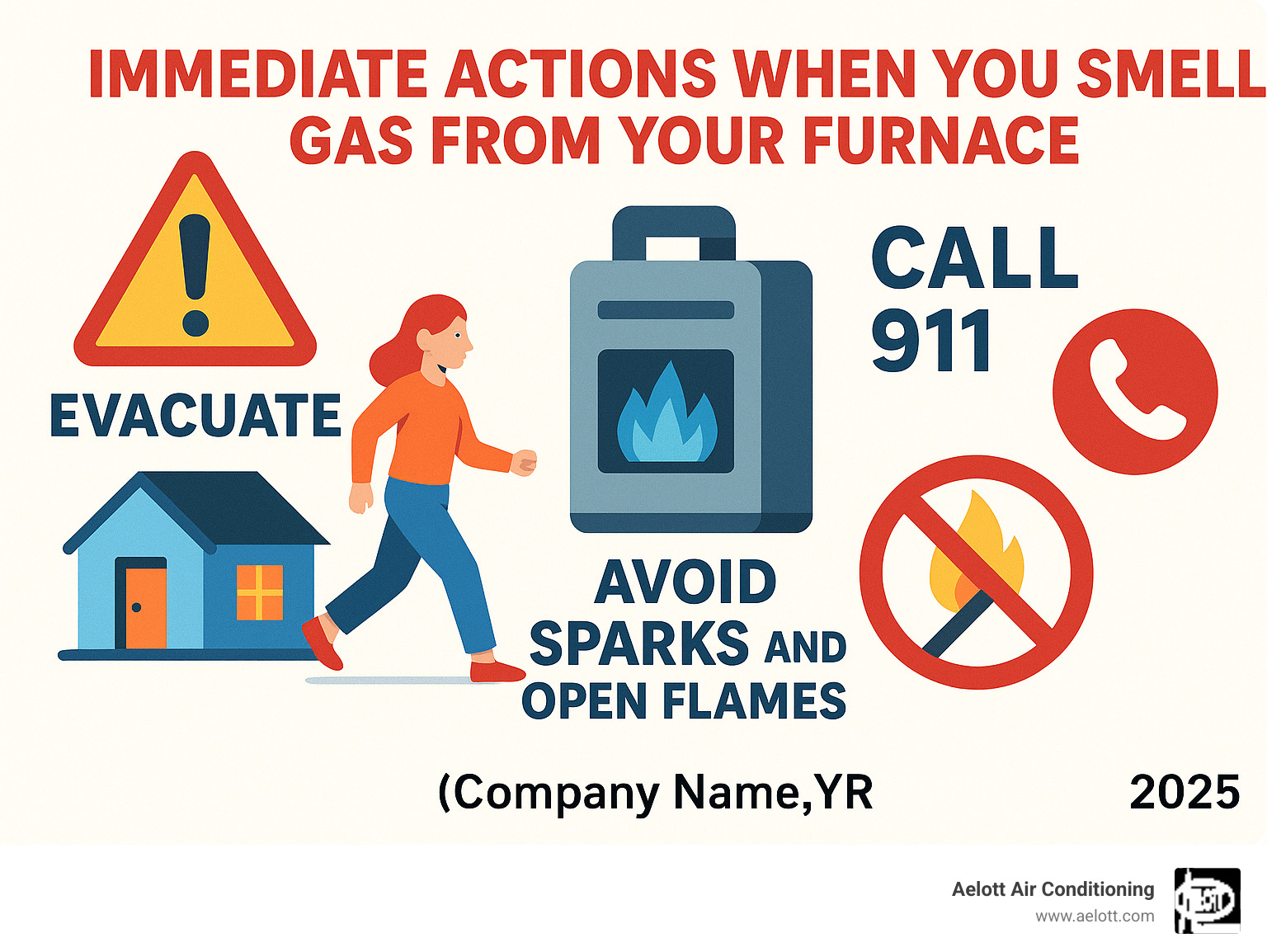
Natural gas is naturally odorless. Utility companies add a chemical called mercaptan to give it a distinctive, sulfur-like "rotten egg" smell. If you detect this odor, do not attempt to locate the leak yourself.
- Do not flip any switches: Even a small spark from a light switch or a smartphone can ignite a concentrated gas pocket.
- Evacuate immediately: Ensure all occupants and pets leave the structure.
- Leave the door open: This allows for some ventilation as you exit.
- Call from a distance: Once you are safely away from the property, call 911 or your local gas utility provider’s emergency line.
The Burning Plastic or "Ozone" Smell (Electrical)
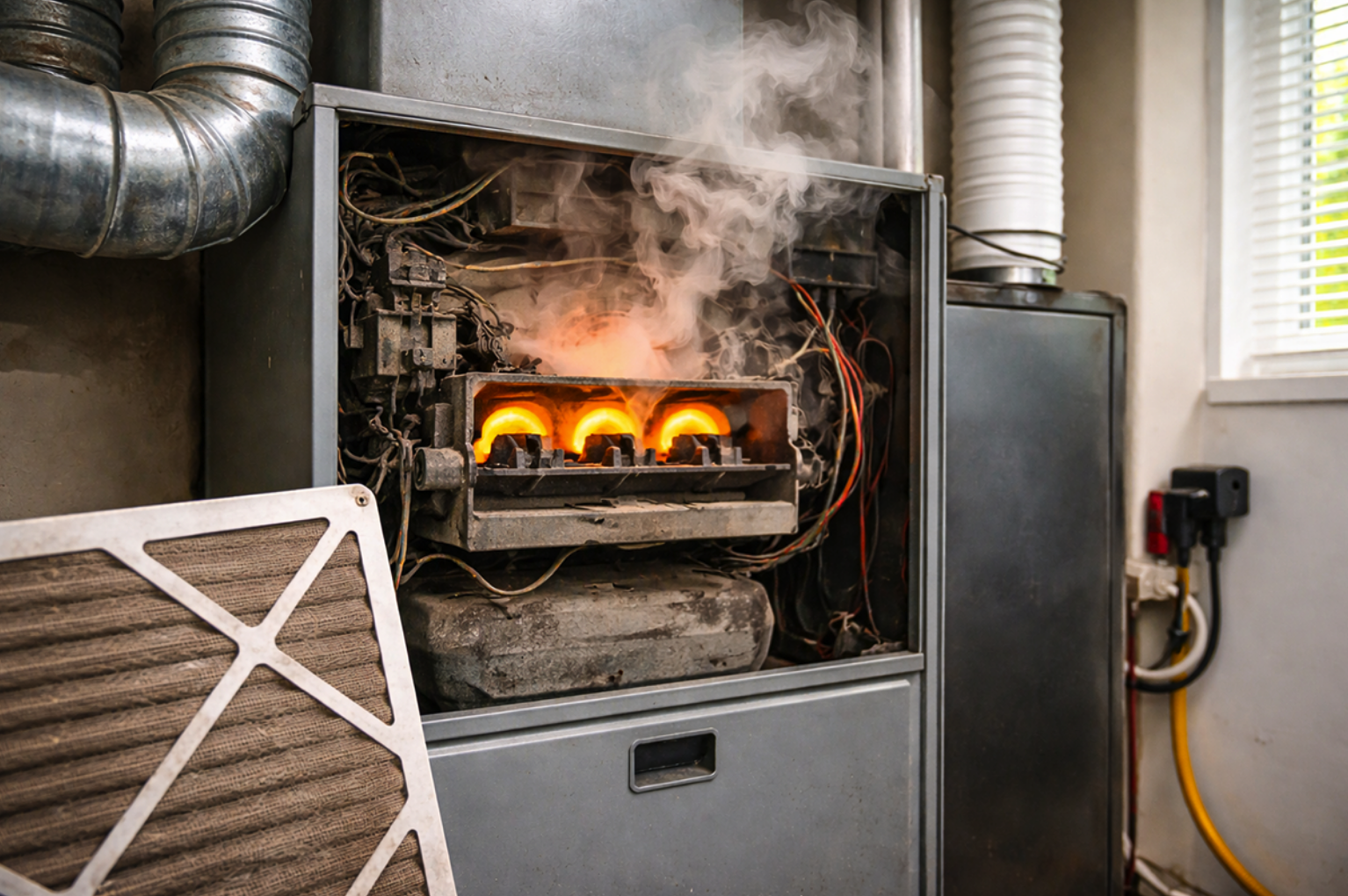
If the air coming from your vents smells like burning plastic, fried electronics, or ozone, it typically indicates that a component is overheating. This is often caused by a failing blower motor or a compromised circuit board. In these instances, the thermal limit switch—a safety device designed to shut the system down when it gets too hot—may have failed. Turn off the furnace at the thermostat and the dedicated breaker switch immediately to prevent a house fire.
Common Furnace Odors and Their Technical Causes
Once you have established that there is no immediate threat of explosion or fire, you can begin a more nuanced diagnostic process. Odors are often the first sign of a system operating outside of its nominal parameters.
1. The "Dusty" or Singed Scent
This is the most common furnace smell, typically occurring during the first cold snap of the year. Over the summer months, dust, pet dander, and microscopic debris settle on the heat exchanger and inside the combustion chamber. When the burners ignite for the first season, this debris is incinerated.
While this smell is usually harmless and should dissipate within 30 to 60 minutes, a persistent dusty smell may indicate a severely clogged air filter. In 2026, most high-efficiency furnaces require MERV 11 to MERV 13 filters to maintain optimal static pressure. If the filter is saturated, the reduced airflow causes the heat exchanger to run hotter than intended, "baking" any remaining dust and potentially damaging the system's internal components.
2. Metallic, Chemical, or Formaldehyde Smells
A sharp, chemical, or metallic odor is a significant red flag. This often points to a cracked heat exchanger. The heat exchanger is the component that separates the combustion gases (including carbon monoxide) from the air being circulated through your home.
When a heat exchanger cracks, the combustion process becomes incomplete, often producing a chemical scent similar to formaldehyde. This is a critical failure. According to the Consumer Product Safety Commission (CPSC), cracked heat exchangers are a leading cause of carbon monoxide poisoning in residential settings. If you notice this smell alongside symptoms like headaches, dizziness, or nausea among residents, shut down the system and contact an HVAC professional for a combustion analysis.
3. The "Dirty Sock" Syndrome (Musty or Moldy)
If your furnace emits a smell reminiscent of gym clothes or damp basement air, you are likely dealing with Dirty Sock Syndrome. This is caused by the accumulation of bacteria, mold, and biofilm on the evaporator coils (in hybrid/heat pump systems) or within the condensate drain line.
In high-efficiency condensing furnaces, the combustion process produces moisture that must be drained away. If the condensate trap or internal drainage lines become clogged, stagnant water allows for microbial growth. This is not just an odor issue; it can degrade indoor air quality and exacerbate respiratory conditions. Cleaning the coils with a specialized pH-neutral cleaner and flushing the condensate lines with a 2026-standard antimicrobial solution is usually required.
4. Oily or Smoky Odors
This smell is specific to oil-burning furnaces. If you smell oil, it may indicate a leak in the supply line or a malfunctioning burner nozzle. When the nozzle becomes clogged, it cannot atomize the fuel properly, leading to "puff-backs." A puff-back occurs when unburned fuel vapors ignite all at once, sending a cloud of soot and a heavy oily smell through the ductwork. If you see visible smoke or soot around the furnace jacket, the system requires an immediate professional tune-up to adjust the air-to-fuel ratio.
Technical Comparison of Furnace Odors
The following table provides a diagnostic overview of common furnace smells, their likely origins, and the typical 2026 cost of remediation.
| Smell Description | Primary Suspect | Severity Level | 2026 Estimated Repair Cost |
|---|---|---|---|
| Rotten Eggs/Sulfur | Natural Gas Leak | Emergency | $150 – $600 (Leak repair) |
| Burning Plastic | Blower Motor/Wiring | High | $400 – $1,200 |
| Chemical/Metallic | Cracked Heat Exchanger | Critical | $1,800 – $3,800 |
| Musty/Mildew | Biological Growth/Coils | Moderate | $250 – $700 |
| Heavy Dust | Saturated Air Filter | Low | $20 – $70 (DIY) |
| Oily/Sooty | Burner Malfunction | High | $300 – $850 |
Troubleshooting Steps for Homeowners
If the smell is not an emergency, follow these steps to narrow down the cause before calling a technician.
Step 1: Inspect the Air Filter
A dirty filter is the root of approximately 50% of non-emergency furnace odors. Remove the filter and hold it up to a light source. If no light passes through, the filter is restricting airflow. Replace it with a new one and observe if the smell persists for more than an hour.
Step 2: Check the Condensate Line
For high-efficiency furnaces (90% AFUE or higher), locate the PVC drainage pipe. Ensure there is no standing water in the secondary drain pan (if applicable). If you see "sludge" or algae in the clear portions of the tubing, the line may need to be cleared with a vacuum or a specialized drain strip.
Step 3: Examine the Return Air Vents
Sometimes, the "furnace smell" isn't coming from the furnace at all. If a foreign object—such as a piece of plastic, a toy, or even a dead rodent—has fallen into a return vent, the scent will be pulled into the system and redistributed. Use a flashlight to check accessible ductwork.
Step 4: Verify Carbon Monoxide Detector Status
In 2026, it is standard for homes to have interconnected CO detectors. If your furnace smells "off" and your detectors are more than five to seven years old, replace the batteries or the units themselves. A faulty detector provides a false sense of security when dealing with chemical odors.
Preventive Maintenance in 2026
Modern HVAC technology in 2026 has shifted toward predictive maintenance. Many smart thermostats now feature static pressure monitoring and optical flame sensors that can alert homeowners to issues before they produce a noticeable odor.
- Annual Combustion Analysis: A technician uses a digital analyzer to check the levels of oxygen, carbon monoxide, and carbon dioxide in your flue gases. This can detect a cracked heat exchanger long before you smell "chemicals."
- Smart Monitoring Integration: If your system supports it, enable "Performance Alerts" on your smart home hub. These systems track the "signature" of your blower motor and can predict an electrical failure (and the resulting burning smell) weeks in advance.
- Duct Cleaning: While not always necessary every year, if you have experienced "Dirty Sock Syndrome," a professional duct cleaning using HEPA-filtered vacuums can remove the biological reservoirs that cause recurring musty smells.
Frequently Asked Questions
Is it normal for a furnace to smell like burning the first time it’s turned on?
Yes, it is very common. This is typically just the "burn-off" of dust that has settled on the heat exchanger over the summer. In most cases, the smell should disappear within an hour. If the smell persists for several hours or is accompanied by smoke, turn the system off and check for obstructions.
Can a furnace smell like a dead animal?
Unfortunately, yes. During the off-season, rodents or birds may enter the ductwork or the furnace cabinet itself. When the furnace turns on, the heat causes the carcass to decompose rapidly, sending a pungent, rotting odor through the house. This usually requires professional duct cleaning and potentially a technician to remove the carcass from the blower housing.
Why does my furnace smell like vinegar?
A vinegar-like smell often indicates an electrical issue, specifically a failing capacitor or a problem with the circuit board's protective coating. In some cases, certain types of mold or bacteria can also produce an acidic, vinegar-like scent. If you smell vinegar, it is best to have an HVAC professional inspect the electrical components.
What should I do if my furnace smells like gunpowder?
A gunpowder smell is usually a sign of a "fried" circuit board or a blower motor that has short-circuited. This is a distinct electrical odor that differs from the "ozone" smell of a simple overheating motor. It indicates that a fuse has likely blown or a trace on the control board has melted.
Is the chemical smell from a furnace dangerous?
Yes, it can be. As noted by the Department of Energy (DOE), any chemical or "sweet" smell coming from a gas furnace suggests that the combustion process is compromised. This often means carbon monoxide is being leaked into your living space. You should never ignore a chemical scent.
Recommendations for Next Actions
If you are currently experiencing a bad furnace smell, your first action must be safety-oriented. For rotten egg or heavy burning smells, exit the building and contact emergency services. For all other odors, start by replacing your air filter and checking your condensate lines.
If the odor persists for more than 24 hours despite a filter change, or if you detect a metallic or chemical scent, schedule a Professional Furnace Safety Inspection. In 2026, a standard inspection will include a heat exchanger camera probe and a digital combustion analysis, providing definitive proof of whether your system is safe to operate. Delaying these repairs can lead to significantly higher costs if a minor electrical issue evolves into a total motor failure or a hazardous carbon monoxide leak.
Image Gallery