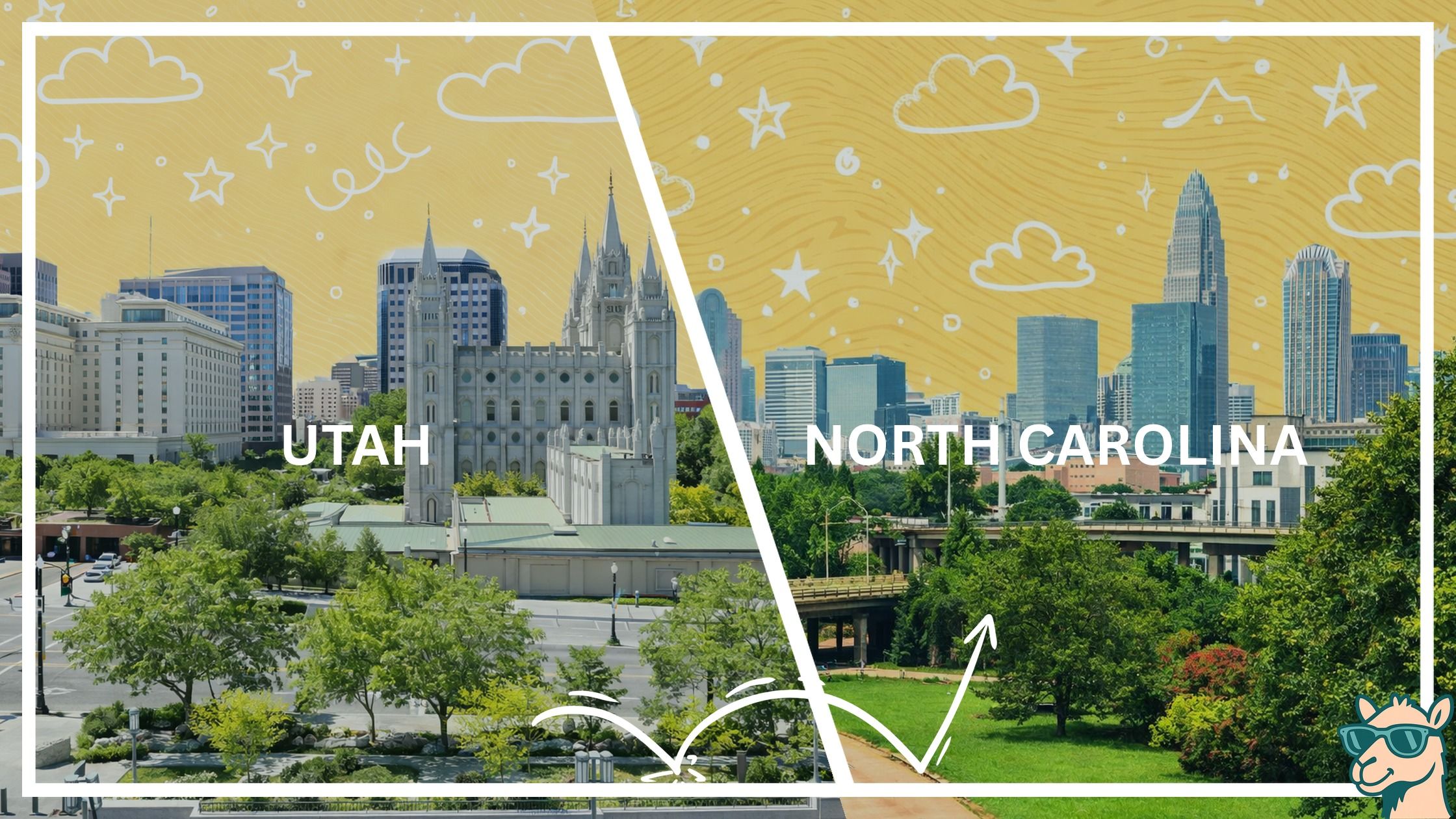
Move to Utah: Practical Guidance for Relocating in 2026
Relocating to Utah requires a strategic approach to navigate its unique economic landscape, diverse geography, and specific administrative requirements. As of 2026, the Beehive State remains a premier destination for those seeking a ba...
Relocating to Utah requires a strategic approach to navigate its unique economic landscape, diverse geography, and specific administrative requirements. As of 2026, the Beehive State remains a premier destination for those seeking a balance of high-tech career opportunities and world-class outdoor recreation, necessitating careful planning regarding housing, residency, and lifestyle adjustments.
Contents
Understanding the Utah Landscape in 2026
The decision to move to Utah is often driven by the state’s robust economy, which continues to outperform much of the United States. In 2026, the "Silicon Slopes" corridor—stretching from Salt Lake City south through Lehi and Provo—has matured into a global tech hub. However, Utah is not a monolith. The state is divided into distinct regions, each offering a different quality of life and cost profile.
Most newcomers settle along the Wasatch Front, a metropolitan region nestled between the Wasatch Mountains and the Great Salt Lake. This area contains roughly 80% of the state's population. Beyond the urban core, Southern Utah offers a high-desert climate and proximity to "The Mighty 5" national parks, making it a favorite for retirees and remote workers. Before committing to a move, it is essential to determine which regional climate and industry alignment suits your professional and personal goals.
Strategic Regional Selection
Choosing the right city is the most critical step in your relocation process. Each major area has its own "vibe" and economic driver:
- Salt Lake City (SLC): The state's capital and most culturally diverse hub. It offers the most robust public transit system (UTA Trax and FrontRunner) and a growing culinary and nightlife scene. It is ideal for young professionals and those who prefer an urban lifestyle.
- Utah County (Provo/Lehi): The heart of the tech sector. This region is known for being family-oriented and is home to Brigham Young University. The housing market here is competitive due to the influx of tech talent.
- Davis and Weber Counties (Ogden/Layton): Located north of SLC, these areas offer slightly more affordable housing and are significant hubs for the aerospace and defense industries, centered around Hill Air Force Base.
- Washington County (St. George): Located in the southwestern corner of the state, this region offers a year-round warm climate. It is significantly farther from the northern metropolitan hubs but provides unparalleled access to Zion National Park.
Financial Planning and the Cost of Living
Utah’s cost of living in 2026 remains higher than the national average, primarily driven by housing demand. However, the state’s tax structure offers some predictability.
Taxation in Utah
Utah utilizes a flat income tax rate, which currently sits at approximately 4.55%. This simplicity is often a draw for high-earning professionals moving from states with progressive tax brackets. Property taxes in Utah are relatively low compared to the national average, often hovering around 0.6% to 0.7% of the property's assessed value. However, sales tax can vary by municipality, often ranging from 6.85% to 8.25%.
Housing and Utilities
The housing market has seen sustained growth. In 2026, those looking to purchase a home should be prepared for a competitive environment. Renters will find that modern apartment complexes are plentiful in the Silicon Slopes area, but prices for multi-bedroom homes in suburban neighborhoods remain premium. Utility costs are a bright spot; Utah frequently ranks among the lowest in the nation for electricity and natural gas rates, thanks to a mix of traditional and increasing renewable energy sources.
| Expense Category | Salt Lake City (2026 Est.) | St. George (2026 Est.) | National Average |
|---|---|---|---|
| Median Home Price | $615,000 | $540,000 | $430,000 |
| Avg. Monthly Rent (2BR) | $2,100 | $1,850 | $1,950 |
| Electricity (per kWh) | $0.11 | $0.12 | $0.16 |
| State Income Tax | 4.55% (Flat) | 4.55% (Flat) | Varies |
| Grocery Index (US=100) | 102 | 98 | 100 |
Administrative Requirements for New Residents
Once you arrive, you must satisfy several legal requirements to be considered a resident of Utah. The state is rigorous about its timelines for documentation.
Driver’s License and Vehicle Registration
You must obtain a Utah driver’s license within 60 days of establishing residency. To do this, you must visit a Utah Department of Public Safety (DPS) office. You will need to provide proof of identity, social security number, and two proofs of Utah residency (such as a utility bill or rental agreement).
Vehicle registration must also be completed within 60 days. Utah requires an emissions test for vehicles in specific counties, including Salt Lake, Davis, Utah, and Weber. Additionally, any vehicle being titled in Utah for the first time must undergo a Safety Inspection or a VIN verification, which can often be performed at the DMV or a certified station.
Voter Registration and Healthcare
Utah primarily uses a mail-in ballot system. You can register to vote when you apply for your driver’s license or via the Lieutenant Governor’s website. Regarding healthcare, Utah has several major providers, with Intermountain Health and University of Utah Health dominating the landscape. Ensure your current insurance provider has a network within these systems, as they represent the vast majority of specialists in the region.
Employment and Education
Utah’s job market is characterized by low unemployment and high growth in specific sectors.
- Tech and Innovation: The Silicon Slopes area continues to recruit for software engineering, cybersecurity, and data analytics.
- Healthcare and BioTech: With the University of Utah's research facilities, the state has become a leader in genetic research and medical device manufacturing.
- Education: If you are moving with a family, Utah’s public school districts are generally well-regarded, though the state has a high student-to-teacher ratio. Utah also offers a robust "Dual Immersion" program in many elementary schools, allowing students to learn in both English and a second language (such as Spanish, Mandarin, or French) starting in kindergarten.
For higher education, the state boasts the University of Utah (SLC), Brigham Young University (Provo), and Utah State University (Logan), all of which provide significant research and employment opportunities.
Cultural Integration and Lifestyle Adjustments
Adjusting to life in Utah involves understanding the local climate and social norms.
The Geography of the Outdoors
In Utah, "The Outdoors" is not just a weekend activity; it is a way of life. If you live on the Wasatch Front, you are likely within 30 minutes of world-class skiing or hiking. However, this proximity brings heavy traffic to the canyons on weekends. New residents should familiarize themselves with the "Cottonwood Canyons" transportation apps and parking reservation systems that are now standard in 2026.
Winter and the "Inversion"
While Utah is famous for the "Greatest Snow on Earth," the valleys occasionally experience a meteorological phenomenon known as an inversion during winter months. Cold air becomes trapped under a layer of warm air, leading to poor air quality in the urban centers. Residents often monitor the Air Quality Index (AQI) and may choose to head to higher elevations (above the cloud line) on these days.
Liquor Laws
Utah's liquor laws have modernized significantly but remain unique. Grocery stores and convenience stores sell beer up to 5% ABV. Anything stronger, including all wine and spirits, must be purchased from a state-run liquor store. These stores are closed on Sundays and holidays, so planning ahead is necessary for social gatherings.
Common Relocation Mistakes to Avoid
- Underestimating the Altitude: Salt Lake City sits at 4,226 feet, and many residential areas are even higher. Newcomers often experience mild altitude sickness or dehydration during their first few weeks. Increase your water intake significantly.
- Ignoring the "Mormon" Influence: While the influence of the Church of Jesus Christ of Latter-day Saints (LDS) is less prominent in SLC than in rural areas, it still shapes the social and political landscape. Many businesses may close on Sundays, particularly in Utah County.
- Assuming All Areas are "Dry": While the state regulates alcohol strictly, the "dry" reputation is largely outdated. SLC has a vibrant craft brewery and distillery scene.
- Waiting to Register Vehicles: Utah is aggressive with late fees for vehicle registration. Do not wait past the 60-day mark to visit the DMV.
Frequently Asked Questions
What is the 2026 state income tax rate in Utah?
As of 2026, Utah maintains a flat income tax rate of approximately 4.55%. This rate applies to all residents regardless of income level, making it a predictable factor for financial planning. Unlike states with progressive tiers, your tax rate does not increase as your salary grows.
How do I handle car registration if my vehicle is from out of state?
You must register your vehicle within 60 days of moving. You will need the out-of-state title, proof of Utah insurance, and a certificate of emissions inspection if you live in the Wasatch Front counties. A VIN inspection is also required, which can be done by a DMV employee or a local police officer.
Is it necessary to own a 4-wheel drive (4WD) vehicle?
While not strictly necessary for city driving, a 4WD or All-Wheel Drive (AWD) vehicle is highly recommended if you plan to commute during winter or visit the mountain canyons. Utah law often implements "Traction Device Requirements" during snowstorms, which may mandate snow tires or AWD for certain roads.
How does the "Silicon Slopes" impact the housing market?
The tech boom in the Lehi and Provo areas has led to a significant increase in property values and a decrease in inventory. In 2026, buyers should expect to encounter multiple-offer scenarios in these areas. It is often more practical to look at "commuter towns" like Eagle Mountain or Saratoga Springs for better value.
Are there specific requirements for registering children for school?
To register a child for a Utah public school, you will need a birth certificate, proof of immunizations, and two documents proving residency within the school district boundaries. Many districts also offer "open enrollment," allowing students to attend schools outside their neighborhood if space is available.
Practical Recommendation for Relocating
To ensure a successful move to Utah in 2026, your first priority should be securing housing and verifying your employment's proximity to the Wasatch Front transit corridors. Begin the process of gathering your residency documents (birth certificates, social security cards, and current titles) at least 30 days before your move. Upon arrival, prioritize your VIN inspection and emissions testing, as these are the most common bottlenecks in the registration process. Finally, invest in high-quality cold-weather gear and familiarize yourself with the state's Air Quality Index (AQI) alerts to navigate the winter months safely.
Image Gallery