Bridgestone Blizzak Tire Reviews: Performance, Longevity, and 2026 Buyer’s Guide
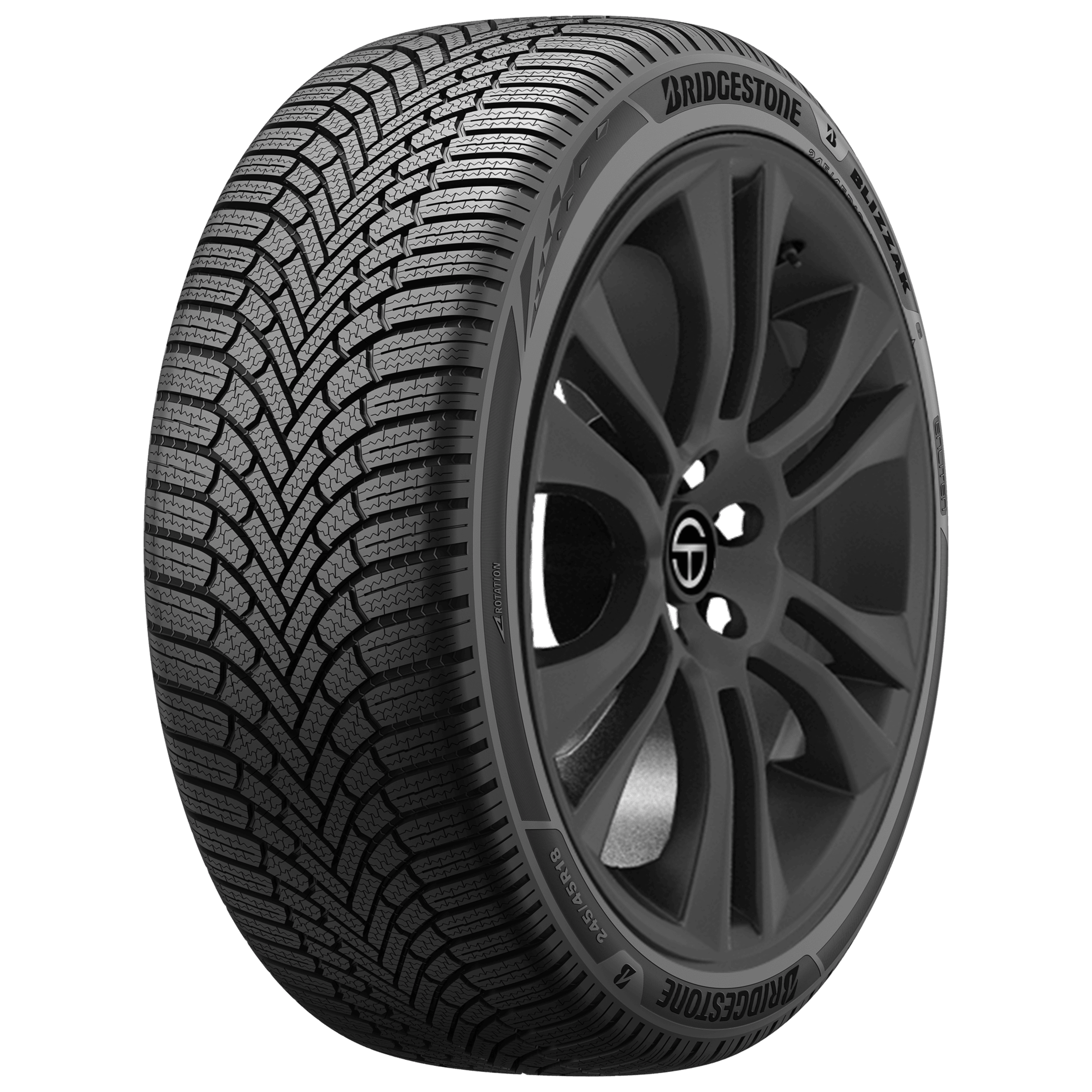
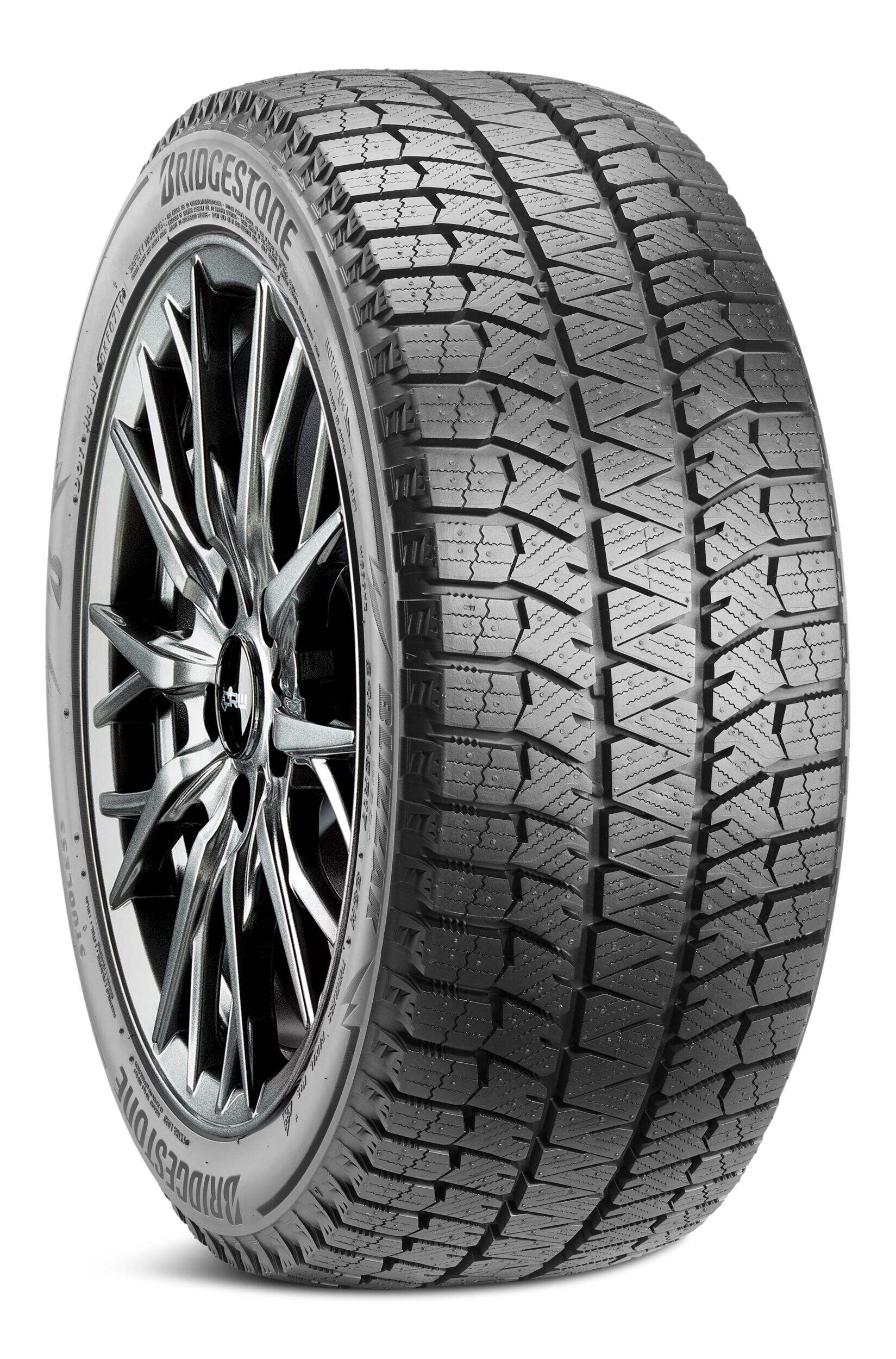
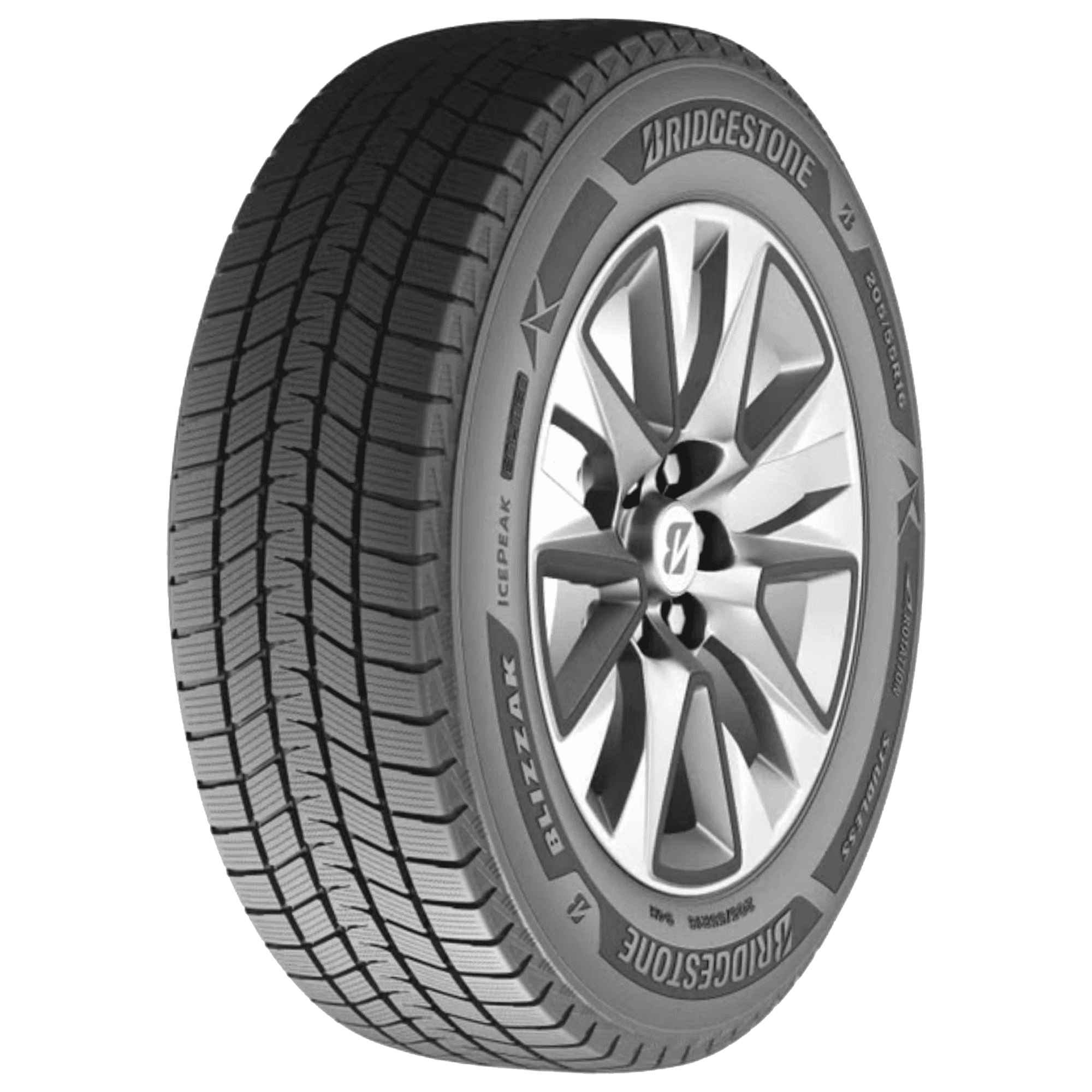
Bridgestone Blizzak tires remain the industry benchmark for dedicated winter performance, offering exceptional grip on ice and packed snow. Renowned for their proprietary Multicell technology, these tires provide superior braking and h...
Bridgestone Blizzak tires remain the industry benchmark for dedicated winter performance, offering exceptional grip on ice and packed snow. Renowned for their proprietary Multicell technology, these tires provide superior braking and handling in freezing conditions, making them a top choice for drivers prioritizing safety and control in harsh northern climates.
Contents
The Evolution of Winter Traction: Understanding the Blizzak Legacy
For decades, the name "Blizzak" has been synonymous with winter driving confidence. As we look at the market in 2026, the Bridgestone Blizzak line continues to dominate consumer reviews and professional testing circuits. The primary reason for this sustained success is not just a aggressive tread pattern, but a fundamental understanding of how rubber interacts with frozen surfaces.
When driving on ice, the friction generated by the tire creates a microscopic layer of water. This thin film acts as a lubricant, which is why vehicles often slide uncontrollably. Bridgestone addressed this through their patented Multicell compound, a specialized rubber containing millions of microscopic pores. These pores act like tiny sponges, absorbing the water film and allowing the tire to make direct contact with the ice. This technical innovation is the cornerstone of every Blizzak review, consistently cited as the "magic" behind their shorter stopping distances.
Detailed Analysis of the Current Blizzak Lineup
Choosing the right Blizzak tire requires understanding the nuances between models. While the core technology remains similar, the construction and tread designs are optimized for different vehicle weights and driving styles.
Blizzak WS90: The Standard for Sedans and Coupes
The WS90 is the flagship winter tire for passenger cars. Reviewers frequently praise its balanced performance. Compared to its predecessor, the WS80, the WS90 features a 15% increase in block stiffness. This improvement addresses one of the historical complaints regarding winter tires: "squishy" handling on dry pavement. By reducing tread wiggle, Bridgestone has extended the wear life of the tire while maintaining its class-leading ice traction.
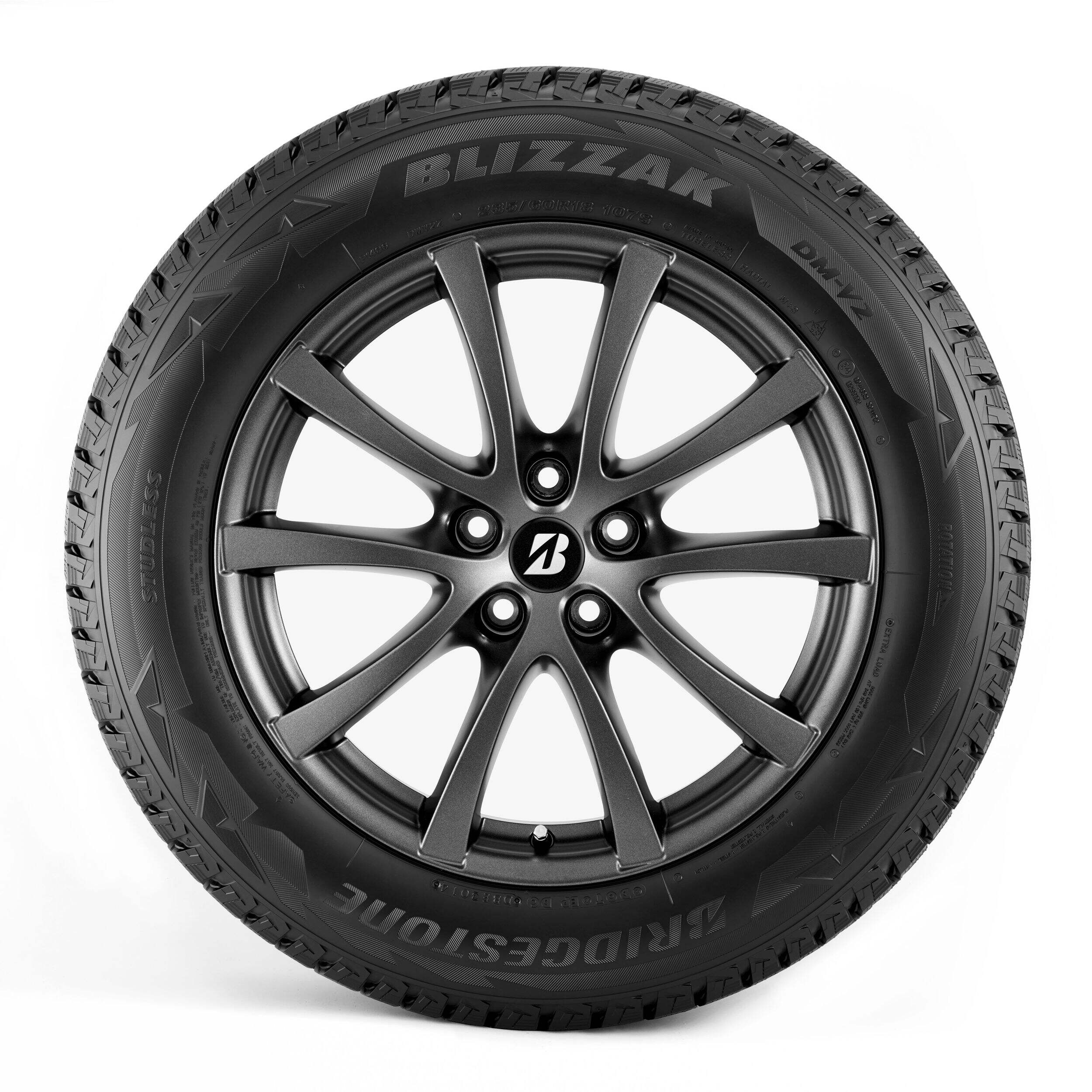
Blizzak DM-V2: Specialized for SUVs and Light Trucks
Crossovers and SUVs present a different challenge due to their higher center of gravity and increased mass. The DM-V2 utilizes a specialized version of the Multicell compound designed to handle heavier loads. Reviews from 2026 highlight that while the DM-V2 is slightly louder on the highway than all-season alternatives, the trade-off in deep snow evacuation and slush-planing resistance is unparalleled.
Blizzak LM Series: Performance Winter Tires
For drivers of high-performance European sedans or sports cars, the LM series (such as the LM-32 or LM005) provides a "middle ground" between extreme ice grip and high-speed dry-road stability. These tires carry higher speed ratings and use a different compound that doesn't wear as quickly during high-speed highway commutes in cold but dry conditions.
Comparative Performance: 2026 Winter Tire Matrix
The following table summarizes the key characteristics of the primary Blizzak models based on technical specifications and aggregated user reviews.
| Feature | Blizzak WS90 | Blizzak DM-V2 | Blizzak LM-32/005 |
|---|---|---|---|
| Primary Vehicle | Sedans, Hatchbacks, Coupes | SUVs, Pickups, Crossovers | Performance/Luxury Cars |
| Ice Traction | Exceptional (Top Class) | Exceptional (Heavy Duty) | Good (Optimized for Cold) |
| Deep Snow | High | Maximum | Moderate |
| Dry Road Handling | Very Good | Good | Excellent |
| Tread Life | Enhanced (4-5 seasons) | Moderate (3-4 seasons) | High Speed Optimized |
| Key Technology | Multicell & EdgePerformance | NanoPro-Tech Multicell | High-Silica Content |
The Science of the Multicell Compound and Bite Particles
To understand why Blizzak reviews are consistently positive, one must look at the "Bite Particles" embedded within the rubber. Unlike a standard all-season tire that hardens in temperatures below 45°F (7°C), the Blizzak compound remains flexible.
The Multicell compound is applied to the outer 55% of the tire's tread depth. This is a critical detail for buyers: once the tire is worn past this point, it transitions into a more traditional winter compound. While still functional, the "peak" ice performance is found in the first half of the tire's life. Bridgestone includes a winter tire wear indicator (a small notch in the tread) that lets drivers know when the specialized Multicell layer has been exhausted.
Furthermore, the addition of "Bite Particles"—essentially microscopic ceramic studs—provides a mechanical grip that complements the chemical grip of the rubber. This dual-action approach is why these tires are often preferred over studded tires in urban areas where studs are noisy or legally restricted.
Real-World Driving Performance: Snow, Ice, and Slush
Performance on Packed Snow
In deep or packed snow, tread geometry is king. Blizzak tires utilize a "zig-zag" siping pattern. Sipes are the tiny slits in the tread blocks. When the tire rolls over snow, these sipes open up, bite into the snow, and "pack" it into the tread. This "snow-on-snow" traction is actually more effective than "rubber-on-snow" traction.
Performance on Black Ice
Black ice is the most dangerous winter condition. Consumer testing in 2026 continues to show that the WS90 and DM-V2 can stop a vehicle up to 20 feet shorter than premium all-season tires at speeds as low as 20 mph. This distance is often the difference between a minor scare and a major collision.
Slush and Wet Braking
The directional tread patterns found on most Blizzaks are designed to channel slush and water away from the contact patch. This reduces the risk of hydroplaning, which is a common cause of winter accidents during "thaw-freeze" cycles.
Longevity and Wear: The Traditional "Achilles Heel"
Historically, the most common criticism in Blizzak reviews involved rapid tread wear. Because the rubber is so soft and porous, it can wear quickly if driven on warm pavement. However, current engineering has mitigated this.
For the 2026 season, users report that with proper seasonal swapping, a set of WS90s can realistically last between 30,000 and 40,000 miles. To maximize this lifespan, it is vital to:
- Switch tires seasonally: Do not drive Blizzaks when ambient temperatures are consistently above 50°F (10°C).
- Maintain Pressure: Cold temperatures cause tire pressure to drop; under-inflated tires wear unevenly and generate excess heat.
- Rotation: Rotate the tires every 5,000 miles to ensure the front tires (which handle most of the braking and steering forces) don't wear out significantly faster than the rears.
Cost vs. Value Analysis
Blizzak tires are positioned as a premium product. In 2026, a set of four tires typically ranges from $600 to $1,100 depending on wheel size and vehicle type. While this is a significant upfront investment, it should be viewed as an "insurance policy" for the winter months. Many insurance companies offer premium discounts for vehicles equipped with dedicated winter tires (marked with the 3-Peak Mountain Snowflake symbol), which can help offset the cost over several years.
Common Mistakes When Buying Blizzaks
One recurring theme in technical reviews is the mistake of "mixing and matching." Drivers occasionally attempt to save money by installing Blizzaks only on the drive wheels (front-wheel or rear-wheel drive). This is highly discouraged by the National Highway Traffic Safety Administration (NHTSA) and Bridgestone itself.
Installing winter tires on only two wheels creates a massive traction imbalance. If you have grip in the front but none in the back, the vehicle is prone to spinning out (oversteer). Conversely, grip in the back but not the front leads to an inability to steer (understeer). For safety and predictable handling, Blizzaks must be installed in a complete set of four.
Frequently Asked Questions
Can I drive Bridgestone Blizzaks all year round?
No. Blizzaks are made from a specialized soft compound designed for temperatures below 45°F. In summer heat, the rubber becomes excessively soft, leading to rapid tread wear, decreased fuel economy, and compromised handling. Most importantly, your braking distance on warm pavement will be significantly longer than it would be with all-season or summer tires.
Are Blizzak tires noisy on the highway?
Winter tires are generally noisier than all-season tires due to their deep tread grooves and heavy siping. While the Blizzak WS90 is quieter than older models, you will still notice a distinct "hum" or "whine" on dry pavement. Most reviewers find this noise level acceptable given the safety benefits provided in snow and ice.
How do I know when my Blizzaks are worn out?
Bridgestone tires feature two types of wear bars. One indicates the 5/32" tread depth, which is where the specialized Multicell "ice" compound ends. Once you hit this bar, the tire's performance on ice will decrease. The second bar is the legal limit (2/32"), at which point the tire is no longer safe for any road conditions.
Do I need Blizzaks if I have All-Wheel Drive (AWD)?
AWD helps you "go," but it does not help you "stop" or "turn" any better on ice. A front-wheel-drive car with Blizzaks will almost always outperform an AWD car with all-season tires in braking and cornering tests on ice and snow. For maximum safety, AWD vehicles should still be equipped with dedicated winter tires.
What is the difference between Blizzaks and Michelin X-Ice?
The Michelin X-Ice Snow is the primary competitor to the Blizzak WS90. Reviews generally suggest that the Michelin tire has a longer tread life and better fuel efficiency, while the Blizzak offers a slight edge in "ultimate" ice braking and deep snow traction. The choice usually comes down to whether you prioritize longevity (Michelin) or peak winter grip (Bridgestone).
Final Recommendation: Are Blizzaks Right for You?
If you live in a region where snow remains on the ground for months or where "black ice" is a frequent morning hazard, the Bridgestone Blizzak series remains one of the best investments you can make for your vehicle. The WS90 is the top choice for daily commuters in sedans, while the DM-V2 is a "must-have" for SUV owners in the snow belt.
For those in milder climates where it only snows a few times a year, a high-quality "All-Weather" tire (not to be confused with All-Season) might suffice. However, for true winter peace of mind, the technical sophistication of the Blizzak line continues to justify its reputation as a leader in cold-weather safety.
Image Gallery