Understanding the Role of a South Carolina Workers’ Compensation Nurse Case Manager
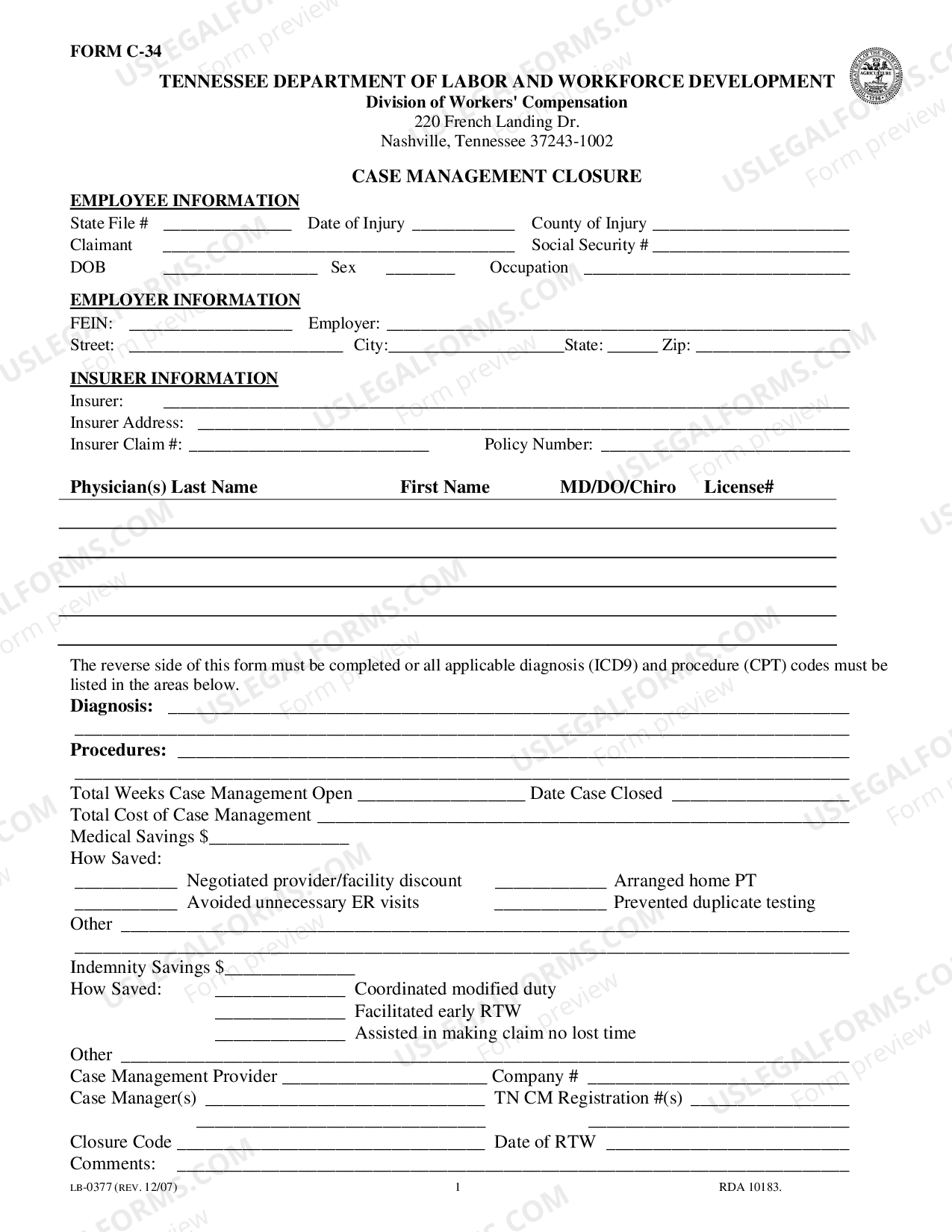
In the South Carolina workers’ compensation system, a Nurse Case Manager (NCM) is a registered nurse hired by the insurance carrier to coordinate and oversee an injured worker's medical treatment. Their primary goal is to facilitate ef...
In the South Carolina workers’ compensation system, a Nurse Case Manager (NCM) is a registered nurse hired by the insurance carrier to coordinate and oversee an injured worker's medical treatment. Their primary goal is to facilitate efficient care, manage communication between parties, and expedite the worker’s safe return to employment.
Contents
As of 2026, the South Carolina workers’ compensation landscape remains complex, and the introduction of a Nurse Case Manager can significantly impact the trajectory of a claim. While their presence is often framed as a benefit for the injured worker, it is essential to understand that they are professional extensions of the insurance company. Navigating this relationship requires a clear understanding of South Carolina law, the specific regulations set forth by the South Carolina Workers’ Compensation Commission (SCWCC), and the boundaries that protect the patient’s privacy.
Defining the Nurse Case Manager (NCM) in South Carolina
A South Carolina Workers’ Compensation Nurse Case Manager is typically a registered nurse (RN) who often holds additional certifications, such as a Certified Case Manager (CCM) or Certified Occupational Health Nurse (COHN). In the context of a 2026 work injury claim, the NCM serves as a liaison between three primary entities: the medical providers (doctors, therapists), the injured worker (the claimant), and the insurance adjuster.
The NCM's involvement usually begins when a claim is deemed "medical-only" or "lost-time" with significant recovery needs. Their role is not to provide direct clinical care—meaning they do not perform surgeries or prescribe medication—but rather to "manage" the case. This involves ensuring that the doctor’s recommendations are carried out, that appointments are scheduled promptly, and that the insurance carrier is kept informed of the worker’s physical status and work restrictions.
Professional Qualifications and Ethics
In South Carolina, NCMs are bound by the standards of their nursing licenses and, if applicable, the Code of Professional Ethics for Case Managers. They are expected to act with integrity, but a fundamental tension exists: their services are paid for by the employer’s insurance company. This dual loyalty—to the patient’s health and the insurer’s bottom line—is why many injured workers and their legal representatives view the NCM with a degree of caution.
The Nurse Case Manager’s Primary Responsibilities
The responsibilities of an NCM in a South Carolina claim are broad and can influence how quickly a case moves toward a resolution. Understanding these duties helps the injured worker know what to expect during their recovery.
Coordination of Medical Care
The most practical function of the NCM is logistics. In a busy medical environment, getting a specialist appointment or an MRI can take weeks. The NCM uses their professional network and the insurer’s authority to authorize and schedule these services quickly. They ensure that the treating physician—who is usually selected by the employer or carrier in South Carolina—has all the necessary medical records from previous providers to make an informed diagnosis.
Facilitating Communication
The NCM acts as a central hub for information. After a doctor’s visit, the NCM communicates the results to the insurance adjuster. This is critical because the adjuster uses this information to "reserve" funds for the claim and to authorize payment for the next steps in the treatment plan. Without this flow of information, the delivery of care can stall due to administrative delays.
Managing Return-to-Work (RTW) Protocols
A core objective for any workers' compensation carrier is to reduce the "indemnity" (wage replacement) costs of a claim. The NCM is tasked with obtaining specific work restrictions from the treating physician as early as possible. If the doctor clears the worker for "light duty," the NCM will relay these exact physical limitations to the employer to see if a temporary position can be carved out. This process is a high priority in 2026 as South Carolina employers increasingly utilize transitional work programs to keep workers engaged during recovery.
Legal Rights of Injured Workers Regarding NCMs
South Carolina law provides specific protections for injured workers regarding how they interact with Nurse Case Managers. It is a common misconception that the NCM has unfettered access to the patient and their doctor.
The Right to Private Medical Examinations
One of the most contested areas is the NCM’s presence during a doctor’s visit. Under South Carolina Workers' Compensation Commission guidelines, an injured worker has the right to a private examination. While the NCM may be allowed to speak with the doctor before or after the physical examination, they generally do not have a legal right to be in the room while the patient is being examined or while the patient is discussing sensitive medical history with the physician, provided the patient objects.
Limitations on Communication
Injured workers have the right to request that all communication from the NCM be channeled through their attorney, if they have one. Furthermore, while the NCM can facilitate care, they are legally prohibited from interfering with the doctor-patient relationship. They cannot tell the doctor what to prescribe, nor can they "order" the doctor to release the worker to full duty if the doctor believes the worker is not ready.
Field Case Management vs. Telephonic Case Management
In 2026, NCM services in South Carolina are categorized into two main types. The type assigned to a case usually depends on the severity of the injury and the location of the worker.
- Field Case Management (FCM): These nurses meet the worker in person. They attend doctor appointments, visit the job site to evaluate light-duty options, and may even visit the worker at home in catastrophic cases. Their physical presence makes them more influential in the treatment process.
- Telephonic Case Management (TCM): These nurses manage the case via phone and email. They are common in less severe cases where the primary need is simply ensuring that records are transferred and that the worker is attending physical therapy.
| Feature | Field Case Manager (FCM) | Telephonic Case Manager (TCM) |
|---|---|---|
| Physical Presence | Attends medical appointments in person. | Remote; communicates via phone/email. |
| Case Complexity | High (surgeries, multiple specialists). | Moderate to Low (strains, simple fractures). |
| Interaction | Direct face-to-face with worker and doctor. | Indirect; coordinates through reports. |
| Impact on Claim | High; can observe physical limitations. | Moderate; relies on written reports. |
| Cost to Insurer | Expensive; billed hourly plus travel. | Lower cost; often a flat fee or lower hourly. |
Navigating Potential Conflicts of Interest
The primary concern for an injured worker in South Carolina is whether the NCM is pushing for a "premature" return to work or an early "Maximum Medical Improvement" (MMI) designation. MMI is the point at which a doctor determines that a worker’s condition has stabilized and no further functional improvement is expected with additional treatment.
If an NCM is present at an appointment, they may ask the doctor, "When do you think they can get back to light duty?" or "Is there any reason they can't do a sedentary job now?" While these are valid logistical questions, they can feel like pressure to a worker who is still in significant pain. It is important for workers to be honest with their doctors about their symptoms and not feel intimidated by the NCM’s presence.
If a worker feels that the NCM is overstepping—such as by private-messaging the doctor to change a diagnosis or by harassing the worker at home—they should document these instances. In South Carolina, if an NCM’s behavior becomes obstructive or adversarial, a worker’s attorney can move to have them removed from the case or restricted from contacting the medical providers.
The Role of the NCM in the "Mediation" Phase
In 2026, many South Carolina workers' compensation cases go to mediation before reaching a formal hearing before a Commissioner. During this phase, the NCM’s notes and reports become a critical part of the evidence. The NCM’s documentation of the worker’s compliance with physical therapy, their attendance at appointments, and their efforts to perform light-duty work can either support or undermine the worker's claim for a permanent disability settlement.
Workers should be aware that the NCM is "always on the clock." Observations made in the waiting room or during casual conversation can be noted in the NCM's file. Maintaining a professional, polite, but guarded relationship with the NCM is generally the most effective strategy for an injured worker.
Frequently Asked Questions
Do I have to let the Nurse Case Manager into my doctor's exam?
No. In South Carolina, you have the right to a private physical examination. You can ask the nurse to wait in the waiting area while the doctor examines you. You may then choose to let the nurse in afterward to discuss the treatment plan and next steps, or you can request that the doctor speak to the nurse privately after you have left.
Can a Nurse Case Manager change my doctor’s orders?
No. An NCM does not have the legal authority to override a physician’s medical orders. However, they can ask the doctor for clarification or suggest alternative treatments that the insurance company is more likely to authorize. The final medical decision always rests with the treating physician.
What should I do if the Nurse Case Manager is being rude or aggressive?
If an NCM is acting unprofessionally, you should report this behavior to your attorney immediately. If you do not have an attorney, you can contact the insurance adjuster to request a change in case managers. You are not required to tolerate harassment as part of your workers' compensation claim.
Is the Nurse Case Manager my nurse?
While they are a registered nurse, in the legal context of a South Carolina workers’ compensation claim, they are not your healthcare provider. They are a "case manager" whose primary duty is to the insurance company that pays them. They do not have the same confidential relationship with you that your treating physician does.
Does every South Carolina workers' comp case get an NCM?
No. Usually, only cases involving surgery, long-term disability, or complex medical issues are assigned a Nurse Case Manager. Minor injuries that result in only a few weeks of treatment typically do not require the expense of an NCM.
Summary and Next Actions
The South Carolina workers’ compensation nurse case manager plays a pivotal role in the efficiency of medical care, but their presence introduces a layer of insurance oversight that workers must manage carefully. By 2026 standards, they are an expected part of any significant claim.
If you have been assigned a Nurse Case Manager:
- Set boundaries early: Politely inform the NCM that you prefer to have your physical examinations in private.
- Verify information: Always ask the doctor for a "status note" or "work slip" at the end of every visit so you have your own record of what was decided, independent of the NCM’s report.
- Stay compliant: Attend all appointments and therapy sessions. The NCM’s easiest way to hurt a claim is by reporting "non-compliance" to the insurance carrier.
- Consult a professional: If you feel the NCM is interfering with your care or pushing you back to work too soon, consult with a qualified South Carolina workers’ compensation attorney to protect your rights and ensure you receive the full benefits you are entitled to under the law.
Image Gallery