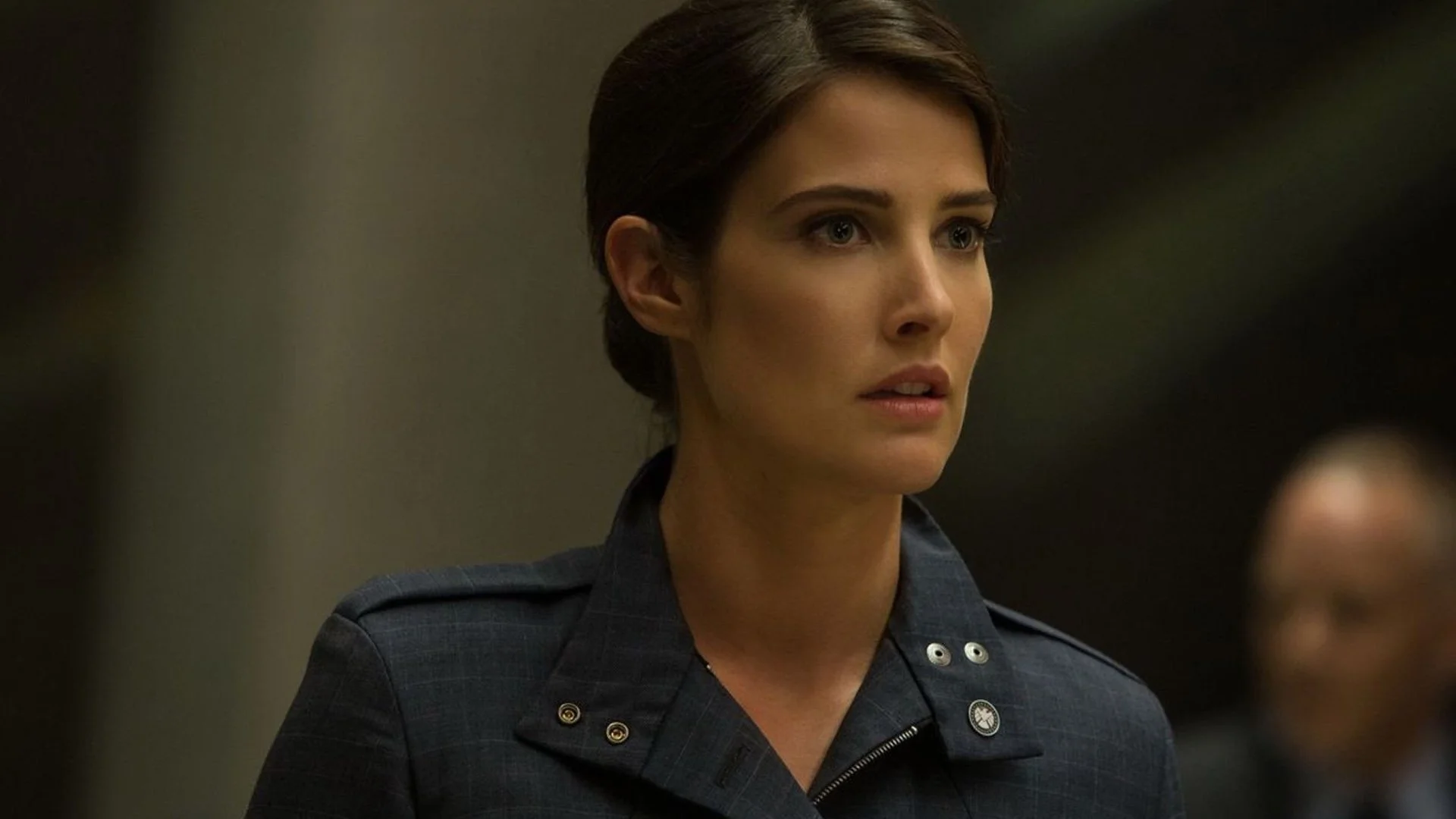
Why Cobie Smulders as Maria Hill Matters in the MCU
Cobie Smulders’ portrayal of Maria Hill provided a critical tether to reality within the Marvel Cinematic Universe, serving as the connective tissue between the high-concept superheroics of the Avengers and the grounded, bureaucratic l...
Cobie Smulders’ portrayal of Maria Hill provided a critical tether to reality within the Marvel Cinematic Universe, serving as the connective tissue between the high-concept superheroics of the Avengers and the grounded, bureaucratic logistics of global security. For over a decade, Smulders embodied the essential bridge between humanity and the superhuman.
Contents
The Architectural Importance of Maria Hill in S.H.I.E.L.D.
When Cobie Smulders first appeared as Commander Maria Hill in 2012’s The Avengers, the Marvel Cinematic Universe (MCU) was at a crossroads. It needed to transition from individual origin stories to a cohesive, interconnected world. Hill was the primary architect of that cohesion. While Nick Fury provided the vision and the mystery, Hill provided the execution. She was the one managing the bridge of the Helicarrier, coordinating the logistics of the "Avengers Initiative," and ensuring that the world's most powerful individuals didn't accidentally tear the planet apart before the Chitauri arrived.
Smulders’ performance was defined by a calculated restraint. In a world of billionaire playboys and Norse gods, Hill represented the professionalism of the modern intelligence community. Her presence mattered because it established that the MCU wasn't just a playground for caped crusaders; it was a world with rules, hierarchies, and consequences. Without Hill, S.H.I.E.L.D. would have felt like a hollow organization. With her, it felt like a legitimate global superpower.
Defining Competence: The Smulders Effect
One of the most significant reasons Cobie Smulders as Maria Hill mattered is the subversion of the "damsel" or "secretary" tropes often found in early comic book adaptations. Hill was never a love interest, nor was she someone who needed saving. From her tactical maneuvering during the Helicarrier attack to her deep-cover work in Captain America: The Winter Soldier, Smulders portrayed a character whose value was derived entirely from her competence.
Smulders brought a specific dry wit and a "no-nonsense" authority to the role that allowed her to stand toe-to-toe with characters like Tony Stark and Steve Rogers. When Stark made jokes, Hill’s lack of amusement wasn't a sign of being a "killjoy"; it was a reminder of the stakes. This dynamic was essential for the MCU’s "political thriller" era. In The Winter Soldier, her involvement in the rescue of Steve, Natasha, and Sam Wilson was the turning point that allowed the heroes to dismantle Hydra. She represented the "good" side of the intelligence apparatus—the part that remained loyal to the mission even when the institution itself had rotted.
The Bridge Between the Cinematic and the Episodic
As the MCU expanded into television, Maria Hill became one of the few characters to successfully bridge the gap between the blockbuster films and the experimental television landscape. Her appearances in Agents of S.H.I.E.L.D. were more than just cameos; they were narrative anchors that validated the show’s place within the wider canon.
By appearing in the pilot and subsequent key episodes, Smulders provided a sense of continuity that other characters could not. She was the face of the "New Normal" after the fall of S.H.I.E.L.D., transitioning from a high-ranking government official to a private security consultant for Stark Industries. This transition was vital for the audience’s understanding of how the world functioned after the status quo was shattered. It showed that the characters in this world had professional lives and career trajectories that continued even when the cameras weren't focused on a giant purple alien or an ancient artifact.
The Tactical Human in a World of Gods
In the context of the Infinity Saga and the subsequent Multiverse Saga, the "powerless" hero became an increasingly rare and valuable commodity. Maria Hill mattered because she proved that information and strategy were just as potent as super-soldier serum or repulsor rays.
Throughout her tenure, Hill was often the person asking the hard questions that the heroes ignored. In Avengers: Age of Ultron, she was the one tracking the global movements of the twins (Wanda and Pietro Maximoff) and managing the "cleanup" after the Avengers' destructive battles. This "logistical heroism" is a recurring theme in the MCU that often goes uncelebrated, but it is what makes the universe feel lived-in. Smulders played this role with a level of dedication that made the mundane aspects of superhero management feel as high-stakes as the combat itself.
Chronology of Maria Hill’s Impact Across MCU Phases
To understand why her role was so pivotal, one must look at the specific narrative functions she served across the different eras of the franchise.
| Project | Role/Function | Narrative Impact |
|---|---|---|
| The Avengers (2012) | Deputy Director of S.H.I.E.L.D. | Established the operational scale of S.H.I.E.L.D. and the logistics of the Helicarrier. |
| Captain America: The Winter Soldier (2014) | Tactical Support/Undercover Operative | Acted as the crucial link for the resistance against Hydra; transitioned the character to Stark Industries. |
| Avengers: Age of Ultron (2015) | Avengers Coordinator | Managed the team’s intelligence and civilian evacuation during the Battle of Sokovia. |
| Avengers: Infinity War (2018) | Intelligence Liaison | Represented the "humanity" affected by the Snap; her dusting signaled the total failure of Earth’s defenses. |
| Spider-Man: Far From Home (2019) | Skrull Deception (as Soren) | Explored the themes of trust and identity; showed how Hill’s reputation was used as a shield by others. |
| Secret Invasion (2023) | Veteran Operative | Served as the emotional catalyst for Nick Fury’s final arc and highlighted the personal cost of the "spy life." |
The Controversy of Secret Invasion and Its Legacy
By 2026, the discussion surrounding Maria Hill's exit from the MCU remains a focal point for fans and critics alike. In the opening episode of Secret Invasion, the decision to kill off Maria Hill was met with significant backlash. The reason this death mattered so much—and why it continues to be discussed—is because it felt like the end of an era for the "grounded" MCU.
Fans argued that Hill deserved a more substantial send-off, given her eleven-year history. However, from a narrative perspective, her death served a specific, albeit grim, purpose: it stripped Nick Fury of his last remaining anchor to the old world. Maria Hill was the only person Fury truly trusted. By removing her from the board, the MCU signaled that the "old guard" was officially gone, paving the way for a more chaotic, unpredictable geopolitical landscape in the Multiverse Saga.
The weight of her absence is felt in every subsequent intelligence-related plotline. Without Hill, the various intelligence agencies (like S.A.B.E.R. or the rebuilt S.H.I.E.L.D. remnants) feel more fragmented and less reliable. This highlights her true value: she was the stabilizer.
Why Smulders' Casting Was Perfect for the Long Game
Casting an actress of Cobie Smulders' caliber for what initially appeared to be a secondary role was a masterstroke by Marvel Studios. Smulders, coming off the massive success of How I Met Your Mother, brought a level of recognition and likability that ensured the audience cared about Maria Hill instantly.
Her ability to convey complex emotions through minimal dialogue was essential for a character whose job was to be stoic. Whether it was the look of weary realization when she saw the Helicarrier being hijacked or the subtle nod of respect to Captain America, Smulders added layers of internal life to a character that could have easily been a generic suit. This depth is what transformed Maria Hill from a comic book sidekick into a beloved cinematic icon. Her tenure reminds us that the MCU's strength has always been its "bench"—the supporting characters who make the world feel vast and real.
Frequently Asked Questions
Was Maria Hill a Skrull the whole time?
No. While it was revealed in Spider-Man: Far From Home that the Maria Hill seen in that specific film was the Skrull Soren (under Nick Fury's orders), the real Maria Hill was active throughout the Infinity Saga. The "real" Hill returned in Avengers: Endgame for Tony Stark's funeral and was the primary version of the character seen in Secret Invasion. The deception in Far From Home was a tactical choice made while the real Hill was likely assisting Fury on the S.A.B.E.R. station or managing other post-Blip crises.
Why did fans react so negatively to her death in Secret Invasion?
The backlash was primarily due to the "fridging" trope—the idea of killing a prominent female character solely to motivate a male protagonist (Nick Fury). Given that Cobie Smulders had played the character for over a decade and Hill had survived multiple global catastrophes, fans felt she deserved a more heroic or significant conclusion to her story than being killed in the first episode of a streaming series to raise the stakes for someone else.
Does Maria Hill have any superpowers in the comics?
In the Marvel Comics source material, Maria Hill does not have superpowers. Much like her MCU counterpart, she is a highly trained human soldier and master tactician. At various points, she has served as the Director of S.H.I.E.L.D., often taking a much more antagonistic or morally gray stance against the Avengers than her cinematic version. Her MCU portrayal is generally considered more sympathetic and loyal to the heroes.
What was Maria Hill’s rank at the end of her career?
In the early films, she was the Deputy Director of S.H.I.E.L.D., second only to Nick Fury. Following the events of The Winter Soldier, she moved into the private sector at Stark Industries to protect herself from legal prosecution following S.H.I.E.L.D.’s collapse. By the time of the later films and Secret Invasion, she functioned as a high-level independent operative and Fury's most trusted advisor, essentially operating outside of a formal military rank but maintaining "Director-level" authority within their private network.
Will Cobie Smulders ever return to the MCU?
While the character died in Secret Invasion, the MCU’s shift toward multiverse narratives and flashbacks means a return is always technically possible. However, as of 2026, the focus has shifted toward a new generation of intelligence officers. If Smulders does return, it would likely be in a prequel capacity or as a variant from another timeline, though no official projects have been confirmed.
Practical Recommendation for Fans
For those looking to fully appreciate Maria Hill’s narrative arc, it is recommended to watch her appearances chronologically, including her episodes in Agents of S.H.I.E.L.D. (specifically the Pilot and "Nothing Personal"). This provides a much clearer picture of how she navigated the transition from a government official to a rogue operative. To understand her impact on the fan community, viewing the post-Secret Invasion retrospective documentaries on Disney+ offers valuable insight into Cobie Smulders' dedication to the role over her eleven-year journey.
Image Gallery