How to Apply for Free Health Insurance in 2026: A Complete Guide to Medicaid and Subsidized Coverage
To apply for free health insurance, you must determine your eligibility for Medicaid or the Children’s Health Insurance Program (CHIP) via your state’s health department or HealthCare.gov. Eligibility is primarily based on household in...
To apply for free health insurance, you must determine your eligibility for Medicaid or the Children’s Health Insurance Program (CHIP) via your state’s health department or HealthCare.gov. Eligibility is primarily based on household income, size, and residency. Applications are accepted year-round, and most qualifying individuals can complete the process online within minutes.
Contents
Obtaining comprehensive health coverage without a monthly premium is a vital safety net for millions of Americans. As of 2026, the landscape of public health assistance remains centered on the Affordable Care Act (ACA), Medicaid expansion, and state-specific programs. Understanding the nuances of these systems is the first step toward securing the medical services you and your family need without incurring debt. This guide details the pathways to zero-cost insurance, the documentation required, and the specific steps to ensure your application is successful.
Understanding the Primary Programs for Free Health Insurance
When people speak of "free" health insurance, they are typically referring to three distinct mechanisms within the United States healthcare system. Each has its own set of rules, funding structures, and target demographics. It is essential to identify which category you fall into before beginning the application process.
Medicaid
Medicaid is a joint federal and state program that provides health coverage to some low-income people, families and children, pregnant women, the elderly, and people with disabilities. In states that have opted for Medicaid expansion under the ACA, eligibility is extended to nearly all adults with incomes up to 138% of the Federal Poverty Level (FPL). Because Medicaid is administered at the state level, the specific benefits and name of the program (such as Medi-Cal in California or TennCare in Tennessee) may vary, but the core mandate remains the same: providing essential health benefits at little to no cost.
Children’s Health Insurance Program (CHIP)
CHIP provides low-cost health coverage to children in families that earn too much money to qualify for Medicaid but not enough to buy private insurance. In many states, CHIP is effectively free for the lowest income brackets within the program. It covers routine check-ups, immunizations, doctor visits, prescriptions, dental and vision care, inpatient and outpatient hospital care, laboratory and X-ray services, and emergency services.
ACA Marketplace Subsidies ($0 Premium Plans)
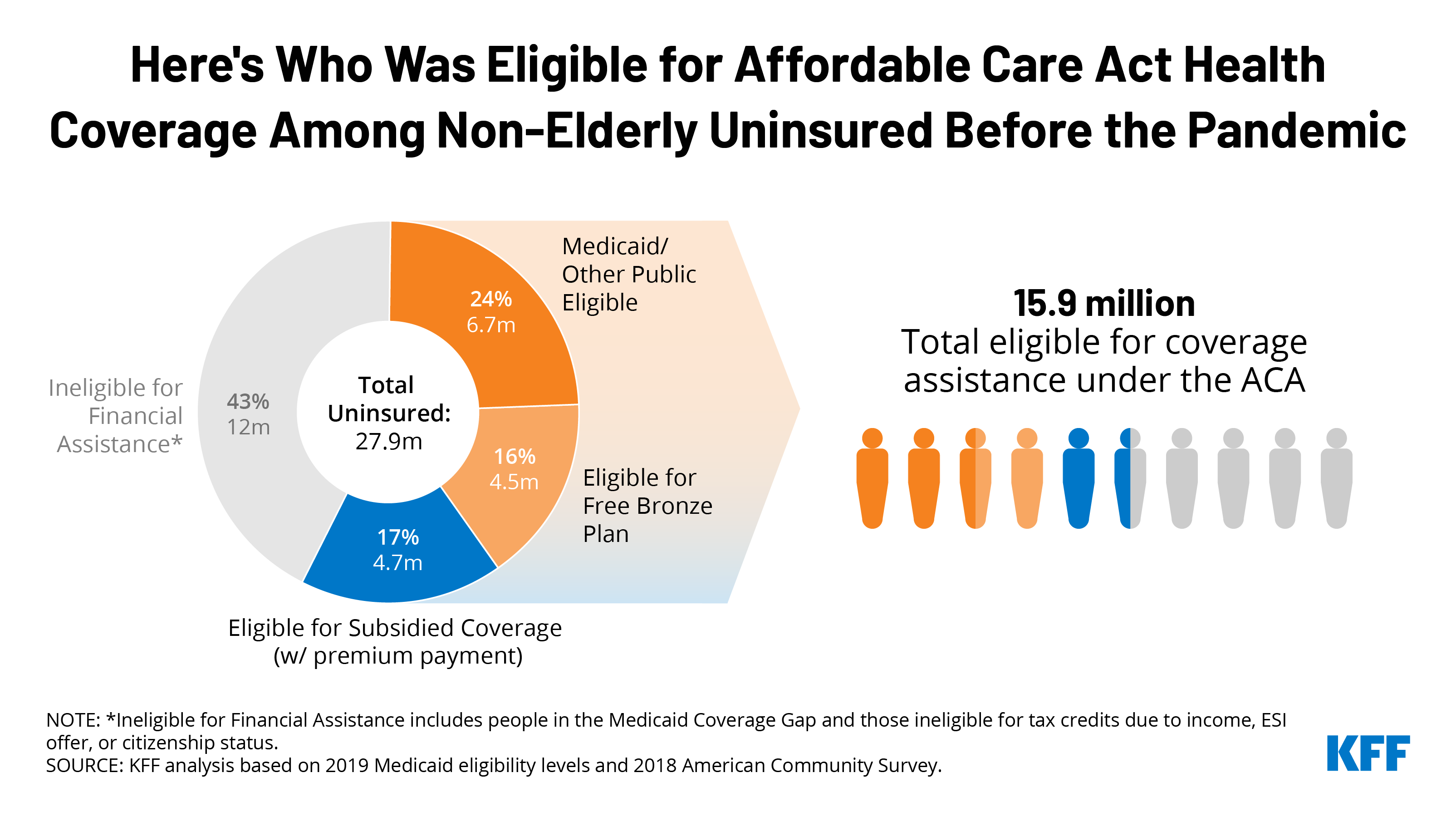
For those who do not qualify for Medicaid because their income is slightly too high, the Health Insurance Marketplace offers Premium Tax Credits (PTCs). In 2026, many individuals and families earning between 100% and 150% of the FPL qualify for "Silver" plans with a $0 monthly premium. While these are technically private insurance plans, the government pays the entire premium directly to the insurance company, effectively making the insurance free for the enrollee.
Eligibility Requirements for 2026
Eligibility for free health insurance is not universal; it is highly contingent on your financial situation and your state of residence. The 2026 guidelines continue to use the Federal Poverty Level as the primary benchmark.
Income Limits and Household Size
The most critical factor is your Modified Adjusted Gross Income (MAGI). This figure includes your adjusted gross income from your tax return plus any tax-exempt interest and foreign earned income.
- For Medicaid Expansion States: Generally, if your household income is below 138% of the FPL, you qualify. For a single individual in 2026, this threshold typically sits around $21,000 to $22,000 annually, though these numbers are updated annually by the Department of Health and Human Services.
- For Non-Expansion States: Eligibility is much stricter. You often must be low-income and meet another criterion, such as being a parent, pregnant, or having a documented disability.
Residency and Citizenship
To receive free health insurance through state or federal programs, you must be a resident of the state in which you are applying. Furthermore, you must be a U.S. citizen or have a "qualified non-citizen" status (such as lawful permanent residency, often referred to as holding a Green Card). Some states have implemented state-funded programs to provide coverage to immigrants who do not meet federal "qualified" status, particularly for children and pregnant individuals.
Categorical Eligibility
Certain life circumstances grant eligibility regardless of the standard income brackets. These include:
- Pregnancy: Income limits are often higher for pregnant individuals to ensure prenatal care.
- Disability: Individuals receiving Supplemental Security Income (SSI) are often automatically eligible for Medicaid.
- Foster Care: Young adults who were in foster care at age 18 are eligible for Medicaid until they turn 26, regardless of income.
Essential Documentation for the Application
Before starting your application, gathering the necessary documentation will prevent delays or technical "pends" where the state pauses your application to wait for more information.
| Document Category | Examples of Acceptable Evidence |
|---|---|
| Proof of Identity | Driver’s license, U.S. passport, or state-issued ID card. |
| Citizenship/Immigration | Birth certificate, Social Security card, or Green Card (I-551). |
| Proof of Income | Recent pay stubs (last 30 days), W-2 forms, or a signed letter from an employer. |
| Self-Employment | Most recent federal tax return or a detailed profit and loss statement. |
| Proof of Residency | Utility bill, lease agreement, or mortgage statement in your name. |
| Other Insurance | Information about any job-based insurance available to your household. |
Step-by-Step Guide to Applying for Free Health Insurance
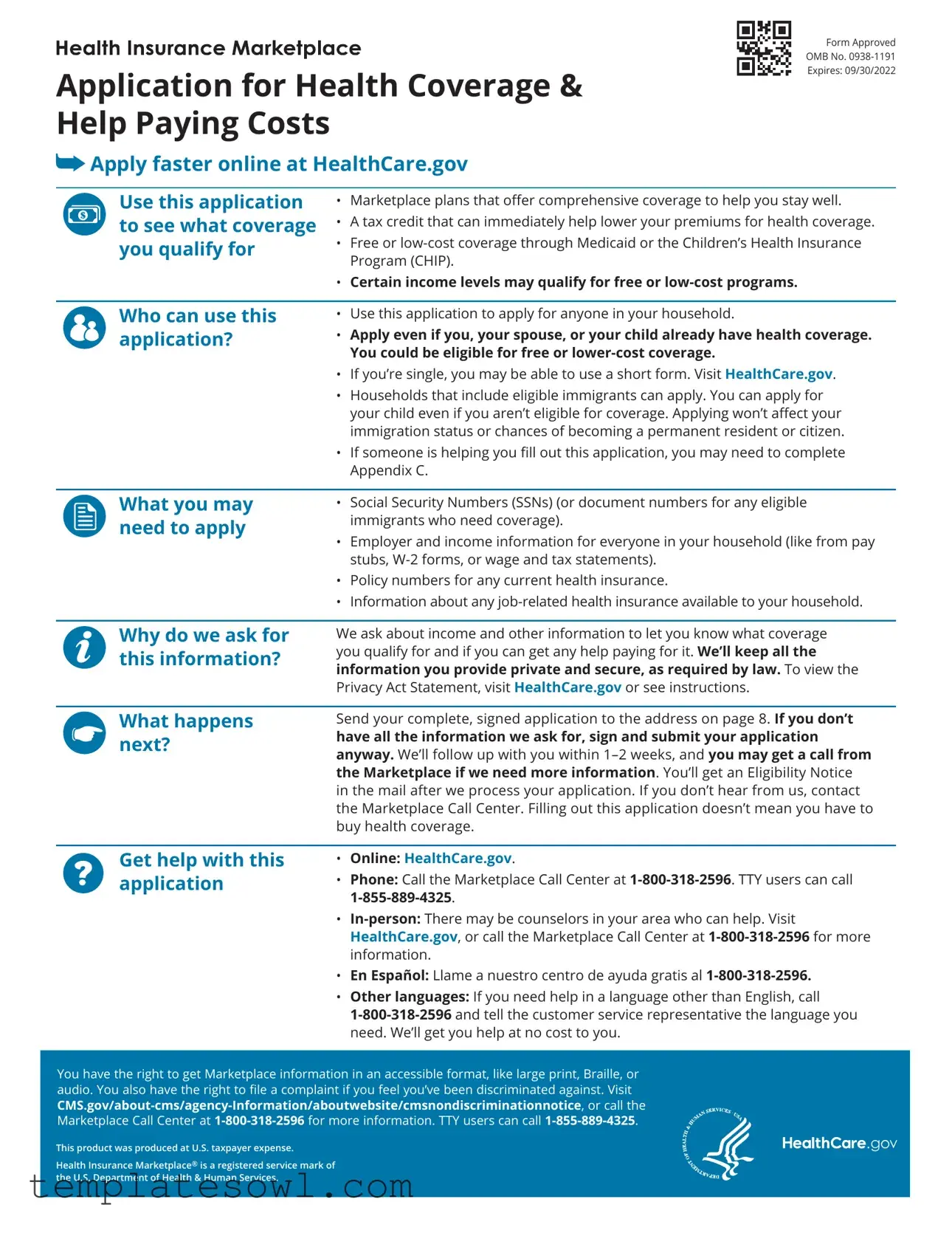
The application process is designed to be a "no wrong door" experience. This means that if you apply on the federal Marketplace but qualify for Medicaid, your information will be transferred to the correct agency automatically.
Step 1: Visit HealthCare.gov or Your State Exchange
Start at the federal portal, HealthCare.gov. If your state runs its own exchange (like Washington, New York, or Massachusetts), the site will redirect you to the appropriate state-specific website. Using the official government portal ensures you are screened for all possible savings.
Step 2: Create a User Account
You will need a valid email address to set up an account. This account allows you to save your progress, upload documents, and receive digital notices regarding your eligibility. Ensure your password is secure, as this portal contains sensitive financial and medical data.
Step 3: Complete the Household Profile
Enter details for everyone living in your home, even if they do not need insurance. The system calculates eligibility based on the total household size and the combined income of everyone required to file a tax return. Be precise about your projected income for 2026; underestimating income could lead to a requirement to pay back subsidies during tax season, while overestimating could cause you to miss out on free coverage.
Step 4: Review Your Eligibility Results
Once the application is submitted, you will receive an Eligibility Determination Notice (EDN). This document will state clearly whether you qualify for Medicaid, CHIP, or a subsidized Marketplace plan.
- If you qualify for Medicaid or CHIP, the state agency will contact you to complete enrollment and choose a managed care plan.
- If you qualify for Marketplace Subsidies, you will proceed to "Plan Selection" to choose a $0 premium plan.
Step 5: Select a Plan (If Applicable)
If you are eligible for a subsidized Silver plan, compare the available options. Look closely at the "Summary of Benefits and Coverage" for each plan. Even if the premium is $0, check the deductible and out-of-pocket maximums. Many plans for low-income earners include "Cost-Sharing Reductions" (CSRs), which lower the amount you pay for doctor visits and prescriptions.
Common Obstacles and How to Troubleshoot Them
Even with a streamlined process, applicants often encounter hurdles that can stall their coverage.
The "Medicaid Gap"
In states that have not expanded Medicaid, some adults find themselves in the "gap": they earn too much for traditional Medicaid but too little to qualify for Marketplace subsidies (which generally start at 100% FPL). If you fall into this gap, look for local "Safety Net" clinics or "Federally Qualified Health Centers" (FQHCs) that provide care on a sliding scale based on income.
Income Volatility
If your income fluctuates—common for freelancers or seasonal workers—reporting your income can be difficult. In 2026, the best practice is to provide your best estimate and update the Marketplace or Medicaid office within 30 days of any significant change. Failure to report an increase in income can lead to a "clawback" of tax credits, while failing to report a decrease might mean you are paying for insurance you should be getting for free.
Verifying Identity Online
The identity verification process (often handled by services like Experian or ID.me) sometimes fails if you have a limited credit history or have recently moved. If the system cannot verify you online, you will be prompted to upload copies of your ID. Do this immediately, as you typically only have a 10-to-90-day window to provide proof before your application is discarded.
Frequently Asked Questions
Can I apply for free health insurance outside of the Open Enrollment Period?
Yes. Medicaid and CHIP enrollment is open year-round. You do not need a special reason to apply. However, for Marketplace $0 premium plans, you typically must apply during the Open Enrollment Period (usually November to January) unless you have a Qualifying Life Event, such as losing other coverage, getting married, or having a baby.
Does "free" mean I never pay for anything?
Not necessarily. While a $0 premium means you don't pay a monthly bill to keep the insurance active, you may still have co-payments or a deductible depending on the plan. Medicaid generally has the lowest out-of-pocket costs, often charging $0 to $5 for prescriptions or office visits. Subsidized Marketplace plans may have higher cost-sharing requirements unless you qualify for Cost-Sharing Reductions.
Is my doctor required to accept Medicaid?
No. Private physicians choose whether to participate in Medicaid networks. However, most large hospital systems and community health centers accept Medicaid. When you are enrolled in a Medicaid Managed Care plan, you will receive a provider directory listing all doctors and facilities in your network.
What happens if my income increases mid-year?
You are required to report income changes to the Marketplace or your state Medicaid agency. If your income rises above the Medicaid limit, you will be given a Special Enrollment Period to transition to a Marketplace plan, where you may still qualify for significant subsidies.
Can I get free health insurance if my employer offers a plan?
Generally, no. If your employer offers a plan that is considered "affordable" (costing less than a certain percentage of your household income) and meets "minimum value" standards, you are ineligible for Marketplace subsidies. However, you can still qualify for Medicaid if your income is low enough, regardless of your employer's offerings.
Final Recommendation for 2026 Applicants
The most effective way to secure free health insurance is to apply as early as possible through HealthCare.gov. Even if you are unsure of your exact eligibility, the system is designed to route you to the program that fits your financial profile. Gather your 2025 tax information and current pay stubs before starting to ensure the process is seamless. If you encounter difficulties, utilize the "Find Local Help" feature on the Marketplace website to connect with a certified navigator or agent who can assist you at no cost.
Image Gallery