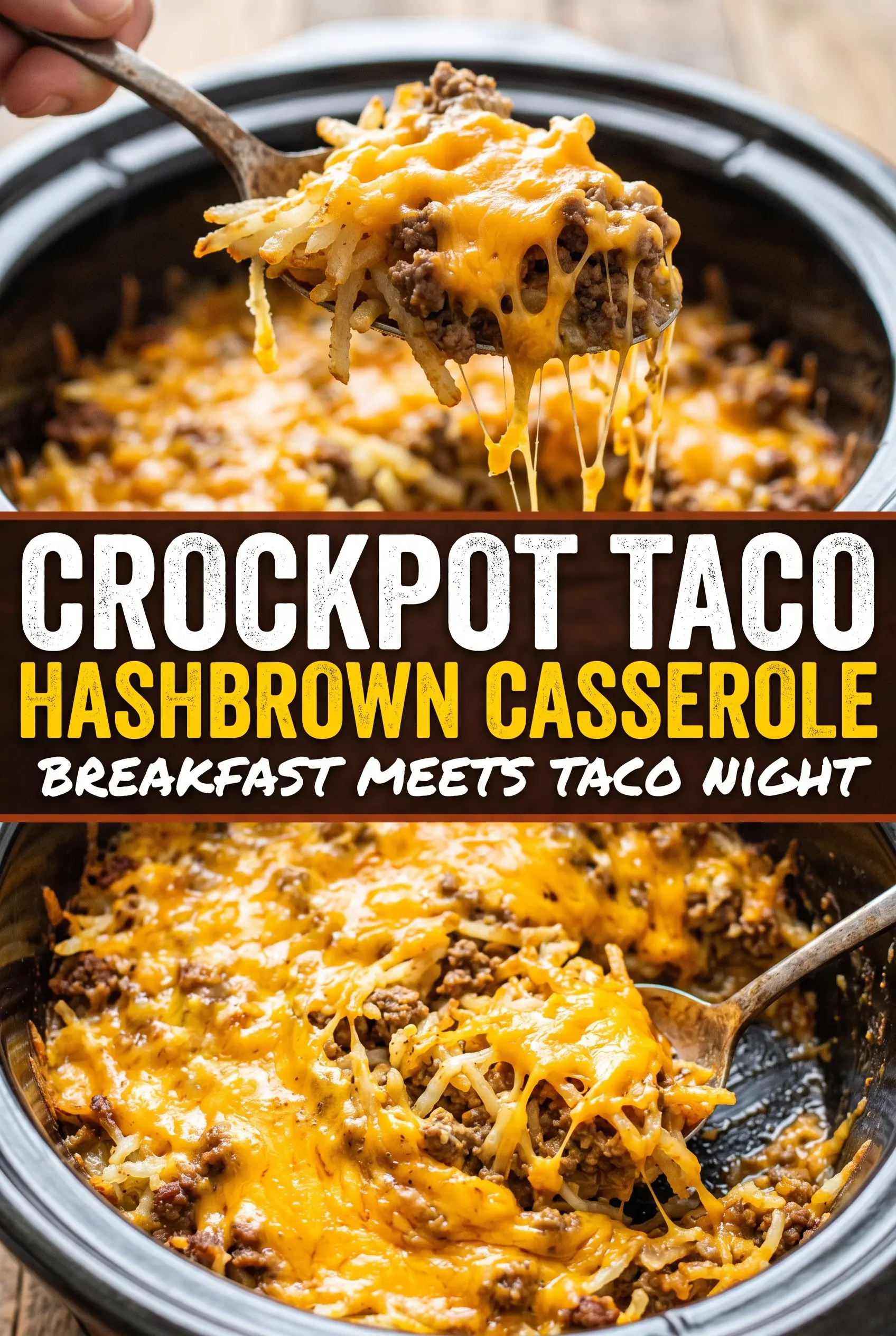
How to Make Cheesy Hashbrown Casserole in a Slow Cooker
Creating a creamy, golden cheesy hashbrown casserole in a slow cooker is a straightforward process that relies on layering frozen potatoes with a rich mixture of condensed soup, sour cream, and shredded cheese. By utilizing the gentle,...
Creating a creamy, golden cheesy hashbrown casserole in a slow cooker is a straightforward process that relies on layering frozen potatoes with a rich mixture of condensed soup, sour cream, and shredded cheese. By utilizing the gentle, consistent heat of a slow cooker, you can achieve a tender texture without the need for constant oven monitoring.
Contents
Understanding the Slow Cooker Method
The primary advantage of using a slow cooker for this classic comfort dish is moisture retention. Unlike an oven, which circulates dry heat that can occasionally crisp the top edges prematurely or dry out the potatoes, a slow cooker creates a humid environment. This ensures that the frozen hashbrowns—typically the shredded or cubed variety—thaw and cook through simultaneously while absorbing the savory liquid base.
When preparing this dish, consider the size of your slow cooker. A standard 6-quart model is ideal for a full batch, allowing enough surface area for the cheese to melt uniformly. If you use a smaller unit, ensure you do not fill it beyond three-quarters of its capacity to allow for proper heat distribution and to prevent the cheese from boiling over the sides.
Necessary Ingredients and Preparation
Success begins with selecting the right components. While recipes vary, the foundation of a reliable cheesy hashbrown casserole remains consistent across culinary standards.
- Hashbrowns: You may use frozen shredded or diced potatoes. Ensure they are partially thawed if you are in a time crunch, though cooking from frozen is perfectly acceptable in a slow cooker, provided you adjust the time.
- Binder: A base of condensed cream of chicken or cream of mushroom soup provides the necessary thickening agent.
- Dairy: Sour cream adds the essential tang and creaminess, while melted butter contributes to the richness of the dish.
- Cheese: Sharp cheddar is the industry standard for flavor, but a blend of Colby Jack or mild cheddar works well for a smoother melt.
- Aromatics: Dehydrated or fresh minced onions provide depth.
Before adding ingredients to the ceramic insert, it is advisable to whisk the soup, sour cream, melted butter, onions, and half of your shredded cheese in a separate bowl. This step ensures that the flavor profile is uniform throughout the casserole, preventing "pockets" of unseasoned potato.
Step-by-Step Cooking Process
To achieve the best results, follow this systematic approach to layering and timing:
- Prep the Insert: Lightly grease the interior of the slow cooker with non-stick cooking spray or a thin layer of butter to prevent sticking, which is especially important as the cheese begins to bubble.
- Combine the Base: Mix your liquid ingredients (soup, sour cream, seasonings) in a large bowl.
- Incorporate Potatoes: Add the frozen hashbrowns to the bowl and stir until every strand or cube is thoroughly coated with the cream mixture.
- Layering: Transfer the mixture into the slow cooker. Smooth the top with a spatula to create an even surface.
- Initial Cook: Cover and cook on "Low" for 4 to 6 hours or "High" for 2 to 3 hours.
- Final Addition: Approximately 30 minutes before serving, sprinkle the remaining portion of cheese over the top. Recover and allow the heat to melt the cheese until it reaches a bubbly, molten consistency.
Comparison of Cooking Methods
Understanding how the slow cooker compares to traditional oven methods can help you adjust your expectations regarding texture and finish.
| Feature | Slow Cooker Method | Oven-Baked Method |
|---|---|---|
| Texture | Uniformly tender and creamy | Crisp edges and browned top |
| Moisture | High (Steam-based) | Low (Dry heat-based) |
| Active Time | Minimal (Prep only) | Moderate (Requires preheating/monitoring) |
| Convenience | Excellent for transport/buffets | Best for immediate serving |
Troubleshooting Common Issues
Even with a simple recipe, minor technical issues can arise during the cooking process.
- Excess Liquid: If the casserole appears too soupy after the recommended cook time, remove the lid for the final 20 minutes of the "High" setting. This allows steam to escape and thickens the sauce.
- Sticking: If your slow cooker has a tendency to scorch, ensure the heat is on "Low" for the duration of the cooking cycle. High heat is only recommended if you are pressed for time, as it increases the risk of burning the edges.
- Flavor Intensity: Since slow cookers can sometimes mellow out intense flavors over long durations, ensure you season the potato mixture adequately with salt, pepper, and garlic powder before it enters the appliance.
Nutritional and Safety Considerations
When preparing dishes involving dairy and meat-based soups, food safety is paramount. The internal temperature of the casserole should reach at least 165°F (74°C) to ensure it is safe for consumption. If you are serving this at a 2026 potluck or community gathering, remember that a slow cooker on the "Warm" setting is specifically designed to maintain this safety threshold for up to two hours. Always avoid "Cold Starts," where the ingredients are refrigerated or frozen for too long before the appliance reaches active cooking temperature.
Expert Tips for Variations
To elevate the basic recipe, consider these culinary adjustments:
- Texture Contrast: For a bit of crunch without using an oven, you can stir in crushed cornflakes or panko breadcrumbs mixed with melted butter in the final 15 minutes of cooking.
- Protein Additions: Diced ham or crispy bacon bits can be folded into the mixture for a more substantial meal, perfect for breakfast or brunch.
- Spiciness: Add chopped jalapeños or a dash of cayenne pepper if you prefer a subtle kick to contrast the heavy, savory notes of the cheese and potatoes.
Frequently Asked Questions
Can I use fresh potatoes instead of frozen hashbrowns? Yes, but they must be parboiled or shredded very thinly. Fresh, raw potatoes take significantly longer to cook than pre-processed frozen versions and may release excess starch, which can result in a gummy texture.
Is it necessary to thaw the hashbrowns before putting them in the slow cooker? No. Most frozen hashbrowns are designed to be cooked directly from the bag. Thawing them beforehand can lead to extra water accumulation in the slow cooker, which may thin out your sauce.
What is the best cheese to use for a smooth melt? Shred your cheese from a block rather than using pre-shredded bagged cheese. Bagged cheese is coated in cellulose or potato starch to prevent clumping, which can hinder the emulsification process and result in a grainy texture.
Can I prepare this ahead of time? You can assemble the mixture the night before and store it in the refrigerator. However, ensure the insert comes to room temperature for 15–20 minutes before placing it into the slow cooker base to prevent the ceramic from cracking due to sudden thermal shock.
How do I prevent the casserole from becoming too salty? Many condensed soups are high in sodium. Start by using low-sodium soup options and refrain from adding extra salt until the very end, once you have tasted the finished dish.
Recommendation
For the best results in 2026, prioritize using freshly shredded block cheese and keep the lid closed during the cooking process. Opening the lid frequently releases vital heat and moisture, significantly increasing your cooking time and potentially drying out the edges. If you desire a browned top, you can carefully transfer the finished casserole to an oven-safe dish and broil it for 2–3 minutes after the slow cooking process is complete.
Image Gallery