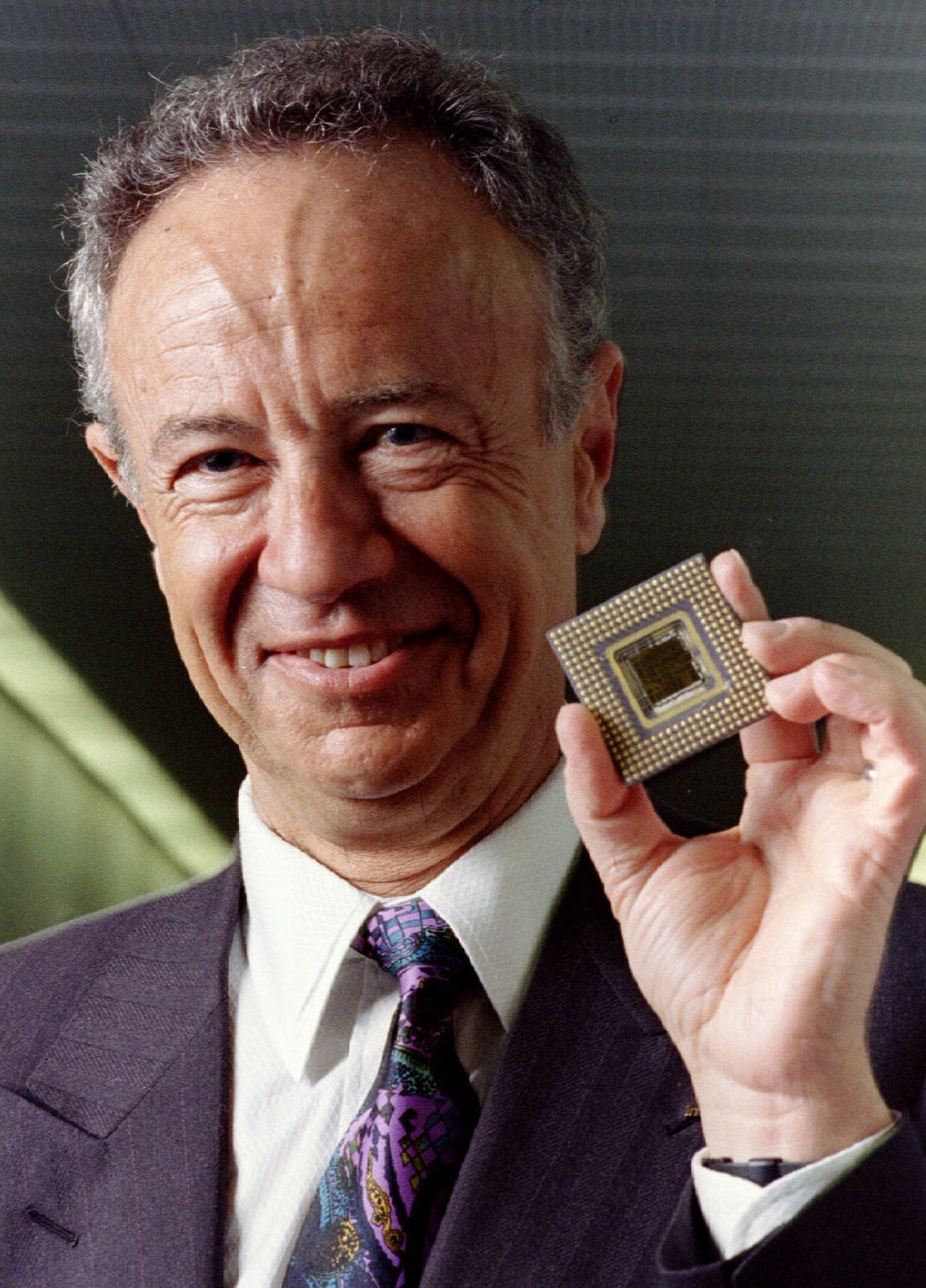
Andrew Grove Net Worth: The Final Figure and Financial Legacy
At the time of his passing in 2016, Andrew Grove—the transformative CEO and chairman of Intel Corporation—possessed an estimated net worth of approximately $1 billion. While his wealth fluctuated significantly during his tenure due to...
At the time of his passing in 2016, Andrew Grove—the transformative CEO and chairman of Intel Corporation—possessed an estimated net worth of approximately $1 billion. While his wealth fluctuated significantly during his tenure due to stock market volatility and his strategic divestment of Intel shares, this final figure reflects his status as one of the most influential technology executives in modern history.
Contents
Andrew Grove, born András István Gróf in Budapest, Hungary, in 1936, remains a foundational figure in the development of the silicon chip and the personal computing era. His financial trajectory was inexorably linked to the rise of Intel Corporation, the company he helped found in 1968 alongside Robert Noyce and Gordon Moore. To understand his net worth, one must look beyond a simple dollar amount and examine the mechanics of his compensation, his investment philosophy, and his strategic role in building one of the world's most valuable semiconductor companies.
The Foundation of Wealth: Intel Stock and Equity Compensation
Unlike modern tech founders who often start with massive equity stakes that reach valuations in the billions early on, Andrew Grove’s wealth accumulation was a multi-decade process. As an early employee (he joined Intel as its third employee and first director of engineering), his primary vehicle for wealth generation was the company’s stock.
During the 1970s and 1980s, Grove focused on technical operations, steering Intel through the pivot from memory chips to microprocessors. His compensation structure was heavily weighted toward stock options. As Intel became the standard-bearer for the PC revolution—supplying the "Intel Inside" processors that powered millions of computers—the value of his holdings grew exponentially.
By the time he served as CEO from 1987 to 1998, Grove was one of the highest-paid executives in the United States. However, he was also a consistent seller of his own company's stock. Financial disclosure records from his time at the helm indicate that he regularly exercised options and sold shares, not necessarily as a vote of no confidence in the firm, but as a deliberate strategy of financial diversification and philanthropy.
Market Volatility and the Dot-Com Era
The peak of Grove’s paper wealth likely occurred during the height of the Dot-Com boom in the late 1990s. At that time, Intel’s stock valuation reached levels that made Grove one of the wealthiest individuals in the technology sector. However, the subsequent market corrections in the early 2000s, coupled with his philanthropic efforts, altered his net worth profile significantly.
It is a common misconception that corporate titans maintain the entirety of their wealth in the stocks of the companies they led. In Grove's case, as he transitioned into the role of Chairman and eventually Chairman Emeritus, his financial advisor structure favored institutional investments, bonds, and diversified portfolios. This transition was essential for a man who famously stated that "only the paranoid survive"—a management philosophy he applied to his personal finances as much as his business strategy.
Philanthropy and the Impact on Final Net Worth
A critical component in calculating the final figure of Andrew Grove’s wealth is the massive redirection of funds toward his charitable interests. Grove was not merely a passive donor; he was a strategic philanthropist. Throughout his later years, he channeled significant portions of his assets into medical research and education.
Notably, he was a major benefactor to the Grove Foundation, which funded research into Parkinson’s disease and prostate cancer, as well as educational initiatives. When analyzing his "final" net worth, it is essential to recognize that assets moved into these philanthropic trusts are no longer counted in the personal net worth of the individual. His dedication to these causes meant that his personal liquid wealth was often lower than his market-peak valuations would suggest, as he prioritized impact over the accumulation of a static fortune.
Comparing Executive Compensation in the Silicon Valley Era
To contextualize Grove's financial standing, it is helpful to look at how his compensation compared to other leaders of his era.
| Executive | Era of Prominence | Primary Wealth Source | Compensation Style |
|---|---|---|---|
| Andrew Grove | 1980s–1990s | Intel Equity/Options | Stock-Heavy, Moderate Base |
| Steve Jobs | 1990s–2010s | Apple/Pixar Equity | Nominal Salary/Stock Grants |
| Bill Gates | 1980s–2000s | Microsoft Equity | Massive Early Equity Stake |
| Larry Ellison | 1990s–2020s | Oracle Equity | Aggressive Option Exercising |
As the table shows, Grove’s wealth was built on the maturation of the semiconductor industry. While leaders like Bill Gates retained massive percentages of their company, Grove’s financial journey was more aligned with the traditional professional executive—managing a massive company he helped build, rather than holding a majority ownership position from day one.
Understanding the "Final Figure" Discrepancy
When financial publications report on the net worth of deceased public figures, there is often a discrepancy between estate valuations and estimated public wealth. For Grove, the estimate of $1 billion is a conservative calculation based on:
- SEC Filings: His public trading records during his time at Intel.
- Asset Diversification: Known investments in real estate and private equity vehicles.
- Tax and Philanthropic Reductions: Estimated outflows into trust structures and charitable organizations before his death.
It is important to note that estate taxes, legal fees, and the private nature of his secondary investments make an exact, to-the-penny net worth figure impossible for the public to verify. The $1 billion estimate serves as an informed proxy for his accumulated lifetime earnings and the value of his diversified assets at the time of his passing.
Strategic Lessons from a Financial Perspective
If there is a lesson to be drawn from Andrew Grove’s financial history, it is the effectiveness of disciplined divestment. Grove managed his risk by not remaining over-exposed to Intel stock during his retirement. Many tech executives have seen their net worths plummet by failing to diversify early enough. Grove’s approach to his personal finances mirrored his approach to business—identifying when a strategy had run its course and adjusting to ensure long-term stability rather than short-term gains.
Frequently Asked Questions
Did Andrew Grove own a majority share of Intel? No. At no point in Intel's history did Andrew Grove own a majority share of the company. Like his co-founders, his influence was derived from his leadership position and his significant, yet minority, equity stake in the firm.
Was his wealth entirely in Intel stock? No. While Intel stock was the catalyst for his wealth, Grove utilized professional wealth management to diversify his portfolio into bonds, real estate, and other public market investments, especially after stepping down as CEO.
How did his philanthropic donations affect his net worth? His donations were significant and structured. By moving assets into his foundations, those funds were removed from his personal balance sheet, which is why his final net worth at death does not reflect the total value of all the compensation he earned throughout his career.
Is the $1 billion figure adjusted for 2026 dollars? The figure of approximately $1 billion is a historical estimate based on his wealth at the time of his death in 2016. It is not adjusted for inflation or subsequent market performance of his estate’s assets.
Where can one find official records of his compensation? Official records of his compensation while at Intel are available through archived United States Securities and Exchange Commission (SEC) filings, specifically Proxy Statements (DEF 14A forms) issued by Intel Corporation throughout the 1990s.
Conclusion and Next Steps
Andrew Grove’s net worth reflects a life of disciplined building rather than sudden, speculative gain. For those studying his career, his financial legacy is best viewed as a testament to the growth of the semiconductor industry and the shift toward professional, equity-based executive compensation. If you are conducting further research on his leadership style or business philosophy, it is recommended to consult his seminal books, such as Only the Paranoid Survive and High Output Management, which provide the context behind the decisions that eventually led to his financial success.
Image Gallery