Jonathan Bailey’s Jurassic Park Memory and Its Cultural Resonance
Jonathan Bailey’s recounting of a deeply personal childhood memory involving the original Jurassic Park offers a fascinating look at how blockbuster cinema imprints on actors long before they enter the industry. While Bailey is widely...
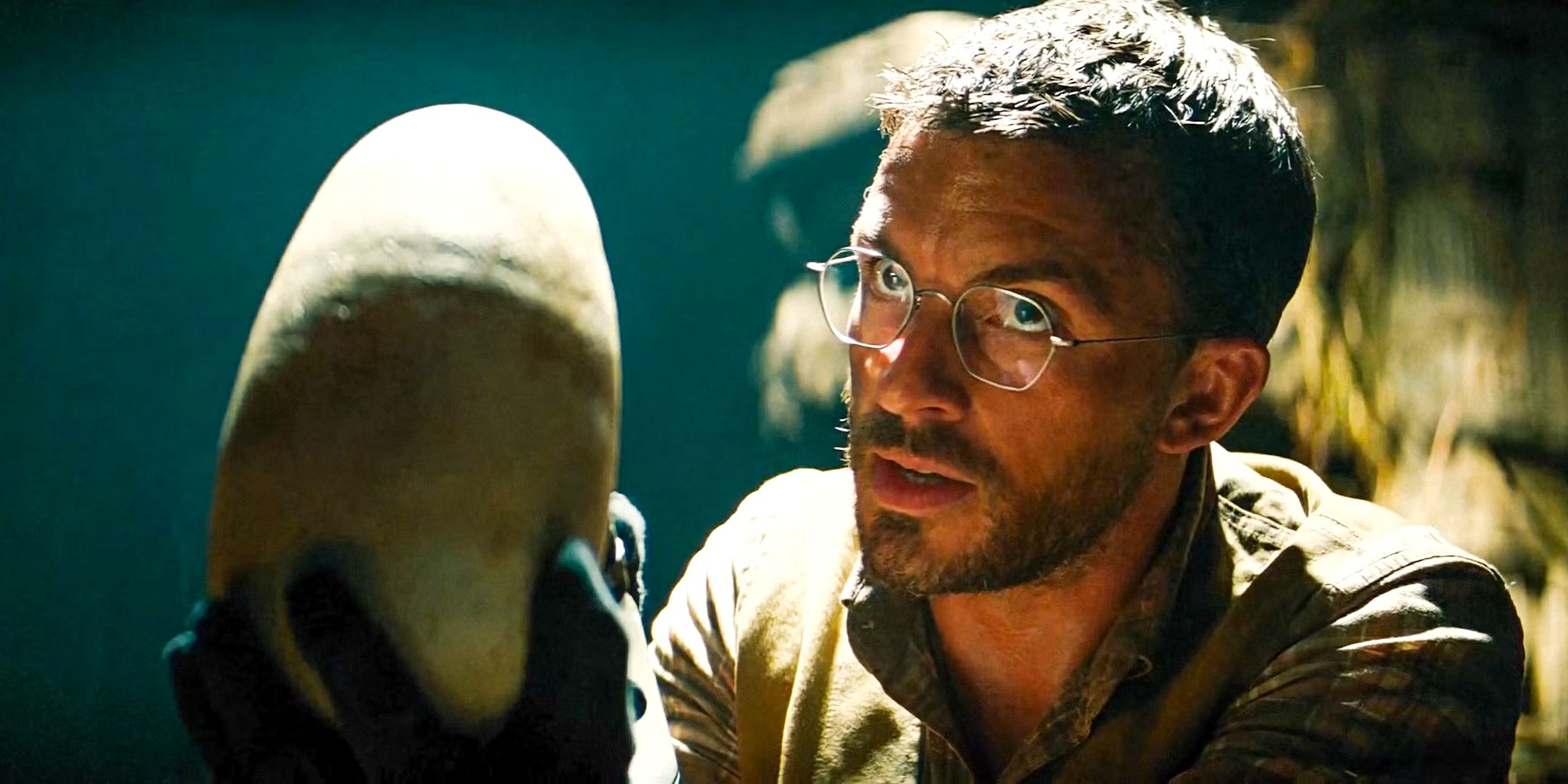
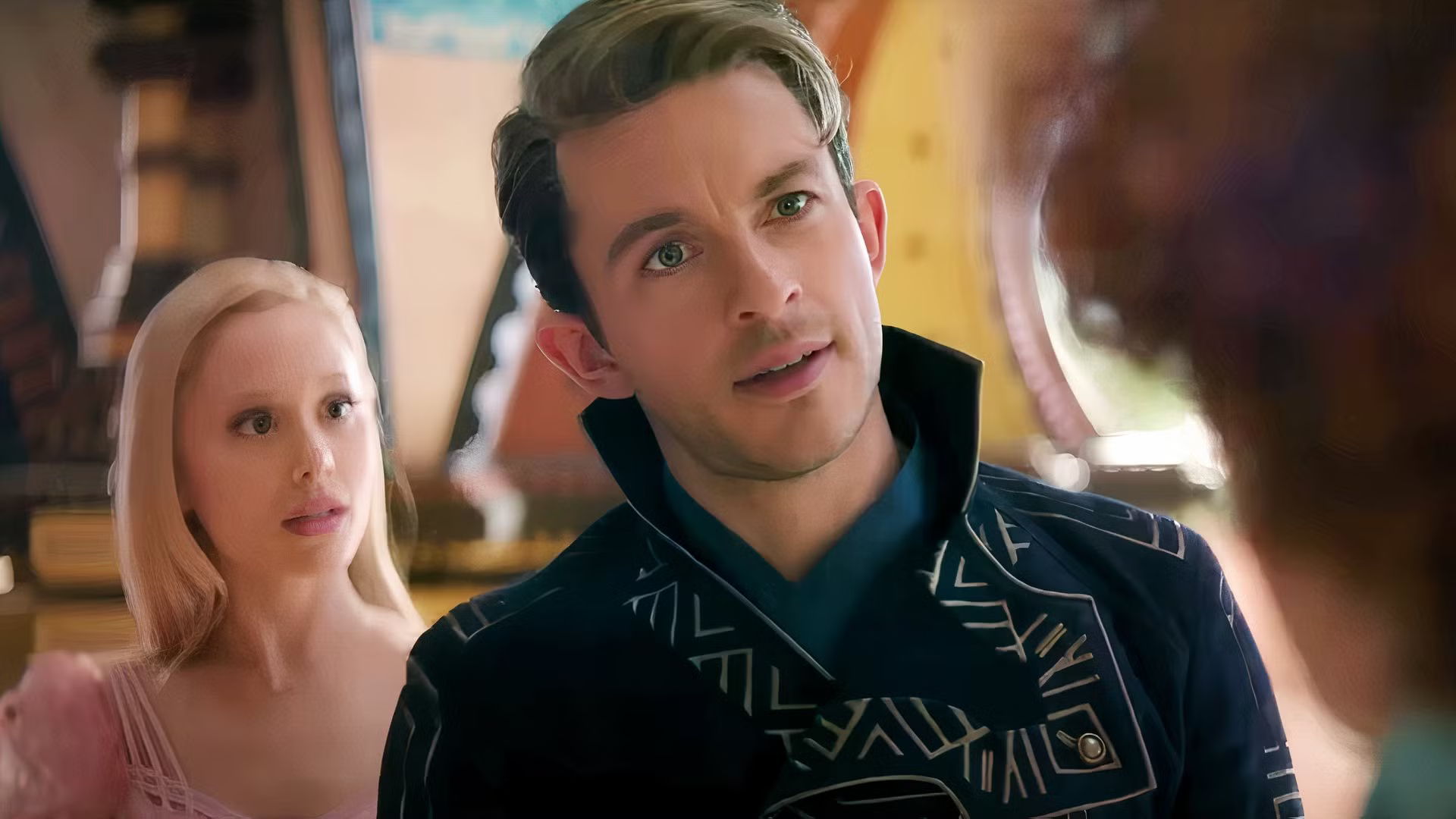
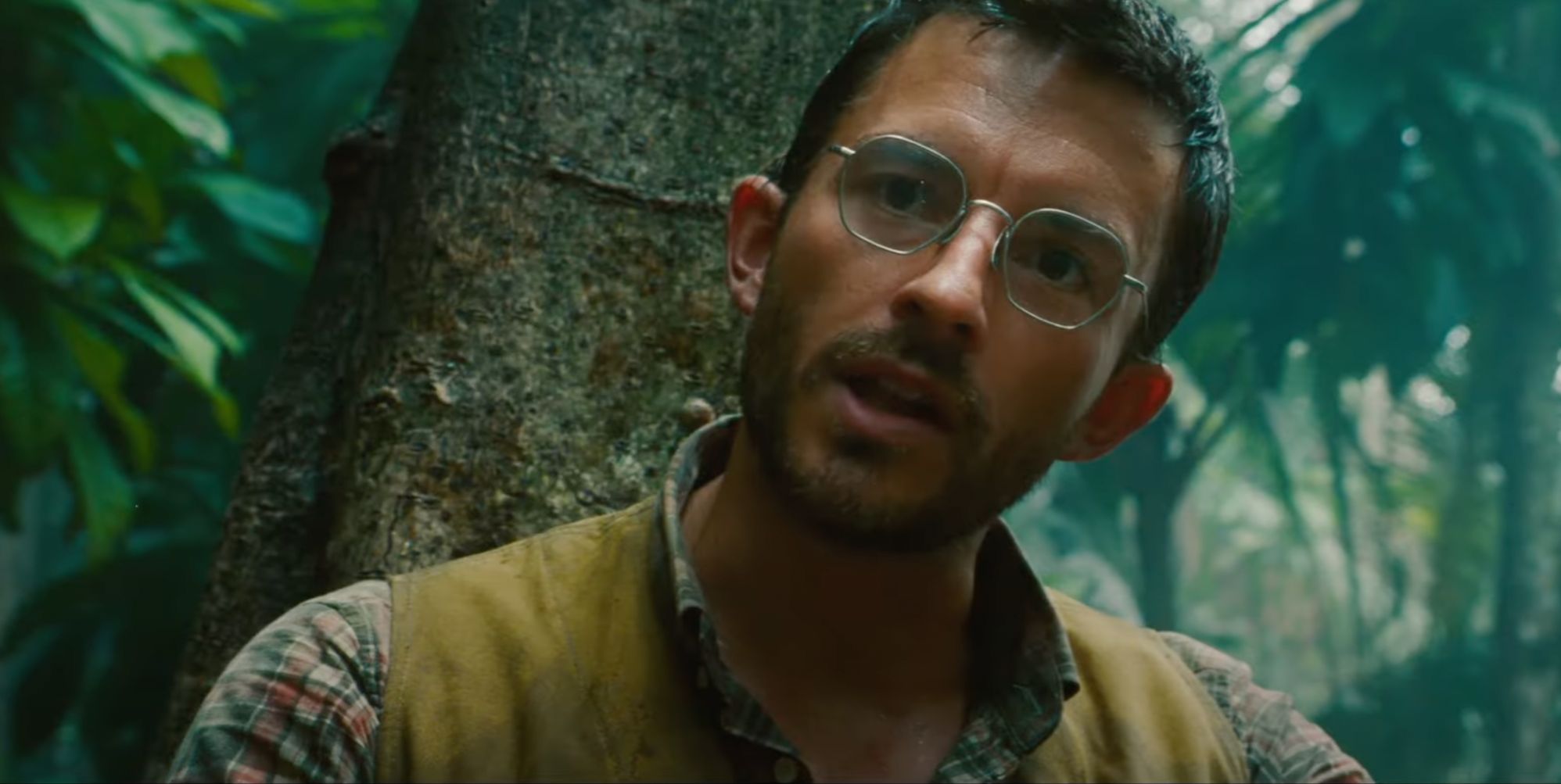
Jonathan Bailey’s recounting of a deeply personal childhood memory involving the original Jurassic Park offers a fascinating look at how blockbuster cinema imprints on actors long before they enter the industry. While Bailey is widely celebrated for his acclaimed roles in contemporary television and stage productions—such as Bridgerton, Fellow Travelers, and his prominent casting in major studio blockbusters—his early encounters with Steven Spielberg’s 1993 dinosaur epic highlight a universal relationship between formative cinematic experiences and lifelong artistic ambition. This intersection of nostalgic fandom and professional evolution sheds light on why specific cultural touchstones endure across generations of performers.
Contents
The Formative Impact of 1990s Cinema on Modern Performers
The cultural footprint left by Steven Spielberg’s adaptation of Michael Crichton’s novel cannot be overstated. Released in the summer of 1993, Jurassic Park revolutionized visual effects through its seamless blend of Stan Winston’s animatronics and Industrial Light & Magic’s computer-generated imagery. For children growing up during that decade, the film functioned as a rite of passage.
When actors like Jonathan Bailey reflect on seeing such monumental films at a tender age, they point to a sensory overload that fundamentally shaped their understanding of narrative scale. The cinematic theater environment of the early 1990s—characterized by massive curved screens, Dolby Stereo surround sound, and physical ticket stubs—created immersive experiences that modern digital-native audiences rarely replicate in the exact same manner.
For a young Bailey, the terror and awe inspired by the Tyrannosaurus rex breakout or the kitchen velociraptor sequence were not merely fleeting moments of entertainment. They represented a masterclass in tension, pacing, and emotional stakes delivered through practical and digital craftsmanship. These early exposures often plant the subconscious seeds of performance, teaching young minds how silence, physical reaction, and lighting can orchestrate sheer human terror and wonder.
Tracing the Arc from Spectator to Studio Franchise Headliner
The trajectory from an impressionable young moviegoer hiding behind cinema seats to a seasoned actor anchoring major studio franchises is a compelling professional journey. Jonathan Bailey’s career progression underscores the modern versatility required of a classically trained stage actor who can seamlessly transition into high-budget Hollywood IP (Intellectual Property).
| Career Phase | Representative Medium | Key Characteristics | Impact on Craft |
|---|---|---|---|
| Early Exposure | Childhood Theater Visits | Passive consumption, deep emotional imprinting | Establishes foundational awe for narrative scale and tension. |
| Classical Training | Stage and Television Drama | Intensive text work, Shakespearean repertoire | Builds vocal control, physical presence, and emotional depth. |
| Breakout Stardom | Period and Contemporary Series | Complex character arcs, viral public recognition | Cultivates audience rapport and screen charisma. |
| Franchise Headlining | Blockbuster Cinema | Green-screen acting, physical endurance, global press tours | Tests adaptability within massive technical and logistical frameworks. |
Understanding this progression helps contextualize why actors often speak with such reverence about their childhood cinematic memories. When an artist achieves the level of success where they become part of the very studio machinery that once mesmerized them, those early memories transform from nostalgic trivia into professional milestones.
The Psychology of Nostalgia in Entertainment Culture
Nostalgia functions as a powerful psychological anchor, particularly within the entertainment industry where creators and audiences continually seek to recapture the magic of past decades. The obsession with 1990s cinema is driven not just by corporate reboots, but by the generational shift that has placed millennials and older Gen Z individuals into positions of creative authority.
When public figures like Bailey share specific anecdotes about their early encounters with films like Jurassic Park, they participate in a shared cultural dialogue. This phenomenon relies on several key psychological mechanisms:
- Emotional Anchoring: Traumatic or awe-inspiring media moments experienced during childhood create strong neural pathways, associating specific sounds, scores (such as John Williams’ iconic themes), and visual motifs with safety, wonder, and imagination.
- Aspirational Alignment: Remembering the exact circumstances of viewing a masterpiece often serves as an origin story for creative professionals, validating their eventual career choice to friends, family, and the public.
- Audience Relatability: High-profile actors frequently inhabit distant, glamorous personas; sharing visceral, ordinary childhood memories bridges the gap between celebrity status and everyday human experience.
The Technical Craft Behind Spielbergian Masterpieces
To appreciate why a film like Jurassic Park leaves such an indelible memory, one must examine the precise mechanical and narrative construction that set it apart from standard action fare. Spielberg utilized a slow-burn structure, withholding clear views of the dinosaurs for a significant portion of the runtime to build unbearable psychological suspense.
For a young viewer, this technique trains the imagination to fill in the gaps, making the eventual reveals far more impactful. The sound design—incorporating slowed-down tortoise mating sounds for the T-rex roar and whale communication for the raptors—created a visceral auditory landscape that registered physically in the theater.
Actors who later study film production or find themselves working on modern blockbusters often look back at these pioneering techniques with renewed technical appreciation. The transition from practical animatronics that actors could physically touch on set to the modern paradigm of green screens and virtual production highlights an evolving industry, making those tactile 1990s memories feel increasingly distinct and valuable.
Frequently Asked Questions
What specific film memory did Jonathan Bailey share regarding Jurassic Park?
Jonathan Bailey has frequently discussed the profound impact that early cinematic blockbusters had on his imagination, noting how films like Jurassic Park defined the theatrical awe of his childhood and shaped his early perceptions of dramatic scale and storytelling.
How do childhood movie memories influence professional actors?
Early cinematic experiences often establish a subconscious baseline for storytelling, pacing, and emotional expression. They inspire future performers by demonstrating the immense power of visual and auditory craft to move audiences.
Why is the 1993 Jurassic Park film considered a milestone in cinema history?
The film successfully bridged the gap between traditional practical effects (animatronics) and cutting-edge computer-generated imagery, establishing a new benchmark for blockbuster filmmaking and merchandising.
What career milestones prepared Jonathan Bailey for major studio franchises?
Bailey built his reputation through rigorous classical theatre work, critically acclaimed television performances in historical dramas and thrillers, and a strong command of character-driven nuance before stepping into large-scale studio projects.
How has blockbuster filmmaking changed since the release of the original Jurassic Park?
While modern blockbusters rely heavily on digital environments, LED volumes, and computer-generated assets, the 1993 classic relied heavily on physical sets and animatronics, which fundamentally altered how actors interacted with their environment on set.
Navigating the Legacy of Childhood Cinema
For enthusiasts and aspiring artists alike, examining the intersection of childhood memories and professional success offers a roadmap for appreciating the arts. Recognizing that today's leading actors started as wide-eyed audience members in darkened theaters humanizes the entertainment industry and reinforces the enduring power of visionary filmmaking. Whether revisiting a classic VHS tape, streaming a remastered edition, or experiencing a theatrical re-release, the enduring legacy of 1990s cinema continues to inspire the next generation of storytellers.
Image Gallery