Understanding How Wealth Is Distributed in America
Wealth distribution in the United States is characterized by a high degree of concentration, where a significant portion of total net worth is held by the top 10% of households. This distribution is measured primarily through assets—in...
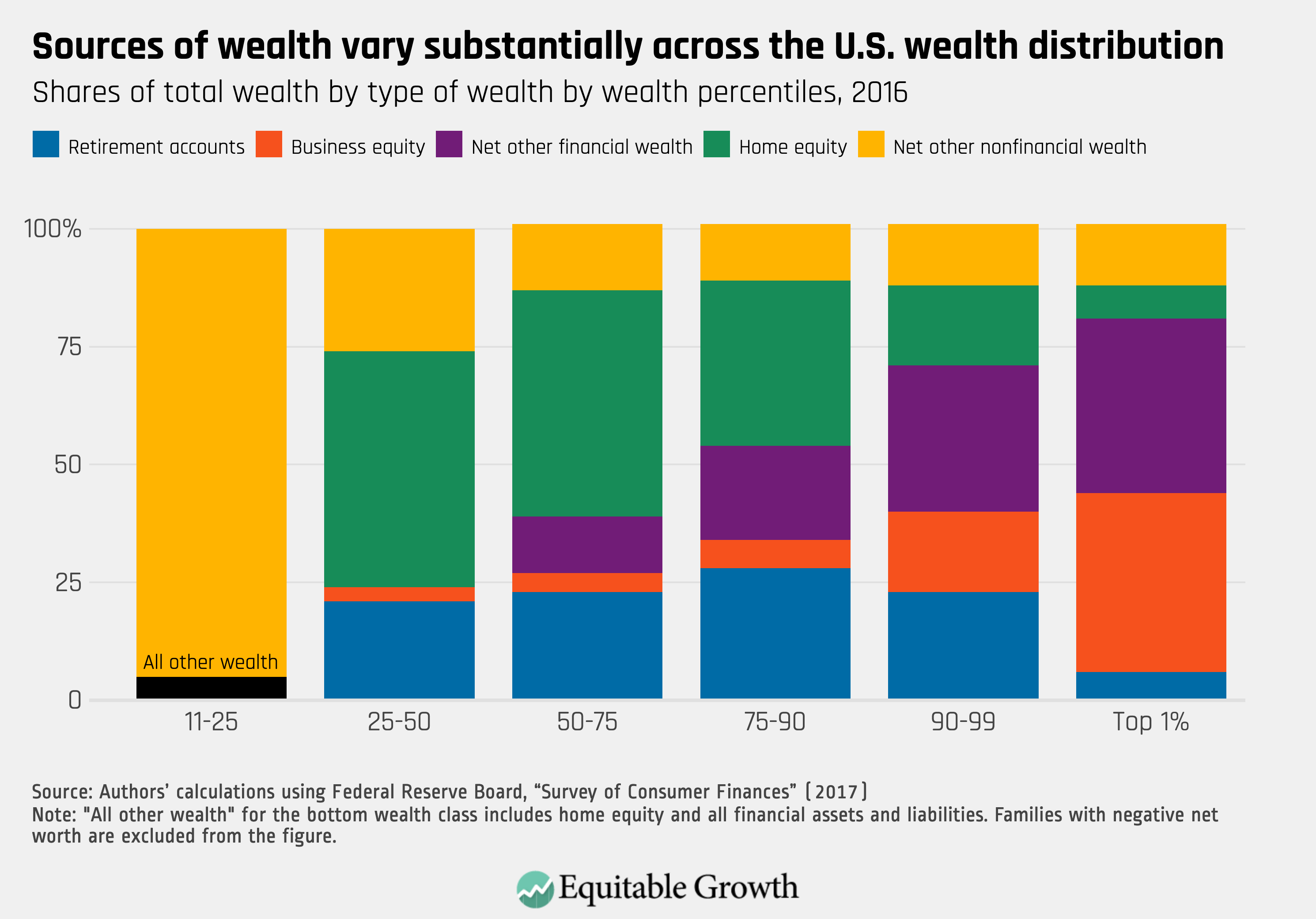
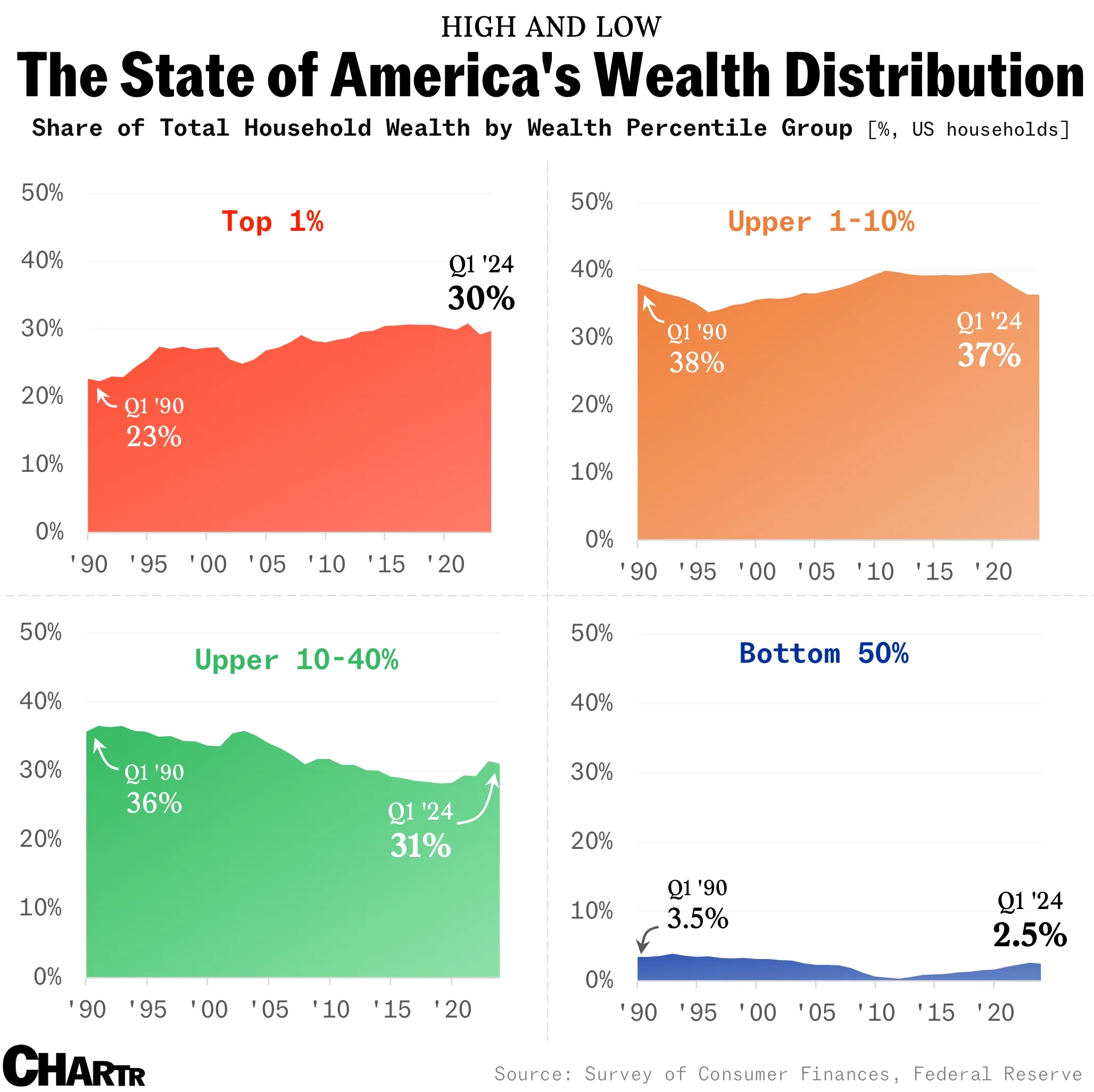
Wealth distribution in the United States is characterized by a high degree of concentration, where a significant portion of total net worth is held by the top 10% of households. This distribution is measured primarily through assets—including real estate, stocks, and business equity—minus liabilities. Data from the Federal Reserve confirms that while middle-class wealth is tied largely to primary residences, top-tier wealth is heavily concentrated in financial and corporate holdings.
Contents
Defining Wealth vs. Income
To understand how wealth is distributed, one must first distinguish between income and wealth. Income refers to the flow of money earned over a specific period, such as wages, salaries, dividends, or interest. Wealth, or net worth, is a stock variable: it is the total value of all assets owned by an individual or household minus the total value of their debts.
In America, wealth distribution is more skewed than income distribution. While income inequality captures the gap between what people earn in a given year, wealth inequality captures the cumulative result of historical earnings, savings rates, inheritance, and investment returns. A person may have a high income but low net worth due to high consumption or debt, just as an individual may have low annual income but substantial net worth accumulated through long-term asset appreciation.
The Current Landscape of Asset Ownership
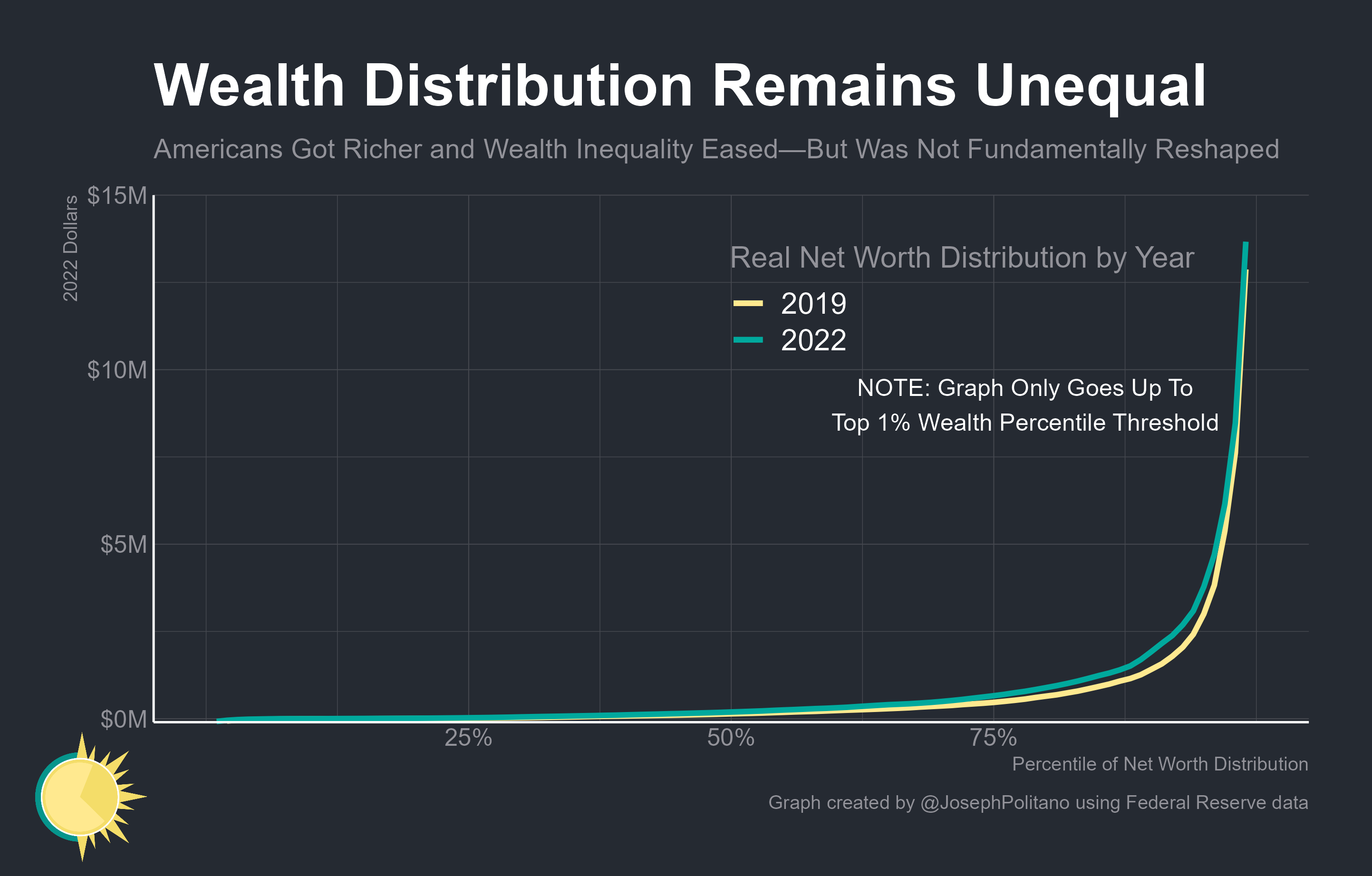
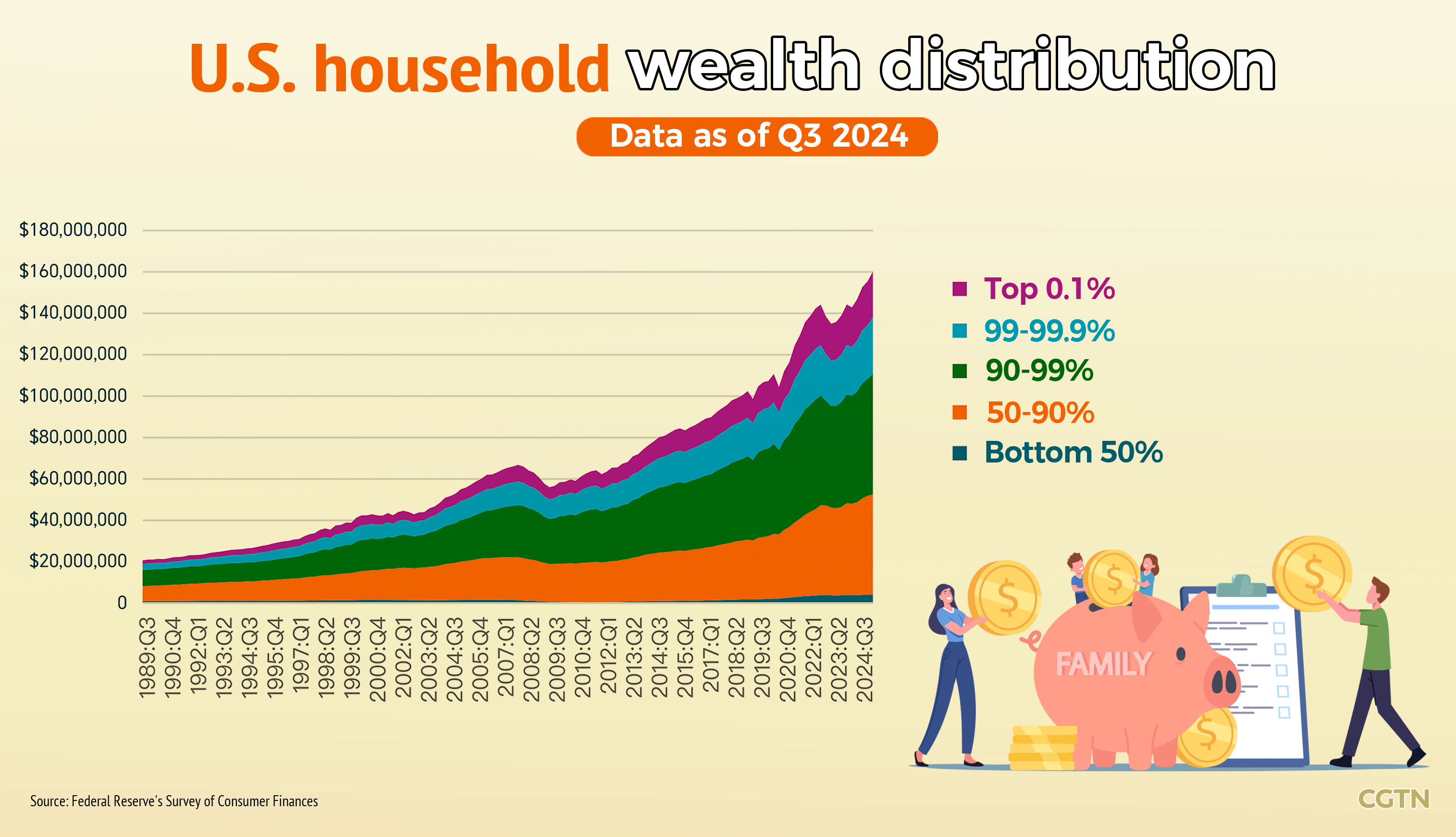
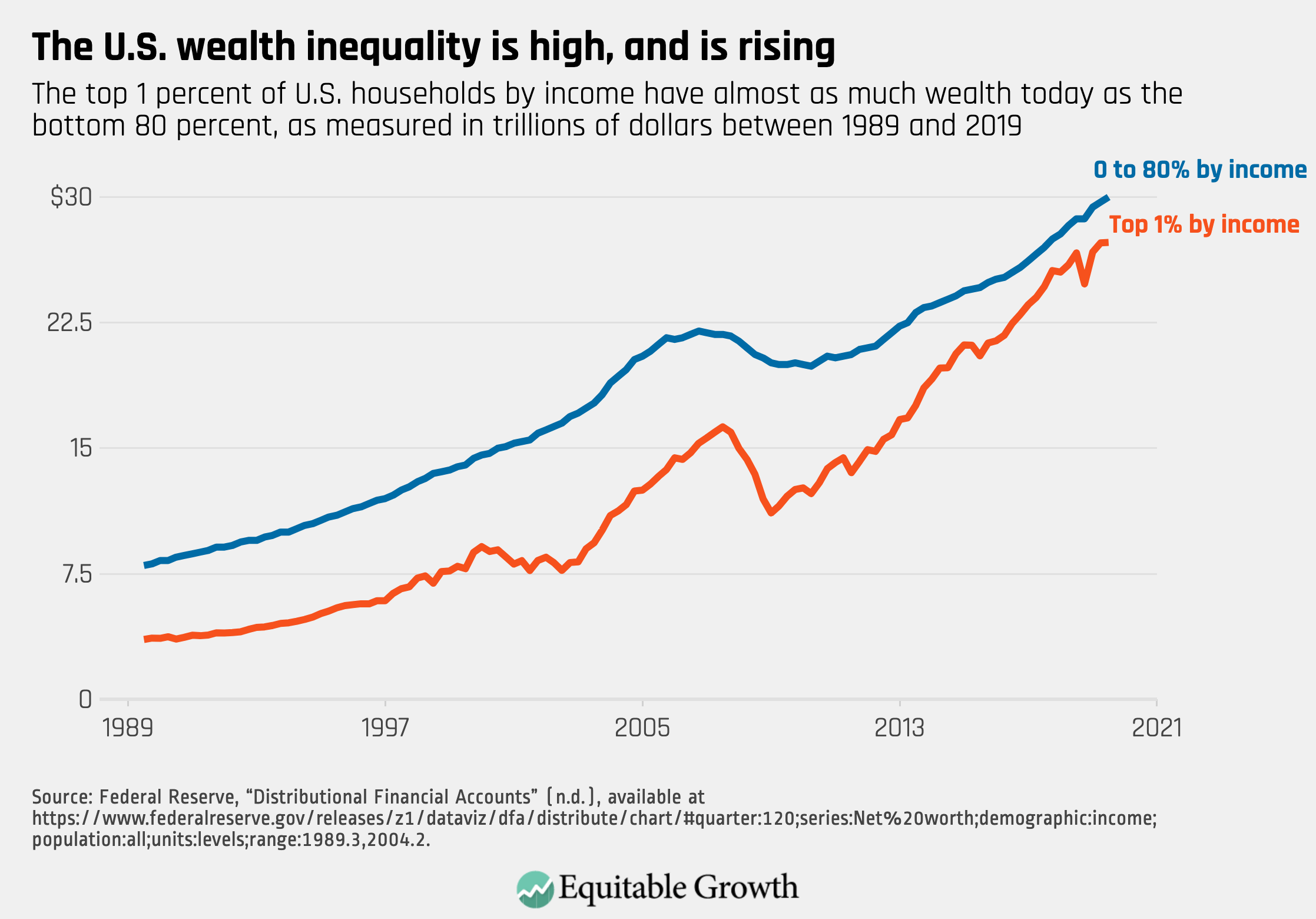
As of 2026, the Federal Reserve’s Distributional Financial Accounts provide the most granular view of how American households hold their wealth. The U.S. economy follows a "power law" distribution in which a small number of households hold a disproportionate share of total assets.
Assets are generally categorized into three primary buckets:
- Financial Assets: Includes stocks, mutual funds, retirement accounts (401(k)s, IRAs), and bonds. This category accounts for the largest share of wealth among the top 10% of the population.
- Real Estate: For the bottom 50% to 90% of households, the primary residence represents the single largest component of net worth.
- Business Equity: This includes ownership stakes in privately held companies and small businesses. This asset class is highly concentrated, as it requires significant capital and risk tolerance to establish or acquire.
Comparative Distribution by Wealth Quintile
Wealth in America is often analyzed by dividing the population into percentiles or quintiles. This approach allows researchers to observe how different segments of the economy interact with market growth.
| Wealth Group | Primary Asset Driver | Typical Debt Profile |
|---|---|---|
| Top 1% | Corporate equity, private business, and hedge funds | Investment-related leverage |
| 90th–99th Percentile | Diversified portfolios and professional real estate | Mortgage and business debt |
| 50th–90th Percentile | Primary residence and 401(k) plans | Mortgage and consumer debt |
| Bottom 50% | Motor vehicles and limited liquid savings | Student loans and credit card debt |
Mechanisms of Wealth Accumulation and Disparity
The concentration of wealth in America is driven by several structural factors. Understanding these is essential for interpreting why the distribution remains static or shifts over time.
The Role of Compounding Returns
Capital gains—the increase in value of an asset—are a primary driver of wealth. Because wealth is necessary to generate significant investment income, those who already hold assets benefit more from market growth than those who do not. When the stock market performs well, it disproportionately benefits the households with high exposure to equities, which are overwhelmingly located in the top wealth brackets.
Inheritance and Intergenerational Transfers
A significant portion of wealth held by older Americans is slated for transfer to younger generations. This "Great Wealth Transfer" acts as a structural force that perpetuates existing disparities. Households that receive significant inheritances are statistically more likely to enter the housing market earlier, avoid high-interest debt, and take greater risks in entrepreneurship.
Access to Credit and Leverage
The ability to access low-interest credit is a critical tool for wealth building. Higher-net-worth individuals often utilize "leverage"—borrowing money to invest in assets like real estate or business ventures. Because the interest rate paid on this debt is often lower than the rate of return on the underlying asset, this strategy accelerates wealth accumulation. Conversely, lower-wealth households often rely on high-interest consumer credit (like credit cards), which erodes rather than builds net worth.
Challenges and Structural Barriers
The distribution of wealth is also shaped by systemic factors that influence the ability of different groups to save and invest.
- Educational Costs: Rising costs of higher education have led to increased student loan burdens for the middle and lower classes. This debt often delays the start of retirement savings and homeownership, two pillars of wealth accumulation.
- Economic Shocks: Lower-wealth households typically have lower levels of liquid savings. When an economic shock occurs, these households are often forced to liquidate long-term assets or rely on high-interest debt to survive, setting them back years in their wealth-building progress.
- Housing Market Dynamics: In many parts of America, the cost of housing has decoupled from wage growth. When housing becomes a speculative asset class rather than just a place to live, it creates barriers to entry for younger families, further concentrating property wealth in the hands of existing owners.
Frequently Asked Questions
Why is wealth inequality higher than income inequality? Wealth is cumulative. Because it represents the sum of past savings and investment returns, small differences in the ability to save or earn returns over decades compound into massive differences in net worth. Income is a snapshot of one year, while wealth captures a lifetime of economic outcomes.
Does the Federal Reserve control wealth distribution? The Federal Reserve does not directly dictate the distribution of wealth; however, its monetary policy decisions—such as setting interest rates—impact asset prices. Low interest rates tend to inflate the value of assets like stocks and real estate, which generally benefits those who already hold those assets.
How does retirement account policy affect wealth distribution? Retirement accounts, such as 401(k)s, are designed to encourage savings through tax advantages. While they are successful in helping many middle-class households build wealth, the tax benefits are proportional to one’s tax bracket. Individuals in higher brackets receive a larger effective tax subsidy, which can inadvertently widen the wealth gap.
Is homeownership the main way Americans build wealth? For the vast majority of the population, yes. A primary residence is the most common form of "forced savings" for the middle class. However, as real estate prices fluctuate and interest rates change, this path to wealth building faces varying degrees of efficacy depending on the decade and region.
Next Steps for Financial Planning
Understanding the national distribution of wealth serves as a baseline for personal financial management. To improve individual net worth, the priority must be moving from a consumption-based model to an asset-based model. This involves minimizing high-interest liabilities, maximizing tax-advantaged retirement contributions, and diversifying holdings across different asset classes. Consulting with a qualified financial advisor can help create a strategy that accounts for personal risk tolerance and long-term financial goals within the current economic environment.
Image Gallery