We Buy Any Car Reviews Explained: A Complete Guide to Offers, Fees, and Customer Feedback
We Buy Any Car reviews typically reflect a trade-off between maximum profit and ultimate convenience. While most customers praise the service for its speed and simplicity, the most frequent criticisms involve the "chipping down" of the...
We Buy Any Car reviews typically reflect a trade-off between maximum profit and ultimate convenience. While most customers praise the service for its speed and simplicity, the most frequent criticisms involve the "chipping down" of the initial online quote during the physical inspection and the application of mandatory transaction fees.
Contents
As we move through 2026, the used automotive market has stabilized, but the business model of car-buying services remains centered on volume and rapid inventory turnover. Understanding how these platforms operate—and why their reviews are often polarized—is essential for any vehicle owner looking to sell quickly without the hassle of a private listing.
The Mechanics of the Online Valuation
The journey with We Buy Any Car almost always begins with an automated online valuation. By entering a registration number (UK) or VIN/License plate (US) and mileage, the algorithm generates a price in seconds. However, this is where the discrepancy in customer reviews often begins.
The online quote is a "best-case scenario" figure. It assumes the vehicle is in excellent condition, has a full service history, two sets of keys, and no cosmetic or mechanical defects. In 2026, these algorithms have become more sophisticated, integrating real-time auction data and regional demand shifts, but they still cannot "see" the car.
Reviews that rate the service 1 or 2 stars frequently cite a "bait and switch" tactic. However, a technical analysis of the process reveals that the online quote is a preliminary estimate rather than a guaranteed offer. The company uses this figure to bring the seller to one of their physical locations, where a professional purchaser will perform a detailed inspection. To avoid disappointment, sellers must be brutally honest during the online self-appraisal phase, noting every minor dent, scratch on the alloys, or missing service stamp.
The Physical Inspection and the "Chip Down"
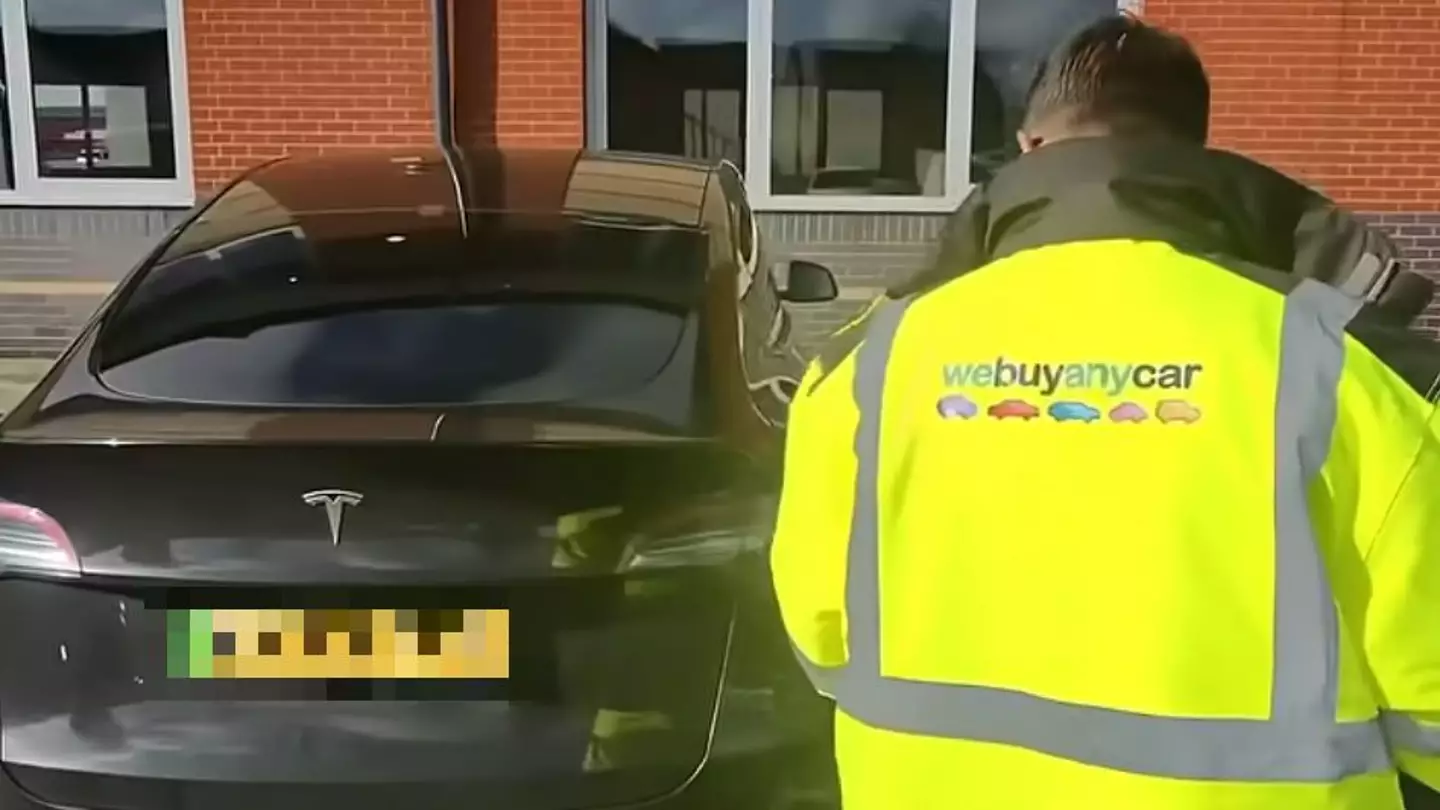
Once the seller arrives at a branch, a representative conducts a 15-to-20-minute inspection. This is the stage of the process most frequently discussed in "we buy any car com reviews." The inspector looks for specific issues that the online system couldn't verify:
- Paintwork and Body Integrity: Using paint depth gauges and high-intensity lights, they identify previous repairs or hidden corrosion.
- Mechanical Health: They check for warning lights, engine noise, and clutch wear.
- Documentation: Missing V5C (UK) or Titles (US), lack of MOT history, or incomplete service records are major points of price reduction.
- Tires and Consumables: In 2026, with the high cost of specialized EV and SUV tires, tread depth below 3mm is a common reason for a quote reduction.
The term "chipping down" refers to the deductions made for each flaw found. If a car is quoted at $10,000 online but has $1,500 worth of cosmetic damage and a missing key, the offer will drop accordingly. Reviews from satisfied customers often note that the inspector was "fair and transparent," while unhappy reviewers feel the deductions were excessive or "nitpicky." The reality is that the company must account for the cost of reconditioning the vehicle before they send it to auction (usually through partners like British Car Auctions or similar US entities).
Understanding the Fee Structure in 2026
Transparency regarding fees is a recurring theme in customer feedback. Unlike a private sale where the price agreed upon is the amount you keep, We Buy Any Car (and many of its competitors) charges an administration or transaction fee.
As of 2026, these fees are typically tiered based on the final valuation of the vehicle. For very low-value cars (e.g., under $500), the fee might be waived or minimal, but for higher-value vehicles, it can range from $50 to over $100. Furthermore, there is often a choice regarding payment speed. The standard payment may take 3-4 working days, while an "Immediate Payment" service—allowing the funds to hit your bank account before you leave the premises—commands an additional premium.
Sellers who read the terms and conditions beforehand tend to leave better reviews because they have already factored these costs into their "net" profit. Conversely, those who only discover the fee at the moment of signing the contract often feel blindsided, leading to negative sentiment online.
Comparing Selling Methods: A 2026 Perspective
To understand why We Buy Any Car maintains its market share despite some negative reviews, it is helpful to compare it to alternative selling methods.
| Feature | We Buy Any Car | Private Sale | Main Dealer Trade-In | Online Marketplace (e.g., eBay/Autotrader) |
|---|---|---|---|---|
| Speed | 30–60 Minutes | Days to Weeks | Instant (with new car purchase) | Days to Weeks |
| Effort | Low | High (Photos, Ads, Viewings) | Medium | High |
| Price Potential | Wholesale/Trade | Highest (Retail) | Moderate | High |
| Payment Security | High (Corporate) | Variable (Cash/Transfer risks) | High | Variable |
| Fees | Yes (Admin/Fast Payment) | Listing Fees | None (Built into car deal) | Listing & Final Value Fees |
The table illustrates that the service is optimized for speed and security. For a seller who needs to settle a finance agreement quickly or simply doesn't want strangers coming to their home, the "convenience tax" (lower price + fees) is often seen as a worthwhile trade.
Analyzing Positive vs. Negative Sentiment
When sifting through "we buy any car com reviews," patterns emerge that can help a prospective seller set realistic expectations.
Why Customers Leave 5-Star Reviews:
- Efficiency: The entire process, from quote to money-in-bank, can happen in under an hour.
- Professionalism: Many reviewers highlight the polite and non-pressured environment at specific branches.
- Problem Solving: The company is adept at handling complex situations, such as selling a car on behalf of a deceased relative or clearing outstanding finance directly with lenders like Black Horse or Chase Auto.
Why Customers Leave 1-Star Reviews:
- Price Disparity: The gap between the "teaser" online quote and the final "on-site" offer.
- Administrative Friction: Issues with V5C/Title transfers or delays in the automated payment system.
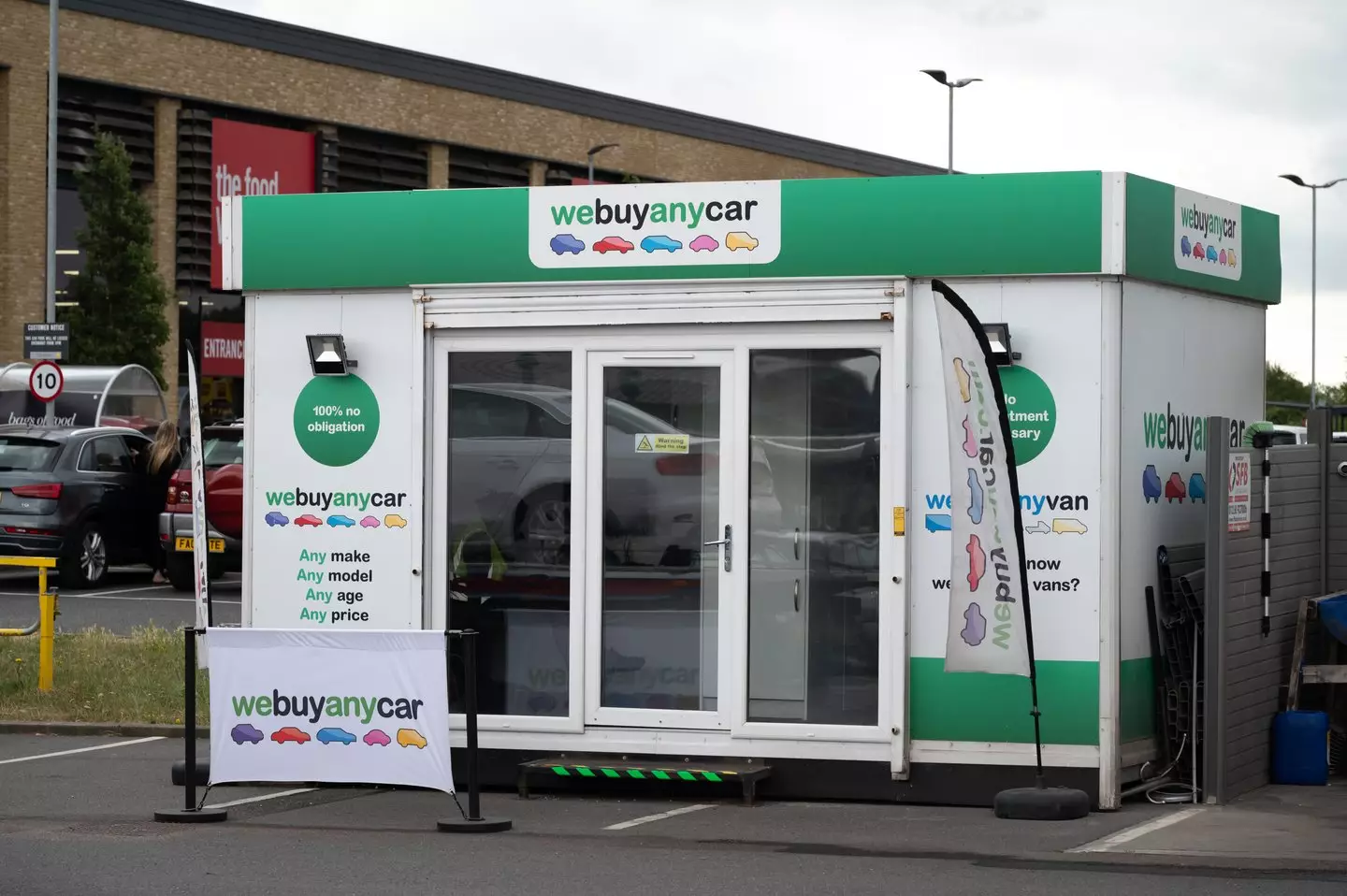
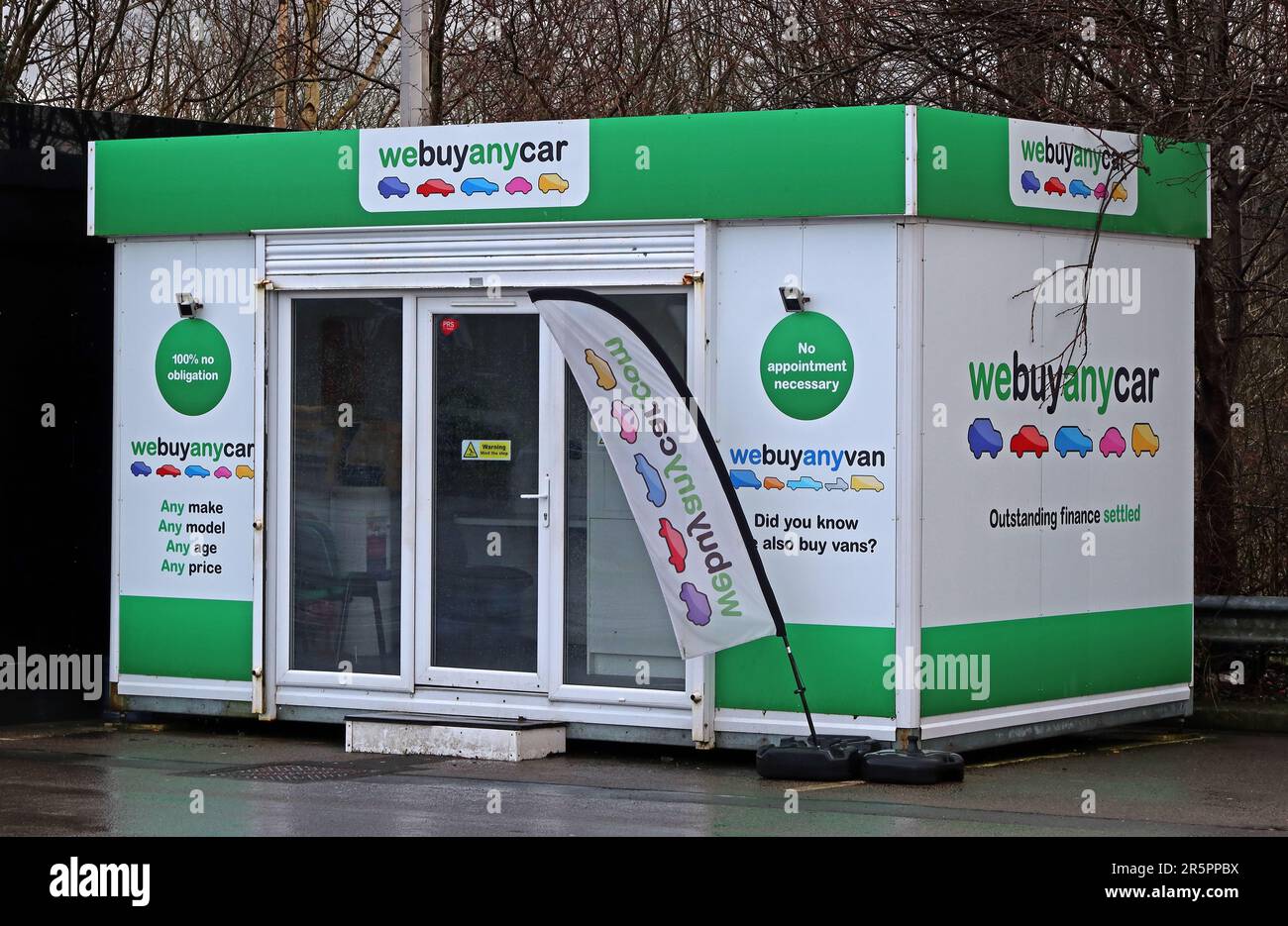
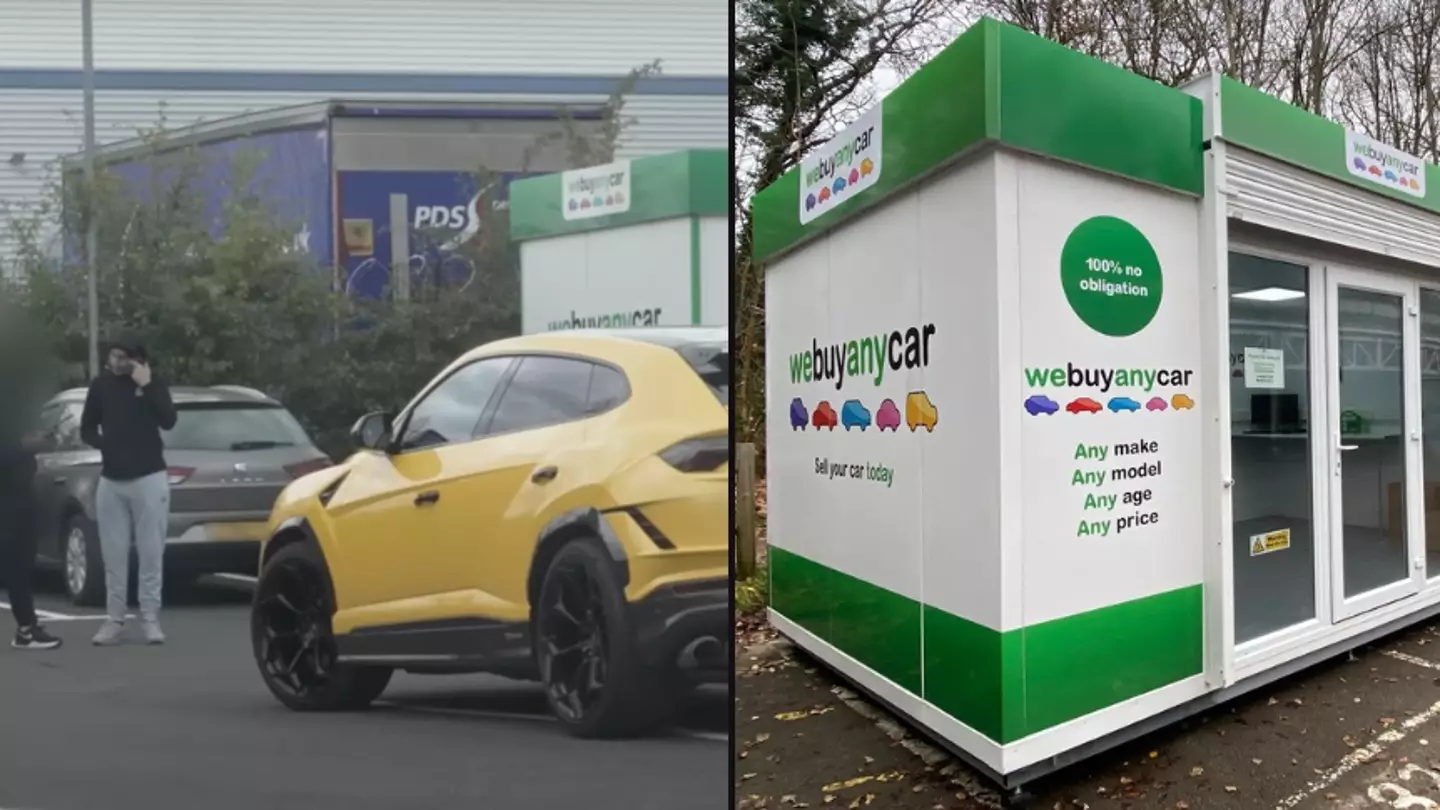
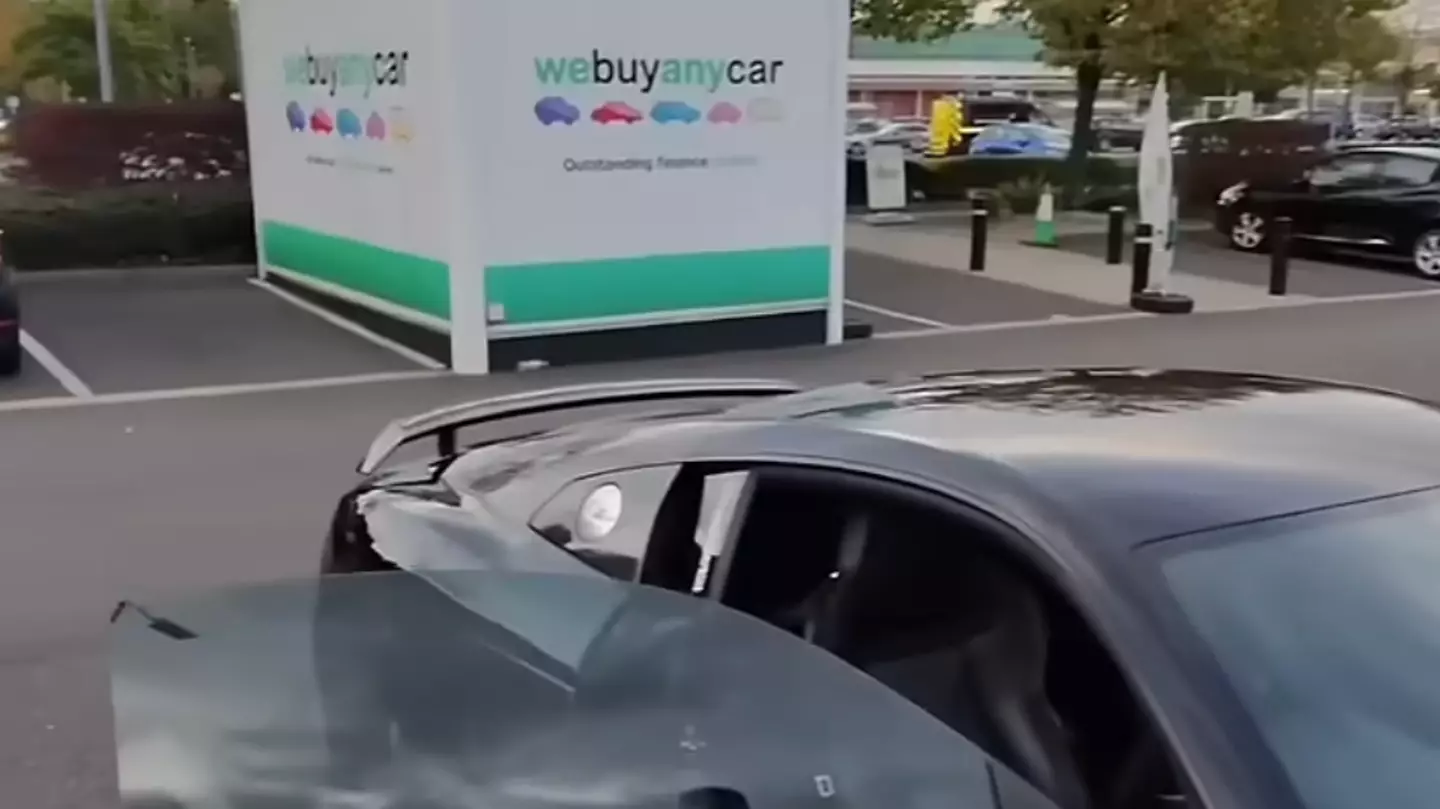
- Location Issues: Some branches are temporary pods in supermarket car parks, which some customers find unappealing or unprofessional.
How to Maximize Your Offer and Experience
Based on the synthesis of thousands of customer reviews and the current 2026 market dynamics, there are several steps a seller can take to ensure they fall into the "satisfied" category.
- Detail the Car Beforehand: A clean car suggests a well-maintained car. While the inspector will look past dirt, a vehicle that smells of smoke or is filled with trash may be appraised more harshly on its overall "condition grade."
- Gather Every Document: Locate the spare key, the locking wheel nut key, the manual, and every service receipt. Each missing item is a guaranteed deduction.
- Check Your Own Tires: In 2026, tread depth regulations are strictly enforced by buyers. If your tires are close to the legal limit, the deduction will be based on the retail cost of a premium replacement, not a budget one.
- Be Realistic About "Fair Wear and Tear": The company follows specific guidelines (similar to the British Vehicle Rental and Leasing Association standards). Small stone chips on a high-mileage car are expected, but a 2-inch scratch on a door panel is considered a repairable defect.
Frequently Asked Questions
Does We Buy Any Car really buy "any" car?
Yes, they generally buy any vehicle regardless of age, mileage, or condition, including non-runners and cars with "category" (salvage) history. However, the price offered for a non-runner will be significantly lower, reflecting the logistics of towing the vehicle and its value at a salvage auction.
How does the 2026 used car market affect their offers?
The 2026 market has seen a surge in Electric Vehicle (EV) supply. Because EV depreciation is currently more volatile than internal combustion engine (ICE) vehicles, We Buy Any Car reviews from EV owners sometimes reflect lower-than-expected offers as the company mitigates the risk of holding rapidly depreciating electric stock.
Can I negotiate the final offer?
The purchasers at the branches usually have limited move-room. They input the car's condition into a centralized pricing system that generates the final offer. While you can point out missed features (like optional factory extras), the "haggling" experience is minimal compared to a traditional dealership.
Is the "Instant Bank Transfer" worth the extra fee?
This depends on your immediate liquidity needs. If you are using the funds as a deposit for another car the same day, the fee is a functional necessity. If you can wait three business days, you can save the fee (usually around $30–$40).
What happens to the car after they buy it?
Most vehicles are sent directly to wholesale auctions. They do not have their own showrooms to sell to the public. This is why their offers are at "trade" value; they must leave enough margin for the auction house and the eventual retail dealer to make a profit.
Final Recommendation
When reading "we buy any car com reviews," the most important takeaway is that convenience has a price. If your primary goal is to get the absolute maximum dollar for your vehicle, you are likely better off selling privately or through a specialized enthusiast forum. However, if you value your time, want a guaranteed sale, and wish to avoid the risks of private payments and home viewings, We Buy Any Car remains a viable and highly efficient tool in 2026. To ensure a positive experience, treat the online quote as a "starting point" and prepare your documentation as if you were selling to a private buyer.
Image Gallery