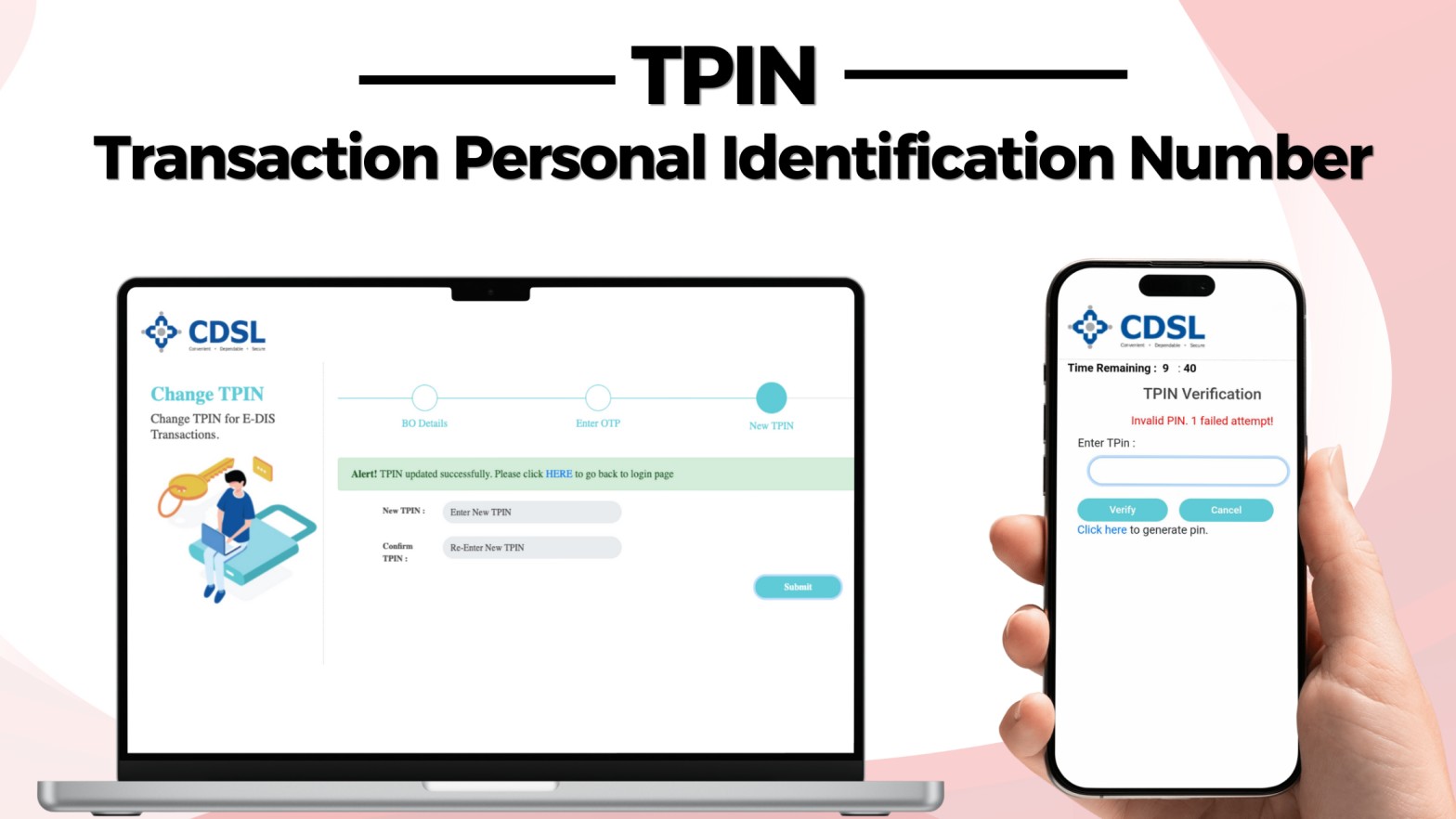
Understanding TPIN: A Comprehensive Guide to Transaction and Taxpayer Identification
A TPIN is a secure identification code used to authorize sensitive transactions, most commonly referring to the 6-digit CDSL TPIN for stock market sales in India or the 10-digit Taxpayer Identification Number in Zambia. It acts as a di...
A TPIN is a secure identification code used to authorize sensitive transactions, most commonly referring to the 6-digit CDSL TPIN for stock market sales in India or the 10-digit Taxpayer Identification Number in Zambia. It acts as a digital signature, ensuring that only the account holder can approve the movement of assets or fulfill legal tax obligations.
Contents
To determine what a TPIN means for you, it is essential to identify the context of your request. For the majority of retail investors, a TPIN is the "Transaction Personal Identification Number" required to sell stocks. For residents or business owners in specific jurisdictions like Zambia, it is the "Taxpayer Identification Number" required for all fiscal interactions. This guide explores both primary definitions, their prerequisites, and how to manage them effectively in 2026.
The CDSL TPIN: Security for Stock Market Investors
In the context of the Indian stock market, the TPIN was introduced by the Central Depository Services Limited (CDSL) under the guidance of the Securities and Exchange Board of India (SEBI). For you, the investor, the TPIN is a 6-digit code that replaces the traditional, and often risky, Power of Attorney (PoA) process.
Why the TPIN Was Created
Historically, when you opened a demat account with a broker, you were required to sign a physical Power of Attorney. This document gave the broker the legal right to "pull" shares from your account when you placed a sell order. However, this system was prone to misuse, as some brokers moved client securities without explicit daily consent.
The TPIN system introduced the Electronic Delivery Instruction Slip (e-DIS). In 2026, this remains the gold standard for retail security. Instead of giving a blanket PoA, you use your TPIN to "push" shares or authorize the broker to debit them for a specific duration (usually one trading day). This ensures that no stocks leave your demat account unless you have entered your secret 6-digit code and, in most cases, a secondary One-Time Password (OTP).
How the TPIN Works for You
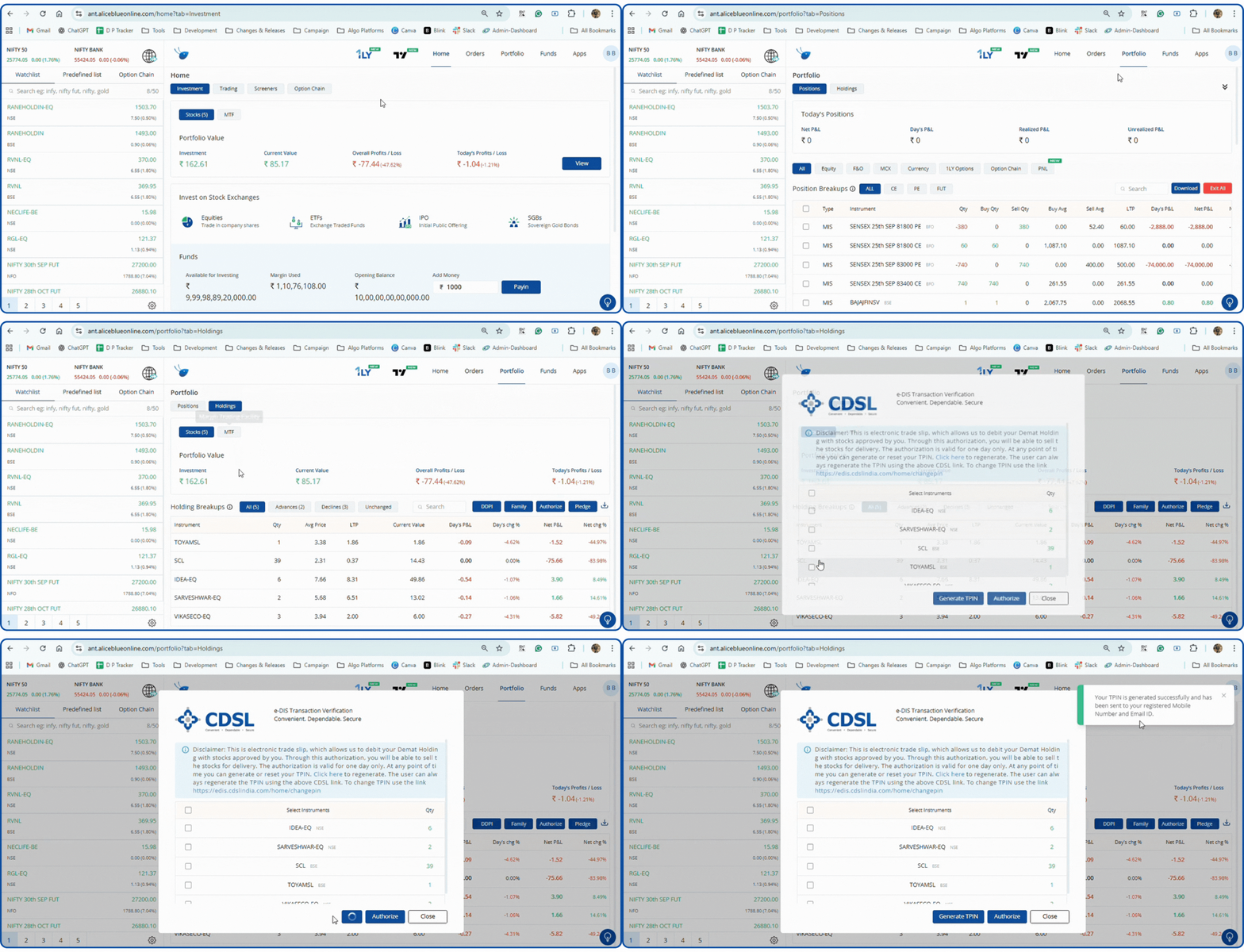
When you decide to sell a stock in your portfolio, your trading platform will prompt you to "Authorize" the transaction. At this point, you are redirected to the CDSL authorization page. You enter your TPIN, followed by an OTP sent to your registered mobile number and email. Once verified, the broker is authorized to debit the specific shares you intended to sell.
How to Generate and Reset Your CDSL TPIN
If you are a new investor or have forgotten your existing code, generating a TPIN is a straightforward digital process. You do not need to contact your broker directly, as the TPIN is managed by the depository (CDSL) to maintain independent security.
Prerequisites for Generation
To generate your TPIN, you need two pieces of information readily available:
- BO ID (Beneficiary Owner ID): This is a 16-digit number unique to your demat account. You can find it in your broker’s profile section or on your consolidated account statement.
- PAN (Permanent Account Number): Your standard 10-digit alphanumeric tax identifier.
Step-by-Step Process
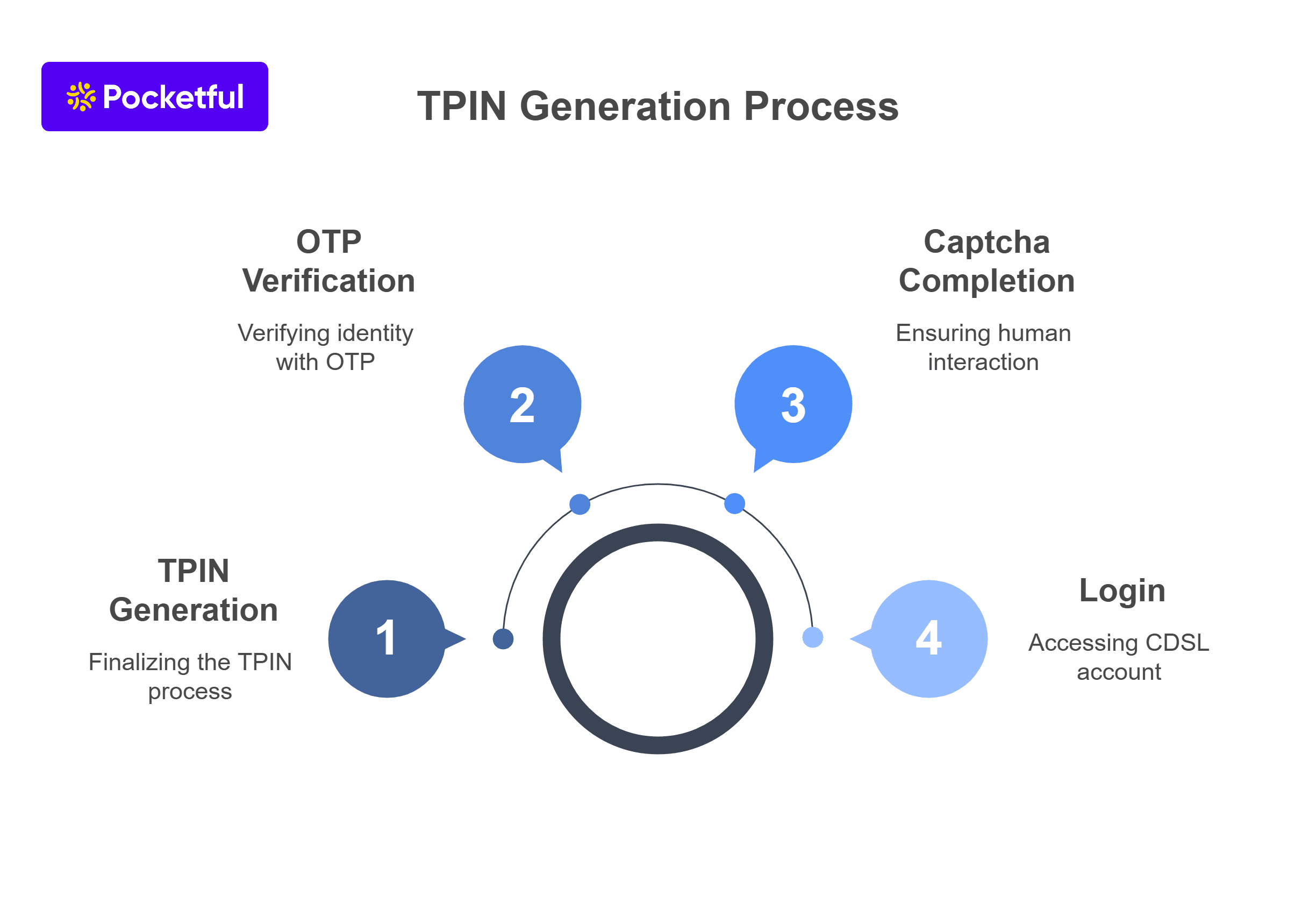
- Visit the CDSL Portal: Navigate to the official CDSL website’s "TPIN Generation" page.
- Enter Credentials: Input your 16-digit BO ID and your PAN.
- OTP Verification: CDSL will send an OTP to your registered mobile number and email address. Enter this code to verify your identity.
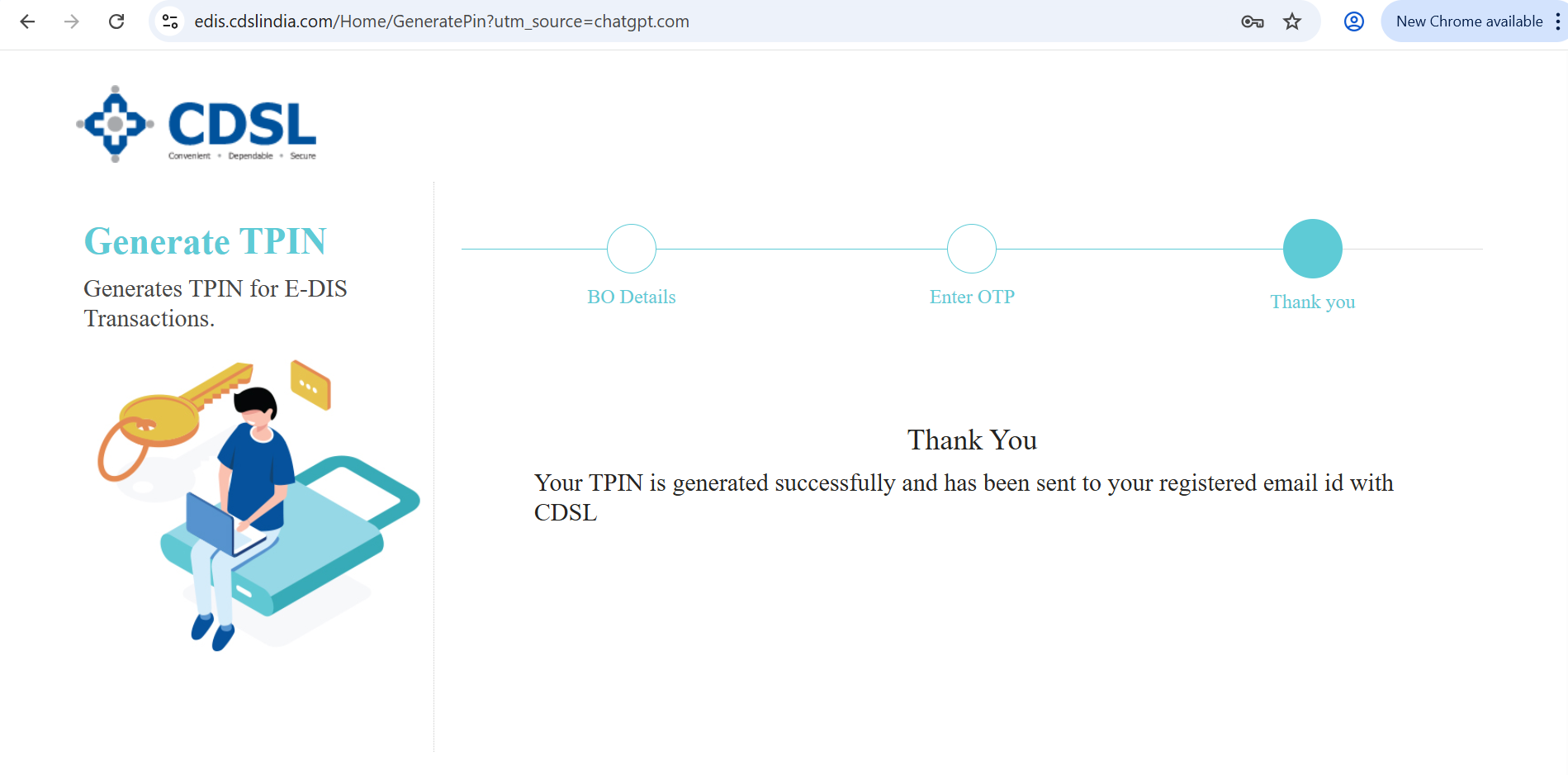
- Receive TPIN: Once verified, CDSL will display or send your 6-digit TPIN to your registered contact details.
Note: In 2026, most modern trading apps have integrated this flow directly into their interfaces, allowing you to trigger a "Forgot TPIN" request that redirects you to the CDSL portal seamlessly.
Comparing TPIN and Power of Attorney (PoA)
Understanding the shift from PoA to TPIN is crucial for managing your financial security. The following table highlights the primary differences between these two authorization methods.
| Feature | Power of Attorney (PoA) | TPIN (e-DIS) |
|---|---|---|
| Physicality | Requires a physical signature on paper. | Entirely digital and paperless. |
| Control | Gives the broker broad control over the account. | Gives the investor control over each sale. |
| Validity | Often permanent until revoked by the user. | Usually valid for a single day or session. |
| Security Risk | Higher risk of unauthorized stock movement. | Lower risk; requires TPIN + OTP for every move. |
| Ease of Use | Convenient (no daily authorization). | Requires a few extra clicks before selling. |
| SEBI Preference | Discouraged for retail investors in 2026. | Mandatory for non-PoA accounts. |
The ZRA TPIN: Taxpayer Identification for Zambia
For individuals and entities operating in Zambia, a TPIN stands for Taxpayer Identification Number. It is a unique 10-digit identifier issued by the Zambia Revenue Authority (ZRA). Unlike the Indian stock market code, this TPIN is a foundational legal requirement for almost all formal economic activity in the country.
Who Needs a ZRA TPIN?
In 2026, a ZRA TPIN is mandatory for:
- Employees: For the processing of Pay As You Earn (PAYE) taxes.
- Business Owners: To register for VAT, Turnover Tax, or Income Tax.
- Importers/Exporters: To clear goods through customs at Zambian borders.
- Property Owners: For paying property transfer taxes or withholding tax on rental income.
- Bank Account Holders: Most Zambian financial institutions require a TPIN to open or maintain an account.
The Significance of the TPIN Certificate
Once you register with the ZRA, you are issued a TPIN Certificate. This document is often requested by government agencies when applying for licenses, by banks for "Know Your Customer" (KYC) updates, and by employers during the onboarding process. It serves as proof that you are recognized in the national tax system.
Troubleshooting Common TPIN Issues
Whether you are dealing with an investment TPIN or a tax TPIN, errors can occur. Here is how to resolve the most frequent problems encountered in 2026.
CDSL TPIN Errors
- "Invalid TPIN": This usually happens due to a typo. Remember that the TPIN is 6 digits long. If you have reset it recently, ensure you are not using the old code.
- "Authorization Failed": This can occur if there is a mismatch between the stocks selected for sale and the stocks held in the demat account. Ensure your holdings are updated (T+1 settlement).
- OTP Not Received: Check if your mobile number and email are updated in the CDSL records. Network delays are common during peak market hours (9:15 AM – 10:00 AM).
ZRA TPIN Errors
- Forgotten TPIN: You can recover your 10-digit number by using the "TPIN Inquiry" tool on the ZRA TaxOnline portal, provided you have your NRC (National Registration Card) or Passport number.
- Inactive TPIN: A TPIN may become inactive if it hasn't been used for several years or if there are significant compliance issues. Re-activation typically requires a visit to a ZRA mid-size or large taxpayer office.
Security Best Practices for Your TPIN
Since the TPIN acts as a gateway to your wealth or your legal identity, protecting it is paramount.
- Never Share Your TPIN: No broker, ZRA official, or bank employee will ever ask for your TPIN. It is for your use only on official secure portals.
- Avoid Storing in Plain Text: Do not save your TPIN in "Notes" apps or unencrypted emails. Use a reputable password manager if you cannot memorize it.
- Change Regularly: If you suspect that someone might have seen your 6-digit CDSL TPIN, reset it immediately via the CDSL portal.
- Monitor Notifications: Always check the SMS and email alerts sent after a TPIN is used. If you receive an authorization alert for a transaction you didn't initiate, contact your broker or the SEBI SCORES portal immediately.
Frequently Asked Questions
Is TPIN mandatory for buying stocks?
No, a TPIN is not required for buying stocks. When you buy, you are adding assets to your account, which does not require the same level of debit authorization. The TPIN is only mandatory when you sell or "withdraw" stocks from your demat account to fulfill a sell order.
Can I have multiple TPINs?
For CDSL, you have one TPIN per 16-digit BO ID. If you have multiple demat accounts with different brokers, you will have a unique TPIN for each account. For the ZRA tax system, an individual or business entity is only assigned one unique 10-digit TPIN for life.
Does the TPIN expire?
A CDSL TPIN itself does not expire, but the authorization you give using that TPIN usually does. In 2026, most "approvals" are valid for a single trading session or up to 90 days if using the "Margin Pledge" feature. A ZRA TPIN does not expire but can be suspended for non-compliance.
What is the difference between TPIN and APIN?
While TPIN is for transaction or taxpayer identification, an APIN (often used in various corporate or government systems) usually refers to an Application Personal Identification Number used for tracking the status of a specific request or filing. They are not interchangeable.
Can I change my TPIN to a custom number?
Yes. On the CDSL portal, there is an option to "Change TPIN." You will need to enter your current TPIN and verify an OTP to set a new 6-digit number of your choice. This is recommended if you find the system-generated number difficult to remember.
Why did I receive a TPIN without requesting one?
If you recently opened a demat account, CDSL automatically generates a TPIN and sends it to you as part of the onboarding process. If you receive one and you haven't opened an account, it may indicate a clerical error or identity theft, and you should contact CDSL immediately.
Final Recommendation
For the modern investor or taxpayer in 2026, the TPIN is a vital tool for autonomy and security. If you are an investor, ensure you have your CDSL TPIN generated and tested before you intend to sell, as waiting until a market crash to find your code can lead to costly delays. If you are operating in Zambia, ensure your ZRA TPIN is linked to your current mobile number to receive essential tax alerts and compliance notifications. In both cases, the TPIN is your digital safeguard; treat it with the same level of confidentiality as your banking PIN.
Image Gallery