Why the Newark Brewery Anheuser-Busch Deal Matters
The 2024 labor agreement between Anheuser-Busch and the International Brotherhood of Teamsters is a landmark deal that secured the future of the Newark brewery by providing significant wage increases, job security, and restored benefit...
The 2024 labor agreement between Anheuser-Busch and the International Brotherhood of Teamsters is a landmark deal that secured the future of the Newark brewery by providing significant wage increases, job security, and restored benefits. In 2026, its impact remains a blueprint for industrial stability and local economic resilience in New Jersey.
Contents
The Foundation of the Newark Brewery Agreement
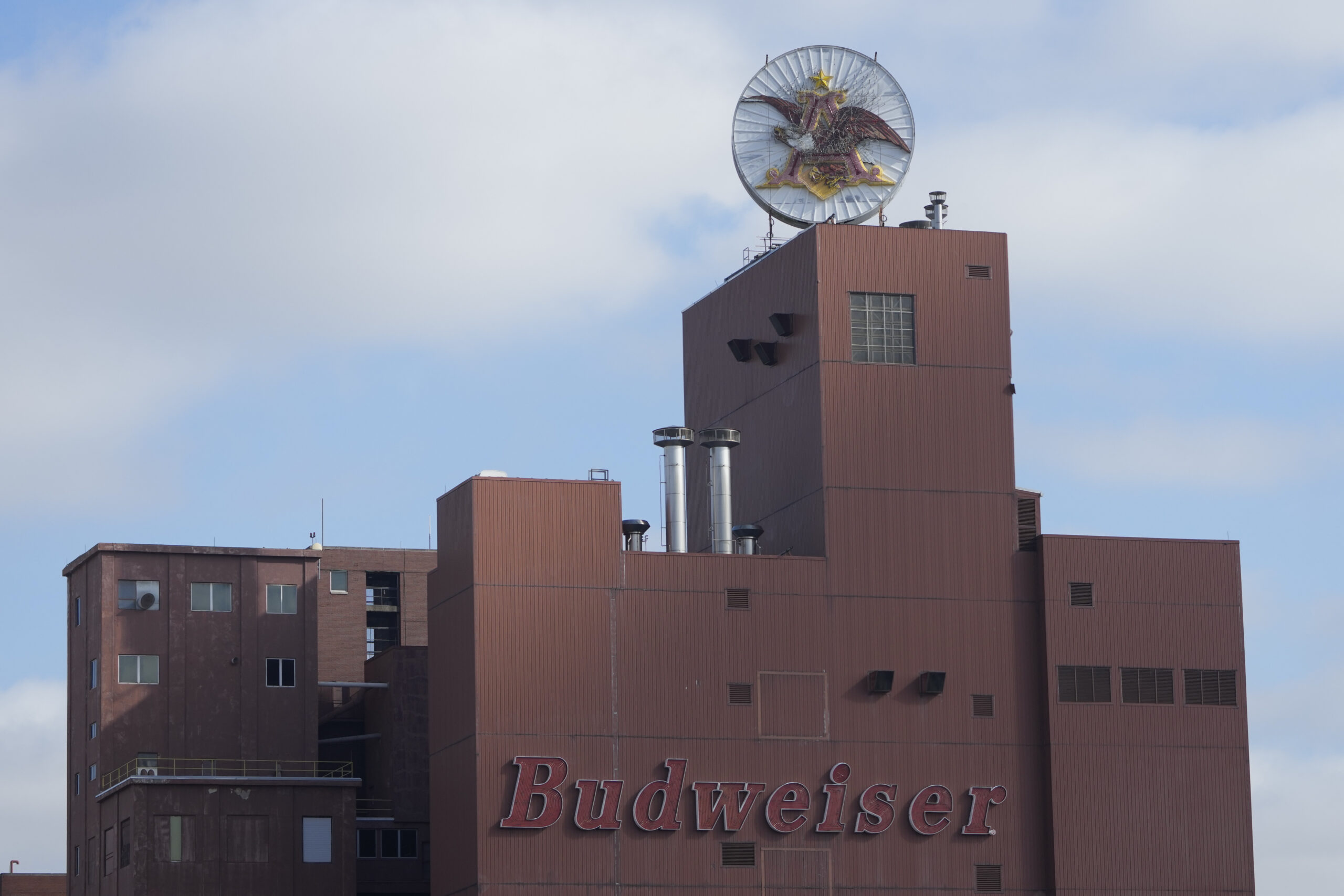
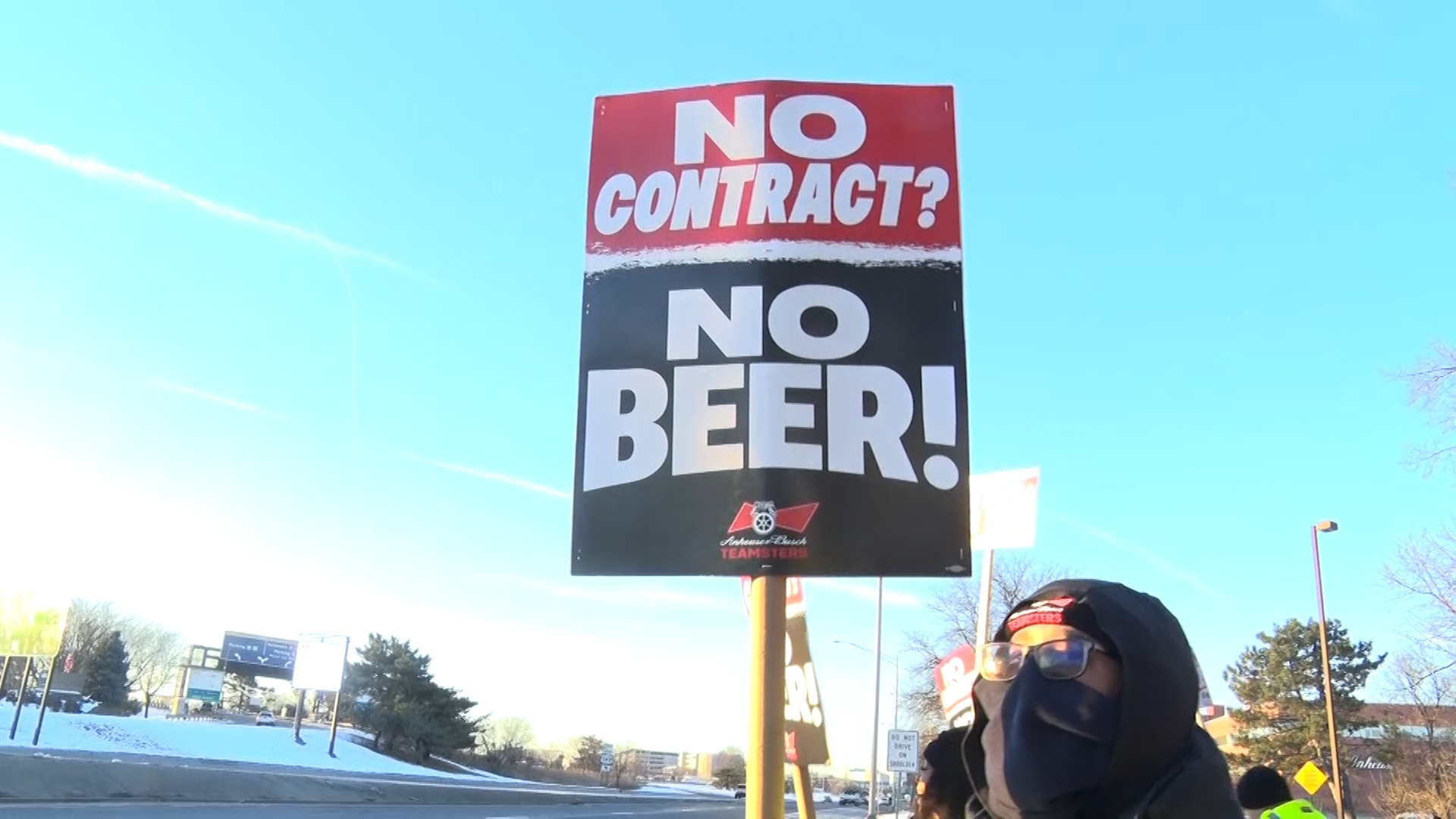
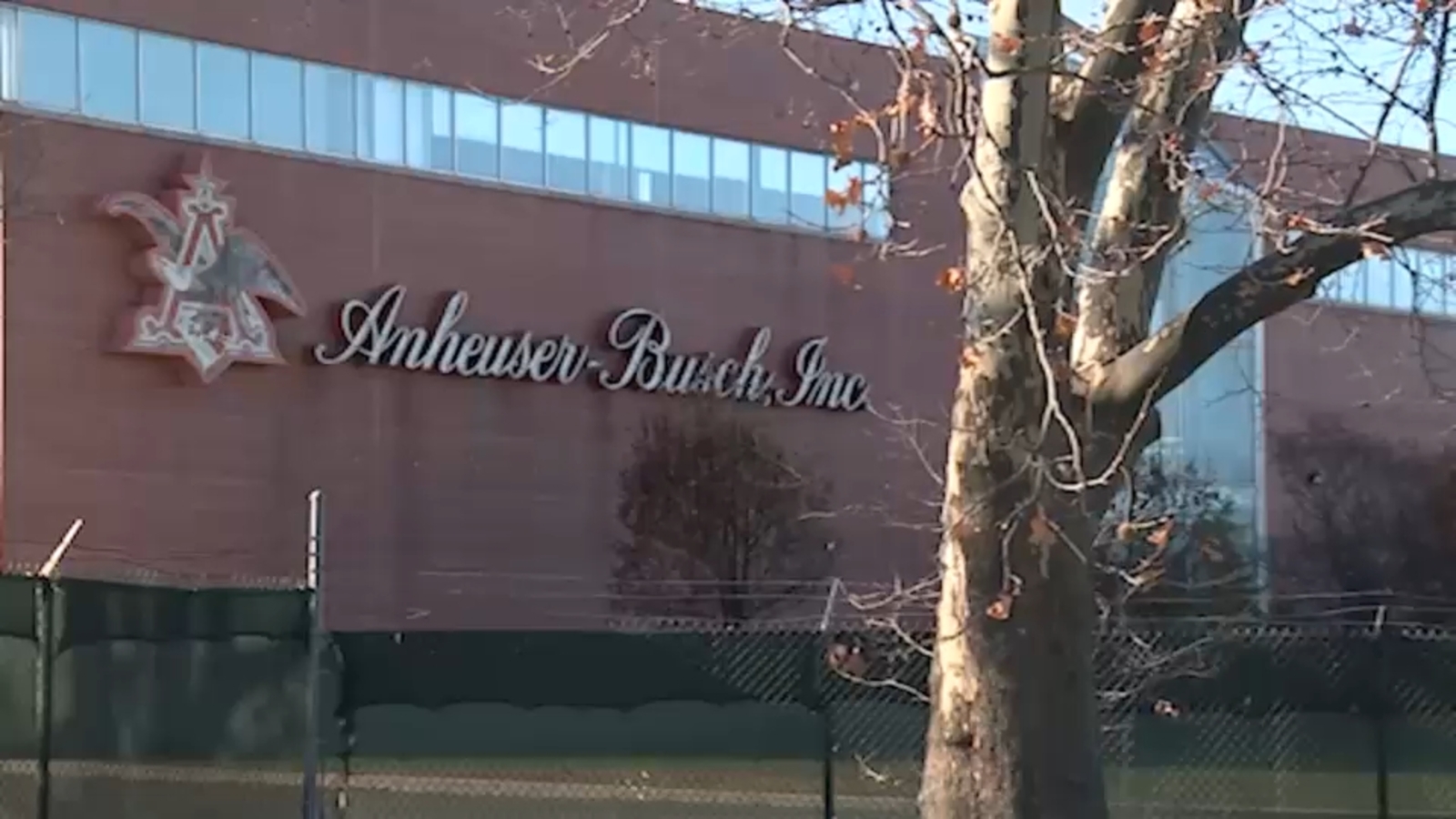
To understand why the "deal" matters, one must first identify what it actually was. In early 2024, Anheuser-Busch narrowly avoided a nationwide strike by reaching a five-year collective bargaining agreement with the International Brotherhood of Teamsters, representing approximately 5,000 workers across 12 breweries. The Newark facility, a massive industrial landmark visible from the New Jersey Turnpike, was a focal point of these negotiations.
The agreement arrived at a critical juncture for the company. Following a period of market volatility and shifting consumer preferences, the Newark brewery—one of the largest in the Anheuser-Busch network—needed operational certainty. The resulting contract, which runs through 2029, provided a comprehensive package that addressed the primary concerns of the modern industrial workforce: inflation-adjusted wages, healthcare costs, and the looming shadow of automation.
By 2026, the "Newark Deal" has transitioned from a headline-grabbing labor victory into a case study of how corporate investment and unionized labor can find common ground in a high-cost living area like Northern New Jersey.
Strengthening the Local Economy of Newark
The Newark brewery is more than just a production site; it is an economic engine for Essex County. Why the deal matters locally is rooted in the "multiplier effect" of high-wage industrial jobs.
Job Retention and Middle-Class Stability
The 2024 contract included a significant $8-per-hour wage increase over the life of the deal, with an immediate $4-per-hour raise upon ratification. In a region where the cost of living consistently outpaces the national average, these raises ensured that the hundreds of workers at the Newark plant could remain part of the local middle class. This stability prevents the "brain drain" of skilled fermentation and logistics experts to other states.
Tax Revenue and Infrastructure
The Newark facility is a major taxpayer. The deal’s commitment to keeping the brewery operational—rather than shifting production to lower-cost facilities in the South or Midwest—guarantees a steady stream of property and payroll taxes. These funds support Newark’s municipal services and public infrastructure. Furthermore, the brewery’s continued operation supports a secondary economy of local vendors, from maintenance contractors to regional logistics providers who manage the "last mile" delivery to the New York City metropolitan area.
Supply Chain Resilience in the Northeast Corridor
Logistically, the Newark brewery is arguably the most strategically located asset in the Anheuser-Busch portfolio. It serves the most densely populated region in the United States.
Proximity to Port Newark and Major Highways
The deal matters because it ensures no disruption in the supply chain for the Northeast. The Newark brewery sits adjacent to Newark Liberty International Airport and Port Newark–Elizabeth Marine Terminal. It has direct access to I-95 (the NJ Turnpike) and I-78. If the Newark brewery were to go offline due to labor unrest or lack of investment, the cost of shipping beer into the New York/New Jersey market from the next closest major brewery (such as Columbus, Ohio) would skyrocket, increasing both the carbon footprint and the retail price of the product.
The Role of "Freshness" in Market Share
In the beer industry, "born-on dates" are a critical marketing and quality metric. The Newark deal allows Anheuser-Busch to maintain its "freshness" advantage in the lucrative NYC market. By keeping the Newark lines running at peak capacity, the company ensures that its flagship products, including Budweiser and Bud Light, reach retailers within days of packaging, a feat that would be impossible without the Newark facility’s specialized output.
A Precedent for Labor Relations in the 2020s
The Newark deal matters on a national scale because it signaled a shift in labor dynamics. Following the "Hot Labor Summer" of 2023, which saw strikes in the automotive and entertainment sectors, the Anheuser-Busch agreement proved that large-scale industrial disputes could be resolved through proactive bargaining rather than work stoppages.
| Feature of the Deal | Impact on Newark Workers | Broader Industry Significance |
|---|---|---|
| Wage Increases | $8/hour total increase over 5 years. | Set a high bar for brewery and logistics wages nationwide. |
| Retiree Health Care | Restoration of benefits for eligible members. | Reverses a decades-long trend of cutting retiree "legacy" costs. |
| Ratification Bonus | $2,500 immediate payment per member. | Provided immediate liquidity during inflationary periods. |
| Job Security Clauses | Protections against outsourcing and automation. | Addresses the primary fear of the modern blue-collar worker. |
| Pension Contributions | Increased employer contributions. | Strengthens the long-term solvency of multi-employer pension funds. |
The deal was particularly significant for its stance on automation. As of 2026, the Newark brewery has integrated advanced robotics in its packaging and palletizing lines. However, because of the 2024 deal, this integration happened alongside the workforce rather than in place of it. The contract mandated that technological advancements would not result in mass layoffs, instead requiring the company to retrain existing Teamsters to operate and maintain the new equipment.
Environmental and Sustainability Investments
Another reason the deal matters is the capital investment that followed labor peace. Anheuser-Busch’s commitment to its Newark facility included a series of sustainability upgrades that are coming to full fruition in 2026.
Sustainability initiatives at the Newark brewery include:
- Water Reduction Technologies: Newark has implemented high-efficiency cleaning systems that have reduced water usage per barrel of beer by over 15% compared to 2022 levels.
- Solar Integration: Large-scale solar arrays on the brewery’s warehouse roofs now contribute a significant portion of the site’s peak electricity demand.
- Carbon Capture: The facility has pioneered systems to capture CO2 produced during the fermentation process, which is then purified and reused for carbonating the finished beverage, reducing the need for industrial gas shipments.
These investments only make sense if the company is committed to the site for the long term. The 2024 labor deal provided the multi-year stability required for the board of directors to green-light these multi-million dollar "green" projects.
Navigating the Competitive Beverage Landscape
In 2026, the beverage industry is more competitive than ever. The rise of ready-to-drink (RTD) cocktails, hard seltzers, and the continued presence of craft beer means that legacy brewers must be efficient.
The Newark deal allowed Anheuser-Busch to pivot its production lines to meet these trends. The Newark facility is no longer just a "Budweiser plant"; it is a flexible manufacturing hub. The labor agreement included provisions for flexible scheduling and cross-training, which enabled the Newark team to produce a wider variety of brands and packaging formats (such as sleek cans and variety packs) that the 2026 consumer demands.
Without the cooperation established in the 2024 deal, the Newark brewery might have struggled to adapt to the rapid decline of traditional lager volumes. Instead, it has become a leader in the company’s "beyond beer" strategy.
Common Misconceptions About the Newark Deal
A common misunderstanding is that the deal only benefited the union workers. In reality, the deal was a strategic move for Anheuser-Busch management to mitigate risk.
- Market Share Protection: In 2023 and 2024, the company was recovering from branding challenges. A strike in Newark would have led to empty shelves in the world’s most influential media market (New York City), potentially causing a permanent loss of shelf space to competitors like Molson Coors or Constellation Brands.
- Operational Consistency: The cost of training a new workforce in a specialized field like industrial brewing is astronomical. By retaining its veteran workforce through a generous contract, Anheuser-Busch avoided the "hidden costs" of high turnover, such as safety incidents and product quality issues.
FAQ: Understanding the Newark Brewery Impact
What was the specific duration of the Anheuser-Busch Teamsters deal?
The contract ratified in early 2024 is a five-year agreement. It is set to expire in 2029, providing labor peace and operational stability through the end of the decade.
How many people does the Newark brewery employ?
While numbers fluctuate based on seasonal demand, the Newark facility typically employs between 400 and 600 full-time Teamsters members, in addition to management, security, and third-party contractors. It remains one of the largest private-sector employers in the city of Newark.
Did the deal affect the price of beer in New Jersey?
While labor is a component of cost, the deal actually helped stabilize prices by preventing the supply chain shocks a strike would have caused. By maintaining local production in Newark, the company avoids the high logistics costs of shipping heavy liquids into the region from distant breweries.
How has the Newark brewery changed since the 2024 deal?
By 2026, the brewery has seen significant upgrades in its packaging lines and a shift toward more sustainable energy sources. The workforce has also undergone extensive retraining to handle automated logistics systems that were implemented as part of the facility's modernization.
Does the Newark brewery produce brands other than Budweiser?
Yes. The Newark facility is a versatile production hub that brews and packages a wide variety of Anheuser-Busch brands, including Bud Light, Stella Artois, and various regional craft acquisitions, as well as the company's growing portfolio of non-beer beverages.
Next Steps for Stakeholders
For those tracking the impact of this deal in 2026, the focus should now shift to the 2029 contract cycle. Observers should monitor the brewery's efficiency metrics and any further announcements regarding "green" capital investments. For local residents and job seekers, the Newark brewery continues to represent a rare opportunity for high-skill, union-protected industrial work in the heart of the Northeast. Investors should look at the Newark plant as a benchmark for how Anheuser-Busch manages its most critical geographic markets.
Image Gallery