The Performance Evolution of the Electric Motorcycle Superbike
An electric motorcycle superbike represents the pinnacle of battery-electric vehicle engineering, designed to deliver instantaneous torque, extreme acceleration, and race-grade handling without the mechanical complexity of an internal...
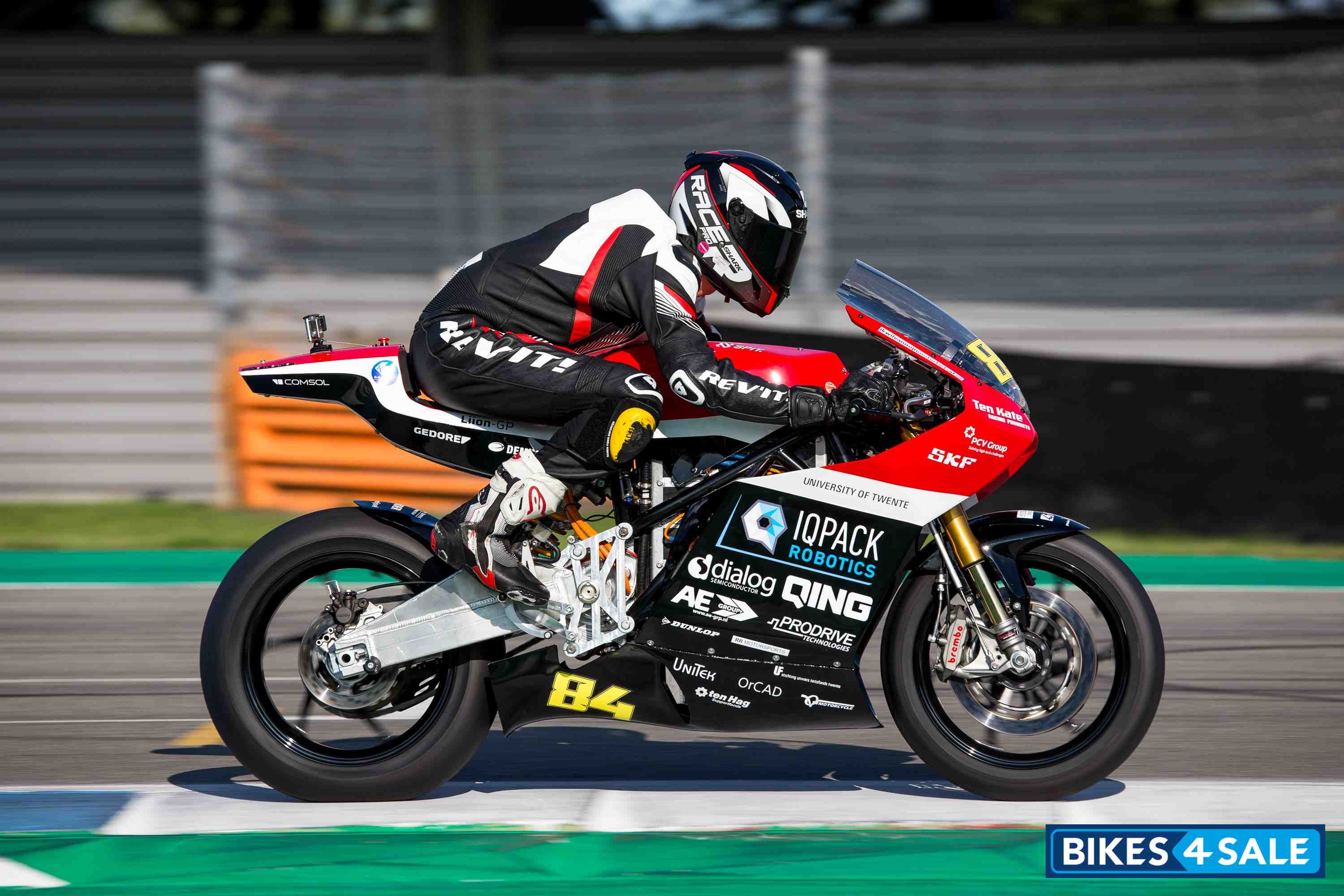
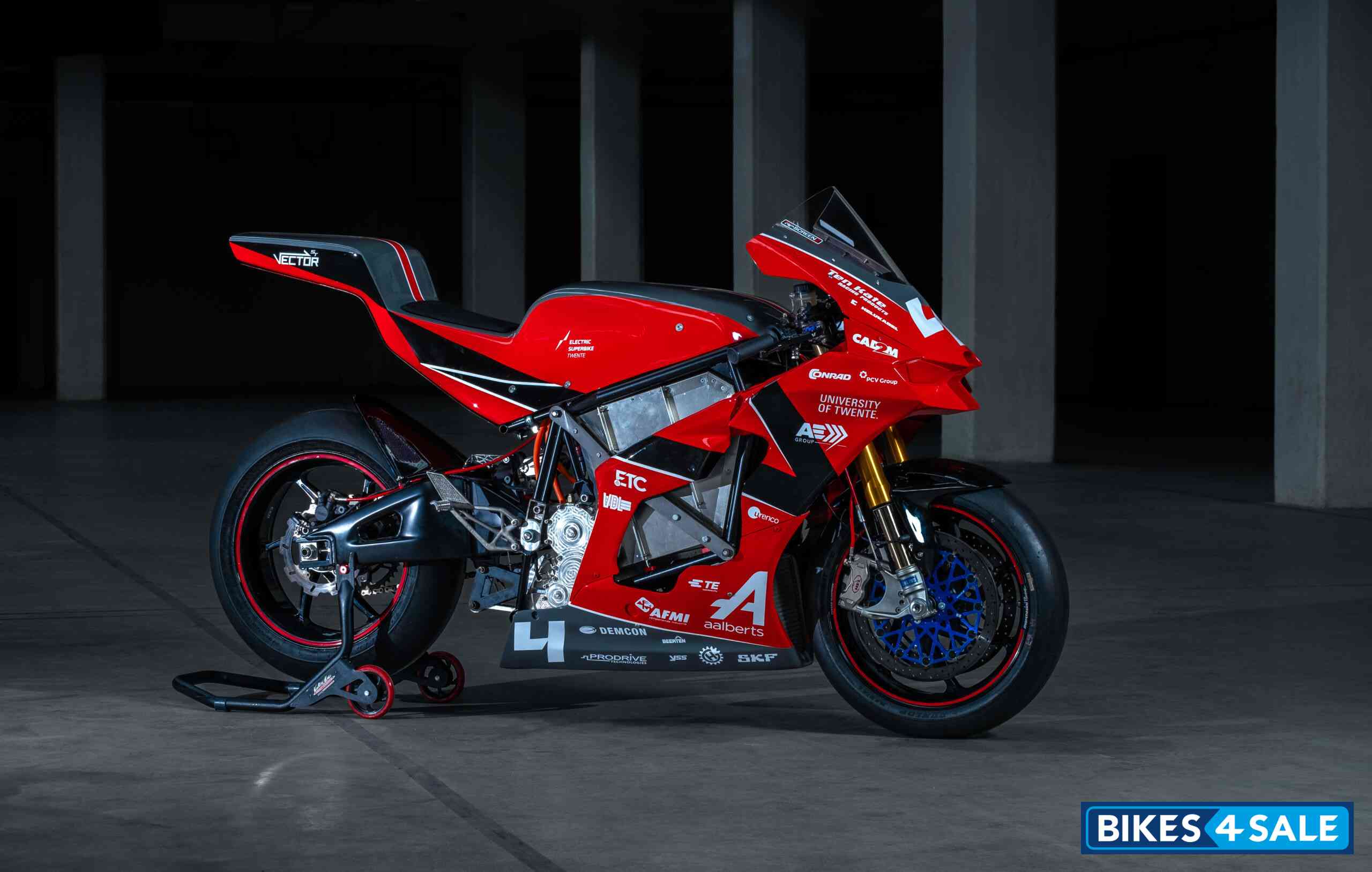
An electric motorcycle superbike represents the pinnacle of battery-electric vehicle engineering, designed to deliver instantaneous torque, extreme acceleration, and race-grade handling without the mechanical complexity of an internal combustion engine. These machines serve as high-performance platforms for riders seeking zero-emissions track capability and precision-engineered power delivery.
Contents
Defining the Electric Superbike Segment
The term "superbike" traditionally refers to a production-based motorcycle modified for racing, characterized by high power-to-weight ratios, sophisticated suspension geometry, and aerodynamic bodywork. In the electric sector, this segment is defined by a departure from internal combustion engines toward high-output permanent magnet motors and high-voltage lithium-ion battery architectures.
Unlike entry-level electric commuters, a superbike-class electric motorcycle must manage significant heat dissipation requirements. Because electric motors generate heat through both the stator and rotor—and batteries experience chemical stress during rapid discharging—these machines incorporate advanced liquid-cooling systems and sophisticated thermal management software to ensure consistent power delivery during extended high-speed operation.
Core Technical Specifications and Performance Metrics
Performance in this category is measured by metrics that differ significantly from legacy superbikes. While traditional superbikes rely on power bands and gear shifting to maintain engine speed, electric superbikes utilize a direct-drive or single-reduction gearbox system. This enables 100% torque availability from 0 RPM, which creates unique handling dynamics during corner exits.
Key Components:
- Motor Architecture: Most modern electric superbikes utilize axial-flux or radial-flux permanent magnet motors. These are chosen for their high power density and efficiency.
- Battery Management Systems (BMS): The BMS is the brain of the machine, regulating cell voltage, temperature, and discharge rates. In a superbike, the BMS must permit high-burst discharge rates during acceleration while protecting the structural integrity of the cell chemistry.
- Inverters: Silicon Carbide (SiC) inverters are becoming the industry standard. They convert the DC power from the battery into AC for the motor with minimal heat loss compared to traditional Silicon-based inverters, which increases total range and performance efficiency.
Practical Considerations for Owners
Owning an electric superbike in 2026 requires a shift in infrastructure and maintenance expectations. Riders must account for charging protocols, as these machines frequently utilize Level 3 DC Fast Charging (DCFC) capabilities. While a standard garage wall outlet (Level 1) is insufficient for rapid replenishment, a 240V Level 2 charging station is typically the baseline for home owners.
Maintenance is significantly streamlined compared to internal combustion superbikes. There is no requirement for oil changes, spark plug replacement, valve clearance adjustments, or air filter maintenance. However, the focus shifts toward specialized consumables:
- Braking Systems: Because electric superbikes are often heavier than their gas-powered counterparts due to battery density, regenerative braking is used to slow the bike. While this saves wear on friction pads, the hydraulic fluid must still be monitored for thermal degradation.
- Tire Management: The instant, massive torque delivery inherent to electric motors places high stress on rear tire compounds. Riders should anticipate shorter intervals for tire replacement compared to traditional superbikes.
- Final Drive: Most electric superbikes utilize a chain or belt drive. A high-quality chain remains a standard, requiring regular lubrication and tensioning to handle the immediate mechanical load of the electric motor.
Comparing Electric vs. Internal Combustion Superbikes
| Feature | Electric Superbike | Internal Combustion (ICE) |
|---|---|---|
| Torque Delivery | Instantaneous from 0 RPM | Dependent on RPM / Power Band |
| Maintenance | Minimal (Fluids, Tires, Brakes) | Extensive (Valves, Oil, Plugs, Filters) |
| Refueling Time | 20–40 mins (DC Fast Charge) | 2–5 minutes (Gas Station) |
| Sound Profile | High-frequency turbine whine | Exhaust note and mechanical clatter |
| Weight Distribution | Low and centered (Battery pack) | Variable (Engine mass, exhaust) |
Safety and Regulatory Considerations
Safety protocols for electric superbikes involve high-voltage (HV) awareness. Most manufacturers implement a bright orange cabling system to designate HV lines. Riders and technicians should never attempt to modify or bypass the battery casing or inverter housing. In the event of a crash, sensors are designed to disconnect the battery from the motor controller instantly to prevent fire or electrical hazards.
Legally, these motorcycles are classified as high-performance motorcycles and require standard licensing and insurance. However, insurance premiums may fluctuate based on the specific repairability of the battery pack. Prospective owners should verify that their policy covers total battery replacement, as this component often represents over 40% of the vehicle’s total value.
Frequently Asked Questions
What is the effective track range of an electric superbike? Range varies based on riding intensity, but a dedicated track session typically consumes significant energy. While street riding may yield 100–150 miles, a high-intensity track day might limit a single charge to 30–50 miles. Riders often utilize transportable DC fast chargers at the track to replenish energy between sessions.
How does regenerative braking affect cornering? Regenerative braking provides a "compression braking" effect similar to a traditional engine. Many advanced electric superbikes allow the rider to adjust the level of "regen," which can be tuned to prevent rear-wheel lockup or to assist in settling the chassis during corner entry.
Are electric superbikes easier for beginners to ride? While the lack of a clutch and gear-shifting simplifies the learning curve, the raw, immediate torque of an electric superbike can be overwhelming for inexperienced riders. Most manufacturers include electronic rider aids, such as traction control and adjustable power maps, to help manage power delivery.
Do electric superbikes experience "range anxiety" on the street? "Range anxiety" is significantly reduced by the integration of real-time telemetry systems. Modern bikes feature dedicated apps that map charging stations along the route, providing accurate estimates of remaining charge based on current riding style and elevation changes.
Is it possible to replace the battery once it degrades? Yes, but it is a complex, manufacturer-specific process. In 2026, most electric superbike batteries are warrantied for a specific duration or cycle count (e.g., 5-8 years). Because the battery is a modular, high-voltage unit, this service must be performed by an authorized dealership to maintain safety compliance.
Next Steps for Prospective Buyers
If you are considering the transition to an electric motorcycle superbike, the most vital step is a "long-duration" test ride. Standard dealership loops are insufficient to gauge the ergonomics and power delivery of these machines. Request a test ride that includes both urban traffic and high-speed road sections to evaluate how the bike handles regenerative braking and thermal management. Finally, ensure your home charging setup is compliant with the manufacturer's recommended voltage and amperage requirements to ensure that your machine is ready to ride when you are.
Image Gallery