Understanding What a Colocation Site Provides for Business Infrastructure
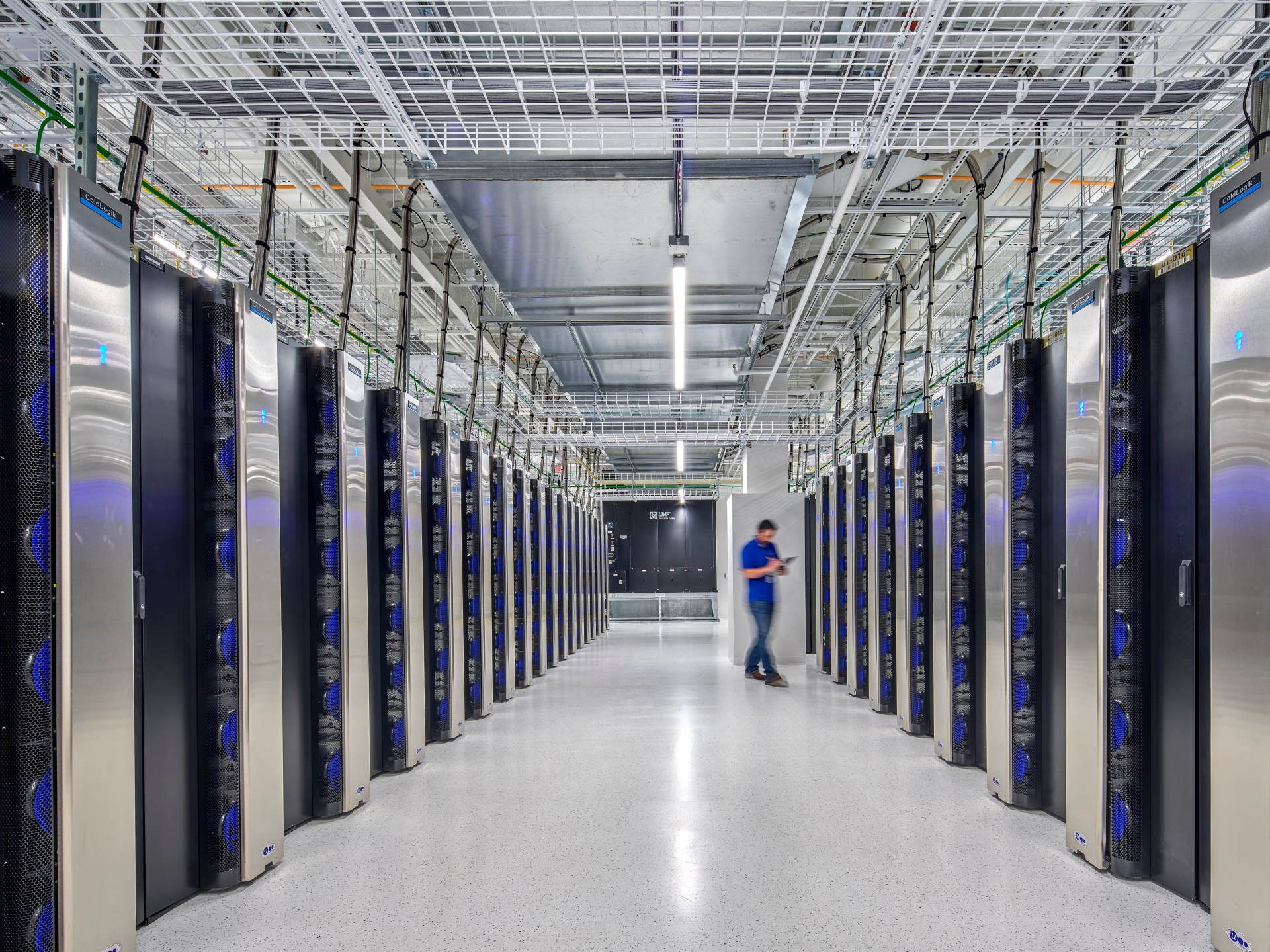
A colocation site provides a secure, climate-controlled facility where businesses can rent space for their own servers and networking hardware. By outsourcing the physical infrastructure—such as power, cooling, physical security, and h...
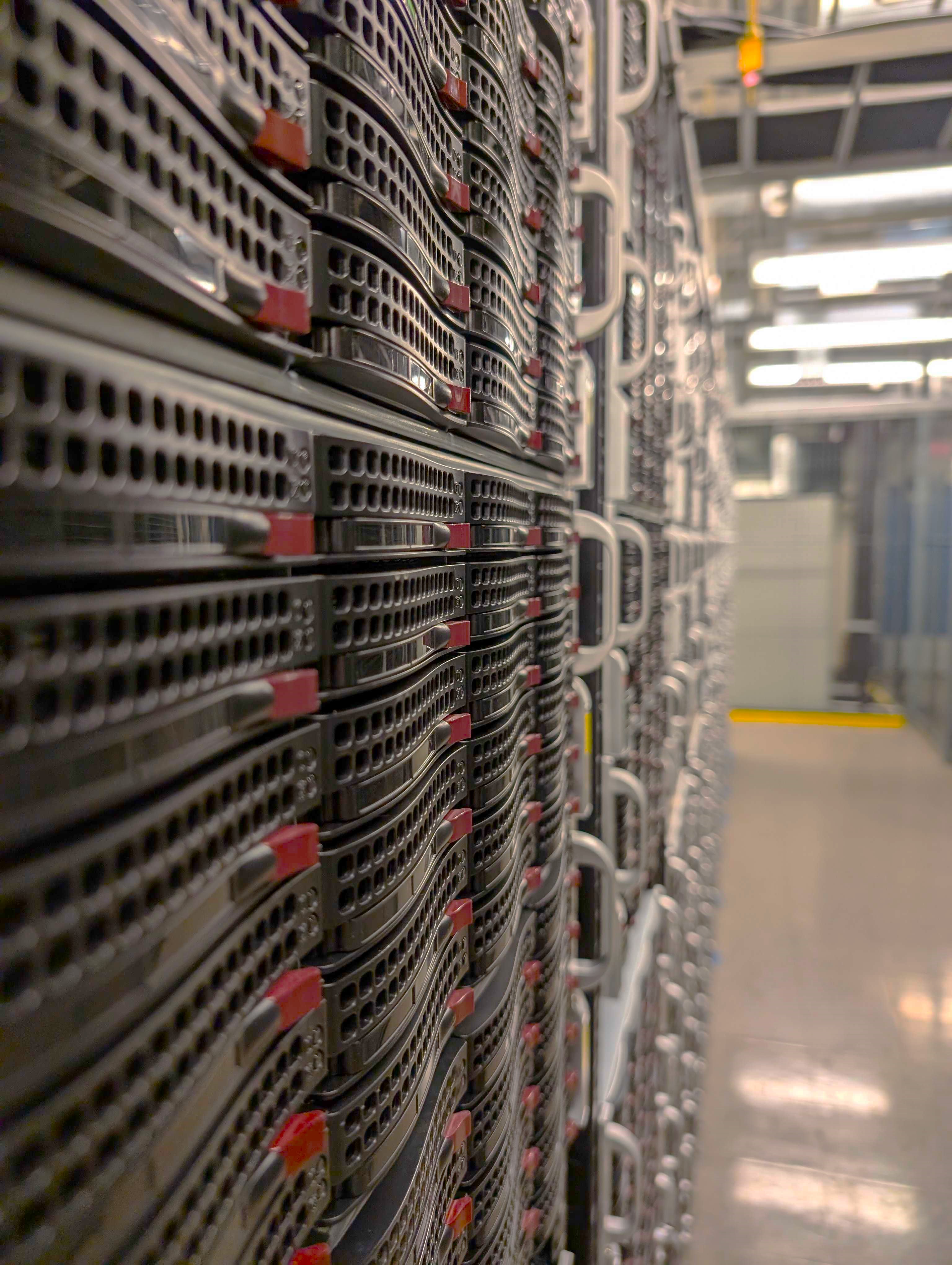
A colocation site provides a secure, climate-controlled facility where businesses can rent space for their own servers and networking hardware. By outsourcing the physical infrastructure—such as power, cooling, physical security, and high-speed network connectivity—organizations maintain full control over their own computing equipment while benefiting from the robust environment of a professional data center.
Contents
The Role of Colocation in Modern IT Strategy
In the current technological landscape of 2026, companies often face a dilemma: build and maintain an expensive, private data center or rely entirely on public cloud services. Colocation sits as a vital middle ground. When you move equipment into a colocation site, you are essentially leasing "real estate" within a mission-critical building.
Unlike public cloud providers, where you lease virtualized compute instances, colocation allows you to keep ownership and physical control of your hardware. This is particularly important for industries with specific compliance requirements, legacy hardware that cannot be easily virtualized, or high-performance computing needs where consistent, low-latency access to specific hardware is mandatory.
Physical Security and Facility Hardening
One of the primary benefits a colocation site provides is physical security that would be cost-prohibitive for most individual companies to replicate internally.
- Access Control: Professional data centers employ multi-factor authentication, including biometric scanners, badge readers, and man-traps (security vestibules) to ensure only authorized personnel enter the server floor.
- Surveillance: 24/7 high-definition video monitoring covers every entrance, exit, and aisle. Most facilities retain these logs for extended periods to satisfy audit requirements.
- On-site Staff: Security teams are typically present around the clock, providing an immediate human response to any unauthorized presence or facility alarms.
Environmental Controls and Power Redundancy
A data center is a delicate ecosystem. Hardware performance and longevity depend heavily on stable environmental conditions. Colocation providers invest millions into infrastructure designed to keep equipment running at 99.999% uptime.
Power Infrastructure: A colocation site provides clean, redundant power. This includes dual power feeds from different utility substations, coupled with Uninterruptible Power Supply (UPS) systems that bridge the gap during a power failure. Furthermore, on-site diesel or natural gas generators provide long-term power backup, usually accompanied by contracts for immediate refueling priority in the event of a regional outage.
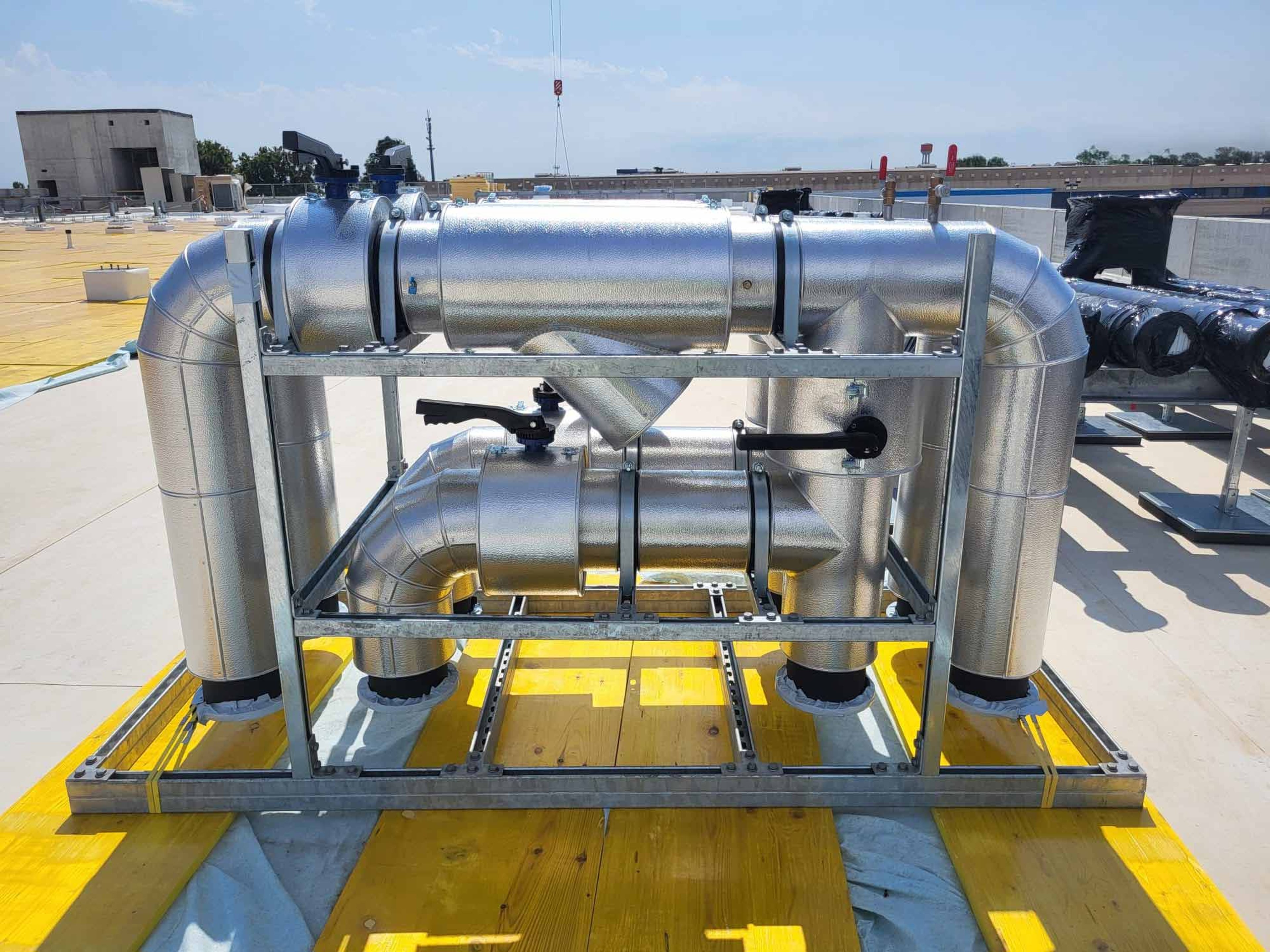
Cooling Systems: Heat is the primary enemy of server reliability. Colocation providers use advanced HVAC systems configured for "hot aisle/cold aisle" containment. By managing airflow precisely, they ensure that cold air is directed exactly where it is needed and that hot exhaust air is pulled away efficiently. This prevents hotspots that could lead to hardware throttling or premature component failure.
Connectivity and Network Neutrality
A colocation site is essentially a massive exchange point for internet traffic. Because these facilities house thousands of servers, telecommunications companies establish major presence points within them.
When you place your equipment in a high-quality colocation site, you gain access to "Carrier Neutrality." This means you are not locked into a single internet service provider (ISP). You can choose from dozens of fiber providers to obtain the best bandwidth pricing, the most reliable routes, and the lowest latency to your specific user base. You can also establish cross-connects—physical cables running directly from your rack to another entity’s rack within the same facility—enabling high-speed, secure communication without ever traversing the public internet.
Comparing Colocation to Alternative Infrastructure Models
Deciding whether to use a colocation facility requires an analysis of your operational model. The following table highlights the differences between colocation and other common deployment strategies.
| Feature | Private Data Center | Colocation | Public Cloud |
|---|---|---|---|
| Hardware Ownership | You Own | You Own | Provider Owns |
| Control | Absolute | High | Limited/Virtual |
| Capital Expense (CapEx) | Very High | Moderate | Low (Operational Expense) |
| Scalability | Slow/Manual | Moderate | Instant |
| Maintenance Burden | Maximum | Physical Only | Minimal |
Operational Requirements and Hardware Setup
Transitioning to a colocation facility is not a plug-and-play process. It requires careful planning, often involving site surveys and physical logistics coordination.
- Capacity Planning: You must account for your power density (measured in kilowatts per rack). If you run high-performance computing or GPU-heavy workloads, you may need specialized high-density cooling or additional circuit capacity.
- Hardware Specifications: Ensure your equipment is "rack-ready." This includes appropriate rail kits for mounting and ensuring your power supplies are compatible with the site’s provided voltage (often 208V or 415V in professional environments).
- Cross-Connect Management: Define which providers you need to reach. The colocation provider will handle the "meet-me-room" provisioning, where your rack is physically patched to the provider's distribution frame.
- Compliance and Audits: If your organization handles sensitive financial or medical data, verify that the colocation provider holds the relevant certifications, such as SSAE 18 (SOC 1/2), HIPAA, or PCI-DSS compliance.
Common Challenges and Mitigation
While colocation offers significant advantages, it introduces specific challenges that require proactive management.
- Remote Access: Unlike having a server under your desk, you cannot simply walk over and press a physical reset button. You must rely on Out-of-Band (OOB) management tools, such as Intelligent Platform Management Interface (IPMI) or console servers, to troubleshoot hardware when the OS becomes unresponsive.
- Shipping and Logistics: Moving servers into a secure facility is a logistical hurdle. Professional sites often have strict delivery hours and requirements for certified freight carriers. Always pre-coordinate equipment arrival with the site manager.
- Cost Management: While colocation saves on building costs, it is not cheap. Costs fluctuate based on power consumption and rack space. Miscalculating your power needs can lead to surprise billing premiums.
Frequently Asked Questions
Does a colocation site manage my software? No. A colocation site provides the physical environment—space, power, cooling, and connectivity. You remain entirely responsible for the operating system, applications, data, and software patches residing on your hardware.
What is a "cross-connect" in colocation? A cross-connect is a direct physical cable connection between your equipment and another customer or service provider within the same data center. It bypasses the public internet, providing lower latency and higher security for inter-company traffic.
Can I visit my servers in a colocation facility? Yes. Most reputable colocation sites offer 24/7/365 physical access to your hardware. However, you will need to register authorized personnel with the facility, and you will likely need to present government-issued identification upon arrival.
How is electricity billed in colocation? Pricing models vary. Some providers offer "flat-rate" power based on the circuit size (e.g., a 30-amp circuit), while others meter actual usage in kilowatt-hours (kWh). Always confirm your billing structure before signing a long-term lease.
Is colocation more secure than a public cloud? "Secure" is relative. Colocation provides superior physical control, allowing you to secure your hardware with your own physical locks and surveillance. Public cloud providers, conversely, offer more mature virtual security tools and automated compliance frameworks.
Recommendations for Future-Proofing
When selecting a colocation provider in 2026, prioritize facilities that offer "Interconnection-Ready" infrastructure. As businesses increasingly rely on hybrid-cloud architectures, the ability to easily tether your private equipment to various cloud platforms via dedicated private lines (like AWS Direct Connect or Azure ExpressRoute) is becoming a critical competitive advantage.
Before finalizing your contract, request a tour of the facility during peak operating hours. Observe the cleanliness of the raised floor, the noise levels, and the response time of the security desk. A colocation site is not just a room for servers; it is a critical extension of your enterprise architecture. Ensure the provider’s operational culture aligns with your organization's uptime requirements and long-term scaling goals.
Image Gallery