Mark Sanchez Salary Overview in the NFL: A Career Earnings Analysis
Mark Sanchez, who played 10 seasons in the National Football League (NFL) between 2009 and 2018, earned a total of approximately $75.6 million in cash compensation over the course of his professional football career. His salary profile...
Mark Sanchez, who played 10 seasons in the National Football League (NFL) between 2009 and 2018, earned a total of approximately $75.6 million in cash compensation over the course of his professional football career. His salary profile reflects a high-profile rookie contract following his selection as a top-five NFL Draft pick, subsequent veteran extensions, and later journeyman agreements as a backup quarterback.
Contents
The Rookie Contract: The Foundation of NFL Earnings
Mark Sanchez entered the NFL in 2009 after being selected fifth overall by the New York Jets. At that time, before the implementation of the 2011 Collective Bargaining Agreement (CBA) which standardized and limited rookie wages, top-five draft picks commanded significant financial packages. Sanchez signed a five-year deal worth approximately $50 million, with roughly $28 million guaranteed.
This contract established the baseline for his career wealth. Because he was drafted under the previous system, his base salary and signing bonuses were notably higher than those of later prospects. His initial years in New York were characterized by deep playoff runs, which often included additional performance-based incentives and playoff game bonuses.
Career Progression and Salary Structure
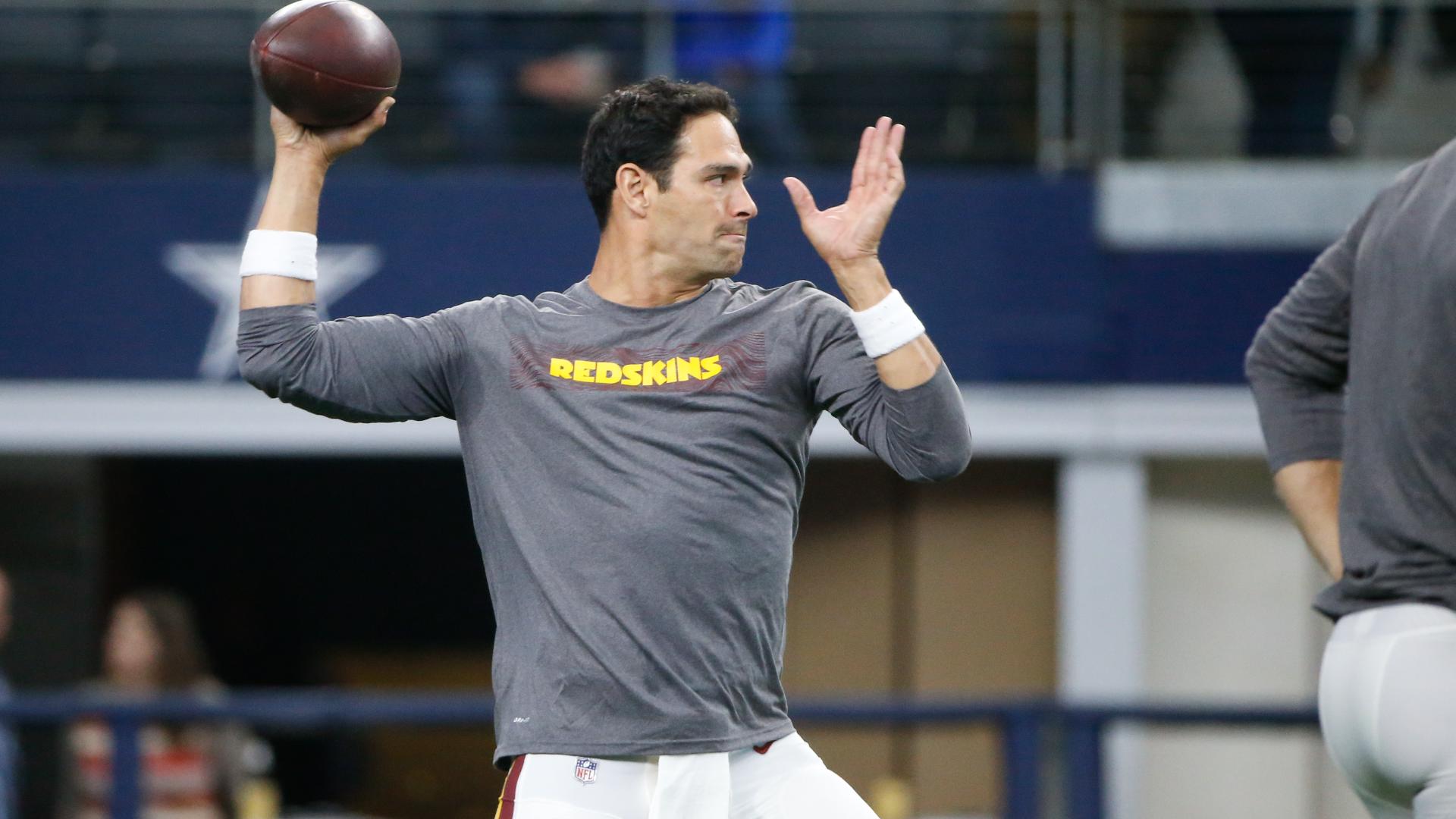
Following his initial rookie deal, Sanchez’s salary trajectory shifted as he transitioned from a franchise starter to a reliable veteran presence across several organizations. His NFL career spanned stints with the New York Jets, Philadelphia Eagles, Denver Broncos, Dallas Cowboys, Chicago Bears, and Washington Redskins (now Commanders).
The transition from a primary starter to a backup role fundamentally alters an NFL player's compensation. Starters—particularly at the quarterback position—typically command market-rate contracts that account for team revenue and leadership. Backup quarterbacks, while still earning well above the average national income, operate under different financial tiers, often signing one-year or "prove-it" contracts that provide less guaranteed money compared to long-term franchise deals.
NFL Compensation Components
To understand the nuances of the Mark Sanchez salary overview, it is essential to distinguish between the various components of NFL contracts, as these contribute to the final reported earnings figure:
- Signing Bonus: Paid upfront upon the execution of a contract. This is typically prorated against the team’s salary cap over the life of the contract but provides the player with immediate liquidity.
- Base Salary: The fixed compensation paid out over the 18-week regular season.
- Roster Bonuses: Financial triggers based on a player being active on the team roster on a specific date, such as the start of the league year or the first week of the season.
- Workout Bonuses: Incentives paid to players for participating in off-season conditioning programs.
- Performance Incentives: Contract clauses that trigger additional pay based on statistical achievements, such as passing yards, completion percentage, or team milestones like playoff appearances.
Historical Earnings Table (Selected Major Contracts)
The following table provides an overview of the key phases in Sanchez’s professional financial journey in the NFL.
| Period | Team | Contract Status | Primary Financial Driver |
|---|---|---|---|
| 2009-2013 | NY Jets | Rookie/Extension | $50M Total Value |
| 2014 | Philadelphia | Veteran Free Agency | $2.25M Base |
| 2015 | Philadelphia | One-Year Extension | $5.5M Total Value |
| 2016 | Denver | Trade/Salary | $4.5M Base |
| 2017 | Chicago | Veteran Minimum | $2.0M Total |
| 2018 | Washington | Veteran Minimum | $1.0M Base (Pro-rated) |
Note: Figures reflect reported cash earnings based on historical contract data and may not include endorsements, private investments, or taxes.
The Economics of the Backup Quarterback
As Sanchez moved into the latter half of his career, his salary structure aligned with the industry standard for veteran backup quarterbacks. In the modern NFL, teams prioritize having a veteran who understands complex offensive schemes and can stabilize a locker room. While these roles do not carry the $30M-$50M annual price tags of elite starters, they command "veteran salary benefit" contracts.
These contracts are strategically designed to allow teams to pay experienced players a higher salary while counting a smaller, discounted amount against the team’s total salary cap. For a player like Sanchez, this allowed him to remain a valuable asset to multiple franchises throughout his final years in the league, maintaining a consistent income stream while providing insurance for teams in the event of injury to their primary starter.
Financial Management and Career Transition
Professional athletes face unique tax and financial planning requirements due to the multi-state nature of their income. Because NFL players perform in various jurisdictions, their "game checks" are subject to "jock taxes"—income taxes applied based on where the games are physically played. Throughout his career, Sanchez’s net earnings were influenced by these varying state tax obligations, a standard reality for all professional athletes.
Since retiring from the league, Sanchez has pivoted into broadcasting and media. This transition is common for high-profile quarterbacks who have spent years studying defensive coverages and game-clock management. While this article focuses on his NFL salary, his current work in media represents a shift from performance-based athletics to an entertainment-based career model.
Frequently Asked Questions
What was Mark Sanchez's highest-earning year? His highest-earning period occurred during his tenure with the New York Jets, particularly around 2012, when he was in the midst of his extension. Due to the structure of his signing bonus and base salary, his cash take-home was significantly higher during that phase than in his subsequent years as a backup.
Did rookie wage scales affect his career earnings? Yes. Sanchez was one of the last high-profile quarterbacks to sign a contract before the 2011 CBA implemented strict rookie wage scales. This timing allowed him to secure a contract significantly larger than what players drafted in the same position receive today, as the 2011 agreement limited the total financial commitment teams could make to unproven rookies.
How do performance incentives work in NFL contracts? Performance incentives are contractual clauses that reward players for hitting specific milestones. These are divided into "likely to be earned" and "unlikely to be earned" categories for salary cap purposes. For a quarterback, these often include completion percentage, number of starts, or reaching the Pro Bowl.
Are NFL salary figures public information? While the exact details of personal contracts are private documents, professional league databases and reputable sports news outlets track public record filings, agent disclosures, and team-reported salary cap data, allowing for a highly accurate calculation of career cash earnings.
Does an NFL player's salary include endorsements? No. The figures discussed in this overview refer strictly to NFL salary and team-paid bonuses. Endorsement deals, marketing partnerships, and private investments are separate financial streams that are not governed by the NFL’s collective bargaining agreements or team salary caps.
Next Steps for Financial Research
For those interested in the broader economic trends of the NFL, the best course of action is to consult official league databases or the NFL Players Association (NFLPA) public reports. These resources provide transparency on salary cap trends, which dictate how teams allocate resources across the roster. For individual career tracking, specialized statistical databases offer the most accurate year-over-year breakdowns of player compensation, adjusted for league-wide inflation and changes in the salary cap structure.
Image Gallery