Understanding How Accurate Drug Test Kits Really Perform
At-home and rapid drug test kits generally offer high reliability for screening purposes, often matching laboratory immunoassay accuracy rates of 95% to 99% when used correctly, but they remain vulnerable to user error, cross-reactivit...
At-home and rapid drug test kits generally offer high reliability for screening purposes, often matching laboratory immunoassay accuracy rates of 95% to 99% when used correctly, but they remain vulnerable to user error, cross-reactivity, and varying detection windows that require laboratory confirmation to avoid false outcomes.
Contents
The market for over-the-counter and workplace drug screening devices has expanded dramatically over the past two decades. From multi-panel urine cups to saliva swabs and hair follicle assays, individuals and employers frequently turn to rapid-result tools for immediate insights. However, understanding the underlying mechanisms, limitations, and operational dynamics of these products is vital for anyone interpreting the results. While technology has advanced to minimize manufacturing errors, biological and procedural variables continue to influence real-world performance.
The Mechanics Behind Rapid Immunoassay Technology
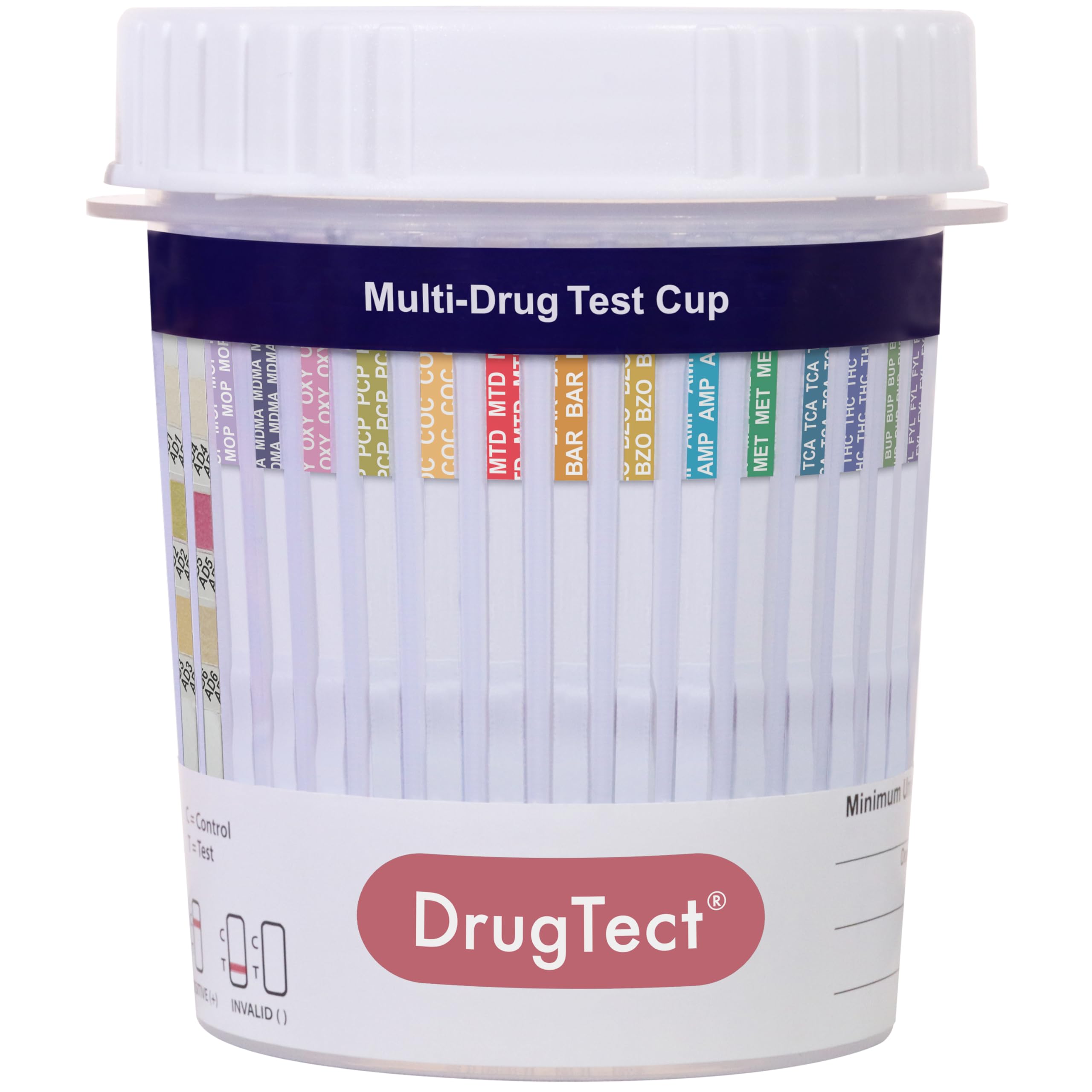
Almost all consumer drug test kits rely on immunoassay technology. This scientific method uses specifically engineered antibodies designed to bind to target drug molecules or their metabolites. When a biological sample—such as urine, saliva, or sweat—is applied to the test device, it migrates across a membrane via capillary action.
Inside the test strip, these drug metabolites compete with labeled antigens for a limited number of antibody binding sites. This competitive binding mechanism produces visible lines on the test cassette. Typically, a control line must appear to validate that the test has functioned correctly, while a test line indicates the presence or absence of the drug below a predetermined cutoff concentration.
Understanding Cutoff Levels
A critical concept in evaluating how accurate drug test kits really perform is the "cutoff level." Drug tests do not measure the absolute presence of a substance down to a single molecule; instead, they operate on threshold concentrations measured in nanograms per milliliter (ng/mL).
For example, a standard immunoassay for cannabis metabolites (THC-COOH) might use a cutoff of 50 ng/mL. If a user’s sample contains 45 ng/mL of the metabolite, the test will yield a negative result, even though the substance is present in the system. Conversely, a sample containing 55 ng/mL will trigger a positive result. These thresholds are established by regulatory bodies like the Substance Abuse and Mental Health Services Administration (SAMHSA) to minimize accidental positives from environmental exposure, such as passive inhalation.
Comparative Performance Across Sample Types
Different testing formats exhibit distinct performance profiles based on how samples are collected, stabilized, and analyzed. The choice of medium directly impacts both sensitivity and specificity.
| Test Kit Type | Primary Sample Medium | Typical Detection Window | Common Vulnerability |
|---|---|---|---|
| Immunoassay Dip Card | Urine | 1 to 7+ days (varies by substance) | Sample adulteration, dilution |
| Oral Fluid / Saliva Swab | Saliva | 1 to 48 hours | Short detection window, improper collection |
| Hair Follicle Screen | Hair strands | Up to 90 days | External environmental contamination |
| Sweat / Patch Test | Transdermal sweat | 1 to 14 days | Skin contamination, patch tampering |
Urine Test Kits
Urine testing remains the historical baseline for rapid screening. When executed according to manufacturer instructions, commercial urine test kits demonstrate high accuracy for detecting recent substance use. However, urine is highly susceptible to external tampering. Users attempting to alter outcomes may dilute their samples by consuming excessive fluids, substitute synthetic urine, or introduce adulterants such as bleach, nitrites, or oxidizing agents directly into the collection cup. Advanced test strips often include integrity checks—such as specific gravity, pH, and creatinine panels—to detect these tampering methods.
Saliva and Oral Fluid Tests
Oral fluid tests offer a non-invasive alternative that virtually eliminates the risk of sample substitution, as collection occurs under direct observation. These tests excel at identifying very recent drug use, typically within the last few hours to a couple of days. The primary limitation of saliva tests is their shorter detection window compared to urine. If an individual used a substance several days prior, oral fluid concentrations may have dropped below the detection threshold, resulting in a false negative despite ongoing systemic presence.
Hair Follicle Assessments
While less common as an over-the-counter rapid kit due to the necessity of laboratory extraction, hair testing provides an extended historical record spanning approximately 90 days. As hair grows, drug metabolites become permanently trapped within the keratin matrix. While exceptionally difficult to beat through temporary cleansing, hair tests face scrutiny regarding external environmental contamination (such as second-hand smoke exposure settling on the hair shaft) and potential racial or structural biases in drug incorporation rates across different hair types.
Sources of Error: False Positives and False Negatives
Even with sophisticated manufacturing standards, rapid drug test kits are screening tools rather than definitive diagnostic instruments. Understanding why errors occur helps contextualize real-world performance.
Causes of False Positives
A false positive occurs when a test indicates the presence of a drug that is not actually in the user's system. This is frequently caused by cross-reactivity, where the antibodies on the test strip react to chemical structures similar to the target drug. Common culprits include:
- Over-the-counter medications: Certain decongestants, cold medicines, and sleep aids contain compounds that share molecular similarities with amphetamines or methadone.
- Prescription drugs: Legitimate medications, such as specific antidepressants or antipsychotics, can occasionally trigger false positives for tricyclic antidepressants or LSD assays.
- Dietary and herbal products: Historical examples include poppy seed consumption triggering opiate flags, though modern testing cutoffs have been adjusted to account for this.
Causes of False Negatives
A false negative happens when the test fails to detect a drug that is present. This can stem from:
- Low concentration: The amount of drug metabolite in the sample is below the designated cutoff threshold.
- Expired or improperly stored kits: Exposure to extreme heat, humidity, or light can degrade the antibodies on the test strip, rendering them inert.
- Procedural failure: Reading the results outside the specified time window (e.g., reading a strip after 30 minutes when instructions specify reading between 5 and 10 minutes) can lead to chemical evaporation artifacts being misread as lines.
The Role of Confirmatory Laboratory Testing
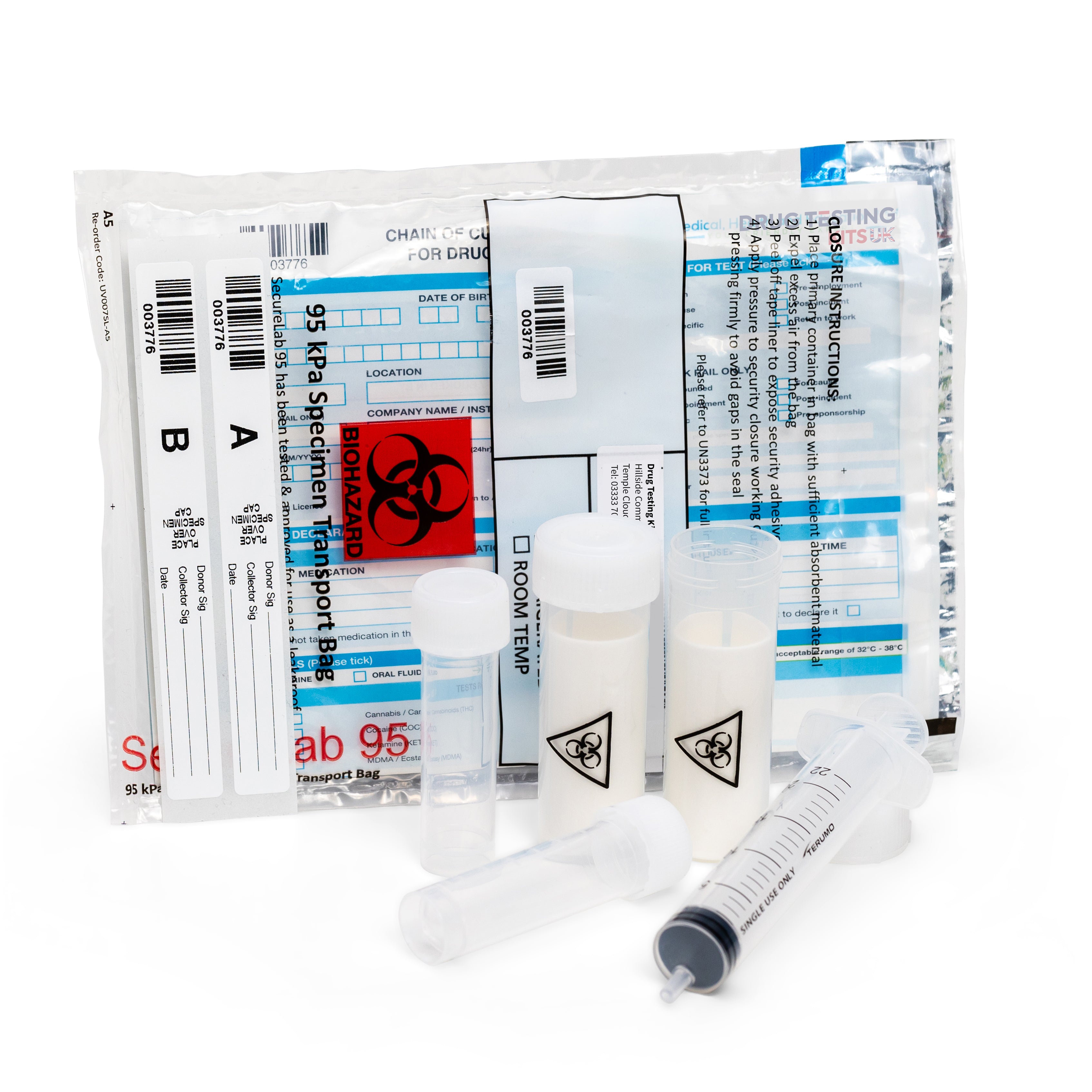
Because rapid test kits cannot definitively rule out cross-reactivity or user error, any non-negative result obtained from a screening device—particularly in employment, legal, or medical contexts—requires laboratory confirmation.
The gold standard for confirmation is Gas Chromatography-Mass Spectrometry (GC-MS) or Liquid Chromatography-Tandem Mass Spectrometry (LC-MS/MS). These advanced analytical techniques separate the chemical components of a sample, break them into ionized fragments, and measure their exact molecular mass. Unlike immunoassays, which rely on general antibody binding, mass spectrometry provides an irrefutable chemical fingerprint, eliminating false positives entirely.
Best Practices for Maximizing Accuracy
To ensure that rapid drug test kits perform as reliably as possible, users and administrators must adhere strictly to established protocols:
- Check Expiration Dates: Never use expired kits, as chemical degradation severely compromises sensitivity.
- Control Environmental Conditions: Perform tests at room temperature, as extreme cold or heat can interfere with the chemical migration rate.
- Strictly Follow Instructions: Read timing windows precisely using a timer. Guessing the time elapsed can result in misread test lines.
- Verify Sample Integrity: For urine tests, ensure temperature strips on the cup register within normal human body temperature ranges immediately after collection.
Frequently Asked Questions
Can drinking lots of water beat an at-home drug test?
Consuming excessive amounts of water dilutes the concentration of drug metabolites in urine, which can push levels below the test's cutoff threshold, resulting in a negative screen. However, modern test kits often check for creatinine levels and specific gravity. If these markers fall below normal physiological ranges, the sample is flagged as "dilute," prompting a retest or an invalid result.
Do over-the-counter medications cause false positives?
Yes. Certain legal substances share chemical properties with illicit drugs. For example, some common cold medications containing pseudoephedrine or levmetamfetamine can trigger a preliminary positive for amphetamines. This is why rapid tests require laboratory confirmation via GC-MS before any final determination is made.
What is the difference between a screening test and a confirmation test?
A screening test (such as a rapid immunoassay dip card) is designed for quick, cost-effective detection of broad drug classes using antibody binding. A confirmation test (such as GC-MS performed in a certified laboratory) isolates and identifies the exact molecular structure of the substance, providing definitive proof and eliminating cross-reactivity errors.
Why did a faint line appear on the test strip?
In immunoassay panels, any visible line next to the test region—no matter how faint—indicates a negative result for that specific substance. The intensity of the line does not correlate with the amount of drug present or the time since last use; it simply confirms that the drug metabolite concentration is below the test's cutoff threshold.
How should unused test kits be stored?
Unused kits should be kept in their original sealed pouches at room temperature, typically between 15°C and 30°C (59°F to 86°F). Avoid storing them in areas prone to high humidity or extreme temperature fluctuations, such as bathrooms or uninsulated vehicle glove compartments, to prevent antibody degradation.
Summary and Next Actions
Rapid drug test kits provide an accessible, highly efficient method for initial screening, boasting impressive baseline accuracy rates when manufactured and utilized correctly. However, because biological variability, cross-reactivity, and procedural mistakes can distort outcomes, these devices should be treated as preliminary tools rather than definitive verdicts. Anyone facing high-stakes decisions based on test results should rely on temperature-verified collections and certified laboratory confirmation techniques, such as mass spectrometry, to guarantee absolute accuracy.
Image Gallery