Why Statewide Trucking Matters for Shippers
Statewide trucking serves as the vital operational backbone for shippers navigating complex supply chains, bridging the gap between national long-haul freight networks and final-mile delivery destinations. For commercial shippers, unde...
Statewide trucking serves as the vital operational backbone for shippers navigating complex supply chains, bridging the gap between national long-haul freight networks and final-mile delivery destinations. For commercial shippers, understanding the distinct advantages, regulatory frameworks, and operational efficiencies of intrastate motor carriers is essential for controlling transportation costs, mitigating transit risks, and maintaining reliable inventory levels within specific regional markets.
Contents
The Strategic Role of Statewide Trucking in Modern Supply Chains
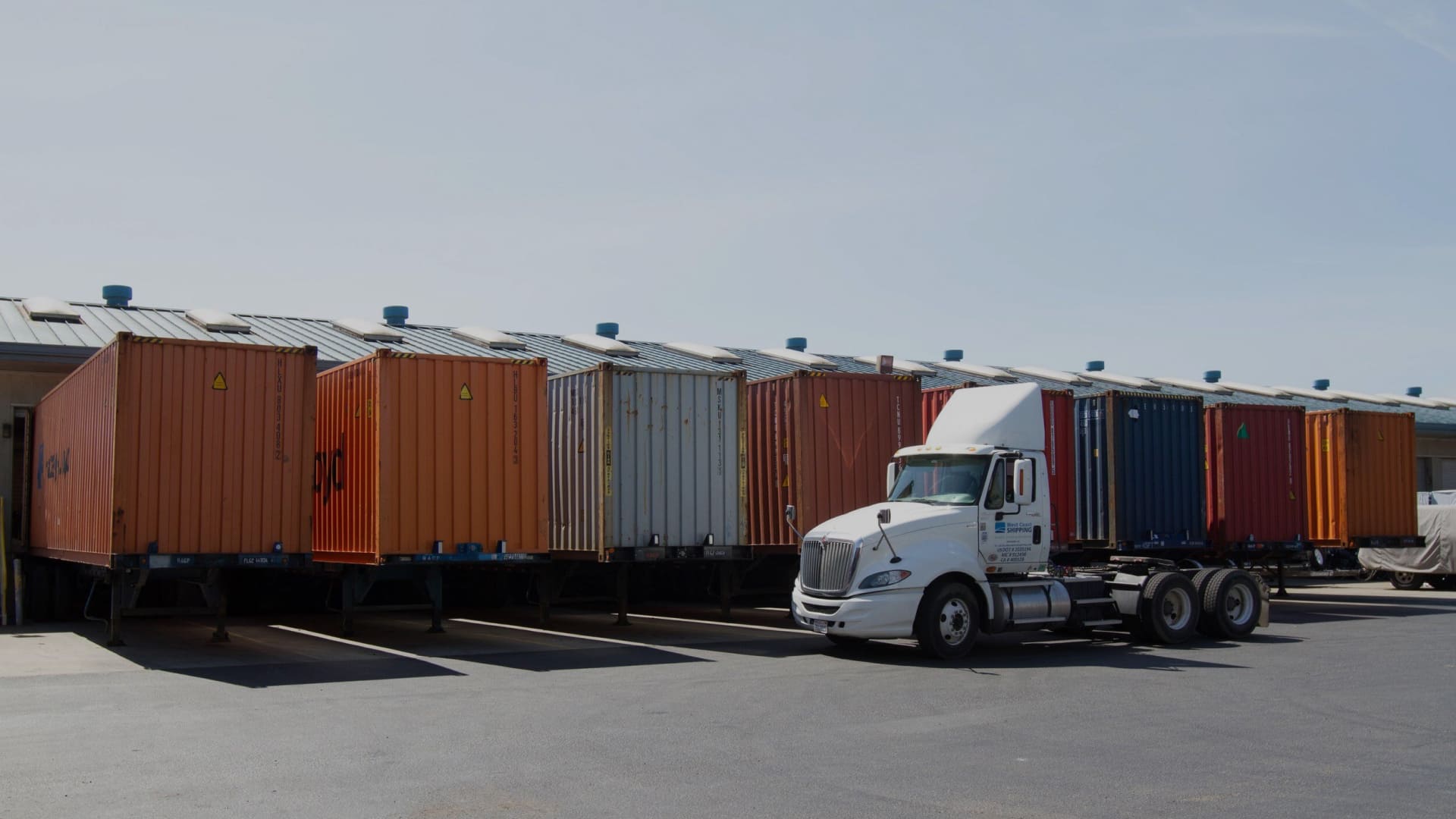
Modern supply chains operate under intense pressure to deliver goods faster and more predictably than ever before. While transcontinental freight moves the bulk of raw materials and finished goods across national borders, statewide trucking manages the critical regional distribution phase. Intrastate carriers operate exclusively within the boundaries of a single state, connecting manufacturing hubs, regional distribution centers, seaports, rail intermodal yards, and local retail markets.
For shippers, relying solely on national carriers often introduces unnecessary complexity and higher costs for regional movements. National fleets prioritize long-haul network density and multi-state lane optimization. Consequently, shipping a pallet or container fifty or a few hundred miles within the same state using a national carrier can result in inflated rates and suboptimal transit times. Statewide trucking fills this operational gap by offering specialized regional capacity, intimate geographical knowledge, and flexible scheduling tailored to localized economic corridors.
Furthermore, statewide trucking serves as a crucial shock absorber during supply chain disruptions. When interstate networks experience severe delays due to cross-border congestion, regulatory bottlenecks, or severe weather events in distant states, regional freight networks often remain insulated. Shippers with established relationships with intrastate motor carriers can quickly pivot inventory within state lines, ensuring that local and regional distribution nodes stay stocked and operational.
Operational Advantages for Regional Shippers
Engaging intrastate trucking providers unlocks several distinct operational advantages that directly impact a shipper’s bottom line and service level agreements. These benefits stem from the inherent flexibility, specialized equipment availability, and regional expertise that local carriers develop over years of operating within a defined geographic territory.
Enhanced Transit Speed and Predictability
Because intrastate shipments do not cross state lines, drivers face fewer administrative checkpoints, weigh-station delays, and interstate routing complications. Shippers utilizing statewide trucking benefit from compressed transit windows, often achieving same-day or next-day delivery across extensive state territories. This speed is particularly valuable for industries operating under strict inventory models, such as automotive manufacturing, perishable food distribution, and healthcare supply management.
Deep Geographical Familiarity
Navigating regional infrastructure requires precise local knowledge. Statewide trucking operators are intimately familiar with:
- State-specific bridge weight ratings and seasonal road-ban schedules.
- Urban congestion patterns and municipal delivery ordinances.
- Alternative rural routing options during highway construction or accidents.
- Regional weather phenomena, such as lake-effect snow belts or coastal hurricane evacuation routes.
This local expertise minimizes transit delays and reduces the likelihood of costly delivery failures, re-delivery fees, and detention charges.
Flexibility and Customized Service Offerings
Smaller, regional motor carriers often provide a higher degree of customer service and operational agility compared to mega-carriers. Shippers can frequently negotiate customized service arrangements, such as dedicated fleet options, specialized handling for fragile or high-value cargo, and flexible appointment scheduling. This responsiveness allows shippers to adapt quickly to demand surges or seasonal volume fluctuations without renegotiating rigid enterprise contracts.
Regulatory and Compliance Frameworks for Intrastate Carriers
Understanding the regulatory environment governing statewide trucking is essential for shippers to ensure compliance, mitigate legal liability, and vet carrier qualifications effectively. While interstate motor carriers fall primarily under the jurisdiction of the Federal Motor Carrier Safety Administration (FMCSA), intrastate carriers operate under a dual-layer regulatory structure.
Intrastate motor carriers must comply with state-level departments of transportation (DOT) or public utility commissions. While many states have harmonized their safety regulations, driver qualification standards, and equipment maintenance rules with federal guidelines, significant variations still exist. For instance, specific states maintain distinct weight limits, oversize and overweight permitting processes, and hazardous material routing rules that apply exclusively to freight moving within state boundaries.
| Regulatory Domain | Interstate Trucking | Statewide (Intrastate) Trucking |
|---|---|---|
| Primary Oversight | FMCSA and Federal DOT | State Department of Transportation / Public Utility Commission |
| Operating Authority | USDOT Number and MC Number | State-Issued Intrastate Operating Authority / Registration |
| Driver Age Requirements | Generally 21 years old for interstate commerce | Varies by state (some permit drivers at 18 for intrastate routes) |
| Insurance Minimums | Federal mandates (typically $750,000+ for general freight) | State-mandated liability limits, which may vary |
For shippers, verifying that an intrastate carrier holds active state operating authority, appropriate cargo insurance, and a satisfactory safety rating is a mandatory risk-management step. Utilizing unvetted carriers can expose the shipper to severe legal liability in the event of a catastrophic highway accident or cargo loss.
Cost Considerations and Rate Structures
Transportation spend remains one of the largest budget items for commercial shippers. Statewide trucking offers unique cost-efficiency opportunities, but it also introduces specific pricing dynamics that require careful analysis.
Intrastate freight rates are typically structured around mileage bands, zone-based pricing, or flat hourly rates for dedicated local delivery routes. Because regional carriers do not incur the high overhead costs associated with managing expansive national terminals and cross-country linehaul networks, their base rates for regional lanes can be significantly more competitive than those of national carriers.
However, shippers must also account for potential cost variables such as:
- Accessorial Charges: Fees for liftgate service, inside delivery, residential drop-offs, and driver-assisted unloading.
- Fuel Surcharges: Regional fuel price fluctuations, which may differ substantially from national Department of Energy averages.
- Capacity Imbalances: In regions with high outbound manufacturing volume but low inbound consumer goods, spot-market rates can surge, requiring shippers to secure contract carriage to stabilize costs.
Implementing a balanced freight procurement strategy that combines contracted statewide carrier lanes with dynamic spot-market backup helps shippers hedge against unexpected price spikes while maintaining budget predictability.
Mitigating Supply Chain Risk Through Regional Carrier Partnerships
Risk management is a top priority for logistics professionals. Over-reliance on a single national carrier network leaves shippers vulnerable to localized labor disputes, corporate restructuring, or nationwide driver shortages. Diversifying carrier portfolios by integrating reliable statewide trucking providers creates a robust defensive posture.
Building strong relationships with regional carriers allows shippers to establish dedicated capacity agreements. During peak shipping seasons, such as the fourth-quarter retail rush or agricultural harvest periods, national carriers often prioritize enterprise accounts, leaving smaller shippers stranded or subject to exorbitant spot rates. Intrastate carriers, whose business models depend heavily on regional customer loyalty, are frequently more reliable partners during capacity crunches.
Additionally, shorter transit distances inherently reduce exposure to cargo damage and theft. When freight remains within state boundaries for shorter durations, the number of touchpoints—such as cross-docking facilities and intermediate terminals—decreases. Fewer touchpoints directly correlate with lower claims ratios and improved product integrity upon arrival.
Frequently Asked Questions
What is the primary difference between interstate and statewide trucking for shippers?
Interstate trucking involves moving freight across state lines, subjecting the carrier to federal FMCSA regulations and multi-state compliance. Statewide trucking (intrastate) involves moving freight exclusively within the borders of a single state, governed primarily by state-level transportation agencies and specific state regulations.
Do statewide trucking carriers require federal operating authority?
Generally, carriers that operate exclusively within a single state and do not transport goods destined for international or interstate commerce do not require a federal MC number, but they must obtain valid intrastate operating authority and a USDOT number registered with their specific state department of transportation.
How does statewide trucking help reduce shipping costs?
Statewide trucking reduces costs by eliminating long-haul network overhead, offering competitive regional mileage rates, minimizing accessorial delays associated with cross-border inspections, and providing shorter transit paths that decrease fuel consumption and cargo handling fees.
Are driver qualification rules different for intrastate trucking?
Yes, driver regulations can vary significantly by state. While federal rules generally require interstate commercial drivers to be at least 21 years old, several states permit individuals aged 18 to 21 to operate commercial motor vehicles within state boundaries, which can impact driver pool availability for regional shippers.
How can shippers vet statewide trucking providers effectively?
Shippers should verify active state operating authority, review safety fitness records through state DOT databases, confirm adequate general liability and cargo insurance coverage limits, and request references from other regional commercial shippers within the same industry sector.
Conclusion
Statewide trucking is far more than a localized transport option; it is an indispensable strategic asset for shippers aiming to optimize regional supply chains, control transportation expenditures, and insulate their operations from national market volatility. By leveraging the speed, flexibility, and deep regional expertise of intrastate motor carriers, shippers can enhance customer satisfaction and build resilient distribution networks capable of sustaining long-term business growth.
Image Gallery