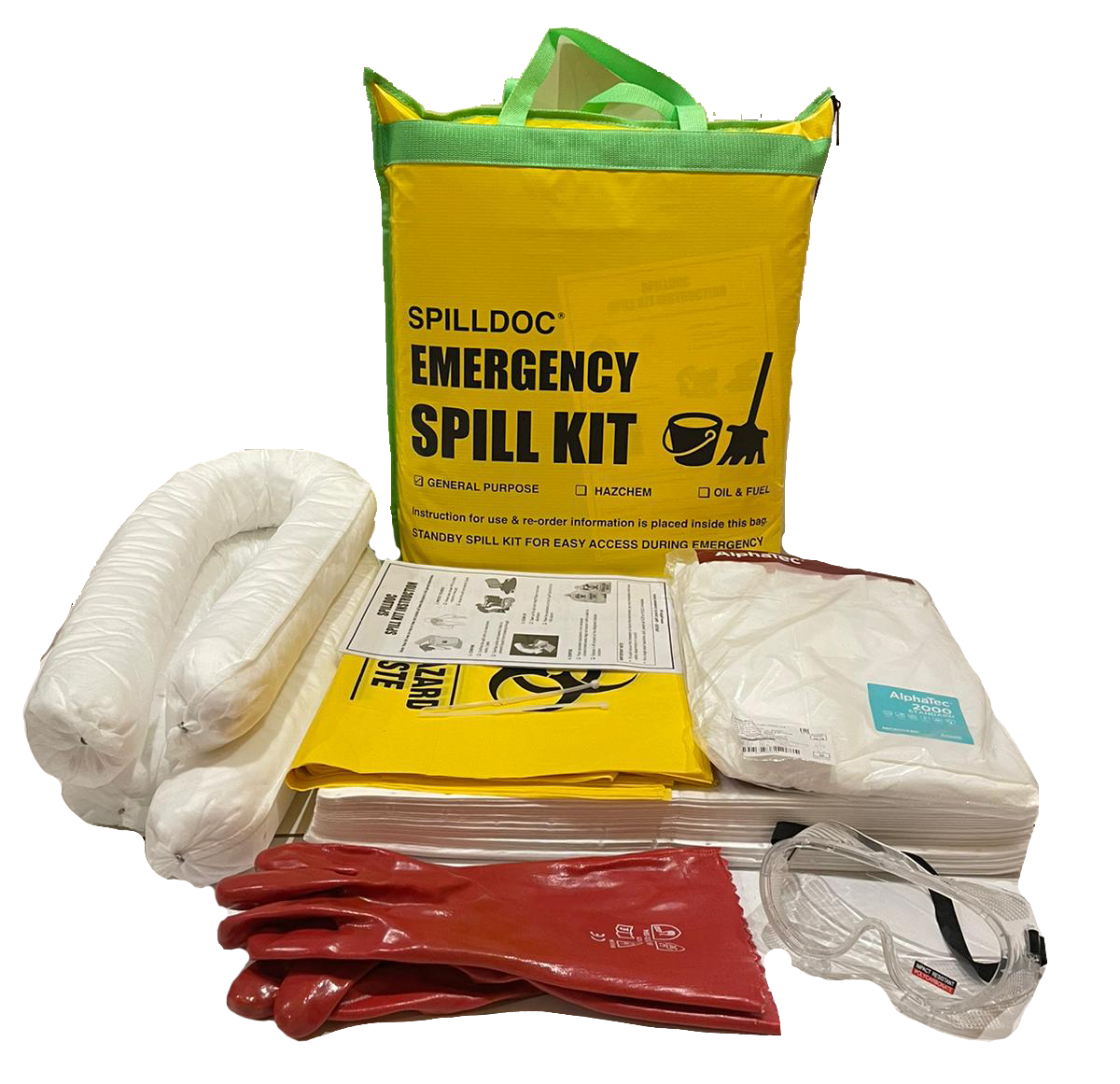
Industrial Spill Management: The Crucial Role of Absorbent Bags
Absorbent bags are specialized containment and remediation tools designed to capture, retain, and neutralize hazardous liquid leaks, drips, and spills in industrial environments. Engineered with high-capacity materials like polypropyle...
Absorbent bags are specialized containment and remediation tools designed to capture, retain, and neutralize hazardous liquid leaks, drips, and spills in industrial environments. Engineered with high-capacity materials like polypropylene, cellulose, or specialized clay blends, these heavy-duty bags function as dynamic barriers along drainage paths, around heavy machinery, and within storage facilities to prevent environmental contamination and workplace hazards.
Contents
Understanding Industrial Spill Management
Industrial facilities handle a vast array of liquids daily, ranging from lubricating oils and hydraulic fluids to aggressive acids, caustic solutions, and volatile solvents. Effective spill management requires a structured approach that encompasses proactive containment, rapid response, and thorough remediation. When a leak occurs, time is the critical factor determining whether an incident remains a minor operational hiccup or escalates into a catastrophic environmental disaster resulting in heavy regulatory fines and facility shutdowns.
Regulatory frameworks enforced by agencies such as the Occupational Safety and Health Administration (OSHA) and the Environmental Protection Agency (EPA) mandate that facilities maintaining hazardous materials must possess adequate spill response capabilities. These regulations require clear response plans, readily accessible personal protective equipment, and specialized containment inventory. Absorbent bags form a foundational tier of this defensive posture. Unlike loose granular absorbents that create dangerous dust, require sweeping, and can easily migrate into floor drains, self-contained absorbent bags offer a clean, controlled, and highly efficient medium for capturing fluids at the source or blocking liquid migration paths across facility floors.
Core Types of Absorbent Bags and Their Technical Specifications
Selecting the appropriate absorbent bag requires a deep understanding of fluid compatibility and absorption capacity. Industrial supply markets generally categorize these products into three distinct types based on the nature of the liquids they are designed to manage.
Oil-Only Absorbent Bags
Manufactured primarily from hydrophobic polypropylene, oil-only bags repel water while aggressively drawing in petroleum-based products, including motor oil, gasoline, diesel, and hydraulic fluid. Because they do not absorb water, these bags are exceptionally valuable in outdoor environments, marine settings, or areas subject to rain and condensation. They float even when fully saturated with oil, making them ideal for containing oily sheen on water surfaces or drainage ditches.
Universal (General Purpose) Absorbent Bags
Universal bags are engineered to handle water-based fluids, coolants, solvents, and general industrial oils. Typically filled with cellulose, recycled paper fiber, or general-purpose minerals, these bags are deployed inside manufacturing plants, machine shops, and maintenance bays where various non-hazardous or mild industrial liquids are present. They provide rapid wicking action across a broad spectrum of viscosities.
Hazmat (Chemical) Absorbent Bags
When dealing with aggressive chemicals, concentrated acids, caustic alkalis, or unknown liquid substances, hazmat absorbent bags are mandatory. These bags are chemically inert and constructed to resist degradation when exposed to harsh compounds. Many hazmat variants feature bright yellow or pink coloration to alert personnel to potential chemical hazards. They safely capture corrosive spills without reacting violently with the retained liquid.
| Absorbent Bag Type | Primary Target Fluids | Key Characteristics | Common Industrial Application |
|---|---|---|---|
| Oil-Only | Petroleum, Diesel, Hydraulic Oil | Hydrophobic (repels water), floats on water | Outdoor yards, marine ports, machining floors |
| Universal | Coolants, Solvents, Water, Oils | General-purpose, multi-fluid wicking | Machine shops, assembly lines, warehouse floors |
| Hazmat | Acids, Caustics, Solvents, Unknowns | Chemically inert, high chemical resistance | Chemical processing plants, laboratories, storage lockers |
Operational Deployment and Strategic Placement
The tactical placement of absorbent bags can mean the difference between an immediate, controlled containment and an uncontrolled facility-wide spill. Facilities should integrate these items into comprehensive spill kits while positioning individual units at high-risk points of vulnerability.
High-risk areas demanding strategic bag placement include fluid transfer stations, drum storage racks, hydraulic press bases, and beneath aging overhead piping networks. In outdoor yards, storm drain inlets represent a critical vulnerability point. Placing heavy-duty absorbent bags or weighted containment booms directly around or over storm grates creates an immediate dike that prevents hazardous runoff from entering municipal water systems during heavy downpours or equipment failures.
When deploying absorbent bags during an active spill, responders should adhere to a systematic procedure:
- Ensure Safety: Put on appropriate personal protective equipment (PPE) corresponding to the spilled fluid.
- Stop the Source: If safely possible, shut off valves, clamp hoses, or right overturned containers to halt the flow.
- Establish a Perimeter: Place absorbent bags in a chained line downstream or downgrade from the spill to halt liquid migration.
- Absorb at the Source: Lay additional bags directly over heavy puddles and pooling liquid to maximize surface contact and fluid retention.
- Monitor and Retrieve: Continuously check the saturation levels. Once fully absorbed, lift the weighted bags using appropriate lifting techniques to avoid musculoskeletal strain, and place them into heavy-duty disposal drums.
Cost Considerations and Economic Efficiency
Investing in industrial spill management inventory involves balancing upfront material costs against potential liabilities, regulatory fines, and operational downtime. While basic universal absorbent bags are inexpensive on a per-unit basis, specialized hazmat bags command higher pricing due to the advanced polymer engineering required to ensure chemical resistance.
Evaluating the economic efficiency of absorbent bags requires examining total lifecycle performance. Low-quality bags that tear easily under foot traffic or fail to retain captured liquids under pressure result in secondary cleanup costs and increased disposal weights. Heavier, high-capacity absorbent bags hold more liquid per unit of weight, reducing the total volume of consumable waste generated during an incident. Because hazardous waste disposal fees are calculated by weight or volume, utilizing high-efficiency absorption media directly reduces long-term environmental compliance expenses.
Operational Limitations and Common Mistakes
Despite their versatility, absorbent bags have distinct limitations that facility managers must recognize to prevent compliance failures and safety incidents.
A frequent mistake is deploying oil-only hydrophobic bags on water-miscible hazardous chemical spills, assuming they will capture any liquid. This misapplication leaves toxic chemicals uncontained and creates a false sense of security. Another common error is overloading bags beyond their maximum absorption capacity, leading to dripping during transfer and secondary floor contamination.
Furthermore, saturated absorbent bags retain the chemical properties of the absorbed liquid. An oil-soaked bag remains flammable and presents a severe fire hazard if stored improperly near welding operations or ignition sources. Facilities must store used inventory in approved, fire-rated safety containers and schedule prompt, compliant disposal through certified waste management contractors.
Frequently Asked Questions
Can absorbent bags be wrung out and reused after a spill?
No. Once an absorbent bag has captured industrial fluids, its structural fibers and internal matrices are compromised. Attempting to wring out and reuse the bag can release hazardous substances back into the environment, violate waste management guidelines, and compromise worker safety. Used bags must be disposed of according to local environmental regulations.
How should saturated absorbent bags be stored prior to disposal?
Saturated bags must be placed immediately into designated, leak-proof hazardous waste drums or heavy-duty poly disposal bags. These containers must be clearly labeled with the contents, sealed securely, and stored in a designated, ventilated waste accumulation area away from heat sources until final pickup by a licensed disposal contractor.
Are absorbent bags regulated by environmental agencies?
The bags themselves are not regulated until they are used. Once they absorb a hazardous liquid, they take on the regulatory characteristics of that specific fluid. Facility management must classify, label, and dispose of the saturated waste in strict compliance with local, state, and federal environmental protection standards.
What is the shelf life of unused absorbent bags?
Unused absorbent bags generally have an indefinite shelf life if stored correctly. They must be kept in a clean, dry indoor environment away from direct sunlight, extreme humidity, and rodent activity, which can degrade outer netting and cellulosic filling materials over extended periods.
Can absorbent bags replace floor mats and rolls in a spill kit?
Absorbent bags serve a different primary function than flat mats or rolls. While mats are optimized for wiping surfaces and catching wide-area drips, bags are weighted or shaped to act as physical dikes, barriers, and high-capacity fluid catchers. A comprehensive spill kit should always contain a balanced mix of pads, rolls, socks, and bags to address varied spill geometries.
Practical Next Actions for Facility Managers
To optimize industrial spill management protocols, conduct a comprehensive facility audit to identify high-risk liquid handling zones, drainage pathways, and machinery failure points. Verify that current spill kits contain an adequate mix of specialized absorbent bags matched precisely to the chemicals and oils utilized on-site. Finally, ensure that all maintenance and operations personnel receive regular, hands-on training regarding proper deployment, containment strategies, and safe disposal procedures to maintain full regulatory compliance.
Image Gallery