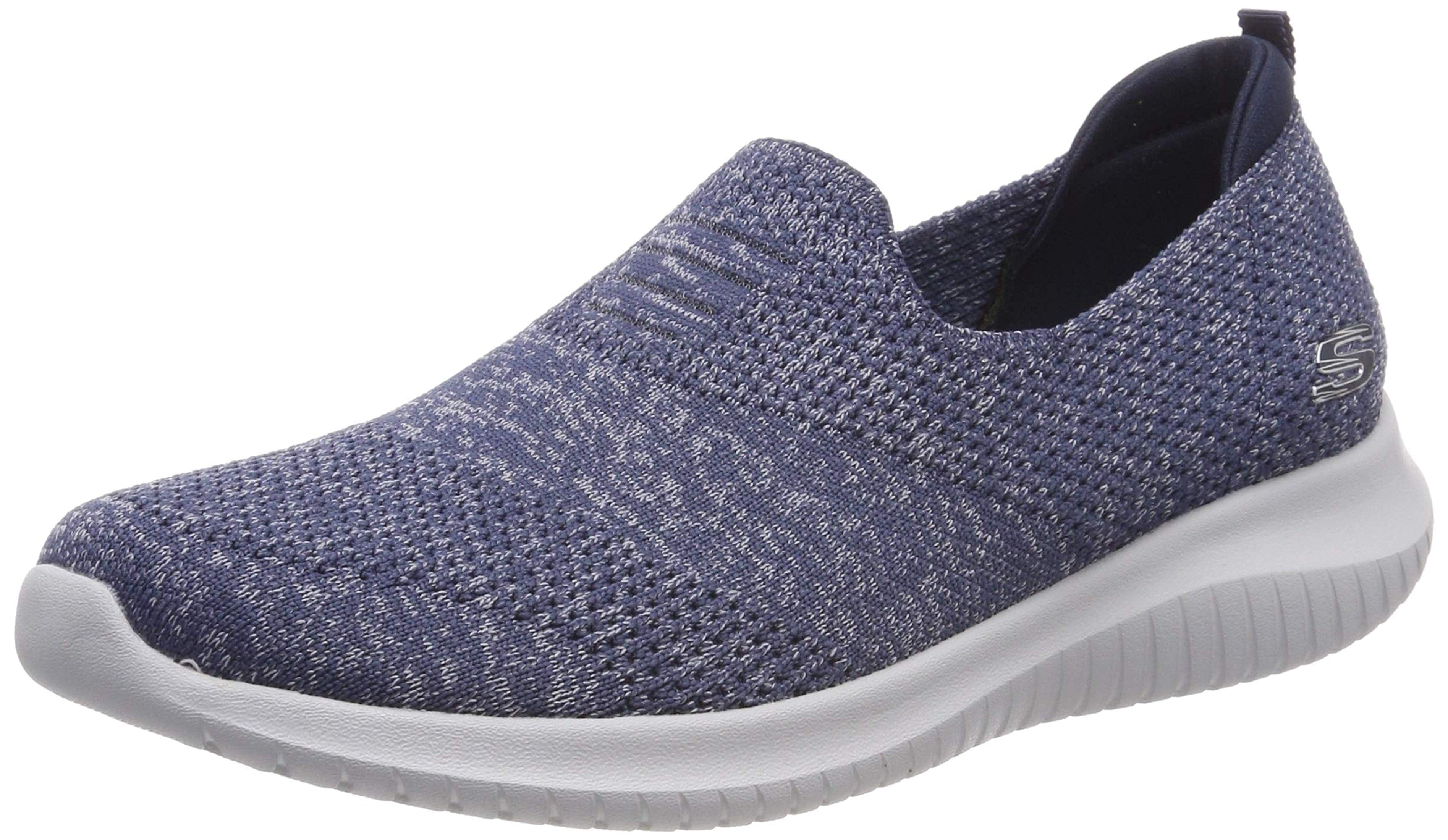
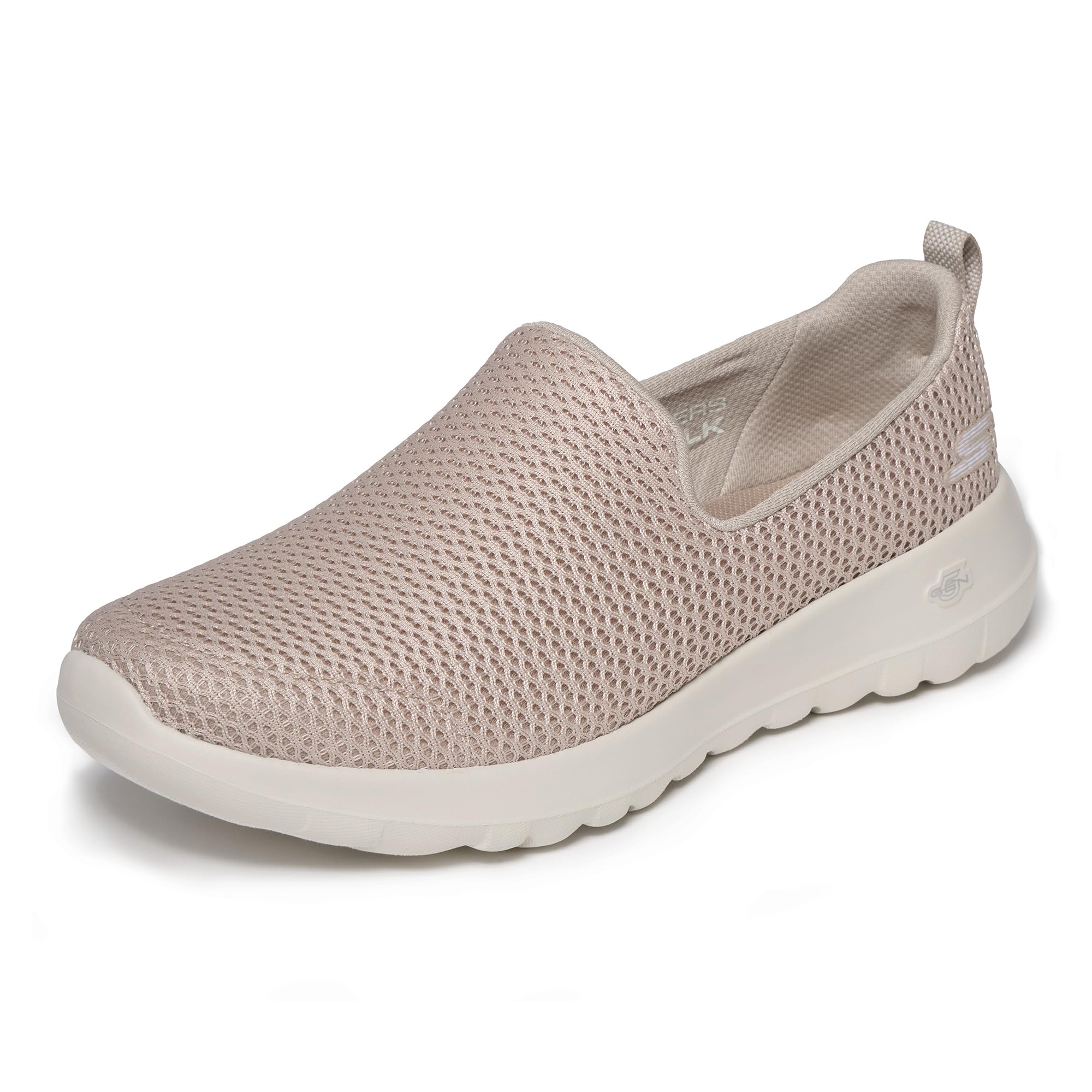
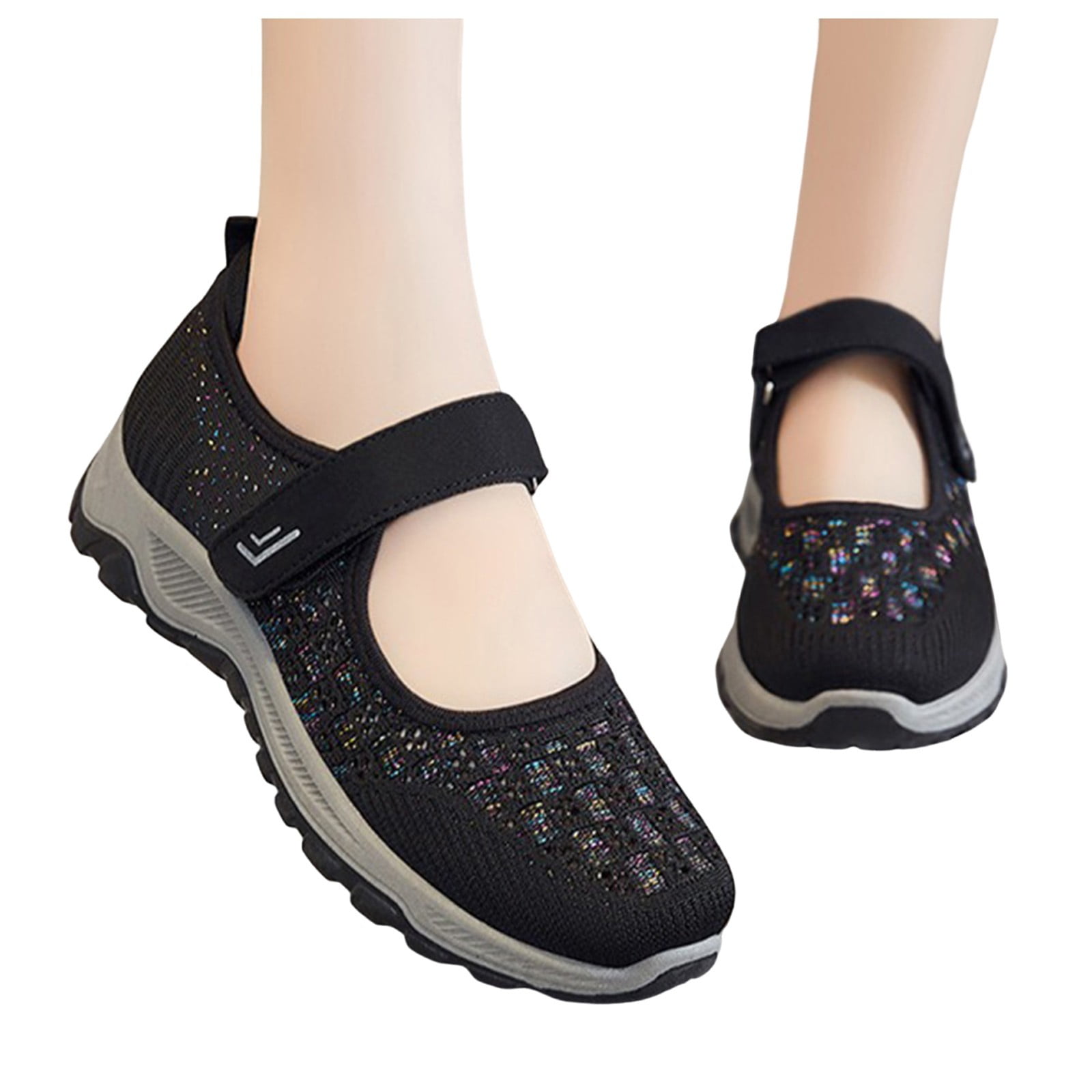
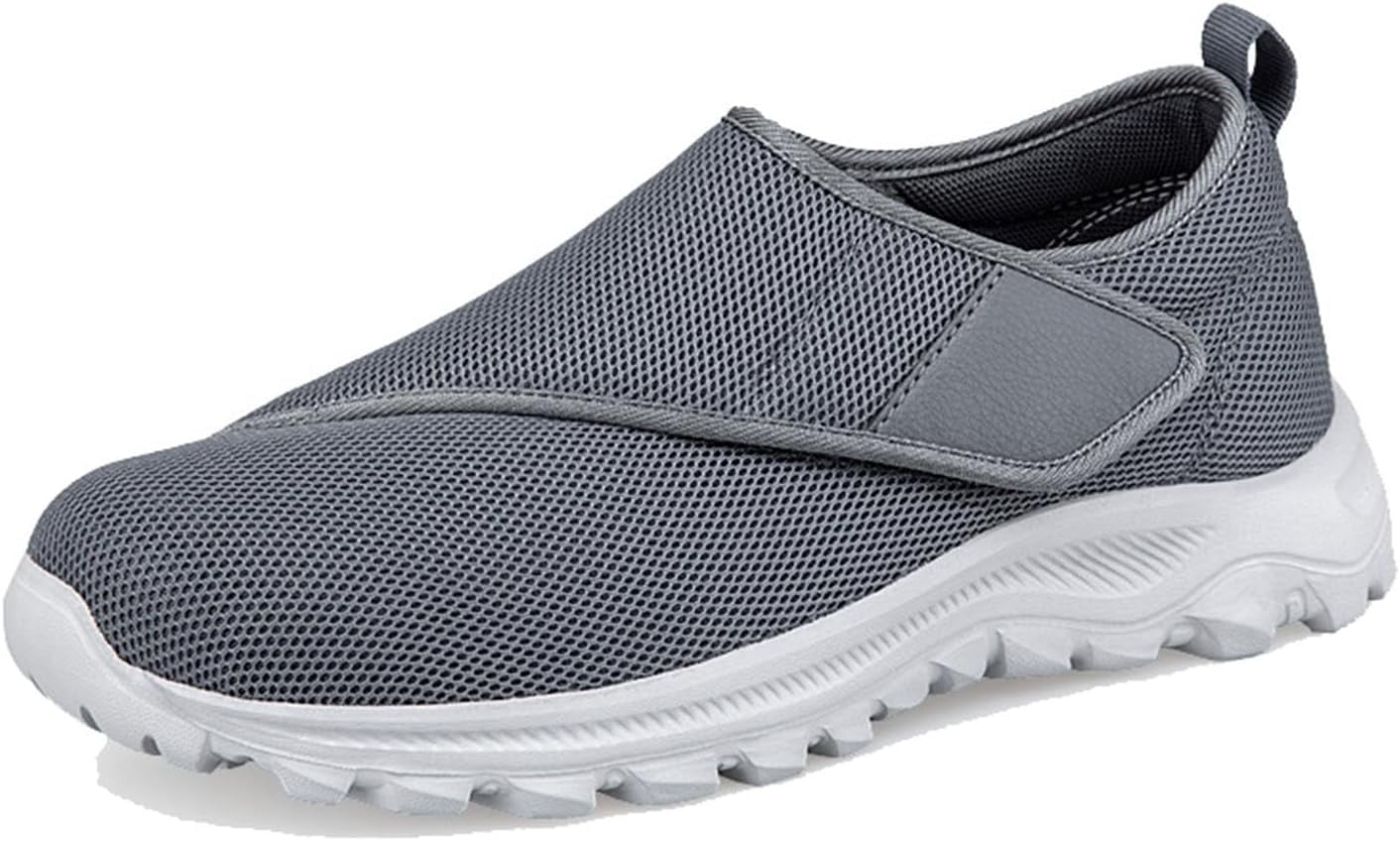
Navigating the Best Slip-On Shoes for Elderly Balance Support and Ease
Finding footwear that combines dependable stability, fall prevention features, and effortless entry is essential for maintaining mobility and independence in older adults. The best slip-on shoes for elderly balance support and ease mer...
Finding footwear that combines dependable stability, fall prevention features, and effortless entry is essential for maintaining mobility and independence in older adults. The best slip-on shoes for elderly balance support and ease merge structural heel counters, non-slip tread patterns, and wide openings to accommodate foot swelling or dexterity challenges without sacrificing safety.
Contents
As adults age, maintaining mobility and preventing falls become paramount priorities for preserving independence and overall well-being. Footwear plays a surprisingly foundational role in this equation. Traditional lace-up shoes offer secure adjustments, but they present significant hurdles for seniors dealing with arthritis, back stiffness, or restricted hand dexterity. Conversely, standard loose slippers or backless slip-ons often lack structural integrity, leading to heel slippage, missteps, and dangerous falls.
The ideal footwear solution bridges this gap: providing clinical-grade stability and supportive architecture while allowing the wearer to step into the shoe effortlessly. Choosing the right pair requires understanding the mechanical features that protect against slips, trips, and ankle rolls, ensuring that convenience never compromises safety.
Understanding Foot Health and Mobility Changes in Aging
Aging alters foot structure, skin sensitivity, and biomechanics in ways that demand specialized footwear. Understanding these physiological shifts helps caregivers and seniors select shoes that actively support daily movement rather than aggravating underlying conditions.
Biomechanical Shifts and Balance
Over time, the fat pads on the soles of the feet naturally thin out, reducing natural shock absorption. Muscles and tendons in the lower extremities weaken, and proprioception—the body's awareness of its position in space—gradually declines. This means an older adult relies heavily on sensory feedback from the soles of their feet and the stability of their shoe base to maintain balance. Shoes with overly thick, heavily cushioned, or rounded rocker soles can sometimes obscure this sensory feedback, increasing the risk of an unsteadied step.
Common Foot Conditions Requiring Accommodations
Seniors frequently manage chronic foot issues that dictate shoe requirements:
- Edema (Fluid Retention): Causes feet and ankles to swell throughout the day, necessitating adjustable or highly flexible uppers.
- Bunions and Hammertoes: Create pressure points that cause pain in narrow or rigid toe boxes, requiring wide-width options and seamless interiors.
- Neuropathy: Diminishes sensation in the feet, making it difficult to feel if a shoe is rubbing, pinching, or causing blisters. This makes seamless, well-fitting footwear critical to prevent unnoticed injuries.
Core Engineering Features of Safe Slip-On Shoes
Not all slip-on shoes are created equal. When evaluating options for elderly balance support, look past marketing terms and examine the structural components that dictate safety and ease of use.
Rigid Heel Counters and Collars
A major flaw in casual slip-ons is a collapsible heel. If the back of the shoe folds inward when stepping down, the wearer can easily catch their heel or lose lateral stability. Safe elderly footwear features a reinforced heel counter—a stiff internal cup that holds the heel firmly in place, keeping the foot aligned over the center of the outsole.
Outsole Traction and Tread Patterns
Slip resistance is the first line of defense against indoor and outdoor falls. The outsole should be constructed from rubber or durable synthetic compounds featuring multi-directional tread patterns. Smooth leather or hard plastic soles must be avoided entirely, as they present extreme slipping hazards on hardwood, tile, and linoleum flooring.
Wide Openings and Fastening Mechanisms
True ease of use means hands-free or minimal-effort entry. Look for shoes utilizing technologies like hands-free stepping heels (popularized by brands like Kizik), dual elastic gore panels, or single-strap hook-and-loop (Velcro) closures. These designs eliminate the need to bend down deeply or manipulate complex fasteners while still allowing a customizable lockdown once the foot is inside.
Comparative Analysis of Top Slip-On Shoe Categories
Evaluating different styles helps narrow down options based on specific physical needs, environments, and independence levels.
| Shoe Category | Primary Strength | Best For | Potential Drawback |
|---|---|---|---|
| Hands-Free Step-In Sneakers | Rigid internal cage allows stepping straight in without bending | Seniors with limited flexibility and mild to moderate balance issues | Higher price point; heavier structure |
| Orthopedic Walking Slip-Ons | Deep heel cups, removable insoles, and certified non-slip treads | Active seniors needing all-day support and custom orthotic accommodation | Less casual aesthetic; stiffer break-in period |
| Stretch-Knit Comfort Shoes | Highly breathable, conforming uppers that adapt to bunions and swelling | Indoor wear and mild errands for those with minor foot deformities | Minimal lateral ankle support; prone to lateral sliding if too loose |
| Adjustable Dual-Strap Closures | Maximum volume adjustment for severe edema and bandaged feet | Individuals managing chronic swelling or post-surgical recovery | Requires securing a strap, reducing absolute "hands-free" ease |
Critical Factors in Assessing Fit and Sizing
A well-designed shoe will fail to protect against falls if the sizing is incorrect. Proper fitting involves specific measurements and timing.
Measuring at the Right Time of Day
Feet swell over the course of the day due to gravity and physical activity. Always measure feet or try on new shoes in the afternoon or evening when swelling is at its peak. Sizing shoes in the morning can result in purchasing a pair that becomes painfully tight and restrictive by midday.
Accommodating Orthotics and Insoles
Many seniors require custom medical orthotics or specialized arch supports prescribed by a podiatrist. When shopping for slip-ons, check whether the factory insole is removable. A removable footbed allows you to insert medical orthotics without throwing off the vertical volume of the shoe, which could otherwise push the heel out of the shoe's protective collar.
Maintaining Footwear and Recognizing When to Replace
Even the highest-quality supportive shoes have a finite lifespan. Regular inspection ensures that safety features remain intact over months of daily wear.
Outsole Wear and Tear
Check the rubber tread on the bottom of the shoes every few months. If the tread patterns are worn flat, particularly at the heel and ball of the foot, the shoe loses its friction coefficient and poses an immediate slipping risk.
Midsole Compression
The cushioning foam inside a shoe compresses over time, losing its shock-absorbing properties. If the shoe feels noticeably harder underfoot or if the upper material begins to lean inward or outward due to structural breakdown, it is time for a replacement, regardless of how clean the outside appears.
Frequently Asked Questions
Are velcro shoes safer than slip-ons for elderly balance?
Velcro shoes offer superior adjustability for changing foot swelling, making them exceptionally safe. However, modern hands-free slip-ons with rigid heel counters match this safety while offering greater convenience for individuals who struggle to reach or fasten straps.
Can slip-ons accommodate custom orthotic inserts?
Yes, provided the slip-on shoe features a removable factory insole and adequate internal depth. Always remove the original insert before placing the custom orthotic inside to maintain proper heel depth and prevent the foot from riding too high in the collar.
What outsole material provides the best slip resistance?
Natural rubber and specialized polyurethane compounds with textured, multi-directional grooving offer the highest level of friction on wet or polished indoor surfaces. Avoid hard plastics and smooth synthetic soles entirely.
How often should supportive walking shoes be replaced for seniors?
Supportive shoes should generally be replaced every six to twelve months depending on frequency of use. Wear and tear on the tread pattern and compression of the internal midsole foam degrade safety and stability over time.
Are backless slip-on slippers safe for older adults?
No. Backless slippers lack heel counters, forcing the toes to claw downward to keep the shoe attached during walking. This significantly increases the risk of tripping, stumbling, and falling.
Conclusion and Next Actions
Selecting the best slip-on shoes for elderly balance support and ease requires balancing structural stability with user-friendly design. Prioritize shoes featuring firm heel counters, slip-resistant rubber outsoles, and wide, accessible openings that accommodate daily foot changes. Begin by evaluating the wearer's specific balance level, foot width, and dexterity limitations, and consult a healthcare provider or podiatrist if specialized orthotics are required. Taking these steps ensures safe, confident, and independent mobility every day.
Image Gallery