Understanding the Efficiency of Energy Conversion in Modern Engineering
The efficiency of energy conversion measures how effectively an input energy source is transformed into useful output energy without unnecessary loss, with fundamental thermodynamic laws governing these limits. Understanding this ratio...
The efficiency of energy conversion measures how effectively an input energy source is transformed into useful output energy without unnecessary loss, with fundamental thermodynamic laws governing these limits. Understanding this ratio helps engineers and scientists optimize power plants, electrical grids, internal combustion engines, and renewable energy systems to reduce waste and lower emissions.
Contents
Defining the Efficiency of Energy Conversion
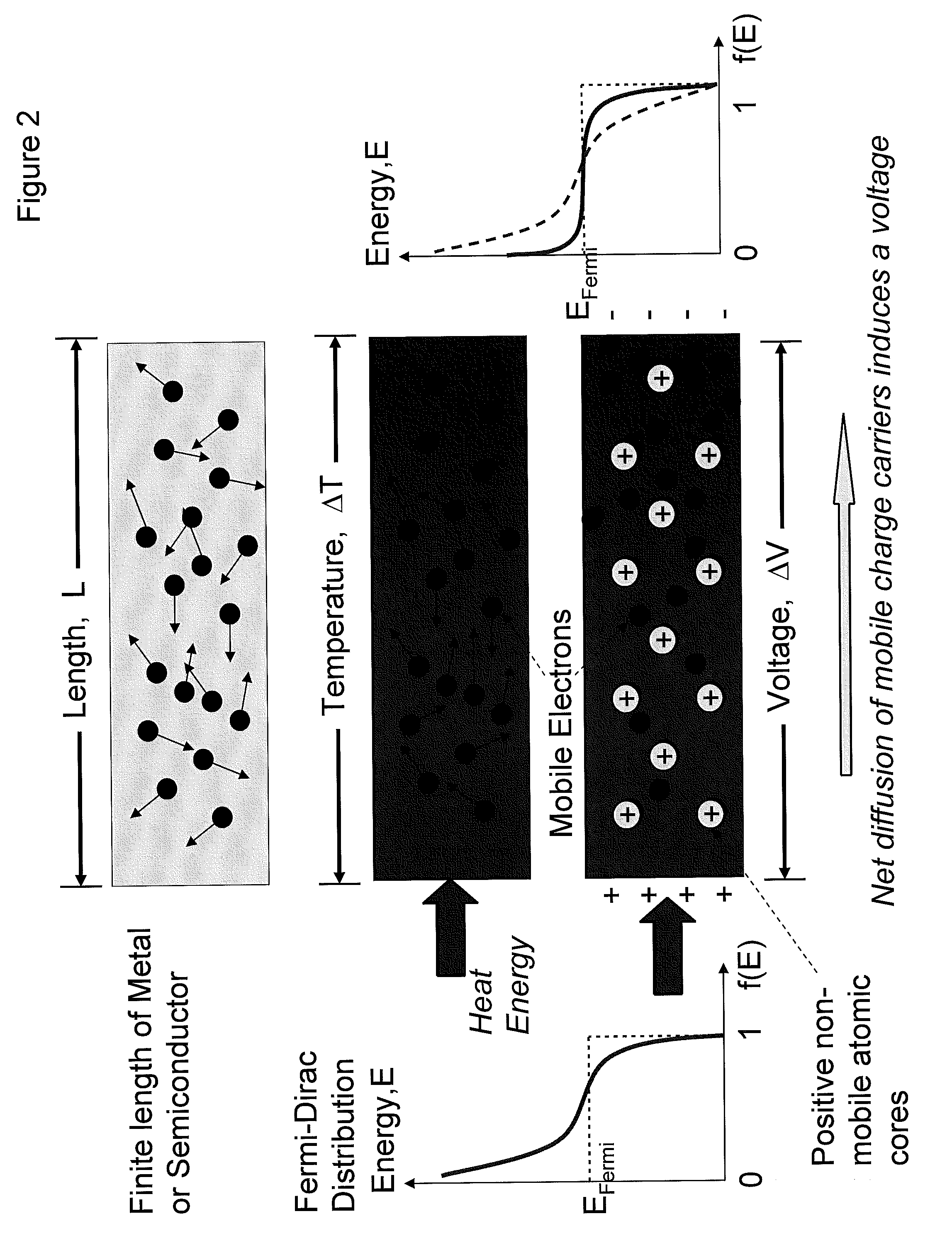
At its core, energy conversion efficiency is a metric expressed as a percentage that compares the useful output energy of a system to the total input energy supplied to it. According to the first law of thermodynamics, energy cannot be created or destroyed; it can only change forms. Therefore, the total energy entering a system must equal the total energy exiting it. However, the second law of thermodynamics introduces a critical limitation: every energy transfer involves some degree of conversion into unusable energy, typically manifested as dissipated heat due to friction, electrical resistance, or radiative losses.
Mathematically, efficiency ($\eta$) is calculated using the formula:
$$\eta = \left( \frac{E_{\text{out}}}{E_{\text{in}}} \right) \times 100$$
Where $E_{\text{out}}$ represents the useful energy output and $E_{\text{in}}$ represents the total energy input. Because entropy always increases in a closed system, it is physically impossible to achieve 100 percent efficiency in any real-world thermodynamic process. Recognizing this reality allows researchers to establish realistic benchmarks for mechanical, electrical, and thermal systems rather than chasing perpetual motion.
Thermodynamic Limits and the Carnot Cycle
To evaluate how well a system performs, scientists rely on theoretical maximums established by thermodynamics. The most famous benchmark is the Carnot efficiency, which applies to heat engines operating between two thermal reservoirs. French physicist Sadi Carnot demonstrated that the maximum possible efficiency of a heat engine depends entirely on the absolute temperatures of the hot source ($T_H$) and the cold sink ($T_C$):
$$\eta_{\text{Carnot}} = 1 - \frac{T_C}{T_H}$$
This formula reveals an immutable law of thermal engineering: to increase the efficiency of a power plant or combustion engine, one must either raise the operating temperature of the heat source or lower the temperature of the exhaust sink.
Real-world engines always fall short of the Carnot limit due to mechanical friction, incomplete combustion, fluid turbulence, and heat leakage through housing walls. Consequently, industrial gas turbines and combined-cycle power plants operate well below theoretical maximums, though advanced metallurgy and ceramic thermal barrier coatings continue to push operating temperatures higher to capture incremental gains.
Efficiency Profiles Across Different Energy Technologies
Different methods of transforming power exhibit vastly different conversion characteristics. While electric motors and hydroelectric generators routinely achieve high performance, thermal combustion processes struggle with inherent thermodynamic constraints.
Mechanical and Electrical Systems
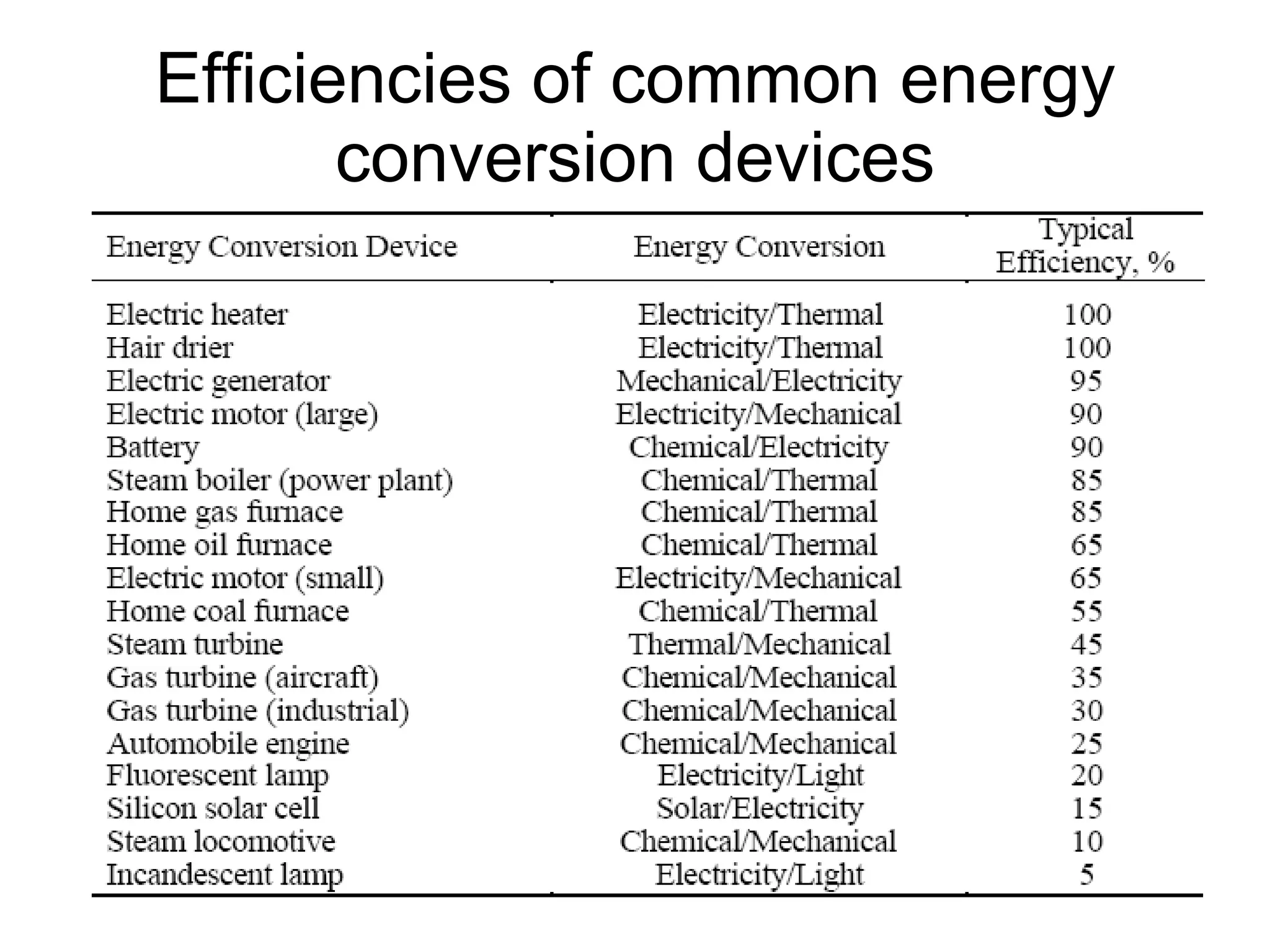
Electrical generators and transformers are among the most efficient devices engineered by humans. Large-scale hydroelectric turbines can convert the potential energy of water into electricity with efficiencies exceeding 90 percent. Similarly, high-power industrial electric motors routinely achieve efficiencies between 95 and 99 percent because they bypass thermal cycles entirely, converting electromagnetic fields directly into rotational mechanical motion with minimal thermal waste.
Thermal and Combustion Systems
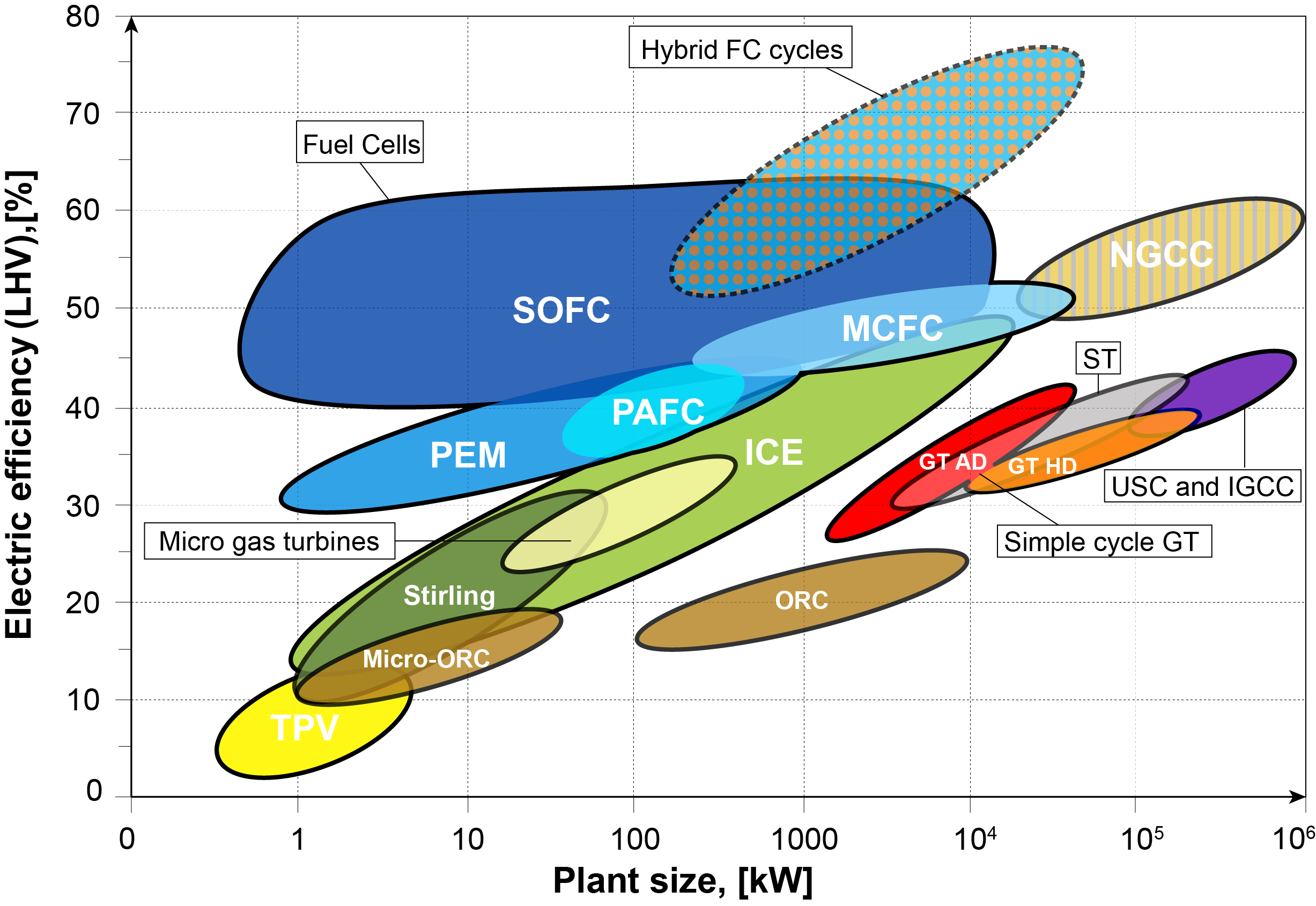
Internal combustion engines used in traditional automobiles typically convert only 20 to 35 percent of the chemical energy stored in gasoline into mechanical traction, with the remainder dissipating through exhaust gases and cooling systems. Modern combined-cycle gas turbine (CCGT) power plants perform significantly better by pairing a gas turbine with a steam turbine, capturing waste exhaust heat to drive a secondary generator and pushing overall plant efficiency past 60 percent.
Renewable Energy Technologies
Renewable generation sources face unique physical conversion constraints based on how they capture ambient power:
- Photovoltaic Solar Panels: Standard commercial silicon solar panels convert roughly 20 to 24 percent of incoming sunlight into electricity, constrained by the bandgap limitations of semiconductor physics. Multi-junction solar cells used in aerospace applications can exceed 40 percent efficiency under concentrated light.
- Wind Turbines: The Betz limit dictates that no wind turbine can capture more than 59.3 percent of the kinetic energy in wind. Practical commercial wind turbines achieve actual mechanical efficiencies of 45 to 50 percent before accounting for electrical generator losses.
| Technology Type | Typical Efficiency Range | Primary Limiting Factor |
|---|---|---|
| Hydroelectric Generators | 85% – 95% | Hydraulic friction and turbulence |
| Combined-Cycle Power Plants | 55% – 64% | Carnot temperature limits |
| Internal Combustion Engines | 20% – 35% | Thermal dissipation and friction |
| Commercial Silicon Solar Panels | 20% – 24% | Semiconductor bandgap physics |
| Commercial Wind Turbines | 40% – 50% | The Betz limit (fluid dynamics) |
Strategies for Improving Conversion Performance
Enhancing the performance of energy systems requires targeted interventions at the material, structural, and operational levels. Engineers employ several primary strategies to minimize waste and maximize output.
Waste Heat Recovery
Because thermal dissipation is the leading source of loss in industrial processes, capturing waste heat represents a massive opportunity. Technologies such as organic Rankine cycles (ORC), thermoelectric generators, and recuperators harness low-to-medium-temperature exhaust streams that would otherwise vent into the atmosphere, converting residual thermal energy into usable electricity or space heating.
Material Science and Advanced Coatings
Upgrading physical components with superior materials directly reduces parasitic losses. For instance, high-temperature superalloys and ceramic matrix composites (CMCs) allow turbine blades to withstand extreme heat without degrading, directly increasing the $T_H$ parameter in the Carnot equation. In electrical transmission and generation, high-temperature superconductors (HTS) eliminate electrical resistance losses entirely.
Parasitic Load Reduction
Many systems consume a significant portion of their generated power internally to run auxiliary components such as pumps, cooling fans, and control systems. Optimizing these parasitic loads through variable-speed drives and intelligent power management software ensures that more net energy reaches the end user.
Common Challenges and Operational Trade-Offs
Optimizing the efficiency of energy conversion is rarely a straightforward engineering task; it frequently involves navigating difficult economic, material, and environmental trade-offs.
- Capital Cost Versus Efficiency Gains: Pushing a system from 90 percent efficiency to 99 percent often requires exponentially higher capital investments in exotic materials and precision manufacturing, which may never be recovered through fuel savings.
- Environmental Constraints: Raising combustion temperatures to improve thermal efficiency often increases the formation of harmful nitrogen oxides ($NO_x$), requiring expensive post-combustion emission control systems.
- Durability and Maintenance: Operating equipment at the bleeding edge of material limits can accelerate wear and tear, leading to shorter maintenance intervals and reduced overall equipment reliability.
Frequently Asked Questions
Can an energy conversion system ever reach 100 percent efficiency?
No. According to the second law of thermodynamics, any energy transformation process inevitably generates entropy, resulting in unavoidable energy dissipation—usually as low-grade heat—preventing any real-world device from reaching 100 percent efficiency.
Why do solar panels have relatively low efficiency if sunlight is free?
Solar panels are limited by quantum physics and semiconductor bandgap properties. Photons with energy below a material's bandgap pass right through the cell without generating electricity, while photons with excess energy lose that surplus as heat, capping single-junction silicon efficiency below theoretical limits.
What is the difference between energy efficiency and energy conservation?
Energy efficiency refers to using technology that requires less energy to perform the same task, such as replacing an incandescent bulb with an LED. Energy conservation involves behavioral changes to reduce overall energy consumption, such as turning off lights when leaving a room.
How does cogeneration improve overall system performance?
Cogeneration, or combined heat and power (CHP), captures the waste heat produced during electricity generation and uses it for industrial processes or district heating. This dual-use approach can elevate total system efficiency above 80 percent.
Next Steps for System Optimization
For engineers, facility managers, and researchers looking to improve performance, the immediate priority should be conducting a comprehensive energy audit to map out thermal and electrical losses. Identifying where exergy is destroyed allows technical teams to prioritize high-impact upgrades, such as installing waste heat recovery units or replacing aging, oversized electric motors with modern high-efficiency alternatives.
Image Gallery