What an IT Consultant in Portland Does
An IT consultant in Portland helps local businesses navigate complex technology decisions, optimize network infrastructure, and implement cybersecurity measures tailored to Pacific Northwest industries. These professionals provide stra...
An IT consultant in Portland helps local businesses navigate complex technology decisions, optimize network infrastructure, and implement cybersecurity measures tailored to Pacific Northwest industries. These professionals provide strategic guidance, manage digital transformations, and resolve specialized technical challenges without requiring organizations to maintain large, expensive internal IT departments.
Contents
The technology landscape in the Pacific Northwest features a dynamic mix of established enterprises, creative agencies, healthcare providers, and a thriving startup ecosystem centered around the Silicon Forest. Navigating this environment requires specialized technical acumen. Understanding what an IT consultant in Portland does helps organizations determine when to bring in outside expertise, how to evaluate technology partners, and what specific services drive measurable operational value.
Understanding the Role of an IT Consultant
An IT consultant operates at the intersection of business strategy and computer science. Unlike internal system administrators who focus on day-to-day upkeep and user support, an IT consultant typically takes a macro-level view of an organization's technology stack. They assess current infrastructure, identify security vulnerabilities, align software deployment with corporate objectives, and guide major modernization projects.
In the Portland market, these professionals must understand both universal technology standards and regional factors. Many local businesses operate in hybrid work environments, requiring robust cloud infrastructure and secure remote access tools. Furthermore, consultants operating in this region frequently coordinate with local Internet Service Providers, comply with state-specific data privacy regulations, and design resilient systems capable of withstanding regional power disruptions.
Strategic Planning vs. Tactical Execution
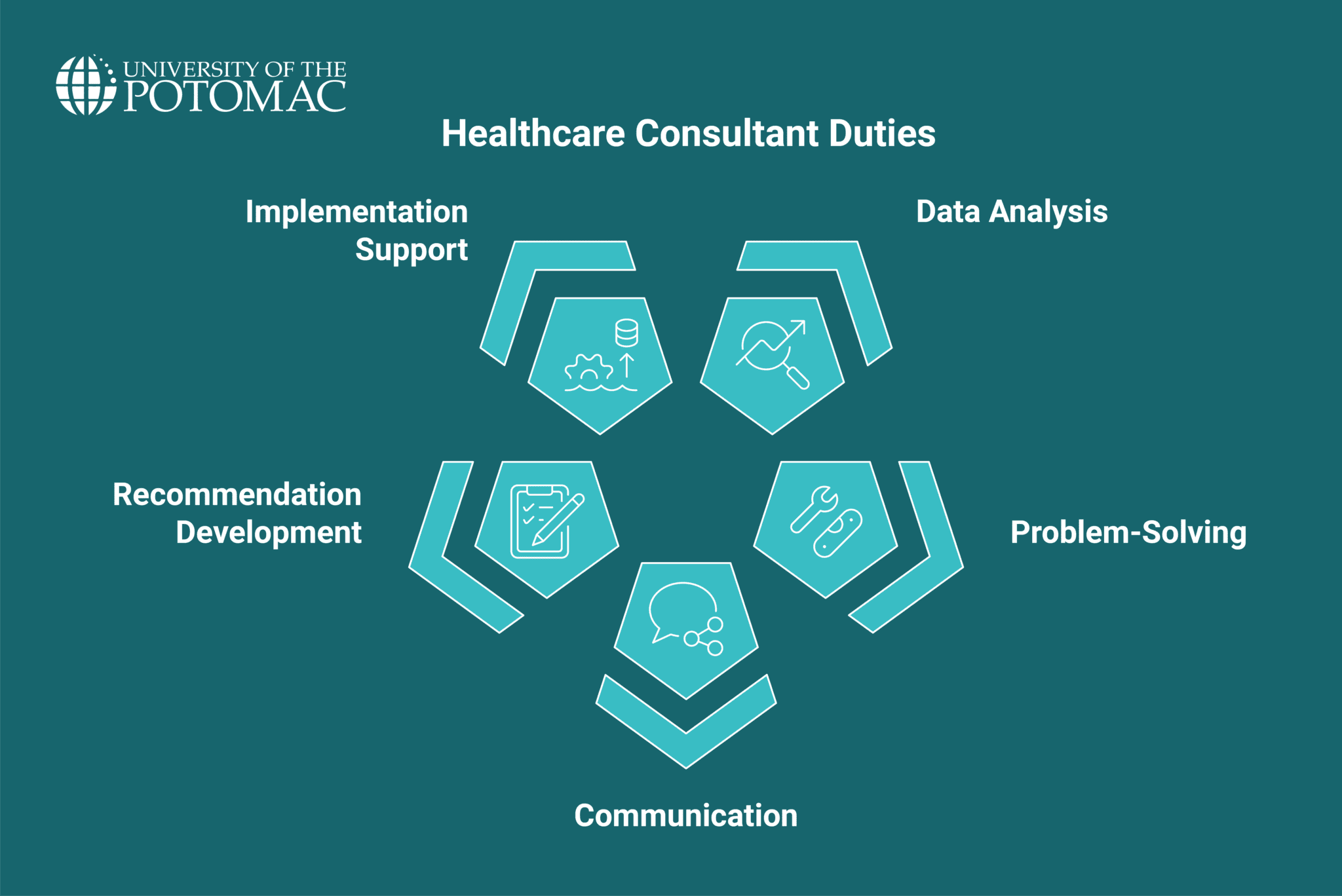
The daily work of an IT consultant is divided between high-level planning and hands-on execution. Strategic planning involves designing multi-year technology roadmaps, budgeting for hardware lifecycle replacements, and evaluating software-as-a-service (SaaS) subscription models to reduce overhead. Tactical execution involves configuring firewalls, migrating email systems to cloud environments, resolving database bottlenecks, and deploying endpoint detection and response software.
Clients hire consultants because internal staff members are often consumed by routine troubleshooting. By outsourcing strategic initiatives and complex implementations, businesses ensure that their technology evolves alongside industry best practices rather than lagging behind operational demands.
Core Services Offered by Portland IT Consultants
IT consultants provide a wide array of services designed to secure, streamline, and scale business operations. While every firm has its own unique specialization, most engagements center around a few foundational pillars.
Cybersecurity and Risk Assessment
Cybersecurity remains a primary driver for technology consulting engagements. Portland businesses face sophisticated cyber threats, including ransomware, phishing campaigns, and data exfiltration attempts. An IT consultant performs comprehensive security audits, vulnerability assessments, and penetration testing to identify weak points in a network.
Following an assessment, consultants implement multi-layered defenses, including:
- Advanced endpoint protection platforms.
- Multi-factor authentication (MFA) across all corporate accounts.
- Zero-trust network access architectures.
- Employee security awareness training programs.
Cloud Migration and Infrastructure Management
Moving physical servers to cloud environments such as Microsoft Azure, Amazon Web Services (AWS), or Google Cloud Platform is a complex undertaking. Consultants evaluate whether a full migration, hybrid model, or private cloud infrastructure best suits a company's workload. They manage the data migration process with minimal downtime, configure cloud security groups, and optimize resource allocation to prevent unnecessary cloud spending.
Network Design and Optimization
A reliable network is the backbone of any modern enterprise. Consultants design local area networks (LANs), wide area networks (WANs), and secure wireless infrastructures. They ensure sufficient bandwidth, implement quality-of-service (QoS) rules for voice-over-IP (VoIP) and video conferencing, and configure redundant internet connections to maintain business continuity during outages.
Compliance and Regulatory Guidance
Many organizations in Oregon must adhere to strict data security regulations. Healthcare providers must comply with HIPAA, financial institutions follow GLBA guidelines, and retailers processing credit cards must meet PCI-DSS standards. IT consultants help map existing infrastructure against these regulatory frameworks, implement necessary controls, and prepare organizations for formal compliance audits.
Comparison of Internal IT vs. External IT Consultants
Deciding whether to hire an internal employee, build an in-house team, or partner with an external IT consultant depends on budget, company size, and technical complexity. The table below outlines how these two models compare across key operational dimensions.
| Feature | Internal IT Staff | External IT Consultant |
|---|---|---|
| Primary Focus | Daily user support, maintenance, and immediate troubleshooting. | Strategic planning, security hardening, and project-based implementations. |
| Cost Structure | Fixed overhead (salary, benefits, taxes, workspace, ongoing training). | Flexible project fees, retainer models, or managed service agreements. |
| Skill Diversity | Limited by the individual expertise of one or a few staff members. | Access to a multidisciplinary team with specialized certifications. |
| Availability | Dependent on shift schedules, PTO, and staff retention. | Continuous coverage and structured service-level agreements (SLAs). |
| Scalability | Slow and expensive to scale up or down based on business cycles. | Highly scalable; resources can be dialed up or down as project needs dictate. |
The Consulting Engagement Lifecycle
Engaging an IT consultant typically follows a structured lifecycle to ensure expectations are met and projects are delivered on time and within budget. Understanding this process helps organizations prepare their internal teams for collaboration.
1. Discovery and Assessment
The engagement begins with a deep-dive discovery phase. The consultant interviews key stakeholders, reviews existing network documentation, examines software licensing inventories, and analyzes workflow bottlenecks. This phase establishes a baseline understanding of the organization's technological maturity.
2. Proposal and Roadmap Development
Based on the discovery findings, the consultant delivers a detailed proposal. This document outlines recommended projects, estimated costs, expected timelines, and anticipated return on investment (ROI). The roadmap prioritizes urgent security vulnerabilities ahead of non-critical aesthetic or efficiency upgrades.
3. Implementation and Migration
Once the proposal is approved, the execution phase begins. Consultants work alongside internal staff or independently to deploy new hardware, configure software, migrate data, and test system integrations. Clear communication protocols are established during this phase to minimize disruption to daily business operations.
4. Handover, Documentation, and Support
A professional engagement concludes with a comprehensive handover. The consultant provides detailed network diagrams, administrative credential inventories, and user documentation. Many consultants transition into a fractional Chief Information Officer (vCIO) role, providing ongoing advisory services and quarterly strategic reviews.
Common Mistakes to Avoid When Hiring an IT Consultant
Partnering with the wrong technology provider can lead to wasted capital, prolonged downtime, and unmitigated security risks. Organizations should be mindful of several common pitfalls during the selection process.
- Failing to Define Clear Objectives: Hiring a consultant without a specific goal often leads to scope creep and unfocused technology spending. Companies should articulate exact business outcomes, such as reducing server downtime by 50% or passing a compliance audit.
- Ignoring Industry-Specific Experience: While general IT principles apply universally, industry nuances matter. A consultant with deep experience in legal tech will understand e-discovery platforms, whereas one specializing in manufacturing will focus on operational technology (OT) and supply chain software integrations.
- Neglecting Cultural Fit: IT consultants often work closely with leadership and general staff. A provider who communicates poorly or lacks patience when explaining technical concepts to non-technical users will create friction within the organization.
- Overlooking Long-Term Support: Implementation is only half the battle. Businesses must ensure the consultant provides adequate post-implementation support, documentation, and training so internal staff can manage day-to-day operations effectively after the consultant departs.
Frequently Asked Questions
What is the difference between an IT consultant and a Managed Service Provider (MSP)?
An IT consultant typically focuses on high-level strategy, architecture design, and specific project implementations, whereas a Managed Service Provider (MSP) handles ongoing day-to-day IT operations, helpdesk support, and routine network monitoring on a subscription basis. Many firms offer a blend of both advisory consulting and managed services.
How do Portland IT consultants typically charge for their services?
Pricing models vary based on the scope of work. Common structures include hourly billing rates for ad-hoc advice, fixed project fees for defined migrations or security audits, and monthly retainer fees for ongoing fractional CIO services. Project costs depend heavily on the size of the organization and the complexity of the technology stack.
Do IT consultants work on-site or remotely?
Most modern IT consultants operate in a hybrid model. Strategic planning sessions, architectural reviews, and executive briefings often take place on-site or via video conferencing, while system configurations, network monitoring, and software deployments are frequently performed remotely. Physical presence is required when racking servers, cabling server rooms, or addressing hardware failures.
How can I verify an IT consultant's technical credentials?
Reputable consultants hold industry-recognized certifications from major technology vendors. Look for credentials such as Certified Information Systems Security Professional (CISSP), Microsoft Certified: Azure Solutions Architect Expert, AWS Certified Solutions Architect, or Cisco Certified Network Professional (CCNP). Requesting client references and case studies from similar businesses is also essential.
Are small businesses in Portland too small to benefit from an IT consultant?
Even small businesses with fewer than ten employees can benefit significantly from an IT consultant. A brief engagement can ensure proper cloud backups, establish basic cybersecurity policies, and prevent costly hardware purchasing mistakes. Many consultants offer scaled advisory packages specifically designed for small and medium-sized enterprises.
Next Actions for Business Leaders
If your organization is struggling with outdated infrastructure, recurring security vulnerabilities, or planning a major digital transition, partnering with an IT consultant is a prudent step. Begin by documenting your current technology pain points, outlining your strategic goals for the fiscal year, and reaching out to reputable technology advisors in the Portland area for an initial network assessment and consultation.
Image Gallery