Understanding Zion Current Conditions for Visitors
Planning a trip to Zion National Park requires staying informed about the park's real-time operational status, weather patterns, shuttle schedules, and trail availability to ensure a safe and seamless experience. Because conditions in...
Planning a trip to Zion National Park requires staying informed about the park's real-time operational status, weather patterns, shuttle schedules, and trail availability to ensure a safe and seamless experience. Because conditions in the canyon can change rapidly due to flash floods, rockfalls, and seasonal weather extremes, checking current conditions before arrival is an essential step for every visitor.
Contents
Navigating Zion National Park Real-Time Status Updates
Zion National Park welcomes millions of visitors annually, making up-to-date operational awareness critical for managing expectations and avoiding logistical bottlenecks. Understanding current conditions begins with checking official channels managed by the National Park Service (NPS). These updates cover a wide array of metrics, including visitor center operating hours, fee collection updates, and emergency closures.
Visitors must differentiate between general seasonal trends and day-of operational realities. For instance, while a trail might be historically open in the spring, localized rainfall can trigger temporary safety shutdowns. Relying on verified sources prevents wasted travel time and ensures that recreation plans align with active park management decisions.
Official park updates are typically distributed via the official Zion National Park NPS website and their official social media channels. Reviewing these portals the morning of your visit provides the most accurate baseline for your daily itinerary.
Zion Canyon Shuttle System and Transportation Logistics
The Zion Canyon Scenic Drive is restricted to authorized vehicles and the park's shuttle system for a significant portion of the year. Understanding how the shuttle operates is vital for navigating the main canyon corridor, which includes major trailheads such as the Grotto, Temple of Sinawava, and Zion Lodge.
Shuttle Seasonality and Operations
The shuttle typically operates from early spring through late fall, as well as during winter holidays and select weekends. During these periods, private vehicles are prohibited beyond the Zion Canyon Visitor Center.
- First Bus Out: Shuttles generally begin running from the Visitor Center at 6:00 AM.
- Last Bus In: The final return shuttle from the Temple of Sinawava departs well after sunset, but visitors must check the specific monthly schedule posted at bus stops to avoid being stranded.
- Town of Springdale Shuttle: A separate municipal shuttle services the town of Springdale, picking up visitors at various lodging and commercial stops before dropping them off at the park's pedestrian entrance.
Familiarizing yourself with these transit links minimizes friction when transitioning from parking lots to park trails. Securing a parking spot at the main Visitor Center early in the morning is highly recommended, as lots frequently fill to capacity by 8:00 AM during peak visitation months.
Trail Status, Closures, and Safety Directives
Trail conditions dictate much of the Zion National Park experience. Iconic routes such as Angels Landing and The Narrows require specific safety considerations and active status checks due to their unique topographies.
| Trail Name | Primary Hazard | Permit Requirement | Typical Status Factors |
|---|---|---|---|
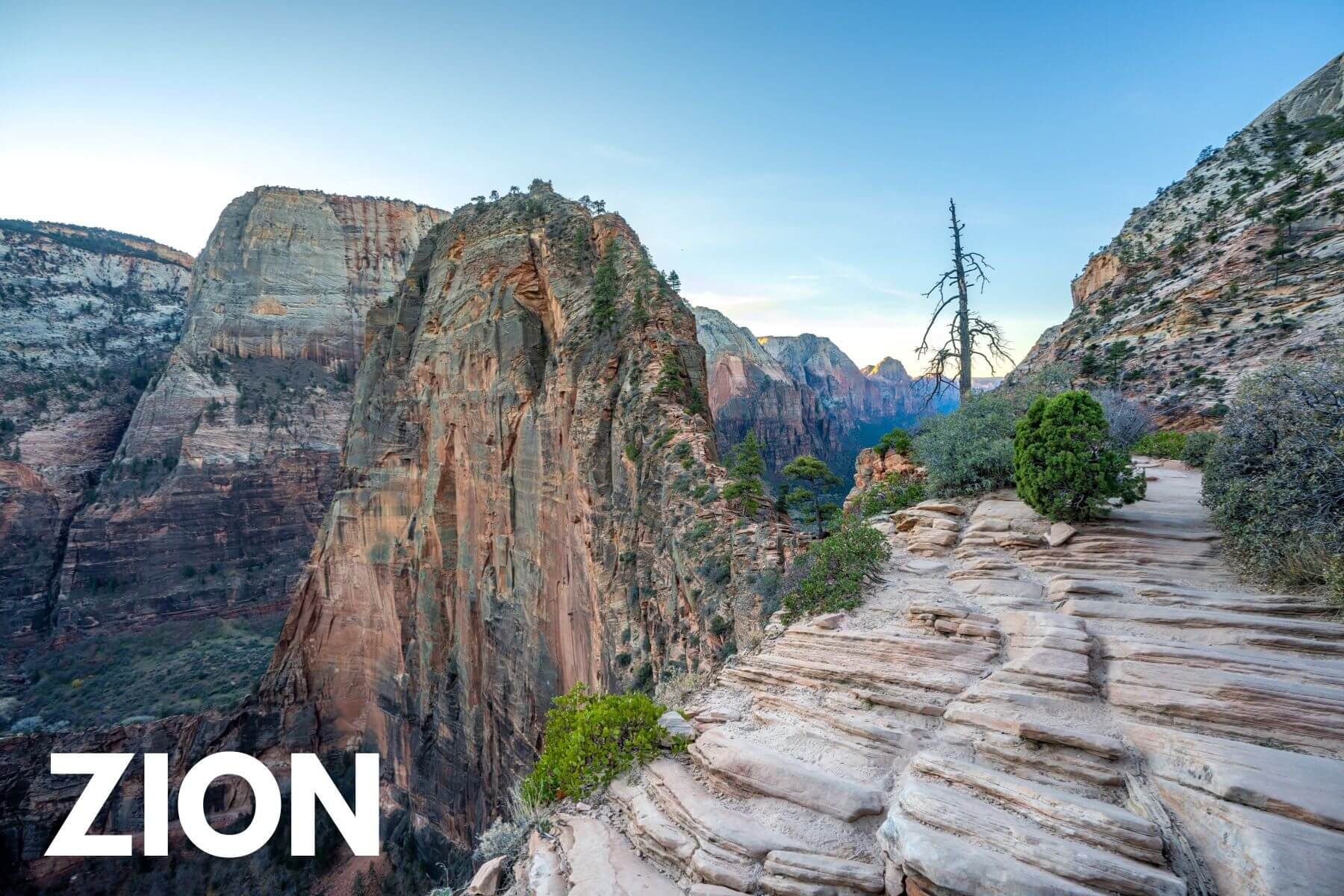
| Angels Landing | Steep drop-offs, narrow ridge | Yes (Recreation.gov lottery) | Ice/snow in winter; lightning risks in summer |
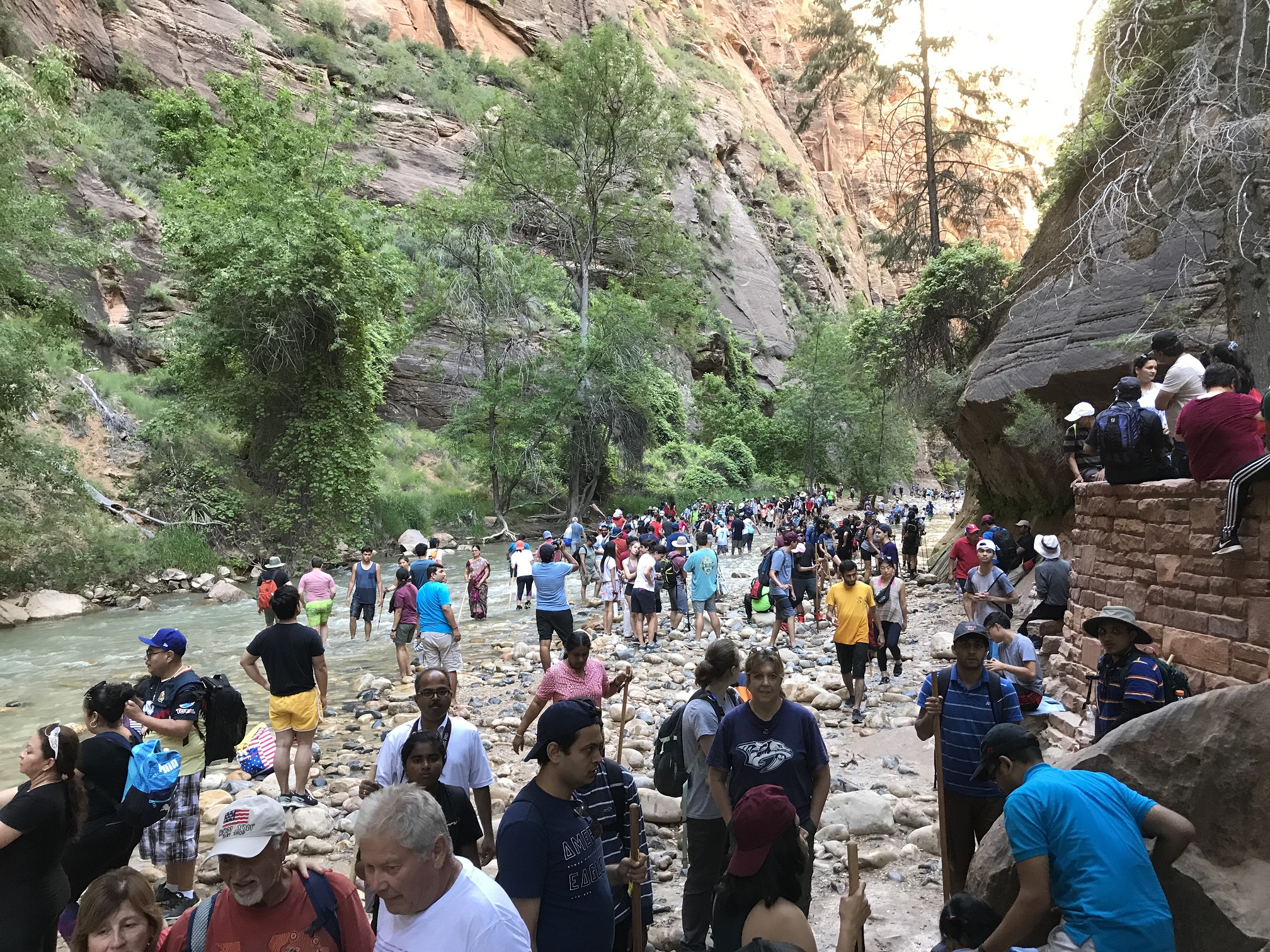
| The Narrows | Flash floods, hypothermia, strong currents | None (Day-use permit for top-down) | Flow cfs (cubic feet per second) levels, water temperature |
| Riverside Walk | Pavement obstruction, wildlife encounters | None | Maintenance updates, rockfall debris |
| Scout Lookout | Steep elevation gain, heat exhaustion | None | Weather exposure, trail maintenance |
The Narrows and Flow Rate Thresholds
For visitors planning to hike The Narrows through the Virgin River, monitoring the cubic feet per second (CFS) flow rate is mandatory. The National Park Service closes The Narrows when flow rates exceed 150 CFS due to high velocity and debris risks. Furthermore, if a Flash Flood Warning is issued by the National Weather Service, all slot canyon hiking must cease immediately.
Angels Landing Permit System
Angels Landing utilizes a seasonal permit system managed through Recreation.gov to control congestion on the narrow chain section. Hikers must secure a permit via the advance lottery or the day-before seasonal lottery. Attempting to hike past Scout Lookout without a valid permit and government-issued photo ID will result in denial of access by park rangers.
Weather Extremes, Seasonal Hazards, and Emergency Preparedness
Weather in Southwest Utah varies dramatically between seasons and elevations. Desert environments experience extreme temperature swings, while flash flood hazards exist across both slickrock and canyon environments.
- Weather Watch
- Summer: Extreme heat (>100°F), afternoon monsoons, flash flood warnings
- Winter: Ice on trails, snow at higher elevations (Raton/Kolob), freezing water
- Spring/Fall: Rapidly shifting weather, fluctuating river flows, high winds
Visitors should pack layers, carry a minimum of one gallon of water per person for strenuous hikes, and monitor local forecasts closely. Flash floods are a severe hazard; they can occur miles away from where you are standing, sending a wall of water down narrow canyons with little to no warning. If rain threatens, immediately move to high ground and stay away from slot canyon floors.
Frequently Asked Questions
How do I check if Zion National Park trails are open today?
You can check current trail statuses directly on the official Zion National Park NPS website under the "Plan Your Visit" or "Conditions" tabs. These pages are updated daily by park rangers to reflect weather closures, maintenance, and safety alerts.
Do I need a reservation to enter Zion National Park?
General park entry does not require a reservation, but you must pay the entrance fee or display an America the Beautiful interagency pass. However, specialized activities—such as hiking Angels Landing or securing vehicle permits for certain camping loops—do require advance reservations or lottery entries.
Is the Zion Canyon Scenic Drive open to personal vehicles?
Personal vehicles are prohibited on the Scenic Drive when the mandatory shuttle system is operating. During winter months or off-peak weekdays when the shuttle is not running, private vehicles are permitted until parking lots inside the canyon reach capacity.
What should I do if a flash flood warning is issued while I am in the park?
If a flash flood warning is active, avoid all slot canyons, washes, and rivers immediately. Move to high ground and remain there until the National Weather Service lifts the warning and park officials confirm safe conditions.
Are dogs allowed on trails in Zion National Park?
Pets are strictly prohibited on almost all dirt trails within Zion to protect park wildlife, prevent resource damage, and ensure visitor safety. The only trail where pets are permitted is the Pa'rus Trail, provided they remain on a leash at all times.
Next Actions for Planning Your Visit
Before embarking on your trip, verify your itinerary against the latest park bulletins. Check the operational status of the visitor center, confirm shuttle schedules for your specific dates, and review weather warnings for Springdale and the higher plateaus. By relying on official park resources and respecting safety closures, you can experience the geological majesty of Zion while minimizing personal risk.
Image Gallery