What Does PSG Stand for in Soccer? Understanding the Global Giant
PSG stands for Paris Saint-Germain, one of the most prominent, commercially successful, and widely recognized professional soccer clubs in the world. Based in the French capital of Paris, the club competes at the highest level of Frenc...
PSG stands for Paris Saint-Germain, one of the most prominent, commercially successful, and widely recognized professional soccer clubs in the world. Based in the French capital of Paris, the club competes at the highest level of French football and regularly features in elite continental competitions like the UEFA Champions League.
Contents
Understanding the full identity of Paris Saint-Germain requires looking beyond the three-letter acronym to examine its historical roots, structural formation, cultural significance, and modern status in global sports. While the name sounds simple, the club represents a unique merger of two distinct entities and has evolved into a powerhouse of modern football economics and celebrity culture.
The Linguistic Breakdown: Paris Saint-Germain
The acronym PSG breaks down into two distinct geographical and historical components: "Paris" and "Saint-Germain."
The first part, Paris, represents the capital city of France. For decades prior to the club's founding in its modern incarnation, Paris lacked a dominant, stable football team that could consistently compete at the pinnacle of the European game—a stark contrast to other European capitals like Madrid, London, or Rome.
The second part, Saint-Germain, refers to Saint-Germain-en-Laye, a affluent commune located in the western suburbs of Paris. This dual naming convention reflects the precise origin of the club, which was born out of a merger between a team from the city center and a team from the surrounding metropolitan area. Today, the club plays its home matches at the Parc des Princes, situated in the 16th arrondissement of Paris, while maintaining its training ground and youth academy roots deeply connected to the broader Île-de-France region.
Historical Origins: The 1970 Merger
To understand why the club bears this specific name, it is necessary to examine the circumstances of its creation. Paris Saint-Germain was founded on August 12, 1970, following the merger of Paris FC—a club founded just a year earlier with the backing of wealthy businessmen aiming to bring top-tier football back to the French capital—and Stade Saint-Germain, a club established in 1904 in Saint-Germain-en-Laye.
The merger was designed to create a large-scale, competitive club capable of representing the entire greater Paris region in the top flight of French football. However, the union was short-lived in its original unified state. Due to political and financial disagreements with the municipal authorities of Paris, the club experienced a split in 1972.
Paris FC retained the professional status and the top-division spot at the time, while the newly reformed Paris Saint-Germain was relegated to the third tier. Despite this administrative setback, PSG quickly climbed back through the divisions, regained professional status by 1974, and returned to the top tier of French football (Ligue 1), where it has remained ever since, vastly overshadowing its former sibling, Paris FC.
Evolution of Ownership and the Modern Era
For much of its history, PSG was a competitive domestic side that captured occasional trophies, including domestic league titles in 1986 and 1994, as well as the European Cup Winners' Cup in 1996. However, the modern identity of the club transformed dramatically in 2011.
In May 2011, Qatar Sports Investments (QSI), a subsidiary of the sovereign wealth fund of the State of Qatar, acquired a controlling stake in the club. This takeover instantly transformed PSG into one of the wealthiest football clubs globally. With substantial financial backing, the club embarked on an ambitious project to dominate French domestic football and secure the elusive UEFA Champions League trophy.
| Era | Ownership Type | Key Milestones & Focus |
|---|---|---|
| 1970–1991 | Founding & Municipal Backing | Club merger, rise to Division 1, first Ligue 1 title (1986). |
| 1991–2011 | Corporate & Media Ownership (Canal+, Colony Capital) | European success (Cup Winners' Cup 1996), domestic cup wins, financial fluctuations. |
| 2011–Present | State-Backed Investment (Qatar Sports Investments) | Massive financial investment, domestic dominance, signing global superstars, brand expansion. |
This financial injection allowed PSG to attract some of the biggest names in world football. Over the subsequent decade and a half, the club broke numerous transfer records and signed elite global icons, shifting the perception of the club from a local Parisian institution to a global lifestyle and fashion brand.
Domestic Dominance and European Ambitions
In contemporary football, PSG is synonymous with domestic supremacy in France. The club competes in Ligue 1, the top tier of the French football league system, and regularly wins multiple domestic honors in a single season, including Ligue 1 titles, the Coupe de France, and the Trophée des Champions.
| Competition | Governing Body | PSG Status & Significance |
|---|---|---|
| Ligue 1 | Ligue de Football Professionnel | Primary domestic league; regular title contenders and frequent champions. |
| Coupe de France | French Football Federation | Historic national knockout cup; most successful club in tournament history. |
| UEFA Champions League | Union of European Football Associations | Premier continental club tournament; primary strategic objective for modern ownership. |
Despite overwhelming domestic success, the ultimate metric by which modern PSG seasons are judged is the UEFA Champions League. The club has consistently reached the knockout stages and advanced to the final in 2020, but winning Europe's premier club competition remains the defining goal for the club's administration, players, and supporters.
Cultural Impact and Global Brand Identity
Beyond the pitch, PSG has redefined how a football club interacts with fashion, music, and pop culture. Through strategic partnerships with American sportswear brand Jordan, high-end fashion houses, and lifestyle brands, the club has positioned itself at the intersection of sport and luxury culture.
Wearing a PSG jersey has become a fashion statement globally, transcending traditional sports fandom. This deliberate branding strategy has expanded the club's international fan base, making the three-letter acronym instantly recognizable even to individuals who do not closely follow European soccer.
Frequently Asked Questions About PSG
Does PSG play in the city center of Paris?
Yes, PSG plays its home matches at the Parc des Princes, which is located in the southwestern part of Paris within the 16th arrondissement. The stadium has served as the club's primary home since 1974.
Is PSG a publicly traded company?
No, PSG is privately owned. Qatar Sports Investments (QSI) holds the vast majority of the club's shares, with minority investments introduced in subsequent years to support global expansion.
What are the traditional colors of Paris Saint-Germain?
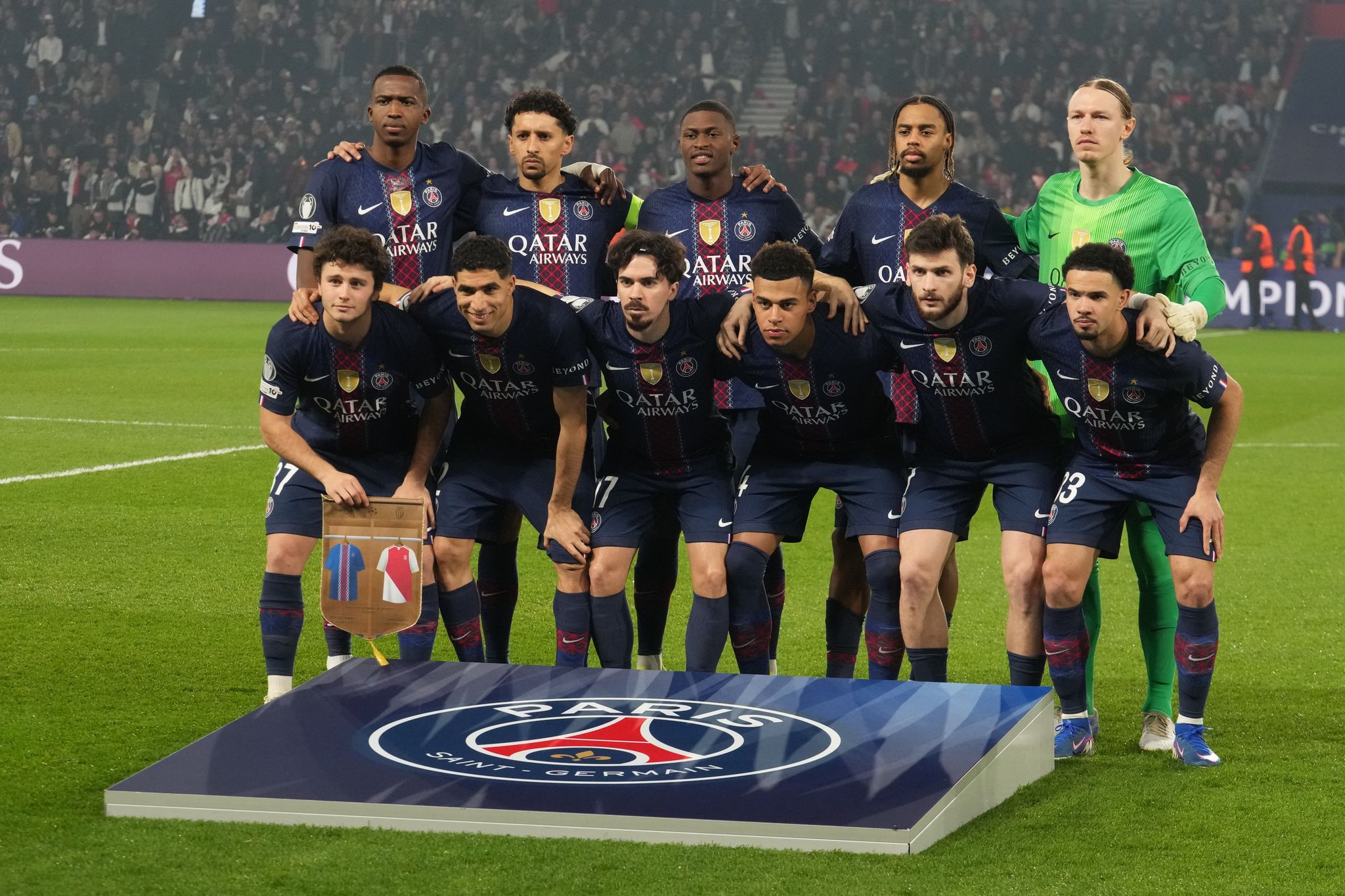
The primary colors of PSG are blue, red, and white. This color scheme is famously embodied in the "Hechter design," featuring a central red vertical stripe flanked by white borders against a dark blue background, introduced by designer and former fashion entrepreneur Daniel Hechter in the 1970s.
Why is PSG so dominant in French football?
PSG's domestic dominance is largely driven by superior financial resources compared to other French clubs, allowing them to assemble squads filled with international talent, maintain deep player depth, and invest heavily in training infrastructure and coaching staff.
Did famous players like Lionel Messi and Kylian Mbappé play for PSG?
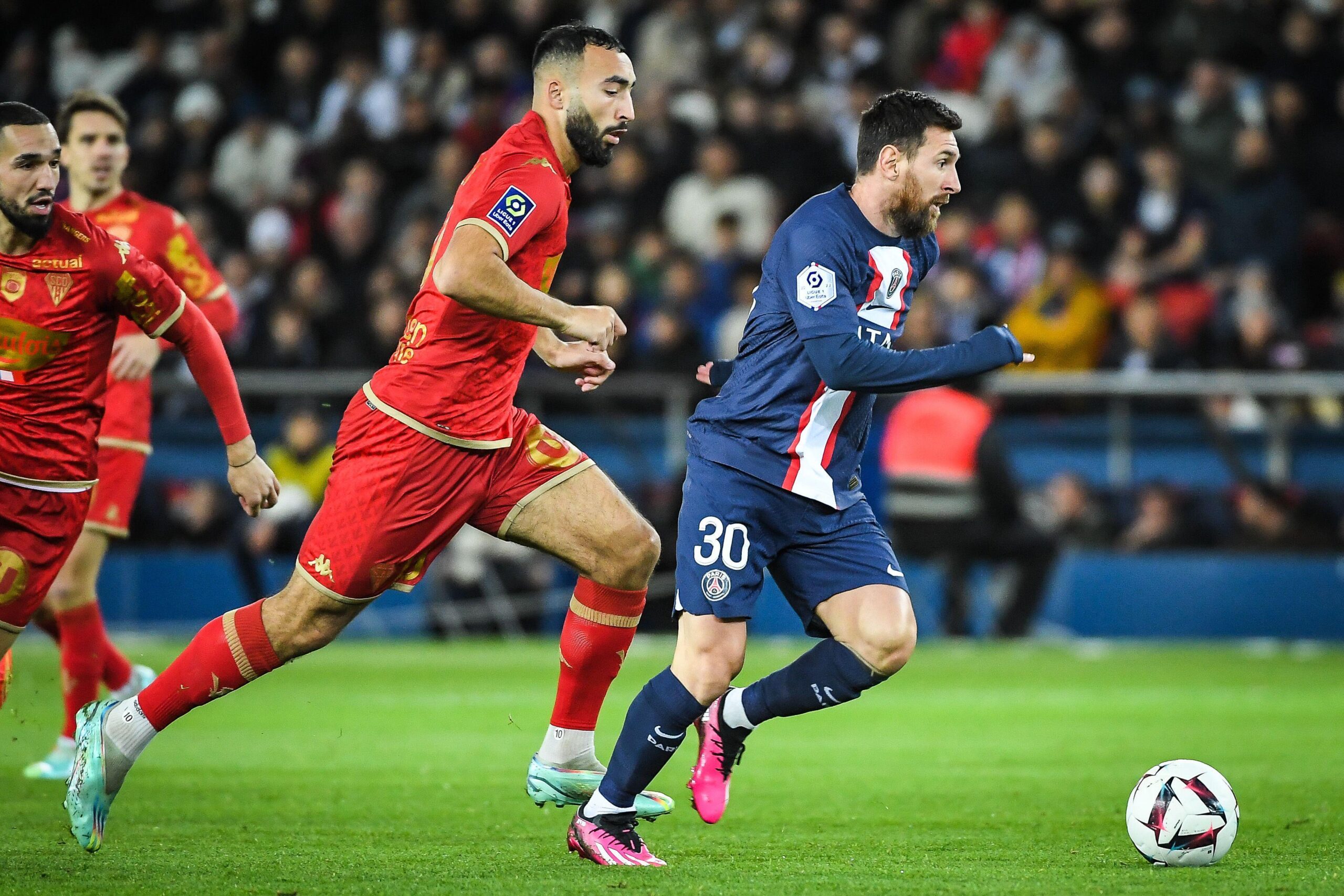
Yes. As part of its ambitious recruitment strategy during the 2010s and 2020s, PSG featured numerous Ballon d'Or winners and global superstars, including Lionel Messi, Neymar Jr., Kylian Mbappé, Zlatan Ibrahimović, and David Beckham.
Next Actions and Further Exploration
For those looking to follow the club more closely, tracking upcoming Ligue 1 fixtures or UEFA Champions League matches provides direct insight into their competitive progress. Reviewing official club media channels or exploring the historical archives of French football can also offer a deeper appreciation of how a 1970s municipal merger evolved into a modern global phenomenon.
Image Gallery