Understanding Automatic Medicare Enrollment at Age 65
Most individuals receiving Social Security or Railroad Retirement Board benefits before turning 65 are enrolled in Medicare Parts A and B automatically, while others must proactively sign up through the Social Security Administration d...
Most individuals receiving Social Security or Railroad Retirement Board benefits before turning 65 are enrolled in Medicare Parts A and B automatically, while others must proactively sign up through the Social Security Administration during their Initial Enrollment Period to avoid coverage gaps and late penalties.
Contents
Navigating the transition into Medicare is one of the most critical milestones of financial and physical healthcare planning as you approach retirement. For the majority of Americans, turning 65 marks the eligibility threshold for the federal health insurance program. However, understanding whether you will be automatically enrolled or if you must take manual action is essential to securing timely coverage. A misunderstanding of these rules can result in delayed health benefits, unexpected gaps in coverage, and lifelong financial penalties that increase your monthly Part B or Part A premiums.
The Mechanics of Automatic Medicare Enrollment
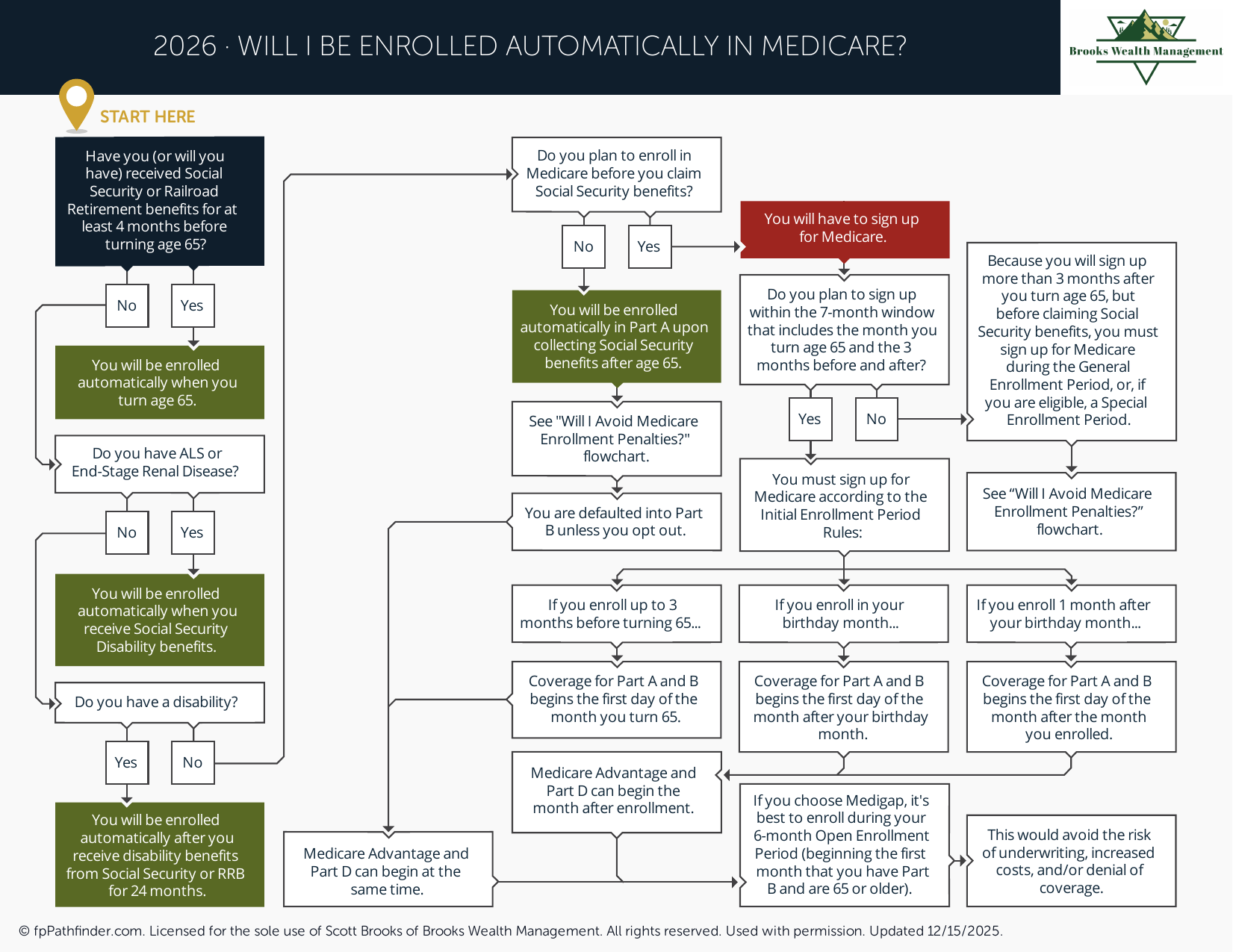
Automatic Medicare enrollment streamlines the transition to healthcare coverage for individuals who are already embedded in the federal retirement or disability benefit ecosystem. If you are already receiving monthly retirement or disability benefits from the Social Security Administration (SSA) or the Railroad Retirement Board (RRB) when you turn 65, the federal government already possesses the necessary demographic and identity verification data. Consequently, the administrative machinery initiates your Medicare enrollment without requiring a separate application.
Under this automatic pathway, you do not need to visit a local Social Security office or submit an online portal request. Your Medicare card is typically mailed to your residential address roughly three months before your 65th birthday month. This card will indicate your enrollment in both Medicare Part A (Hospital Insurance) and Medicare Part B (Medical Insurance), along with the exact date your coverage becomes effective.
However, automatic enrollment is not universal. It applies specifically to those already drawing financial benefits. If you have chosen to delay claiming your Social Security retirement benefits past age 65—a common strategy to maximize future monthly payouts—the SSA has no active financial relationship with you at that exact moment. In these instances, the automatic pipeline breaks down, and the onus shifts entirely to you to initiate your Medicare enrollment proactively.
Qualifying Criteria for Automatic Enrollee Status
To qualify for automatic Medicare enrollment at age 65, you must meet precise statutory conditions. Meeting one or more of these criteria ensures that the Social Security Administration or the Railroad Retirement Board triggers your enrollment file automatically:
- Social Security Benefit Recipient: You must have been receiving Social Security retirement or survivor benefits for at least four months prior to turning 65.
- Railroad Retirement Board Recipient: You must be receiving an RRB retirement or disability annuity prior to your 65th birthday month.
- Disability Status: If you are under the age of 65 and have been receiving Social Security Disability Insurance (SSDI) benefits for 24 months, you are automatically enrolled in Medicare Parts A and B on your 25th month of disability, regardless of your chronological age.
- ALS or ESRD Diagnoses: Individuals diagnosed with Amyotrophic Lateral Sclerosis (ALS) are automatically enrolled in Medicare the exact month their Social Security disability benefits begin. Those with End-Stage Renal Disease (ESRD) have specific rules governing automatic or manual enrollment paths depending on group health plan status.
For individuals residing outside the United States—such as in Puerto Rico or foreign countries—the rules for automatic enrollment vary slightly, particularly concerning Part B. Because Part B carries a monthly premium, residents outside the fifty states who are receiving Social Security benefits must sometimes take affirmative steps to accept or decline Part B, even if Part A is granted automatically.
The Initial Enrollment Period (IEP) and Deadlines
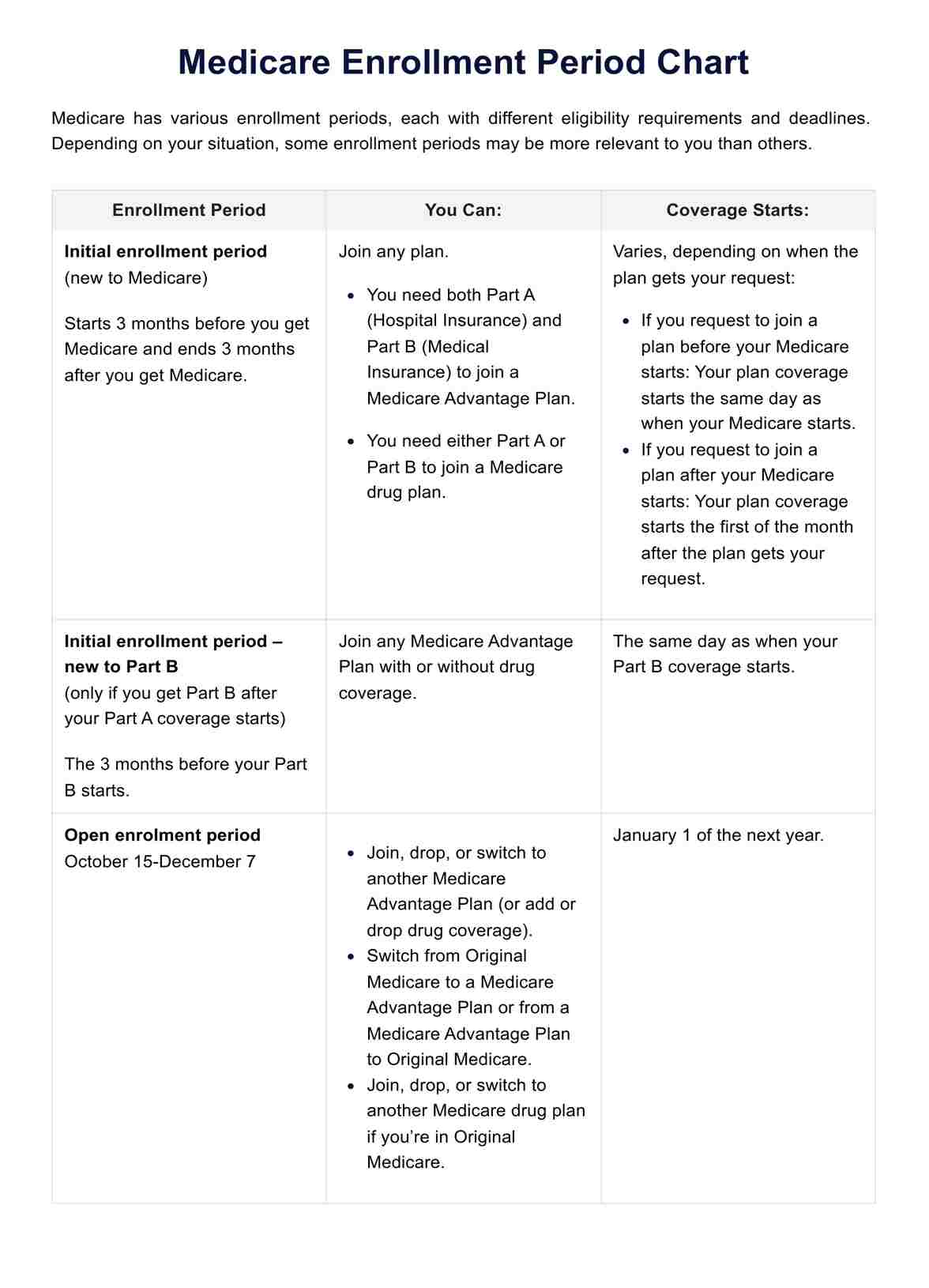
Whether you are enrolled automatically or must apply manually, your entry point into the system is governed by the Initial Enrollment Period (IEP). This is a strictly defined, seven-month window centered around your 65th birthday month.
The IEP begins three months before the month of your 65th birthday, includes your birthday month, and extends for three months after your birthday month. For example, if your birthday falls on June 15, your Initial Enrollment Period spans from March 1 of that year through September 30.
| Birthday Month Timing | IEP Start Date (3 Months Prior) | Birthday Month | IEP End Date (3 Months After) |
|---|---|---|---|
| January | October 1 (Prior Year) | January | April 30 |
| June | March 1 | June | September 30 |
| September | June 1 | September | December 31 |
| December | September 1 | December | March 31 (Following Year) |
Timing your coverage activation correctly during this window prevents gaps. If you are eligible for automatic enrollment, your Part A and Part B coverage generally starts on the first day of your birthday month. If your birthday happens to fall on the first day of the month, your Medicare coverage effectively begins on the first day of the preceding month, aligning your protections precisely when you reach the legal age threshold.
When You Must Apply Manually
If you do not meet the criteria for automatic enrollment—most notably because you are continuing to work past age 65 and have deferred your Social Security benefits—you must actively manage your Medicare enrollment. Failing to realize that you are excluded from automatic enrollment is a leading cause of missed deadlines and subsequent penalties.
To apply manually, you must submit an application through the Social Security Administration’s online portal, call the SSA directly, or visit a local field office. This process should ideally be initiated during the first three months of your Initial Enrollment Period to ensure seamless continuity, especially if you are transitioning away from an employer-sponsored health plan.
Delaying enrollment past age 65 requires careful coordination with existing workplace coverage. If you are covered by an employer group health plan based on current active employment (either your own or your spouse’s) at a company with 20 or more employees, you can typically delay enrolling in Medicare Part B without incurring penalties. Once that employment or coverage ends, you trigger an 8-month Special Enrollment Period (SEP) to sign up for Medicare without penalty. Cobra coverage and retiree health plans do not count as active employment coverage under these federal guidelines.
Understanding Costs, Premiums, and Financial Obligations
Automatic enrollment assigns you both Part A and Part B, but this does not mean all services are entirely free of charge. Evaluating your financial obligations helps prevent budget shocks once deductions begin.
- Medicare Part A Costs: For most individuals, Part A is premium-free. This is because you or your spouse paid Medicare taxes while working for at least 40 quarters (10 years). If you do not have the required work history, you can still purchase Part A, but you will pay a significant monthly premium.
- Medicare Part B Costs: Part B carries a standard monthly premium that is adjusted annually by the Centers for Medicare & Medicaid Services (CMS). For automatic enrollees, this premium is typically deducted directly from your monthly Social Security benefit check. If you are not yet collecting Social Security, you will receive a bill (CMS-500) every month or quarterly to pay your premium directly. High-income earners may be subject to the Income-Related Monthly Adjustment Amount (IRMAA), which adds a surcharge to both Part B and Part D premiums based on tax returns from two years prior.
Managing Part B Opt-Out Scenarios
A unique nuance of automatic enrollment involves Medicare Part B. Because Part B requires a monthly premium, individuals who are still actively working and covered under a robust employer health plan sometimes wish to decline Part B when they turn 65 to avoid paying double premiums.
If you receive your Medicare card automatically in the mail and you do not want Part B, you must follow the instructions accompanying the card to decline it. This generally involves signing the back of your Medicare card, mailing it back to the address provided, or following the specific CMS instructions to complete the refusal.
However, caution is paramount here. If you decline Part B automatically and you do not have qualifying health coverage through active employment, signing up later will trigger the Part B Late Enrollment Penalty. This penalty permanently increases your monthly Part B premium by 10% for every full 12-month period you were eligible for Part B but failed to enroll.
Next Steps and Actionable Verification
To ensure your transition into Medicare is seamless, take the following steps well in advance of your 65th birthday:
- Verify Your Benefit Status: Check whether you are actively drawing Social Security or Railroad Retirement Board benefits. If you are, expect your automatic package roughly three months before your birthday.
- Evaluate Current Coverage: If you are still working, consult your human resources department or benefits administrator to determine how your current health plan interacts with Medicare. Confirm whether your plan considers you actively employed.
- Monitor Your Mailbox: Watch for your official Medicare card package from the Department of Health and Human Services. Review the enclosed letters to verify that both Part A and Part B are listed correctly.
- Contact the SSA if Necessary: If your 65th birthday is approaching within three months and you have not received your card or confirmation of automatic enrollment—and you are not drawing Social Security—contact the Social Security Administration immediately to initiate a manual application.
Disclaimer: Medicare guidelines, premium amounts, and eligibility thresholds are subject to regulatory updates by the federal government. For personalized financial and medical insurance advice tailored to your unique tax bracket, employment status, and health requirements, consult a certified benefits counselor, a State Health Insurance Assistance Program (SHIP) representative, or a licensed insurance professional.
Image Gallery