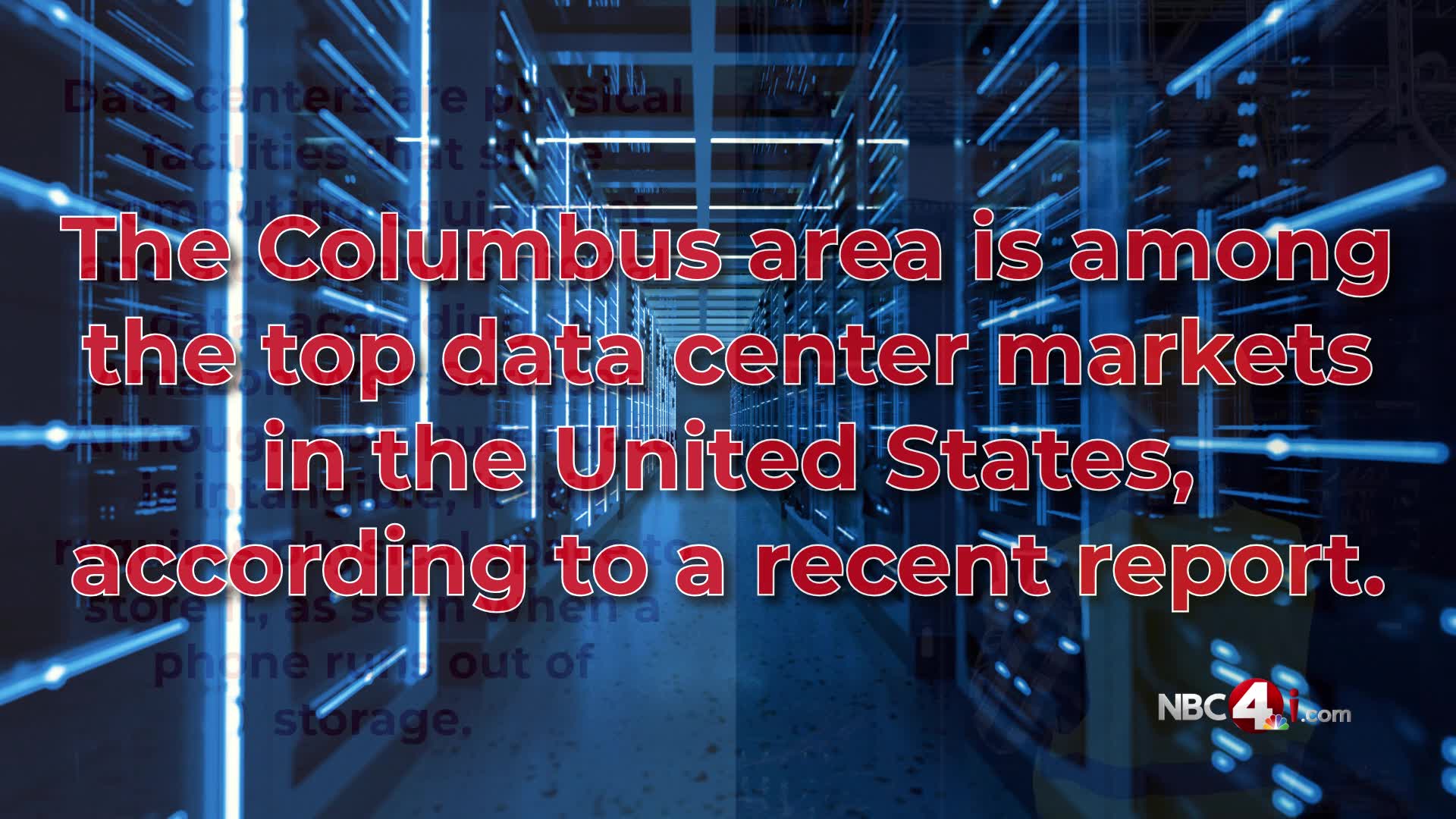
Columbus Data Services: The Hub That Powers Local Innovation
Columbus data services act as a foundational backbone for enterprises, academic institutions, and municipal initiatives, streamlining how regional organizations capture, process, and leverage information to drive technological breakthr...
Columbus data services act as a foundational backbone for enterprises, academic institutions, and municipal initiatives, streamlining how regional organizations capture, process, and leverage information to drive technological breakthroughs.
Contents
The modern economic and technological landscape relies heavily on robust data infrastructure. In regions experiencing rapid digital transformation like Columbus, centralized data services function as critical catalysts. By providing scalable cloud storage, secure data pipelines, high-performance computing resources, and advanced analytics frameworks, these services bridge the gap between raw data collection and actionable innovation. Organizations across logistics, healthcare, financial services, and advanced manufacturing depend on these localized hubs to refine operations, reduce latency, and scale their digital products efficiently. This comprehensive examination explores the architecture, operational benefits, economic impacts, and strategic deployment of data services within the Columbus ecosystem.
The Architecture of Regional Data Ecosystems
Understanding how Columbus data services operate requires a close look at the underlying technological infrastructure. Regional data hubs combine physical data centers, fiber-optic network density, and cloud-native software layers to ensure low-latency data transmission and processing.
At the core of this infrastructure are high-tier data centers equipped with redundant power systems, advanced cooling technologies, and stringent security protocols. These facilities house enterprise-grade servers and storage arrays that allow local businesses to outsource capital-intensive hardware management. Instead of maintaining on-premises server racks, companies can tap into regional colocation and cloud-on-ramp facilities that connect directly to major global cloud providers.
Furthermore, network architecture relies on carrier-neutral facilities. Carrier neutrality permits organizations to choose from multiple telecommunications providers, fostering competitive pricing and high redundancy. This connectivity minimizes packet loss and ensures that data-intensive applications—such as real-time Internet of Things (IoT) monitoring for smart logistics or high-volume transactional processing—execute smoothly without bottlenecking.
Key Service Offerings Supporting Local Enterprises
Columbus data services provide a diverse suite of capabilities tailored to the operational demands of modern businesses. These offerings go beyond simple storage, encompassing complex data lifecycle management.
Cloud Computing and Hybrid Infrastructure
Local enterprises frequently employ hybrid cloud architectures, blending private data centers with public cloud environments. Columbus-based service providers facilitate seamless integration between these environments, allowing businesses to keep sensitive workloads compliant with local regulations while bursting into public clouds for seasonal or computational spikes.
Data Governance and Compliance
As regulatory frameworks concerning data privacy expand, organizations must maintain strict oversight of how information is collected, stored, and processed. Regional data hubs offer specialized governance tools that automate compliance auditing, access control management, and data lineage tracking. This ensures adherence to standards such as HIPAA for healthcare providers and PCI-DSS for financial institutions.
Advanced Analytics and High-Performance Computing (HPC)
Innovation often stems from deep data analysis and machine learning. Regional data services grant mid-sized and large enterprises access to high-performance computing clusters. These clusters empower research and development teams to train complex machine learning models, run simulations, and analyze vast datasets in fractions of the time required by standard hardware.
Comparative Overview of Data Infrastructure Models
Organizations evaluating data services must weigh various structural models against their specific operational needs, capital expenditure budgets, and security requirements.
| Infrastructure Model | Primary Benefit | Typical Use Case | Cost Structure |
|---|---|---|---|
| On-Premises Data Center | Total control over physical hardware and data access | Highly regulated industries with rigid legacy requirements | High CapEx, predictable OpEx |
| Regional Colocation | Scalable power and cooling with carrier-neutral connectivity | Growing enterprises expanding network reach without building facilities | Moderate CapEx, usage-based OpEx |
| Hybrid Cloud | Flexibility to balance security with elastic computational scaling | E-commerce platforms, software-as-a-service (SaaS) providers | Flexible OpEx subscription model |
| Managed Data Services | Complete outsourcing of infrastructure maintenance and monitoring | Lean organizations lacking dedicated enterprise IT teams | Predictable monthly service fees |
Impact on Key Regional Sectors
The availability of robust data services directly accelerates innovation across several core industries anchored in the Columbus region.
Logistics and Supply Chain Management
Columbus serves as a major national distribution and logistics nexus. Data services enable regional supply chain operators to deploy predictive analytics engines. These tools ingest real-time traffic, weather, and inventory data to optimize shipping routes, reduce fuel consumption, and automate warehouse sorting systems.
Healthcare and Life Sciences
Medical research and patient care generate immense volumes of sensitive data. Secure regional data hubs provide the encrypted storage and compute power required to analyze genomic sequences, manage electronic health records (EHR), and facilitate telemedicine platforms while maintaining strict privacy standards.
Financial Services and Insurance
Financial institutions rely on ultra-low-latency data processing for algorithmic trading, risk assessment, and fraud detection. Local data services provide the secure transactional environments necessary to process millions of secure events per second without service interruption.
Strategic Implementation and Operational Challenges
Migrating to or scaling within a regional data hub requires careful planning. Organizations often encounter specific hurdles that necessitate structured mitigation strategies.
- Data Migration Complexity: Moving legacy databases to modern cloud or colocation environments risks data corruption or extended downtime. Enterprises must execute phased migrations, prioritizing non-critical workloads before transitioning core transactional systems.
- Skill Gap Management: Managing modern data pipelines, Kubernetes clusters, and AI workflows requires specialized technical talent. Organizations frequently partner with managed service providers (MSPs) to bridge internal knowledge gaps.
- Security Vulnerabilities: As networks expand, the attack surface grows. Implementing zero-trust architectures, multi-factor authentication, and continuous vulnerability scanning is non-negotiable for safeguarding regional data assets.
Frequently Asked Questions
What makes regional data services preferable to pure global cloud solutions?
Regional data services offer lower network latency due to physical proximity, personalized local technical support, and easier alignment with localized compliance and data residency requirements, while still offering robust hybrid cloud connectivity.
How do Columbus data services support small and medium-sized enterprises (SMEs)?
SMEs benefit by avoiding massive capital expenditures on physical hardware. Through scalable infrastructure-as-a-service (IaaS) and managed data services, smaller companies can access enterprise-grade computing power and security protocols on a pay-as-you-go basis.
What security standards should I look for in a local data service provider?
Organizations should verify that providers maintain relevant certifications, such as SOC 2 Type II compliance, ISO/IEC 27001 for information security management, and industry-specific validations like HIPAA or PCI-DSS where applicable.
How does high-performance computing (HPC) integrated into data hubs drive innovation?
HPC clusters compress the time required to run complex simulations, render detailed models, and train artificial intelligence algorithms, allowing research and development teams to iterate products and services significantly faster.
Next Steps for Organizations
Organizations seeking to leverage Columbus data services should begin by conducting a comprehensive data audit to identify current infrastructure bottlenecks, security gaps, and computational needs. Engaging with regional infrastructure providers early in the planning phase ensures that custom architectural designs align precisely with long-term business growth objectives and scalability targets.
Image Gallery