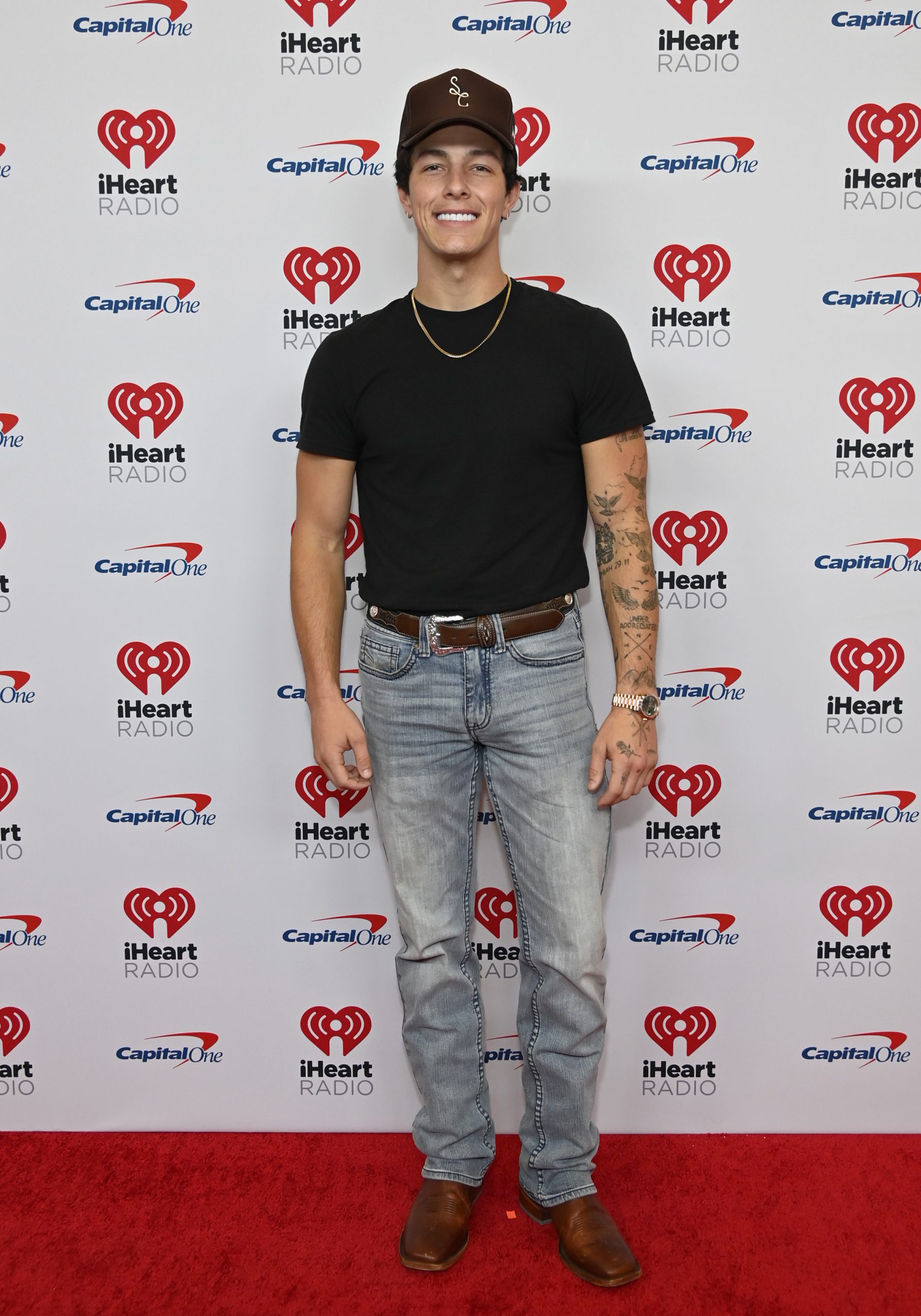
Tayler Holder Net Worth in 2026: Financial Standing and Career Earnings Explained
Tayler Holder’s net worth in 2026 is estimated to be between $2 million and $4 million, accumulated through his multi-faceted career as a social media influencer, TikTok star, recording artist, and professional combat sports athlete. T...
Tayler Holder’s net worth in 2026 is estimated to be between $2 million and $4 million, accumulated through his multi-faceted career as a social media influencer, TikTok star, recording artist, and professional combat sports athlete.
Contents
The digital landscape has evolved significantly over the past decade, shifting from simple short-form video creation to a complex ecosystem where content creators diversify into music, merchandise, brand partnerships, and pay-per-view events. Tayler Holder stands as a prominent example of this evolution. Rising to prominence through Musical.ly (now TikTok) and the collective content house era, Holder successfully transitioned his massive digital audience into tangible financial assets. Understanding the mechanics of modern influencer wealth requires examining how internet personalities monetize their attention, transition across platforms, and navigate the volatile economics of the creator economy.
The Rise of Tayler Holder: From Small-Town Texas to Digital Stardom
Tayler Holder’s journey into the digital spotlight began in Melissa, Texas, where he was born and raised. Before capturing millions of followers online, Holder spent his youth heavily involved in motocross and sports. This athletic background would later heavily influence his physical training and entry into competitive fighting.
In 2016, at the age of 14, Holder began uploading content to Musical.ly. His early success was built on lip-syncing videos, engaging dance trends, and a rapidly growing teenage demographic that embraced the platform. As the app rebranded into TikTok and the algorithm favored expressive, lifestyle-oriented creators, Holder’s follower count skyrocketed.
Recognizing the power of collective content creation, Holder moved to Los Angeles, California, to join various influencer collaborative spaces, most notably "Hype House" and "Triller Compound." These collective environments allowed creators to cross-pollinate audiences, amplify brand deals, and maximize their monetization potential through shared production resources and viral marketing strategies. However, relying purely on ad revenue sharing from platforms rarely accounts for the bulk of a creator's wealth. Holder quickly expanded his portfolio into adjacent entertainment sectors, establishing a foundation for long-term income generation outside of social media views.
Primary Revenue Streams Contributing to Tayler Holder’s Net Worth
Generating a multi-million-dollar net worth as an independent creator requires a diversified income portfolio. For Tayler Holder, earnings originate from several distinct financial pillars, each carrying varying profit margins and stability levels.
1. Brand Partnerships and Sponsored Content
Historically, sponsored integrations represent the highest-grossing sector for elite digital creators. Brands across apparel, fitness, tech, and consumer goods pay top dollar to reach millions of Gen Z and Millennial consumers. Holder has partnered with numerous lifestyle and fitness brands. While individual post rates fluctuate depending on campaign scope, exclusivity clauses, and platform algorithms, elite influencers with millions of followers can command tens of thousands of dollars per sponsored campaign.
2. Music Streaming and Production
Transitioning from a social media personality to a recording artist has become a common playbook for creators seeking long-term credibility and passive royalty income. Holder released several singles, including "Fallback," "Way 4t Me," and "Meant to Be." While music production costs can be steep, revenue generated through Spotify streams, Apple Music royalties, YouTube music video monetization, and live performances contributes a steady stream of secondary income.
3. Professional Boxing and Pay-Per-View Events
One of the most lucrative and high-risk expansions of Holder’s career involves competitive boxing. Participating in influencer boxing events—such as those hosted by platforms like Social Gloves or Creator Clash—yields substantial financial payoffs. Boxers in these high-profile exhibitions typically earn a guaranteed base purse augmented by a percentage of pay-per-view (PPV) buys and gate ticket sales. While training camps require considerable financial and physical investment, these bouts offer significantly higher lump-sum payouts than traditional digital advertising revenue.
4. Merchandise and E-Commerce
Direct-to-consumer apparel and merchandise lines offer some of the highest profit margins for digital creators. Holder has launched multiple clothing collections tailored to his core fanbase. By leveraging his immediate reach without retail middlemen, e-commerce sales act as a high-margin cash flow injection during major product drops.
Financial Diversification and Creator Economy Realities
Building a sustainable net worth in the digital space requires navigating the unpredictable nature of platform algorithms. Creators who rely solely on ad revenue share models are inherently vulnerable to shifting monetization policies, platform bans, or sudden drops in audience engagement.
| Revenue Stream | Stability Level | Primary Income Driver | Estimated Impact on Net Worth |
|---|---|---|---|
| Brand Partnerships | Moderate | Sponsored posts, campaigns | High (Historically primary cash flow) |
| Combat Sports | Low (High Risk) | PPV shares, fight purses | High (Lump-sum boosts) |
| Music Royalties | High (Long-term) | Streaming platforms, publishing | Moderate (Steady passive income) |
| Merchandise & E-Commerce | Variable | Direct-to-consumer sales | Moderate (Driven by product drops) |
| Platform Ad Revenue | Low | YouTube/TikTok creator funds | Low-to-Moderate |
As detailed in the table above, diversification mitigates financial risk. While platform ad revenue provides the baseline visibility, high-impact events like boxing matches and structured brand contracts provide the capital required to build lasting wealth. Furthermore, prudent financial management—such as investing in real estate, liquid assets, and business ventures—determines whether short-term influencer earnings translate into long-term financial security.
Challenges, Controversies, and Career Pivots
Navigating public life as a young adult in the digital age presents unique obstacles. Over the course of his career, Holder has faced public scrutiny, intense media coverage, and the inevitable controversies that accompany viral fame.
Public fallout, shifts in audience sentiment, and temporary pauses in content creation can directly impact a creator's brand safety score, leading to canceled sponsorships or decreased ad revenue. However, Holder’s ability to pivot—shifting focus toward athletic endeavors, combat sports training, and independent music production—demonstrates resilience against the transient nature of internet trends. By re-centering his personal brand around fitness, discipline, and personal growth, he successfully retained a dedicated core audience while shedding some of the volatility associated with purely lifestyle-driven vlogging.
Frequently Asked Questions
What is Tayler Holder’s net worth?
Tayler Holder’s net worth is estimated to be between $2 million and $4 million. This figure is derived from his cumulative earnings across social media monetization, brand partnerships, professional boxing purses, music streaming royalties, and merchandise sales.
How did Tayler Holder become famous?
Holder initially gained fame in 2016 through the short-form video platform Musical.ly (now TikTok). He grew his following by posting lip-syncing videos, dance content, and lifestyle vlogs, later joining prominent Los Angeles content houses like the Hype House to scale his audience.
Does Tayler Holder still box professionally?
Holder transitioned into influencer boxing, participating in high-profile exhibition matches. While his involvement in combat sports has varied alongside his entertainment ventures, boxing remains a significant milestone in his career earnings and public profile.
What are Tayler Holder’s primary sources of income?
His primary income sources include brand sponsorship deals, professional fight purses and pay-per-view revenue shares, digital music royalties from streaming platforms, direct-to-consumer merchandise sales, and platform ad revenue.
How do social media influencers build long-term wealth?
Influencers build long-term wealth by diversifying their income away from volatile ad revenue. Successful creators invest in real estate, launch independent businesses, secure equity in consumer brands, and develop intellectual property such as music catalogs or proprietary product lines.
Final Recommendations for Aspiring Digital Creators
Examining the financial trajectory of creators like Tayler Holder reveals critical lessons for anyone entering the modern digital economy. Success cannot rely solely on viral moments or a single platform. Aspiring creators must treat their personal brand as a business enterprise from day one.
To achieve sustainable financial independence, creators should prioritize:
- Audience Ownership: Moving followers from rented platforms (like TikTok or Instagram) onto owned channels (like email newsletters, independent websites, or direct apps).
- Income Diversification: Ensuring no single revenue source accounts for more than 50% of total earnings.
- Asset Accumulation: Reinvesting short-term cash flows from sponsorships and events into appreciating assets, such as real estate or private equity, to secure long-term financial stability.
Image Gallery