Understanding Life Insurance Beneficiaries: Roles, Rights, and Responsibilities
A person named to receive life insurance proceeds is a beneficiary, holding the explicit legal right to claim the death benefit payout when the insured individual passes away. This designation forms the core of any life insurance polic...
A person named to receive life insurance proceeds is a beneficiary, holding the explicit legal right to claim the death benefit payout when the insured individual passes away. This designation forms the core of any life insurance policy, serving as the financial bridge between the policyholder's preparation and the financial security of their chosen recipients.
Contents
Navigating the mechanics of life insurance designations requires a clear understanding of legal definitions, types of designations, and potential administrative pitfalls. Whether you are establishing a new policy or evaluating an existing estate plan, understanding how a beneficiary operates ensures that policy proceeds transfer efficiently without unnecessary legal delays or contested claims.
The Fundamental Role of the Beneficiary
At its core, a life insurance beneficiary is an individual, trust, institution, or charity designated in the insurance contract to receive the policy’s financial proceeds upon the death of the insured. When a policyholder enters into an agreement with an insurance carrier, they pay regular premiums in exchange for a guaranteed payout amount, known as the death benefit. The beneficiary is the designated recipient of this specific transfer of wealth.
This designation bypasses the standard probate court process in many jurisdictions, allowing funds to transfer directly from the insurance provider to the recipient. This direct transfer mechanism provides immediate financial liquidity to surviving family members or dependents, helping them cover immediate expenses such as funeral costs, outstanding debts, mortgage obligations, and ongoing living expenses.
Primary Versus Contingent Designations
Insurance policies typically divide designations into two distinct categories to ensure proper management of funds if unforeseen circumstances arise:
- Primary Beneficiary: The first-in-line recipient designated to receive the policy proceeds. If the primary beneficiary survives the insured, they receive the full payout (or their specified percentage share).
- Contingent Beneficiary (Secondary Beneficiary): The backup recipient or group of recipients who will receive the proceeds only if all primary beneficiaries have predeceased the insured or disclaim the inheritance.
Establishing a contingent designation is a critical step in estate planning. Without a backup recipient, if the primary beneficiary passes away before the insured and the policyholder fails to update the paperwork, the insurance payout typically reverts to the insured's estate. This oversight subjects the funds to probate court, increasing administrative costs, delaying distribution, and potentially exposing the assets to creditors.
Types of Beneficiary Entities
A policyholder is not restricted to naming a single individual. The structure of a designation can range from straightforward personal names to complex legal entities, depending on the goals of the policyholder.
- Life Insurance Beneficiary
- Individual
- Primary
- Contingent
- Per Stirpes / Per Capita
- Legal Entity
- Revocable Trust
- Irrevocable Trust
- Estate / Charity
- Individual
Individuals and Class Designations
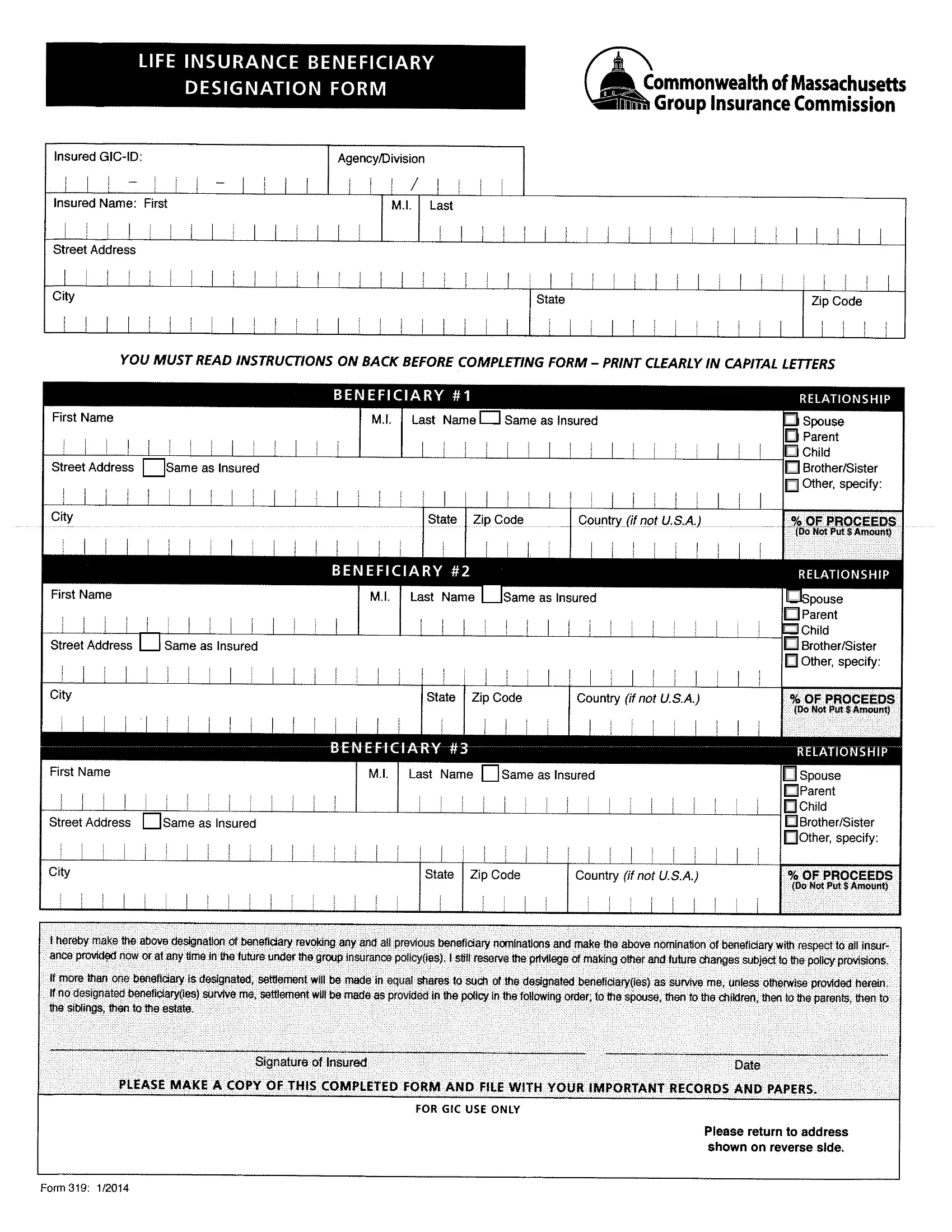
Naming specific individuals—such as a spouse, sibling, or adult child—is the most common approach. Policyholders must provide accurate identifying information, including full legal names, dates of birth, Social Security numbers, and current addresses, to prevent administrative delays during the claims validation process.
Alternatively, policyholders may use class designations, such as "my children born of my marriage." While convenient, class designations require careful drafting to avoid ambiguity regarding adopted children, stepchildren, or children born after the policy inception.
Trusts as Beneficiaries
Setting up a trust as the beneficiary of a life insurance policy offers advanced control over asset distribution. This strategy is frequently utilized when:
- The intended beneficiaries are minor children who cannot legally manage large sums of money directly.
- The policyholder wants to place strict conditions on how and when the funds are disbursed (e.g., distributing funds for education at specific ages).
- There is a need to protect assets from creditors or manage complex estate tax thresholds.
When a trust is named, the trustee manages the insurance proceeds according to the legal parameters established in the trust document, rather than the insurance company overseeing ongoing disbursements.
Estates and Charities
Naming the insured's estate as the beneficiary is generally discouraged by financial professionals because it triggers probate, subjecting the proceeds to court fees, attorney costs, and potential creditor claims. However, it is sometimes used as a default option or when coordinating complex post-mortem debt liquidation. Conversely, naming a registered 501(c)(3) charity allows policyholders to leave a philanthropic legacy, often providing estate tax deductions for the donor's estate.
Revocable Versus Irrevocable Designations
The legal control a policyholder retains over their policy depends entirely on whether the designation is classified as revocable or irrevocable.
| Feature | Revocable Beneficiary | Irrevocable Beneficiary |
|---|---|---|
| Control | Policyholder retains full authority to change or remove the designation at any time. | Requires the explicit, written consent of the beneficiary to make any changes. |
| Ownership Rights | Beneficiary has no legal rights to the policy while the insured is alive. | Beneficiary holds a vested interest; policyholder cannot surrender, borrow against, or assign the policy without permission. |
| Common Use Cases | Standard family protection, spouses, mature children, flexible estate plans. | Divorce settlements, court-ordered child support guarantees, complex business buy-sell agreements. |
Understanding this distinction is vital. While a revocable designation offers maximum flexibility as life circumstances change, an irrevocable designation provides absolute certainty to the recipient, ensuring that the policyholder cannot unilaterally strip them of their future financial security.
Rights and Limitations of the Beneficiary
While a beneficiary possesses the legal right to claim proceeds upon the insured's death, their rights prior to that event are minimal, particularly under revocable policies.
During the lifetime of the insured, a revocable beneficiary has a mere expectancy rather than a vested property right. This means the policyholder can cancel the policy, lower the death benefit, or change the beneficiary to someone else without notifying or receiving permission from the current designee.
The Claims Process and Payout Mechanics
When the insured passes away, the beneficiary does not receive funds automatically. They must actively initiate the claims process by completing specific legal and administrative steps:
- Notification: Contacting the insurance carrier to report the death of the insured and request claim paperwork.
- Documentation: Submitting a certified copy of the death certificate along with the completed claim forms and policy number.
- Verification: The insurance company reviews the claim to ensure the policy is active, premiums are paid up to date, and the suicide clause (if applicable) has expired.
- Payout Distribution: Once approved, the carrier distributes the funds. Payouts are generally made via a lump-sum check, though alternative structures such as retained asset accounts, structured periodic payments, or annuity conversions may be available depending on the policy contract.
According to guidelines from organizations like the National Association of Insurance Commissioners (NAIC), insurers are expected to process claims promptly upon receipt of valid proof of death, though investigations into contestable claims (deaths occurring within the first two years of the policy) may cause temporary delays.
Common Pitfalls and Best Practices
Failing to maintain accurate beneficiary paperwork is one of the leading causes of delayed payouts, family disputes, and unintended asset distribution. Policyholders should adhere to disciplined review protocols to protect their intentions.
Outdated Designations and Life Events
Major life milestones—such as marriage, divorce, the birth of a child, or the death of a primary recipient—require an immediate review of insurance policies. In many jurisdictions, state laws automatically revoke ex-spouses as primary beneficiaries upon finalized divorce decrees, but relying on state statutes introduces legal risk if laws conflict or fail to designate proper backups. Explicitly updating the paperwork with the insurance carrier prevents prolonged litigation among surviving relatives.
Per Stirpes Versus Per Capita Distributives
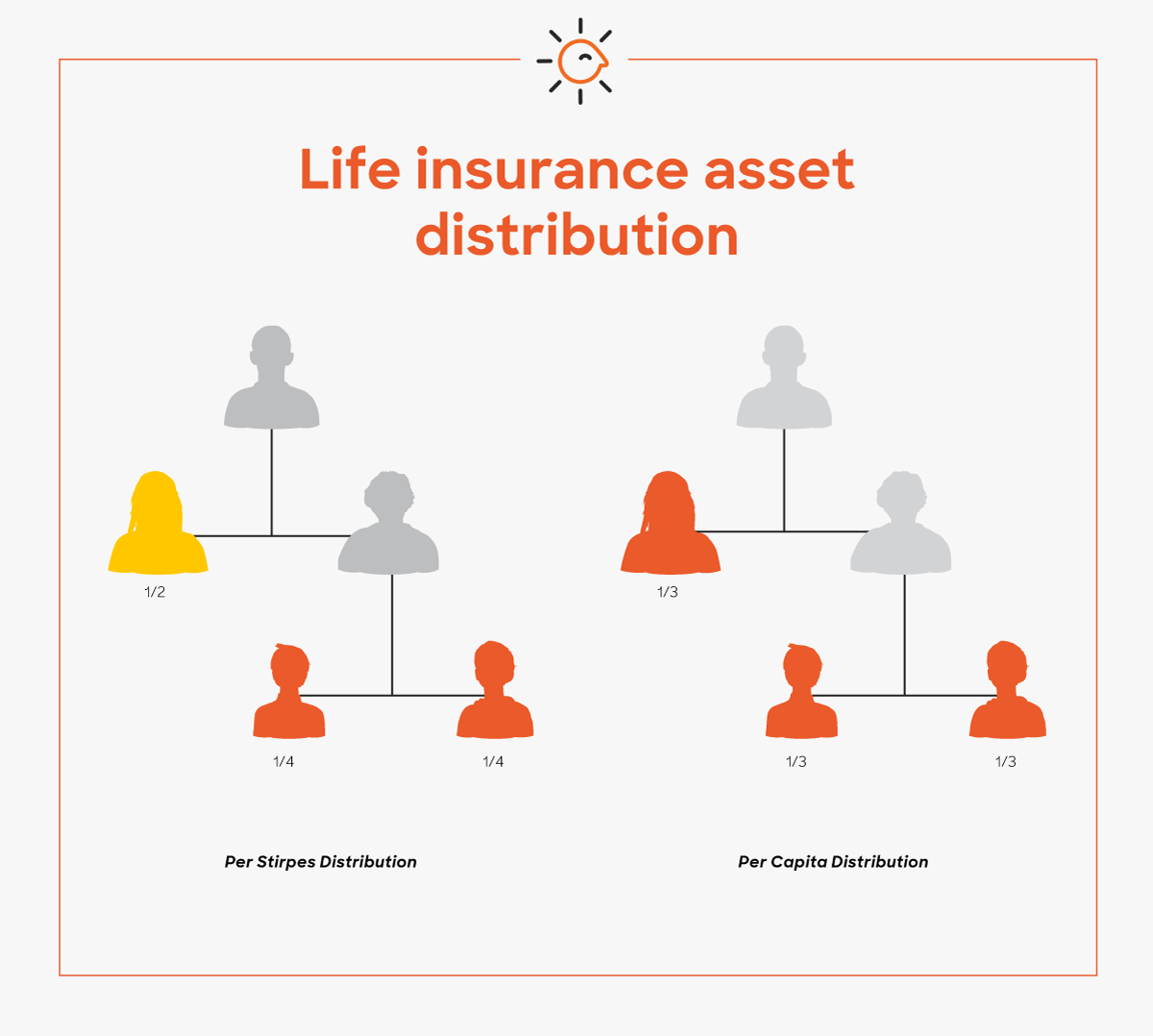
When naming multiple children or a group of descendants, policyholders must choose how shares are distributed if one member of the group predeceases the insured:
- Per Capita ("by head"): If a primary beneficiary passes away, their share is divided equally among the surviving primary beneficiaries.
- Per Stirpes ("by branch"): If a primary beneficiary passes away, their share passes down to their children (the grandchildren of the insured).
Selecting the correct distributive language ensures that family wealth transfers according to the policyholder's precise multi-generational intentions.
Frequently Asked Questions
Can a minor child be named as a life insurance beneficiary?
Yes, a minor can be named directly, but insurance companies cannot legally disburse large sums of money directly to a minor. If the insured passes away while the child is still a minor, the court must appoint a legal guardian or property custodian to manage the funds until the child reaches the age of majority, which can be costly and time-consuming. Establishing a trust or naming a Uniform Transfers to Minors Act (UTMA) custodian is the preferred alternative.
Do life insurance proceeds go through probate?
Generally, no. When a specific individual, trust, or entity is named as the beneficiary, the death benefit bypasses the probate estate entirely and is paid directly to the recipient. The funds are typically free from court delays and administrative probate fees, though they may still be subject to federal or state estate taxes depending on the total size of the estate.
What happens if all named beneficiaries pass away before the insured?
If all primary and contingent beneficiaries predecease the insured and no updated paperwork is filed, the death benefit defaults to the insured's estate. Consequently, the proceeds become subject to probate court proceedings, will be distributed according to state intestacy laws or the deceased's will, and may be exposed to claims from creditors and legal fees.
Can creditors seize life insurance proceeds from a beneficiary?
In many cases, life insurance proceeds paid directly to a named beneficiary enjoy statutory protection from the creditors of the deceased policyholder. However, once the funds are deposited into the beneficiary's personal bank account, they lose their specialized insurance protection and may become vulnerable to the beneficiary's own personal creditors, judgments, or bankruptcy proceedings.
How often should I review my beneficiary designations?
Financial and estate planning experts recommend reviewing all beneficiary designations at least every three to five years, as well as immediately following major life events such as marriage, divorce, the birth or adoption of children, the purchase of real estate, or the death of a named recipient. Regular audits ensure your arrangements reflect your current life circumstances and legal objectives.
Image Gallery