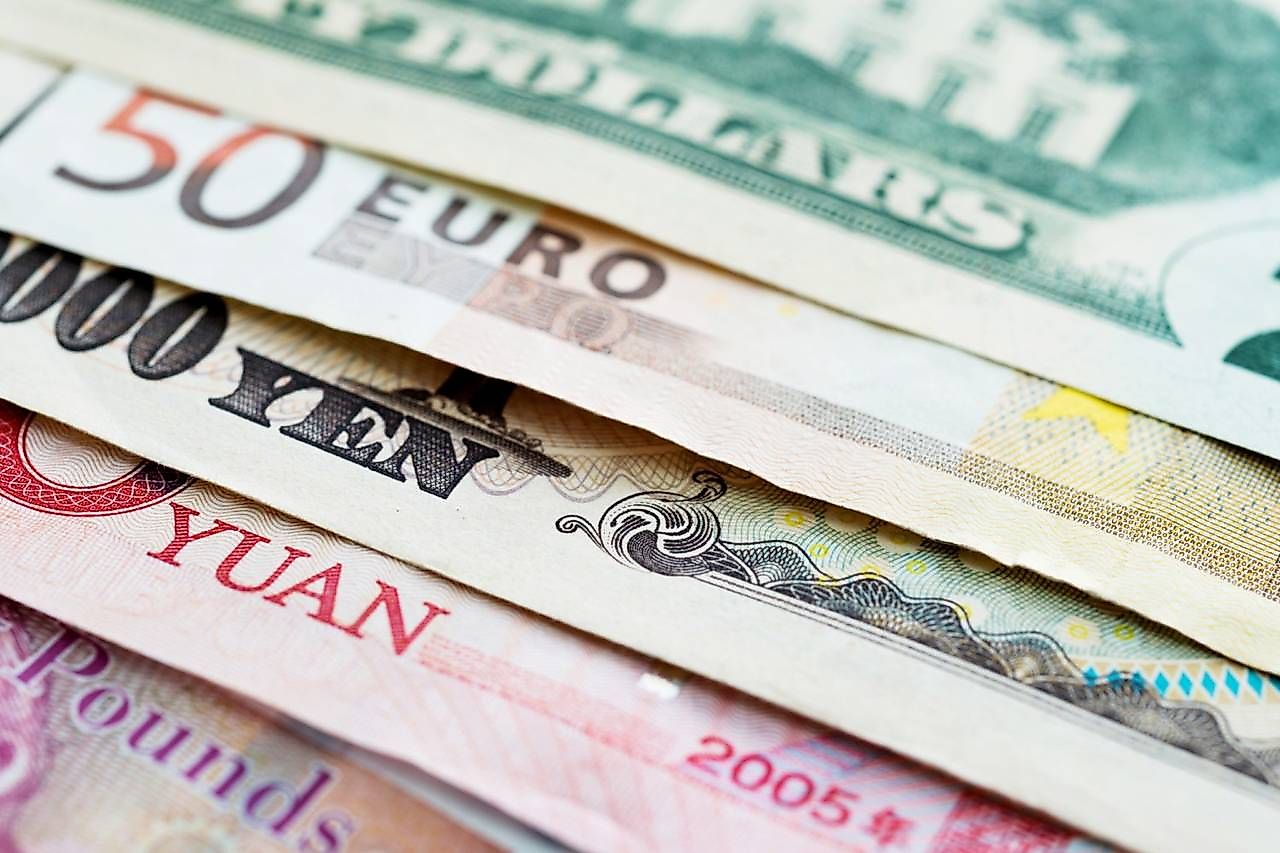
The Foreign Currencies Definition Explained: Understanding Global Money Markets
Foreign currencies refer to any form of monetary tender issued by a foreign government and accepted as a medium of exchange outside its domestic borders. At its core, understanding the foreign currencies definition involves recognizing...
Foreign currencies refer to any form of monetary tender issued by a foreign government and accepted as a medium of exchange outside its domestic borders. At its core, understanding the foreign currencies definition involves recognizing how national economies interact, how global trade is priced and settled, and how monetary values fluctuate relative to one another through international exchange markets.
Contents
What is a Foreign Currency? Fundamental Concepts and Terminology
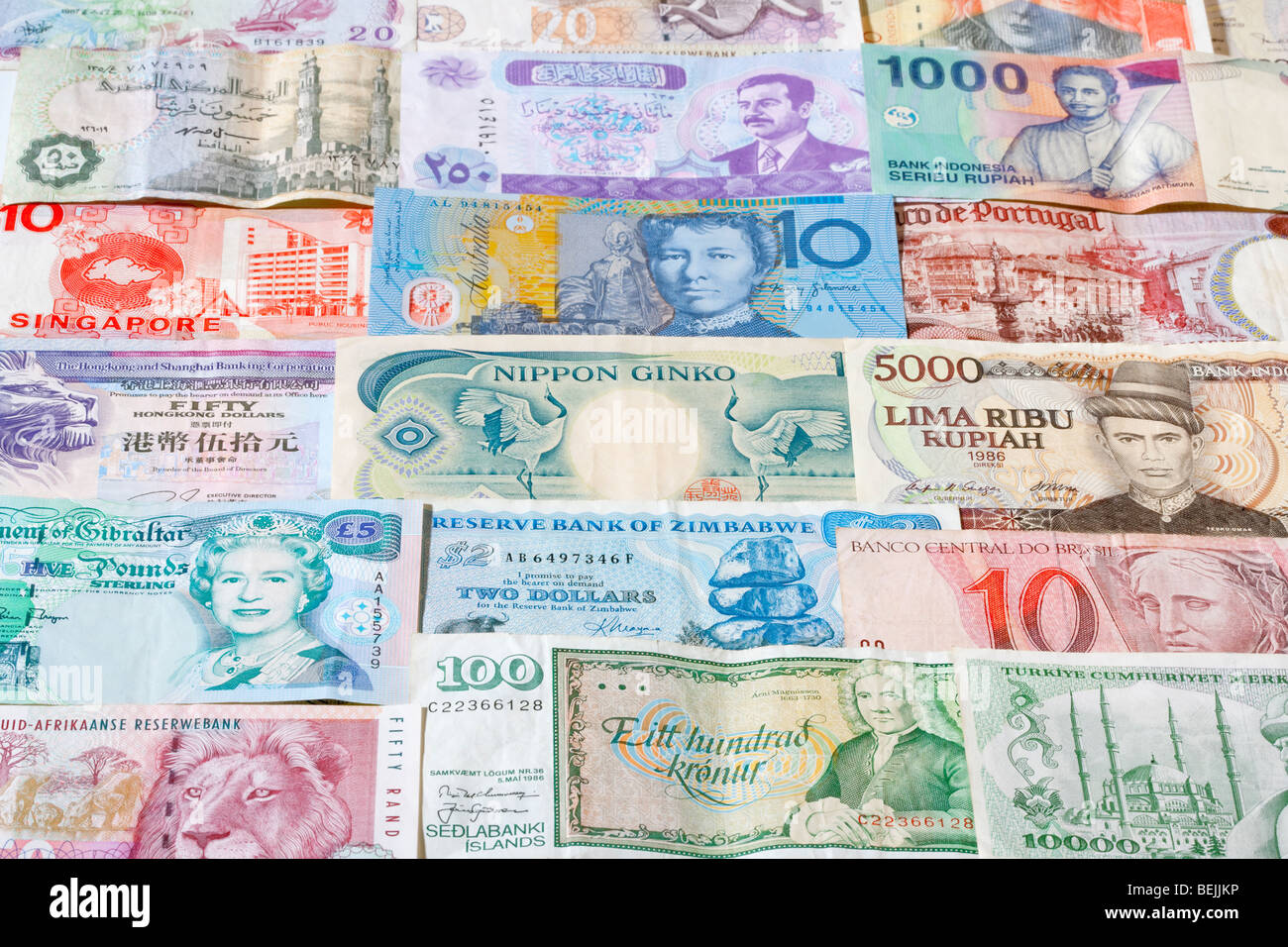
To understand a foreign currency, one must first look at money through a sovereign lens. Every sovereign nation—or economic union, such as the Eurozone—establishes its own legal tender. For a resident of the United States, the U.S. Dollar (USD) is domestic money. However, the moment that same individual or a U.S.-based corporation interacts with an economy outside the United States, other sovereign monies—such as the British Pound (GBP), the Japanese Yen (JPY), or the Euro (EUR)—become foreign currencies.
Foreign currencies function identically to domestic currency within their home jurisdictions. They serve as a medium of exchange, a unit of account, and a store of value. Their status shifts to "foreign" only when evaluated from the perspective of an outside observer, traveler, investor, or importing business.
Base Currency Versus Quote Currency
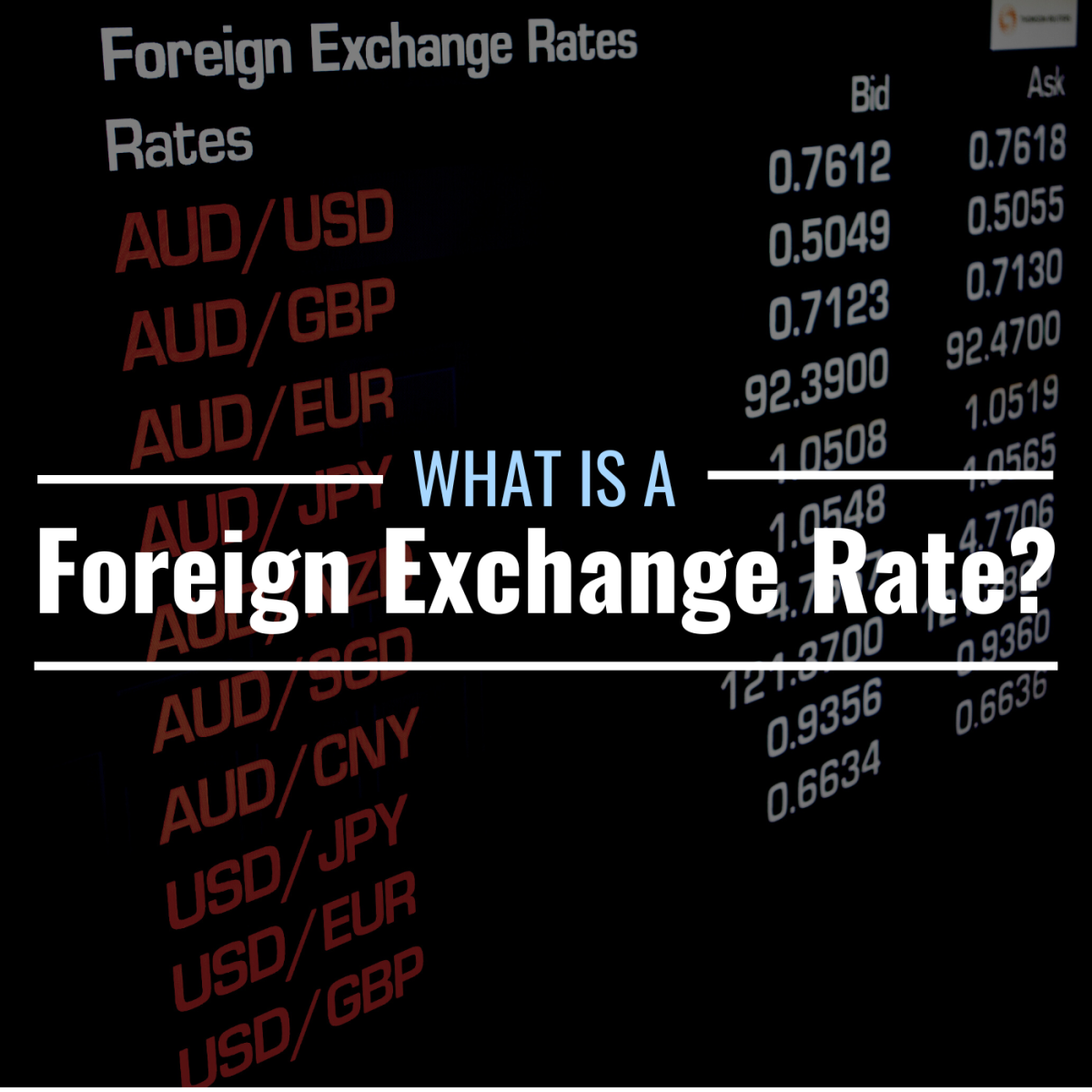
When dealing with foreign currencies, transactions and valuations always rely on pairs. The international monetary system prices every currency relative to another. This creates two distinct components in any exchange rate quotation:
- Base Currency: The first currency listed in a currency pair. It represents the unit being bought or sold.
- Quote Currency (Counter Currency): The second currency listed in a pair. It indicates how much of this currency is required to purchase one unit of the base currency.
For example, in the currency pair EUR/USD, the Euro is the base currency, and the U.S. Dollar is the quote currency. If the rate is 1.08, it means one Euro costs 1.08 U.S. Dollars.
How Foreign Currencies Operate in the Global Economy
The global economy relies on the continuous exchange of foreign currencies to facilitate international trade, tourism, and cross-border investment. Because different countries maintain distinct economic conditions, inflation rates, and monetary policies, the relative value of their monies constantly shifts.
The Foreign Exchange (Forex) Market
Unlike traditional stock markets that operate on centralized exchanges like the New York Stock Exchange, the foreign exchange market—commonly known as Forex or FX—is a decentralized, over-the-counter (OTC) market. It operates continuously across global financial centers in London, New York, Tokyo, Sydney, Frankfurt, Hong Kong, and Singapore, spanning 24 hours a day during the standard business week.
Market participants include commercial banks, central banks, investment management firms, hedge funds, retail brokers, and multinational corporations. These entities buy and sell foreign currencies for various reasons, including hedging commercial risks, speculative trading, or balancing international portfolios.
Floating Versus Pegged Exchange Rates
Sovereign nations manage the valuation of their foreign currencies through different exchange rate regimes:
- Floating Exchange Rate: The value of the currency is determined freely by market supply and demand in the foreign exchange market. Most major economies, including the U.S., the UK, Japan, and the Eurozone, utilize floating rates.
- Fixed or Pegged Exchange Rate: A government or central bank ties the official value of its domestic currency to another currency (such as the U.S. Dollar) or a basket of currencies. The monetary authority must maintain large foreign exchange reserves to buy or sell its own currency to defend the fixed peg.
- Managed Float: A hybrid system where a central bank allows market forces to determine exchange rates, but intervenes periodically by buying or selling currency to prevent extreme volatility or sudden devaluation.
Major, Minor, and Exotic Currencies Explained
When analyzing foreign currencies, financial markets categorize them based on liquidity, trading volume, and the economic strength of the issuing country.
| Currency Classification | Characteristics | Common Examples |
|---|---|---|
| Major Currencies | Heavily traded, highly liquid, backed by stable economies with robust financial systems. | USD, EUR, JPY, GBP, AUD, CAD, CHF, NZD |
| Minor Currencies (Crosses) | Traded globally, but do not involve the U.S. Dollar. Generally lower liquidity than majors. | EUR/GBP, EUR/JPY, GBP/JPY |
| Exotic Currencies | Issued by emerging market nations or developing economies. Lower liquidity, wider bid-ask spreads, and higher volatility. | USD/ZAR (South African Rand), USD/MXN (Mexican Peso), USD/TRY (Turkish Lira) |
Understanding these categories helps market participants assess liquidity risk. Major currencies feature tight bid-ask spreads and deep order books, while exotic currencies can experience rapid price gaps due to lower trading volumes and heightened geopolitical exposure.
Why Foreign Currencies Matter for Businesses and Investors
Managing exposure to foreign currencies is a critical function for modern enterprises and global investors. Ignoring currency fluctuations can severely impact profit margins and portfolio returns.
International Trade and Supply Chains
When an American retailer imports electronics manufactured in South Korea, the transaction involves converting U.S. Dollars into South Korean Won (KRW), or settling the invoice in a mutually agreed-upon major currency. If the U.S. Dollar depreciates significantly against the Won during the manufacturing cycle, the landed cost of the goods increases, squeezing the retailer's profit margins unless retail prices are adjusted upward.
Currency Risk and Hedging
Because foreign exchange rates fluctuate constantly, entities exposed to foreign money face foreign exchange risk (or FX risk). Businesses mitigate this risk using financial instruments such as:
- Forward Contracts: Agreements to buy or sell a specific amount of foreign currency at a predetermined exchange rate on a specified future date.
- Currency Options: Contracts that grant the holder the right, but not the obligation, to exchange currency at a set rate within a specific timeframe, limiting downside risk while retaining upside potential.
Frequently Asked Questions About Foreign Currencies
What is the difference between domestic currency and foreign currency?
Domestic currency is the legal tender issued by the monetary authority of the country where an individual or entity resides or operates. Foreign currency is any monetary unit issued by a foreign sovereign government or economic union.
Why do foreign exchange rates change constantly?
Exchange rates fluctuate based on supply and demand dynamics in the global market. Key drivers include interest rate differentials set by central banks, inflation rates, geopolitical stability, economic growth metrics (such as GDP reports), and market sentiment.
What is a hard currency versus a soft currency?
A hard currency is a globally recognized, stable currency issued by a major economy (such as the USD or EUR) that is trusted and widely accepted in international trade. A soft currency is issued by a developing or economically unstable nation, often subject to strict capital controls and high depreciation risk.
How do central banks influence foreign currencies?
Central banks influence foreign currency values primarily through monetary policy, including adjusting benchmark interest rates and implementing quantitative easing or tightening. Higher interest rates often attract foreign capital, strengthening the domestic currency, while lower rates can weaken it.
What is currency conversion and how are fees calculated?
Currency conversion is the act of exchanging one nation's money for another at the prevailing exchange rate. Financial institutions typically charge a markup over the mid-market rate, known as a spread, alongside flat transaction or percentage-based service fees.
Next Actions for Managing Foreign Currency Exposure
For individuals traveling abroad, the most cost-effective approach to handling foreign currencies involves utilizing fee-free debit cards or obtaining local currency through established ATM networks rather than high-fee airport kiosks. For business owners and investors, establishing a relationship with a corporate foreign exchange broker or utilizing multi-currency business accounts can minimize conversion costs and protect profit margins against adverse market volatility. Always consult with a qualified financial advisor or corporate treasurer before entering into complex hedging agreements.
Image Gallery