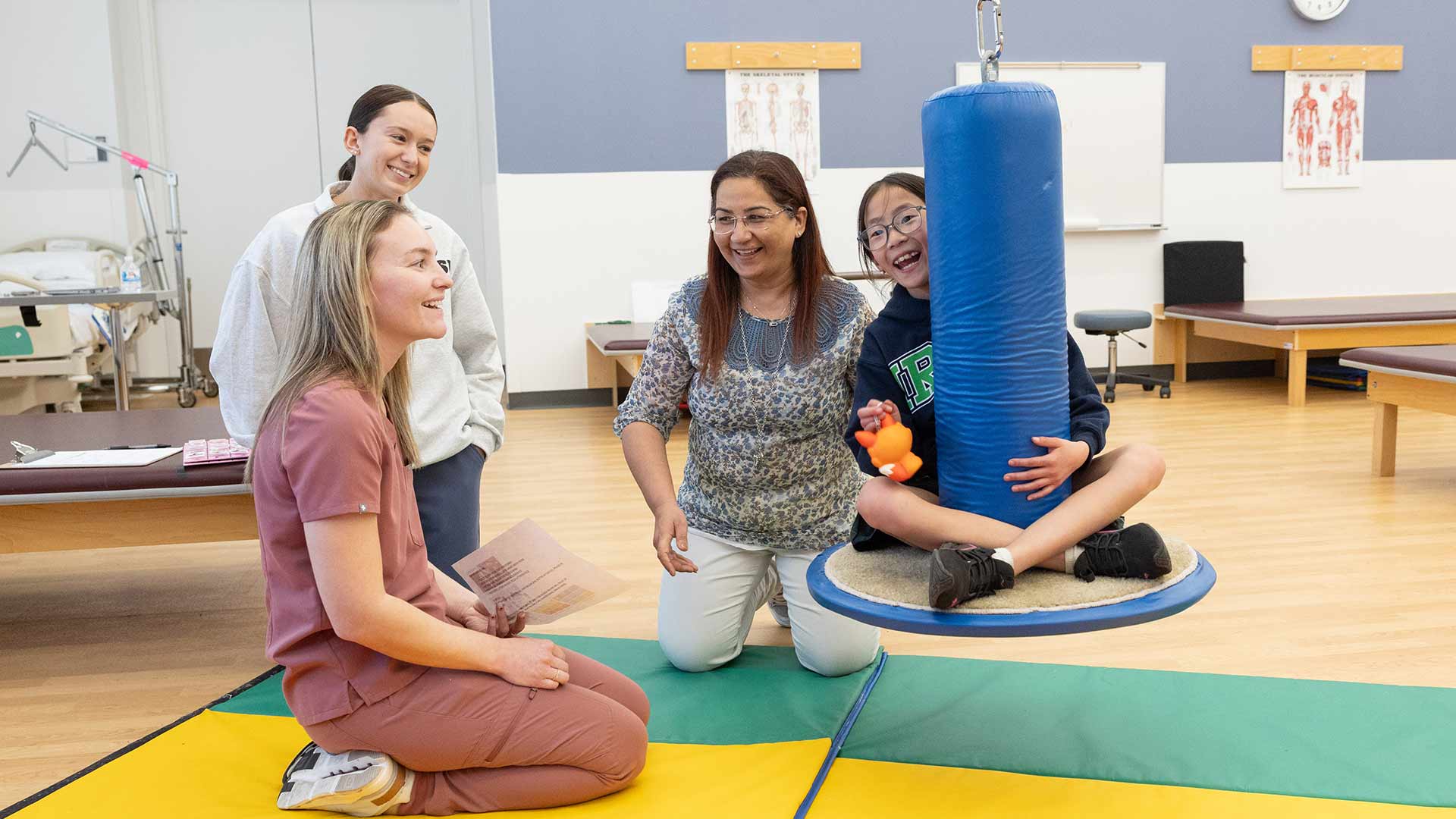
Navigating Occupational Therapy Graduate Programs in California
Pursuing a career in occupational therapy (OT) in California requires completing an accredited graduate program that prepares students for national certification and state licensure. Aspiring practitioners can choose between master’s a...
Pursuing a career in occupational therapy (OT) in California requires completing an accredited graduate program that prepares students for national certification and state licensure. Aspiring practitioners can choose between master’s and doctoral degrees, each offering distinct pathways into clinical practice, administration, or research.
Contents
Occupational therapy graduate programs in California provide comprehensive academic training and extensive fieldwork hours designed to meet the rigorous standards set by the Accreditation Council for Occupational Therapy Education (ACOTE) and the California Board of Occupational Therapy (CBOT). Because California is home to numerous reputable universities offering these credentials, candidates must carefully evaluate prerequisites, program formats, and institutional accreditation before applying. Understanding the core structural differences between degree types, application cycles, and fieldwork expectations is essential for prospective students aiming to enter this rewarding healthcare field.
Understanding Degree Pathways: MOT vs. OTD
When searching for occupational therapy graduate programs in California, applicants will primarily encounter two entry-level degree types: the Master of Occupational Therapy (MOT) and the Doctor of Occupational Therapy (OTD). Both pathways qualify graduates to sit for the National Board for Certification in Occupational Therapy (NBCOT) exam, but they differ significantly in duration, curriculum focus, and career outcomes.
The MOT program is traditionally a two-to-three-year curriculum focusing heavily on direct patient care, clinical reasoning, and foundational medical sciences. It prepares students to step directly into general clinical practice across hospitals, schools, outpatient clinics, and skilled nursing facilities. Conversely, the OTD is typically a three-year doctoral program that includes all clinical training found in the master's curriculum while adding advanced coursework in leadership, health policy, program development, clinical research, and a capstone project.
While the American Occupational Therapy Association (AOTA) has monitored discussions surrounding the future entry-level degree requirements for the profession, both master's and doctoral degrees remain fully accredited, viable routes to entering practice. Students interested in academia, specialized hospital administration, or clinical research often lean toward the OTD, whereas those seeking a faster, cost-effective entry into direct patient care frequently select the MOT.
Core Prerequisites and Admission Requirements
Gaining admission to an occupational therapy graduate program in California is competitive, requiring a strong academic foundation and relevant experiential background. Admissions committees evaluate candidates holistically, weighing undergraduate grade point averages (GPAs), prerequisite coursework completion, observation hours, and letters of recommendation.
Most California institutions require a bachelor’s degree in any major, provided specific prerequisite courses have been completed with a grade of C or higher. Common prerequisite subjects include:
- Human Anatomy and Human Physiology (often with corresponding laboratory components)
- General Psychology and Abnormal Psychology
- Statistics or Biostatistics
- Introductory Sociology or Anthropology
- Medical Terminology
- Physics or Kinesiology (required by select programs)
In addition to academic prerequisites, nearly all programs mandate a minimum number of documented observation hours under the supervision of a licensed occupational therapist. These hours typically range from 40 to 100 hours across diverse settings, such as pediatric clinics, geriatric care centers, and acute care hospitals. Applicants generally submit their applications through the Occupational Therapist Centralized Application Service (OTTO CAS), alongside Graduate Record Examination (GRE) scores if required by the specific university.
Fieldwork and Capstone Experiences
A defining component of any accredited occupational therapy graduate program is hands-on clinical training, divided into Level I and Level II fieldwork, alongside the doctoral capstone for OTD students. California boasts a robust healthcare network, allowing students to complete clinical placements in world-renowned medical centers, specialized rehabilitation facilities, and diverse community practices.
Level I fieldwork occurs concurrently with academic coursework. These shorter, immersive placements introduce students to clinical dynamics, patient interactions, and specific practice areas. Level II fieldwork represents the culmination of practical training, requiring full-time, multi-week placements where students function under the direct supervision of experienced occupational therapists. MOT students typically complete two 12-week Level II fieldwork rotations, while OTD students complete similar rotations followed by an intensive 14-week doctoral capstone experience and project.
Securing optimal fieldwork placements often involves collaboration between university placement coordinators and clinical sites across the state. Students should anticipate travel and potential relocation expenses during their Level II rotations, as placements may be assigned across different regions of California.
Comparison of Select Occupational Therapy Programs in California
| Institution Name | Degree Offered | Program Format | Typical Duration | Fieldwork Integration |
|---|---|---|---|---|
| University of Southern California (USC) | OTD / MOT | On-Campus | 3 Years (OTD) / 2 Years (MOT) | Integrated Level I & II + Capstone (OTD) |
| San Jose State University (SJSU) | MS | On-Campus | 2 Years | Comprehensive clinical placements |
| Loma Linda University | MOT / OTD | On-Campus / Hybrid | 2 to 3 Years | Faith-integrated clinical rotations |
| Samuel Merritt University | MOT / OTD | On-Campus | 2 to 3 Years | Extensive Northern California network |
| Dominican University of California | MS | On-Campus | 2 Years | Community-engaged fieldwork |
Licensing and Certification Pathways in California
Graduation from an accredited occupational therapy program marks the completion of academic preparation, but candidates must successfully navigate certification and licensure before practicing legally in California.
The immediate next step after graduation is registering for and passing the NBCOT examination. This comprehensive computer-based exam tests entry-level competence across evaluation, intervention planning, and professional ethics. Upon passing the NBCOT exam, individuals earn the credential of Occupational Therapist Registered (OTR).
To practice within the state, graduates must then apply for licensure through the California Board of Occupational Therapy. The licensing process requires submitting official transcripts, passing scores from the NBCOT exam, fingerprinting for background checks via Live Scan, and passing the California Law and Ethics Examination (CLEE). Maintaining licensure requires completing continuing competency hours every renewal cycle to ensure ongoing professional development.
Financial Planning, Tuition, and Program Costs
Investing in an occupational therapy graduate program requires careful financial planning. Tuition rates in California vary significantly depending on whether the institution is public (such as California State University campuses) or private (such as private universities and specialized health science colleges).
Public university programs generally offer lower tuition rates for in-state residents, though competition for seats is exceptionally high. Private institutions often feature higher overall tuition costs but may provide smaller cohort sizes, rolling admissions, or specialized institutional scholarships. Beyond tuition, students must budget for mandatory expenses, including textbooks, OT-CAS fees, NBCOT exam prep materials, licensing fees, background checks, student professional membership dues, and living expenses across California's major metropolitan areas.
Exploring financial aid options early is critical. Many universities participate in federal student loan programs, and students can research institutional grants, graduate assistantships, and external scholarships provided by organizations like the American Occupational Therapy Foundation (AOTF).
Common Mistakes to Avoid During the Application Process
Navigating admissions for occupational therapy graduate programs in California can present challenges for unprepared applicants. Avoiding common pitfalls can significantly enhance an applicant's admission prospects:
- Neglecting Prerequisite Expiration Dates: Many universities require core science prerequisites (like Anatomy and Physiology) to have been completed within the last five to seven years. Taking courses too early can invalidate them.
- Rushing Observation Hours: Waiting until the application deadline approaches to complete observation hours often results in rushed experiences and insufficient documentation. Aim to diversify observation settings well in advance.
- Overlooking Specific Program Requirements: Not all California programs require the GRE, and GPA thresholds vary. Applying blindly without checking individual school prerequisites leads to wasted application fees and automatic disqualification.
- Failing to Tailor Personal Statements: Admissions committees look for genuine motivation and an understanding of the OT scope of practice. Generic personal statements that do not reflect specific clinical interests or program values score poorly.
Frequently Asked Questions
Can I practice occupational therapy in California with a master's degree?
Yes, both a Master of Occupational Therapy (MOT) and a Doctor of Occupational Therapy (OTD) qualify graduates to sit for the NBCOT exam and obtain state licensure in California. Both degrees grant full eligibility to practice as a licensed occupational therapist.
How long does it take to complete an OT graduate program in California?
Most master’s programs take approximately two years (24 to 28 months) of continuous study, while doctoral programs typically span three years (36 months), including the doctoral capstone project and advanced leadership coursework.
Are online occupational therapy programs available in California?
While some hybrid formats exist—combining online didactic coursework with mandatory on-campus lab immersions—fully online entry-level OT programs are rare due to the hands-on nature of clinical anatomy and intervention training required by ACOTE.
What is the average GPA required for admission?
Most competitive occupational therapy graduate programs in California look for a cumulative undergraduate GPA of 3.0 or higher, with an even higher prerequisite GPA (often 3.5 or above) in core science and psychology courses.
Do I need to take the GRE for California OT programs?
GRE requirements vary by institution. Some universities have permanently waived the GRE requirement, while others still require it or accept it as an optional component. Applicants must verify requirements directly with each school.
Next Steps for Prospective Students
Begin your journey by researching accredited institutions across California that align with your career goals, geographic preferences, and financial situation. Visit the Accreditation Council for Occupational Therapy Education to verify current program accreditation statuses, review specific prerequisite checklists, and map out your timeline for completing observation hours and standardized testing.
Image Gallery