Newark Crime Trends in the City: Analyzing Safety Data, Public Policy, and Community Initiatives
Newark crime trends in the city reflect a complex mix of historical challenges, progressive policing strategies, and community-led interventions. Tracking these developments involves examining verified public safety data, municipal law...
Newark crime trends in the city reflect a complex mix of historical challenges, progressive policing strategies, and community-led interventions. Tracking these developments involves examining verified public safety data, municipal law enforcement reports, and local socioeconomic programs to understand how crime rates shift across different neighborhoods.
Contents
Evaluating public safety within New Jersey's largest municipality requires looking past generalized headlines to examine localized statistics, systemic interventions, and the metrics reported by law enforcement agencies. For residents, business owners, and researchers, understanding these patterns offers a clearer picture of municipal safety, ongoing risks, and areas where community interventions have driven measurable changes.
Understanding the Landscape of Public Safety in Newark
Analyzing public safety in an urban environment like Newark involves separating violent offenses from property crimes. Law enforcement agencies categorize these events according to standardized definitions set by federal reporting frameworks, primarily the Uniform Crime Reporting (UCR) program and the National Incident-Based Reporting System (NIBRS).
Historically, like many major American urban centers, Newark faced persistent challenges related to violent crime, drug markets, and concentrated poverty. However, tracking urban safety requires looking at year-over-year trajectories rather than isolated incidents. Municipal leadership, public health officials, and community organizations have increasingly approached safety through a dual lens: traditional law enforcement accountability combined with public health frameworks that treat community violence as an intervention target.
When evaluating these trends, it is essential to consider the geographic distribution of incidents. Crime is rarely distributed evenly across a city. Specific commercial corridors, residential blocks, and transit hubs often experience different patterns of criminal activity compared to quieter suburban-style neighborhoods within city limits.
Key Statistical Indicators: Violent vs. Property Crime
To understand Newark crime trends in the city, analysts segment data into two primary categories: violent crime (homicide, rape, aggravated assault, and robbery) and property crime (burglary, larceny-theft, motor vehicle theft, and arson).
Violent Crime Dynamics
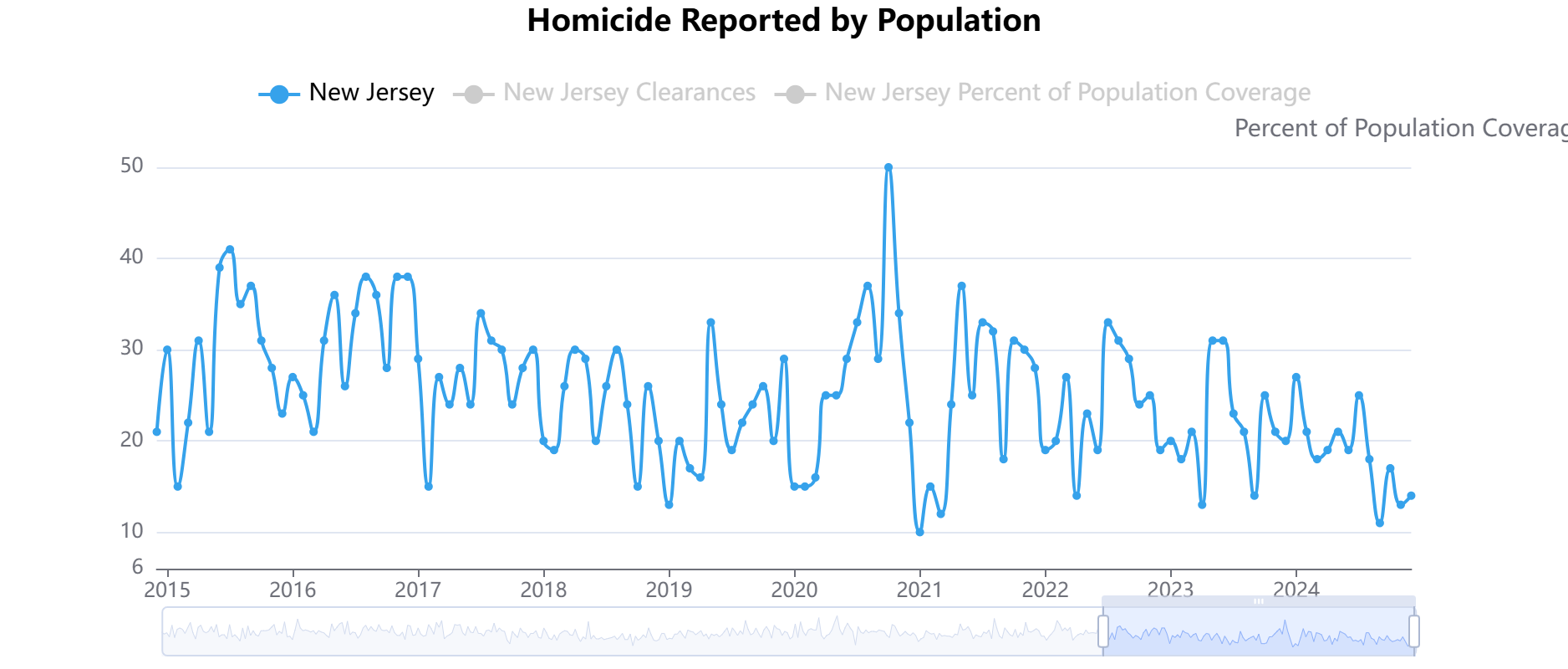
Violent crime metrics serve as a primary benchmark for public safety perception. Over the past decade, municipal reports and independent analyses from organizations like the Rutgers Police Institute have monitored fluctuations in homicides and non-fatal shootings.
- Homicides: Long-term municipal data often highlights fluctuations or downward adjustments in homicides, reflecting targeted federal-local law enforcement partnerships and community-based intervention strategies.
- Assaults and Robberies: Aggravated assaults and armed robberies represent a significant portion of violent incidents. These offenses frequently correlate with specific interpersonal disputes, domestic situations, or opportunistic street crime.
Property Crime Challenges
While violent crime often commands media attention, property crime directly impacts a broader cross-section of residents and businesses.
- Motor Vehicle Theft: Vehicle theft has historically been a notable concern in the region. Law enforcement agencies frequently deploy specialized auto-theft task forces, partner with state police units, and utilize automated license plate readers (ALPRs) to disrupt organized theft rings.
- Burglaries and Larceny: Residential and commercial burglaries fluctuate based on seasonal shifts, economic pressures, and localized security measures such as private surveillance networks and community block watches.
| Crime Category | Primary Offense Types | Key Influencing Factors | Typical Intervention Strategies |
|---|---|---|---|
| Violent Crime | Homicide, Aggravated Assault, Robbery | Gang dynamics, interpersonal conflicts, illegal firearms | Ceasefire programs, community mediation, targeted patrols |
| Property Crime | Motor Vehicle Theft, Burglary, Larceny | Opportunity, organized rings, resale markets | Auto-theft task forces, ALPR technology, business security audits |
| Quality of Life | Vandalism, public disorder, narcotics | Substance abuse, mental health crises, urban blight | Social work deployment, blight remediation, community policing |
The Evolution of Policing and Community Intervention Strategies
Addressing crime trends in Newark has required a departure from traditional, purely punitive policing models toward collaborative, data-driven frameworks. Several key initiatives have shaped the operational approach of the Newark Police Division and municipal authorities.
Civilian Oversight and Procedural Justice
Following federal consent decrees and heightened demands for accountability, the city restructured aspects of its police oversight. Emphasizing procedural justice—treating citizens with dignity, ensuring transparent communication, and building localized trust—has become a core training tenet for the police force.
Public Health Approaches to Violence Reduction
Recognizing that criminal behavior often stems from trauma, poverty, and lack of economic opportunity, local stakeholders have increasingly integrated public health strategies into public safety frameworks. Programs that deploy violence interrupters—credible messengers from the community who intervene in active disputes before they escalate to violence—work in tandem with traditional law enforcement.
Technology Integration
The deployment of municipal technology has transformed how law enforcement monitors and responds to criminal activity. ShotSpotter acoustic gunshot detection systems, extensive public CCTV networks, and real-time crime centers allow dispatchers and patrol units to react more rapidly to gunfire and property crimes in progress. However, the use of such technology remains a subject of ongoing community debate regarding privacy and resource allocation.
Neighborhood Variations and Socioeconomic Factors
Crime trends do not impact every neighborhood equally. Newark is divided into five distinct wards—Central, East, North, South, and West—each with unique demographic characteristics, commercial densities, and residential profiles.
- The Central Ward: Encompassing downtown commercial hubs, educational institutions, and dense residential developments, this ward experiences distinct patterns driven by daytime commuter populations, nightlife, and property vulnerability.
- The East Ward: Known for its vibrant commercial strips and residential stability, this area often reports lower rates of violent crime compared to other sectors, though property offenses remain a focal point.
- The North and West Wards: These residential areas balance community-oriented policing initiatives with localized challenges related to gang activity and property crime.
- The South Ward: Historically subject to higher concentrations of violent crime and systemic economic disinvestment, the South Ward is frequently a primary target for municipal revitalization grants, youth programs, and focused deterrence policing.
Socioeconomic indicators—such as median household income, high school graduation rates, employment opportunities, and housing stability—exert a powerful influence on local crime rates. Long-term safety improvements are inextricably linked to municipal investments in affordable housing, job training programs, and youth engagement initiatives.
Practical Guidance for Residents and Visitors
Navigating an urban environment safely requires situational awareness and proactive measures, whether you are a long-term resident, a business operator, or a visitor.
- Secure Property: Given historical trends in motor vehicle thefts, always lock vehicles, remove valuable items from plain sight, and utilize steering wheel locks or tracking devices when parked in public or residential spaces.
- Engage with Local Precincts: Attend local community council meetings hosted by the Newark Police Division. These gatherings provide direct lines of communication to precinct commanders and allow residents to report localized quality-of-life concerns.
- Utilize Municipal Resources: Report non-emergency issues, such as illegal dumping, broken streetlights, or abandoned vehicles, through municipal channels like the Newark Connect app or local constituent services. Mitigating physical disorder helps reduce opportunistic crime.
- Support Community Programs: Get involved with local neighborhood associations, youth mentoring organizations, or violence intervention groups that address the root causes of crime at the block level.
Frequently Asked Questions
What are the most common types of crime reported in Newark?
Property crimes—particularly motor vehicle theft and larceny—along with assaults, historically account for the majority of reported offenses in the city. While violent crimes such as homicides receive significant media coverage, lower-level property and quality-of-life offenses occur with higher statistical frequency.
How do local authorities track real-time crime data?
The Newark Police Division utilizes modern crime-mapping software, real-time surveillance integration, and data analytics platforms to monitor incident reports as they occur. This data helps commanders deploy patrol units dynamically to high-risk areas or emerging crime hotspots.
Are certain wards safer than others?
Crime distribution varies significantly by neighborhood and ward. Commercial centers, transit hubs, and economically distressed blocks experience different safety profiles than stable residential neighborhoods. Reviewing specific precinct-level reports provides the most accurate geographic breakdown.
What role do community programs play in reducing crime?
Community organizations, faith-based groups, and violence intervention initiatives play a critical role by addressing underlying social issues, mentoring at-risk youth, and mediating personal conflicts before they result in violence. These programs complement law enforcement efforts by building social cohesion.
Where can the public find official crime statistics for Newark?
Official crime data, annual reports, and statistical summaries are published periodically by the Newark Department of Public Safety and federal reporting agencies like the FBI’s Crime Data Explorer. These platforms offer standardized metrics for public review.
Conclusion
Newark crime trends in the city demonstrate that public safety is an evolving challenge requiring sustained cooperation between law enforcement, municipal government, and community stakeholders. While historical obstacles and property crime rates remain focal points for improvement, targeted policing reforms, public health interventions, and economic revitalization efforts continue to shape a safer urban environment. Monitoring these trends through verified data sources ensures a realistic understanding of municipal progress and ongoing needs.
Image Gallery