Understanding DFI Financial and Its Market Role
DFI financial institutions play a critical bridge-building role in the global economy by channeling capital into underserved sectors, emerging markets, and sustainable development projects that commercial banks often bypass due to perc...
DFI financial institutions play a critical bridge-building role in the global economy by channeling capital into underserved sectors, emerging markets, and sustainable development projects that commercial banks often bypass due to perceived high risks. These specialized entities balance public policy objectives with financial viability, reshaping how investments flow across borders and driving long-term economic resilience.
Contents
Defining DFI Financial Institutions and Their Core Purpose
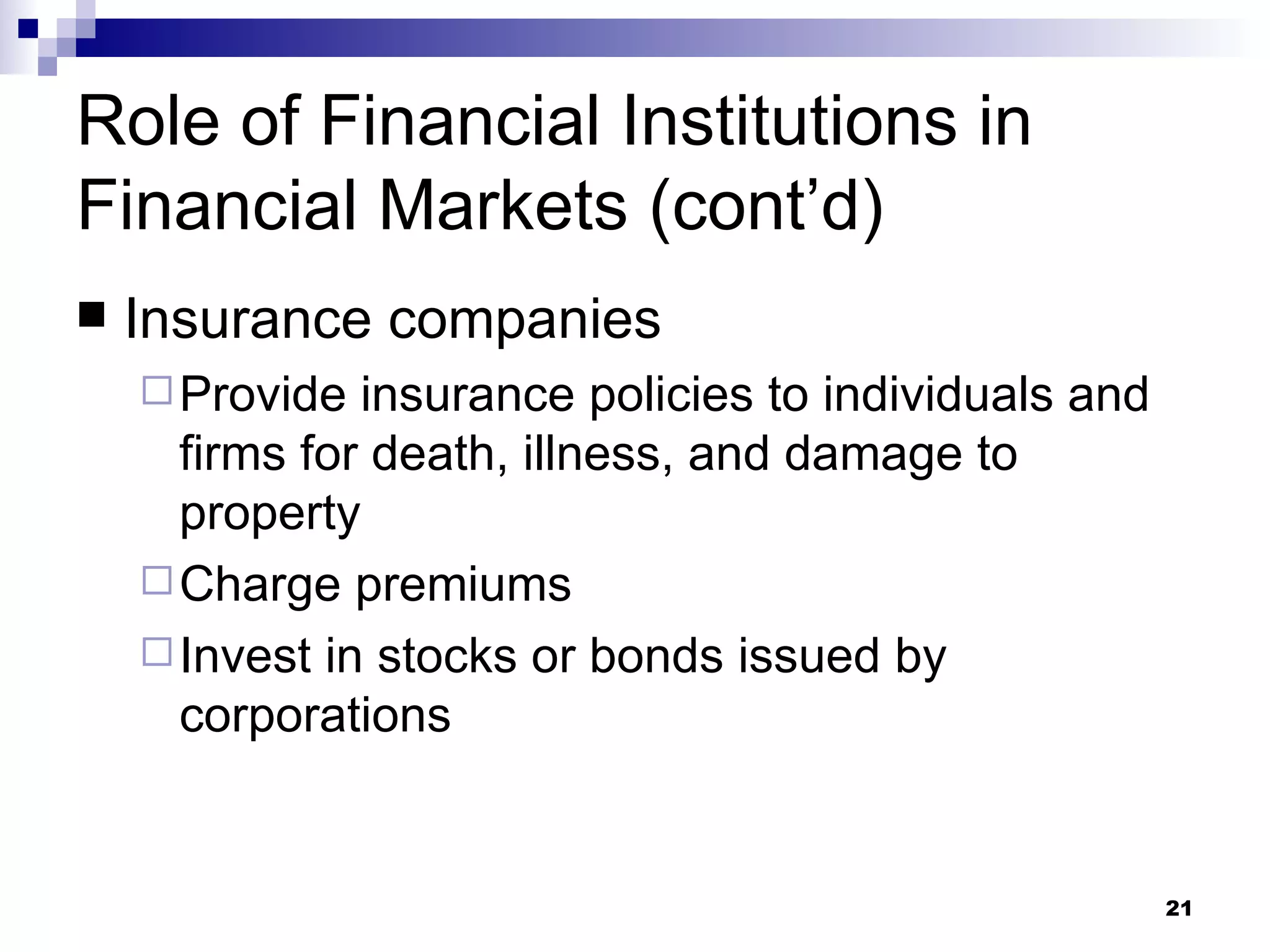
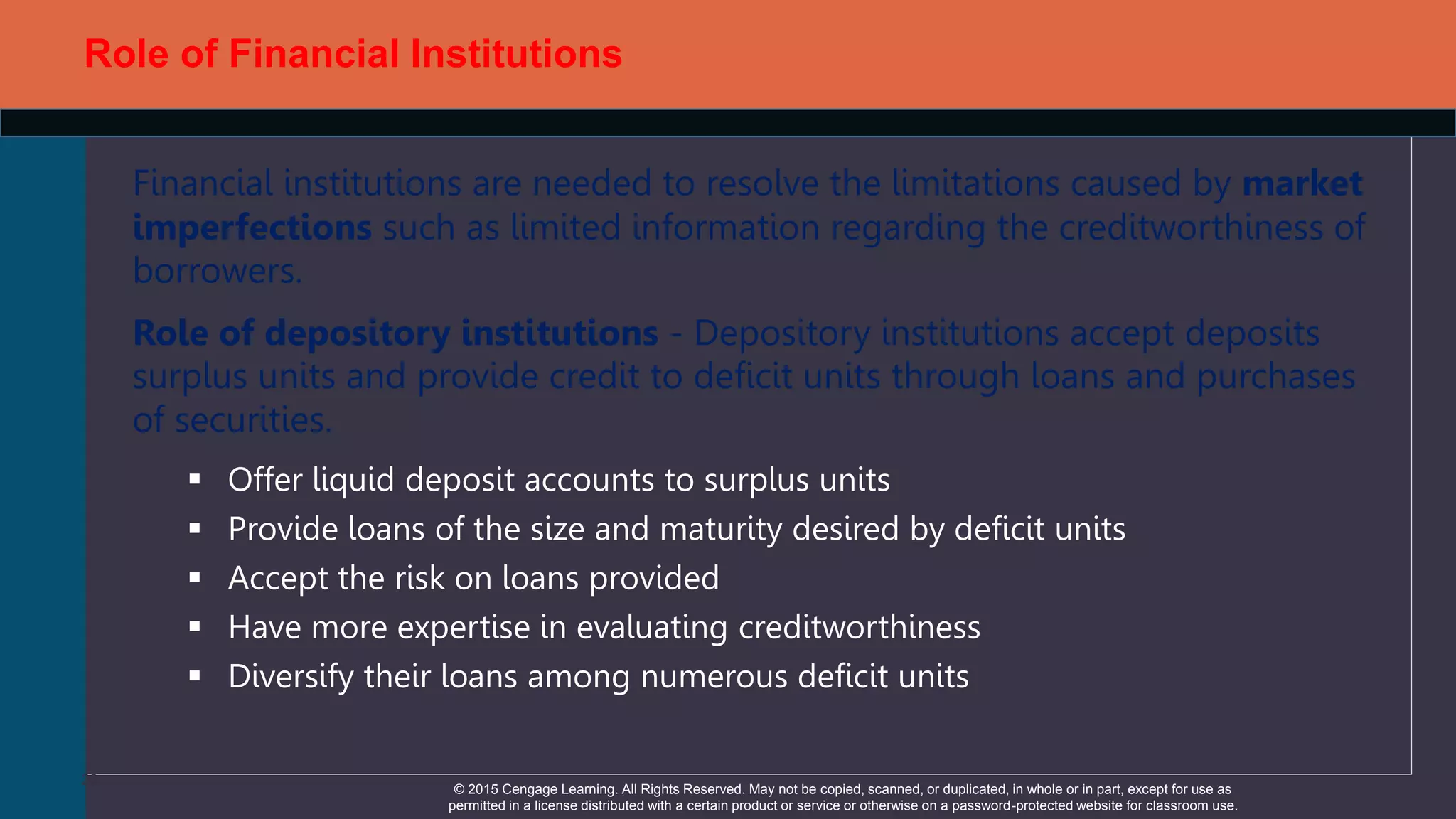
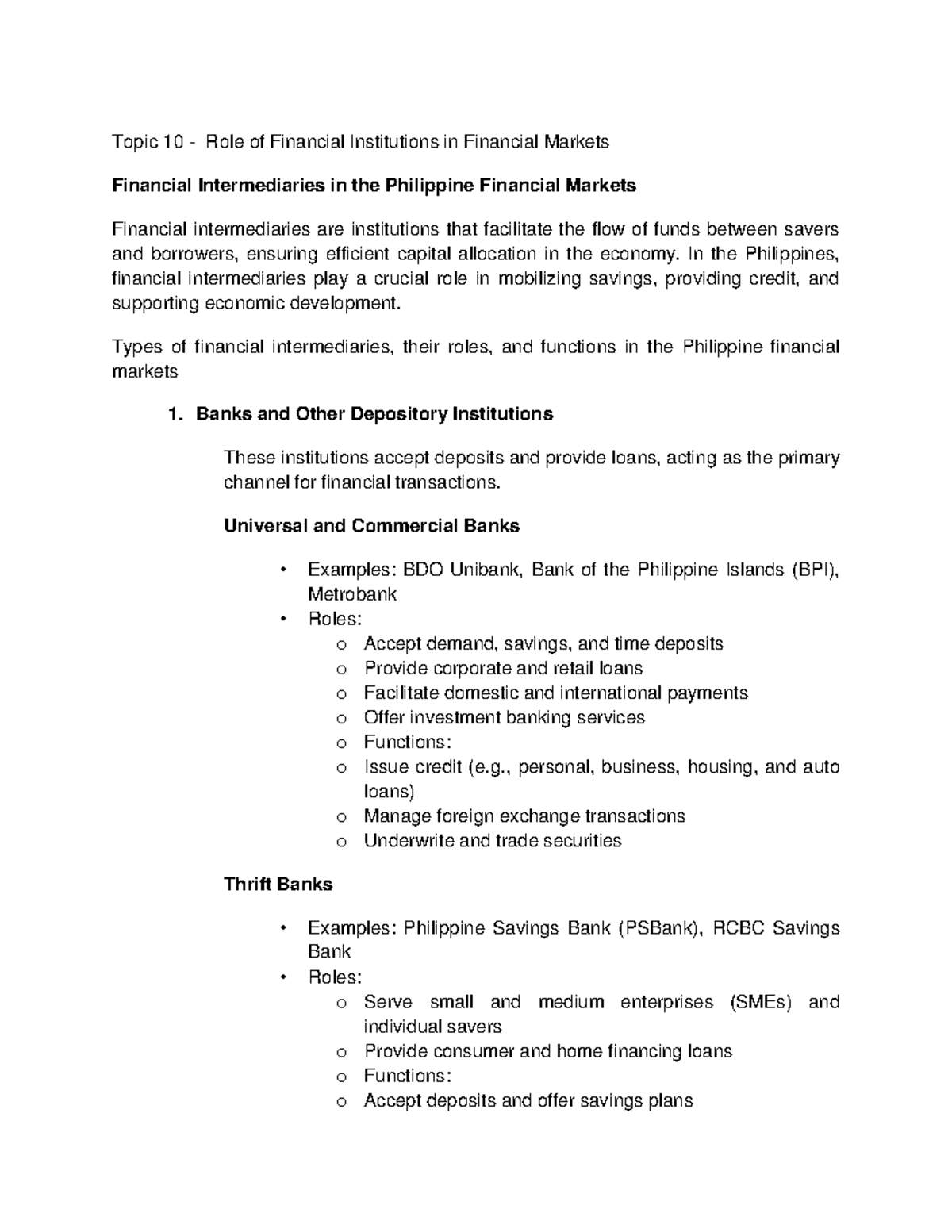
Development Finance Institutions (DFIs) are specialized financial entities established or backed by governments, international organizations, or multilateral coalitions. Their fundamental mandate is to foster economic growth in developing nations, transition economies, or targeted domestic sectors by financing private sector projects that generate positive developmental impacts.
Unlike commercial banks whose primary fiduciary duty is to maximize short- and medium-term returns for private shareholders, DFIs operate under a dual mandate. They must achieve financial sustainability—meaning they generate enough revenue to cover their operational costs, withstand loan defaults, and preserve their capital base—while simultaneously delivering measurable developmental additionality. Additionality refers to the unique value a DFI brings that commercial lenders cannot or will not provide, such as longer loan tenors, lower risk tolerance, technical assistance, or strict adherence to environmental and social governance (ESG) frameworks.
By absorbing risks that would otherwise deter private investors, DFIs act as market catalysts. They deploy various financial instruments, including direct long-term debt, equity investments, guarantees, and mezzanine financing. Through these vehicles, DFIs mobilize additional private capital through syndications and co-investments, significantly multiplying the impact of their initial balance sheets.
Market Role and Economic Function
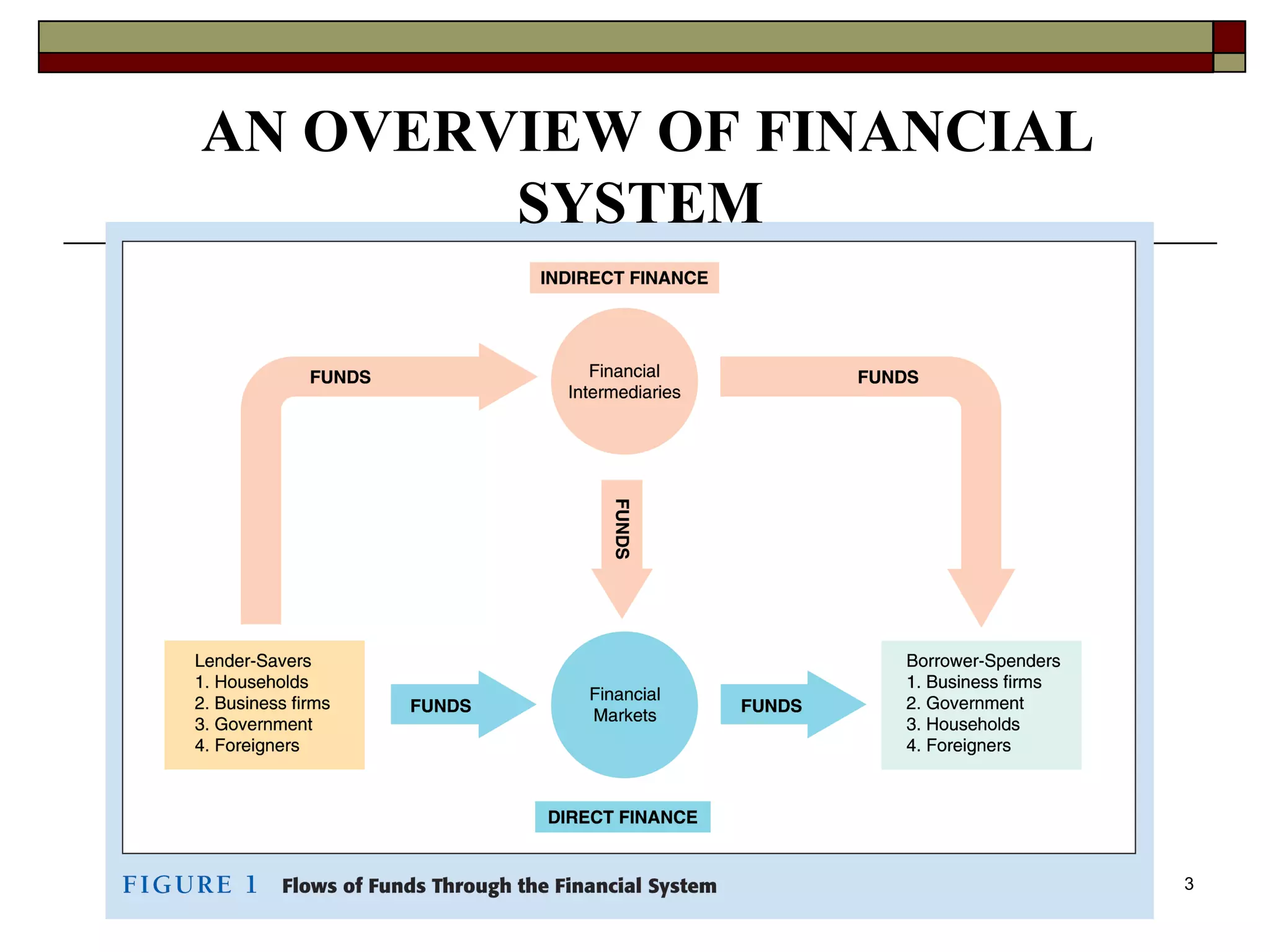
The presence of DFI financial entities in a market addresses structural failures and capital allocation gaps. In many emerging markets, domestic financial sectors lack the liquidity, long-term funding sources, or risk-appetite required to support large-scale infrastructure, renewable energy, and deep agricultural supply chains.
Mobilizing Private Capital
One of the most vital functions of modern DFIs is mobilization. Because public funds alone are insufficient to meet global sustainable development goals or infrastructure deficits, DFIs utilize credit enhancement tools, political risk insurance, and syndication structures. By taking a junior or subordinated tranche in a financing deal, a DFI reassures commercial lenders, institutional investors, and private equity funds, effectively crowding in capital that would otherwise remain sidelined.
Countercyclical Lending
During economic downturns, liquidity crunches, or sudden systemic shocks, commercial banks frequently pull back from lending to emerging markets or riskier industrial segments. DFIs often act countercyclically, maintaining credit flows to strategic industries, small and medium-sized enterprises (SMEs), and critical infrastructure projects. This stabilizing effect mitigates the depth of recessions and accelerates recovery phases in fragile economies.
Setting Standards in Environmental, Social, and Governance (ESG) Practice
DFIs enforce rigorous ESG compliance as a prerequisite for funding. Borrowers must adhere to international labor standards, environmental protection measures, and transparent corporate governance. By requiring these standards, DFIs elevate local business practices, encouraging broader market adoption of sustainable policies and risk management frameworks that outlast the initial loan period.
Key Financial Instruments and Products
To fulfill their market role, DFIs utilize a diverse toolkit tailored to the risk profiles of developing sectors. Unlike retail or standard commercial banks, their product offerings are engineered to solve specific structural financing constraints.
| Financial Instrument | Primary Purpose | Typical Risk Profile | Target Recipient |
|---|---|---|---|
| Long-Term Senior Debt | Financing capital-intensive infrastructure and industrial expansion with extended payback periods. | Moderate to High | Utilities, large manufacturers, regional transport networks |
| Subordinated Debt / Mezzanine | Providing bridge financing between equity and senior debt to improve a project's debt-service capacity. | High | Growing corporations, expansion-stage infrastructure funds |
| Direct Equity Investments | Taking minority equity stakes to build institutional strength, governance, and market confidence. | High | Private equity funds, innovative tech startups, strategic regional enterprises |
| Partial Credit Guarantees | Mitigating default risk for local lenders, encouraging them to extend credit to targeted segments. | Moderate | Commercial banks lending to local SMEs or municipal projects |
Beyond direct financial products, many DFIs operate technical assistance facilities. These grant-based programs fund feasibility studies, capacity-building training, and environmental audits, ensuring that recipient enterprises possess the operational maturity required to manage large-scale investments successfully.
Multilateral vs. Bilateral Development Banks
The DFI landscape is generally categorized into two main structural types: Multilateral Development Banks (MDBs) and Bilateral Development Finance Institutions. Understanding the distinction between them clarifies their respective operational scopes and strategic priorities.
- Global DFI Landscape
- Multilateral (MDBs)
- Owned by multiple nations
- Global / Regional focus
- AAA credit ratings
- Bilateral DFIs
- Owned by a single sovereign
- Aligned with foreign policy
- Direct commercial ties
- Multilateral (MDBs)
Multilateral Development Banks (MDBs)
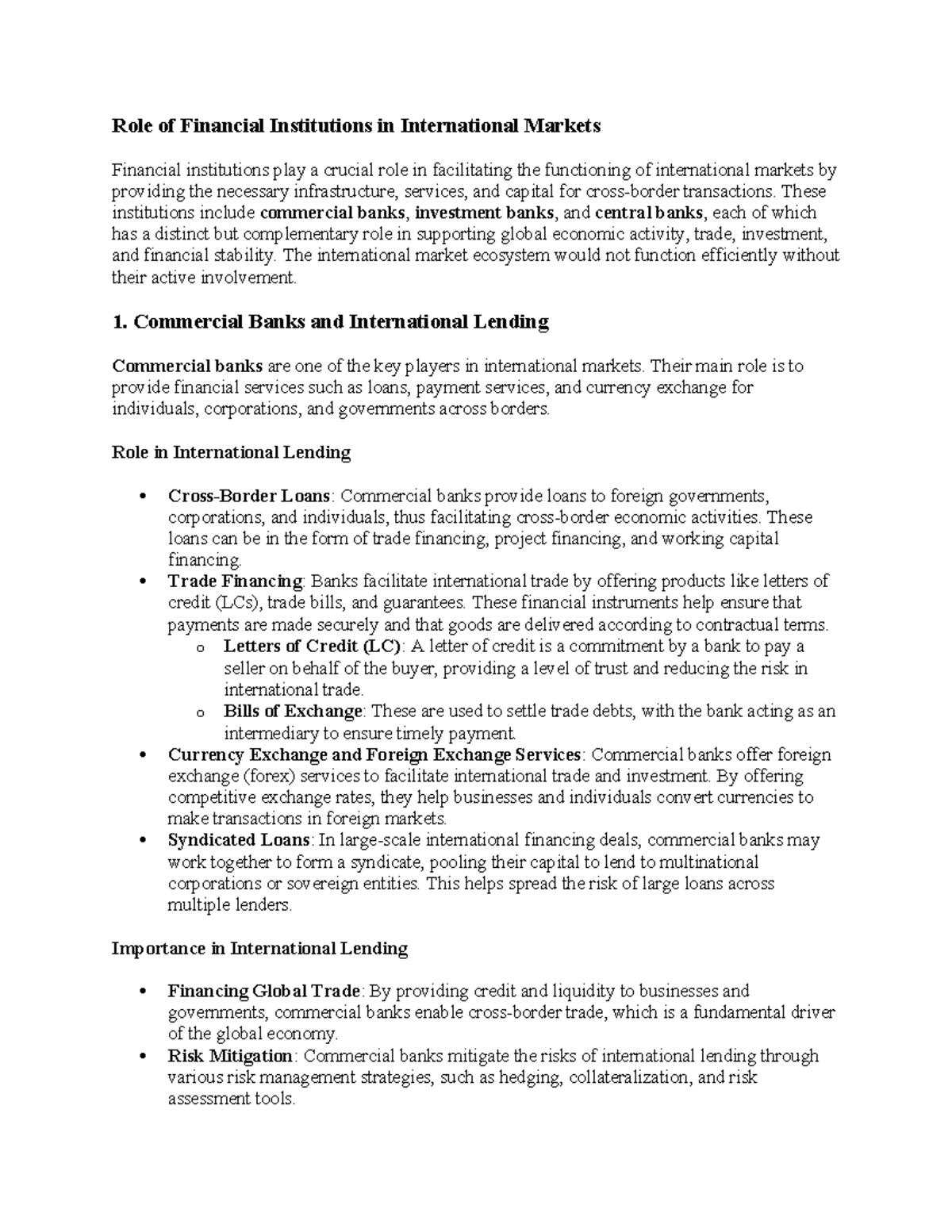
MDBs, such as the International Finance Corporation (IFC) part of the World Bank Group, the Asian Development Bank (ADB), and the European Bank for Reconstruction and Development (EBRD), are owned by multiple sovereign governments. They typically enjoy top-tier (AAA) credit ratings in international debt capital markets, allowing them to raise funds at exceptionally low interest rates and pass those cost advantages on to developing country borrowers. Their governance structures represent both capital-contributing donor nations and recipient developing countries.
Bilateral DFIs
Bilateral DFIs are owned by a single national government. Examples include the U.S. International Development Finance Corporation (DFC), DEG in Germany, Proparco in France, and British International Investment (BII) in the United Kingdom. While they operate with independent management boards and financial independence, their strategic directives frequently align with their home governments' foreign policy, trade priorities, and international development goals.
Eligibility, Requirements, and Working with DFIs
Engaging with a DFI requires navigating a rigorous application, appraisal, and compliance process. Because public funds and systemic reputation are at stake, DFIs maintain stringent screening standards.
Core Eligibility Criteria
- Developmental Impact: The project must generate clear, verifiable socio-economic benefits, such as job creation, infrastructure modernization, climate change mitigation, or financial inclusion for underserved populations.
- Additionality: The applicant must demonstrate that commercial financing is either unavailable, insufficient, or offered on prohibitive terms, proving that the DFI's intervention is genuinely necessary.
- Financial Viability: Despite taking higher risks, DFIs are not grant-making charities. Projects must present a robust business plan, credible revenue streams, and capable management teams capable of sustaining operations and repaying liabilities.
- ESG Compliance: Borrowers must pass exhaustive environmental and social impact assessments (ESIAs) and commit to continuous monitoring and reporting throughout the lifecycle of the investment.
The Application and Approval Workflow
- Initial Concept Review: Submission of a project brief outlining the business model, financial requirements, and anticipated development outcomes.
- Due Diligence: Comprehensive legal, financial, technical, and ESG audits conducted by DFI specialists to identify potential risks.
- Board Approval and Term Sheet: Negotiation of loan covenants, pricing, collateral requirements, and governance provisions followed by formal institutional approval.
- Disbursement and Monitoring: Phased release of funds tied to project milestones, paired with ongoing operational and ESG performance audits.
Challenges and Criticism Faced by DFIs
Despite their vital contributions, DFI financial institutions face ongoing scrutiny from economists, civil society organizations, and project stakeholders. Balancing developmental mandates with financial sustainability generates inherent trade-offs.
A primary criticism involves market distortion. Critics occasionally argue that subsidized DFI lending rates can crowd out local commercial banks or distort market pricing, making it difficult for domestic financial institutions to compete. Additionally, complex bureaucratic procedures and lengthy due diligence cycles can delay urgent project execution, frustrating fast-moving entrepreneurial ventures.
Another ongoing challenge is rigorous impact measurement. While financial returns are easily quantified, measuring social and environmental additionality accurately remains complex. Ensuring that funded projects do not displace local communities or create unintended environmental degradation requires continuous, independent oversight that stretches administrative resources.
Frequently Asked Questions
What is the main difference between a commercial bank and a DFI?
Commercial banks exist primarily to generate financial returns for shareholders by lending to creditworthy borrowers with manageable risks. DFIs are policy-driven institutions owned by governments or international coalitions that accept higher risks and target developing sectors to generate measurable socio-economic benefits alongside financial viability.
How do DFIs generate their own funding?
While initial capitalization comes from government equity contributions, most mature DFIs raise the vast majority of their lending capital by issuing bonds in international debt capital markets. Because of their sovereign backing and conservative financial management, major MDBs often maintain high credit ratings, enabling low-cost borrowing.
Can small and medium-sized enterprises (SMEs) receive direct funding from DFIs?
Direct financing from large international DFIs is typically reserved for large-scale infrastructure, corporate expansion, or financial intermediaries. However, SMEs frequently access DFI capital indirectly, as DFIs routinely provide credit lines, wholesale funding, and equity to local commercial banks and microfinance institutions tasked with on-lending to smaller businesses.
What does "financial additionality" mean in development finance?
Financial additionality occurs when a DFI provides financial terms—such as significantly longer loan tenors, grace periods, or risk-sharing structures—that private commercial lenders are unwilling or unable to offer, making a vital project financially feasible.
How do DFIs manage environmental and social risks?
DFIs enforce strict performance standards inspired by international benchmarks, such as the International Finance Corporation's Sustainability Framework. Projects must undergo exhaustive baseline studies, implement mitigation plans for affected ecosystems or communities, and submit to regular third-party audits.
Conclusion and Strategic Next Actions
DFI financial entities remain indispensable pillars of modern economic development, bridging the gap between private capital and global societal needs. For corporations, project developers, and institutional investors operating in emerging markets, understanding DFI structures unlocks valuable pathways for risk-mitigated growth. Organizations seeking DFI engagement should begin by thoroughly auditing their internal ESG practices, establishing transparent financial reporting, and preparing comprehensive impact assessments that align directly with multilateral development objectives.
Image Gallery