Understanding Leprosy Cases in Florida: Reporting, Trends, and Public Health Realities
Public health reports indicate that Florida experiences a persistent, low-level baseline of leprosy cases, historically recording between 2 and 10 cases annually, though specific epidemiological surges—such as a cluster of cases noted...
Public health reports indicate that Florida experiences a persistent, low-level baseline of leprosy cases, historically recording between 2 and 10 cases annually, though specific epidemiological surges—such as a cluster of cases noted in central Florida—have drawn increased public attention. Also known as Hansen’s disease, leprosy is a chronic infectious condition caused by the bacterium Mycobacterium leprae. While historical stigma paints the disease as highly contagious and easily transmissible, modern medical science confirms that it is difficult to catch, treatable with standard multi-drug therapy, and rarely acquired through casual human-to-human contact. Examining how many cases occur in the state requires looking closely at official surveillance data, transmission pathways, and the unique environmental reservoirs found within the southeastern United States.
Contents
Historical Context and Epidemiological Surveillance of Hansen’s Disease in the United States
Leprosy is rare in the United States, with the federal Centers for Disease Control and Prevention (CDC) tracking national trends carefully through state health departments. Historically, the U.S. sees roughly 150 to 250 new cases diagnosed nationwide each year. A significant percentage of these diagnoses occur in individuals who have immigrated from regions where the disease is endemic, such as parts of Asia, Africa, and Latin America.
However, Florida occupies a unique position in national leprosy surveillance because a growing proportion of reported infections show no traditional travel-related risk factors. Epidemiologists studying the geographic distribution of Hansen’s disease have noted that the southeastern United States—particularly coastal areas of Florida, Louisiana, and Texas—serves as an endemic pocket for the bacterium. Public health reporting relies on physicians and laboratories notifying county health departments, which then forward data to the Florida Department of Health and the National Hansen's Disease Program. This surveillance ensures that medical professionals can monitor unusual spikes or shifts in patient demographics.
The Central Florida Cluster and Modern Case Statistics
Public awareness regarding leprosy in Florida spiked following an epidemiological report published in the Emerging Infectious Diseases journal, which highlighted a cluster of cases in central Florida. The report documented that central Florida accounted for a disproportionate number of cases where patients had no history of foreign travel or traditional exposure risks.
In terms of raw numbers, Florida typically records anywhere from a dozen to upward of twenty-five cases annually during peak reporting years, though year-to-year fluctuations occur. For context, while a total of 15 to 25 cases across an entire state of over twenty-two million residents represents an exceptionally low incidence rate, the concentration of locally acquired cases without clear human-to-human transmission vectors altered how public health officials view local environmental risks. The majority of these modern cases involve middle-aged adults who reside or work extensively outdoors, reinforcing ongoing investigations into regional zoonotic reservoirs.
| Reporting Year / Period | Estimated Florida Annual Cases | Primary Epidemiological Feature |
|---|---|---|
| Historical Baseline (2011–2020) | 10 – 15 cases per year | Mix of imported cases and sporadic local exposures. |
| Recent Surveillance Peak | 15 – 30+ cases per year | Increased proportion of non-travel, locally acquired infections. |
| National Comparison | ~150 – 250 total U.S. cases | Florida consistently ranks among the top states for domestic incidence. |
Transmission Pathways: Understanding Zoonotic Risks and the Armadillo Connection
One of the most defining aspects of leprosy epidemiology in Florida and the broader American South is the presence of an established animal reservoir. The nine-banded armadillo (Dasypus novemcinctus) is a natural host for Mycobacterium leprae. Certain strains of the bacteria found in armadillos are genetically identical to the strains isolated from human patients in the same geographic regions.
Researchers have established that direct contact with armadillos—such as handling, hunting, or consuming the meat of these animals—presents a plausible transmission route for acquiring Hansen’s disease locally. While casual contact with armadillos or living in areas where they roam does not guarantee infection, outdoor workers, landscapers, and wildlife handlers in Florida face a slightly elevated occupational risk. Understanding this dynamic explains why individuals who have never left the country can still contract a disease traditionally associated with tropical international travel.
How Leprosy Spreads Among Humans
Beyond zoonotic transmission, human-to-human transmission of Mycobacterium leprae occurs primarily through prolonged, close contact with untreated, infected individuals over many months. The bacteria are believed to be transmitted via droplets from the nose and mouth during close and frequent coughs or sneezes.
- Low Contagiousness: More than 95% of adult humans possess natural, cell-mediated immunity against Mycobacterium leprae, meaning they cannot contract the disease even if exposed.
- Non-Transmissible via Casual Contact: Shaking hands, sitting next to someone, sharing a meal, or a brief casual interaction does not spread leprosy.
- Intermittent Shedding: Once a patient begins appropriate multi-drug therapy, they stop rendering the bacteria viable within days, rendering them non-contagious almost immediately.
Clinical Symptoms, Diagnosis, and Medical Evaluation
Recognizing the clinical signs of Hansen’s disease is critical for early diagnosis and preventing long-term nerve damage. Because the bacterium multiplies very slowly—with an incubation period that can range from one to twenty years, averaging five years—symptoms develop insidiously.
The primary targets of Mycobacterium leprae are the skin and the peripheral nerves outside the brain and spinal cord. Early indicators typically include:
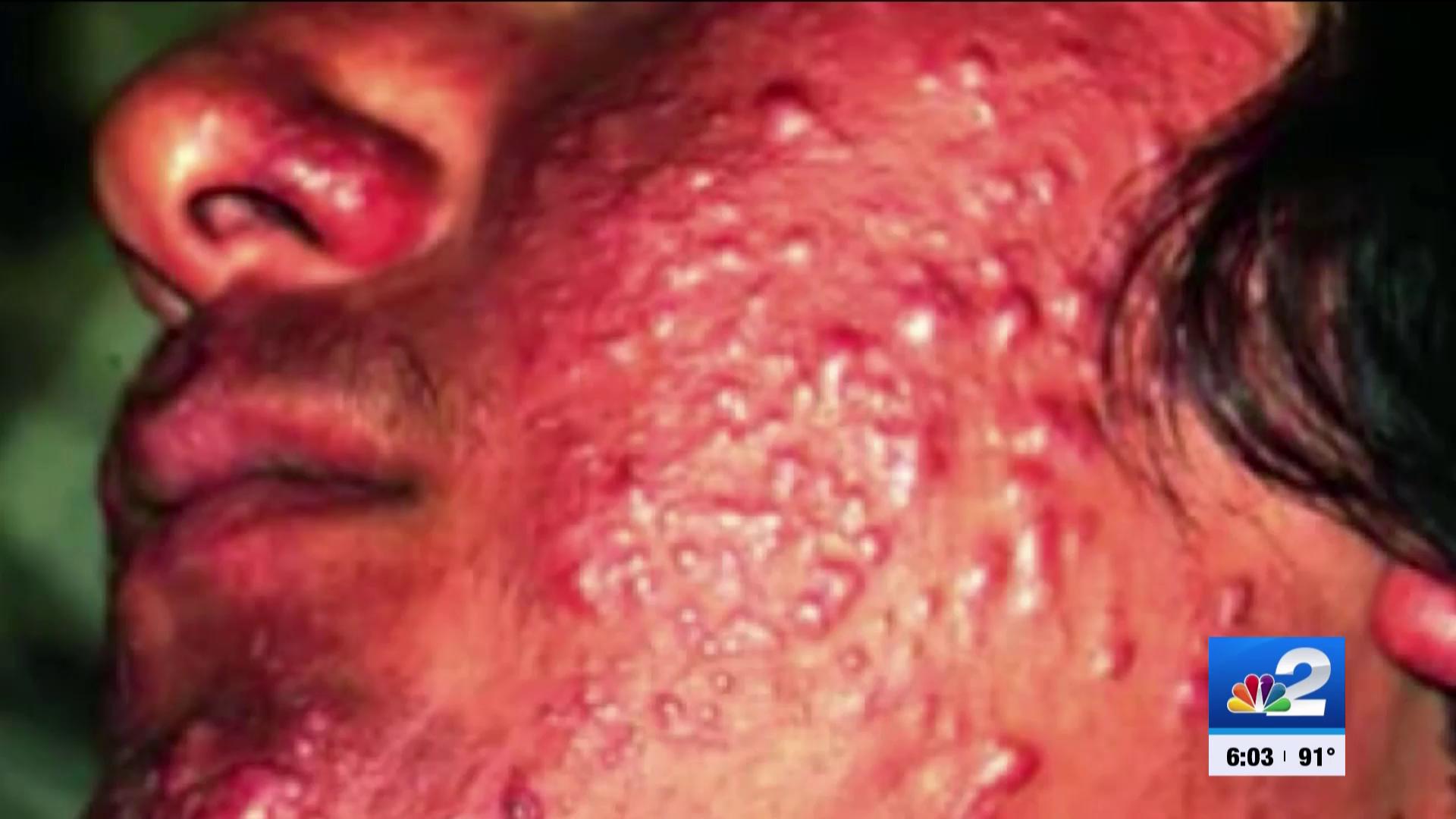
- Skin Lesions: Discolored patches of skin, which may be flat or raised, and are often lighter than the surrounding skin or reddish.
- Loss of Sensation: Affected skin patches frequently exhibit a distinct loss of feeling to temperature, touch, or pain. A person might burn or cut their hand without realizing it.
- Nerve Thickening: Enlarged or tender peripheral nerves, particularly around the elbow, knee, or side of the neck, leading to muscle weakness or numbness in the hands and feet.
- Secondary Complications: If left untreated over many years, nerve damage can result in muscle paralysis, clawing of fingers and toes, and chronic ulcers on the soles of the feet due to repeated, unperceived trauma.
Medical diagnosis involves a thorough physical examination by a healthcare provider, looking for classic dermatological and neurological signs, followed by a skin biopsy. A pathologist examines the biopsy sample under a microscope using specialized acid-fast stains to detect the presence of the bacilli.
Treatment Protocols and Modern Medical Prognosis
The historical dread associated with leprosy is entirely obsolete due to modern medical advancements introduced in the latter half of the twentieth century. The World Health Organization (WHO) and the National Hansen’s Disease Program recommend multi-drug therapy (MDT), which combines two or three powerful antibiotics: dapson, rifampicin, and clofazimine.
MDT effectively kills the bacteria, cures the infection, and halts any further nerve damage from progressing. Depending on the classification of the disease (paucibacillary or multibacillary), treatment regimens typically last between six months and two years. Drugs are provided free of charge to patients through specialized federal programs in the United States, ensuring that cost is never a barrier to complete eradication of the pathogen. Once therapy begins, patients can continue living normal, active lives within their families and communities without the need for archaic isolation or quarantine measures.
Public Health Guidance and Prevention Strategies for Florida Residents
While the risk of contracting leprosy in Florida remains statistically very low for the general population, residents—particularly those living in central and coastal counties—can take sensible precautions, especially when encountering wildlife.
- Avoid Direct Contact with Armadillos: Refrain from touching, capturing, or keeping nine-banded armadillos as pets.
- Use Barrier Protection: Individuals who must handle wildlife or engage in heavy landscaping or gardening in areas frequented by armadillos should wear heavy gloves and practice good hand hygiene.
- Seek Early Medical Evaluation: Anyone developing unexplained, persistent skin lesions that lack normal sensation, accompanied by numbness or tingling in the extremities, should consult a dermatologist or primary care physician for a professional evaluation.
Public health authorities emphasize that while tracking how many leprosy cases are reported in Florida provides valuable epidemiological insight for medical professionals, the general public faces minimal danger provided they understand transmission vectors and seek timely treatment for any unusual dermatological symptoms.
Image Gallery