Why Hans in Frozen Matters: Deconstructing Disney’s Subversion of the True Love Trope
Prince Hans of the Southern Isles stands as one of the most structurally important characters in modern animation because his character arc deliberately subverts decades of Disney fairy tale convention, permanently altering how audienc...
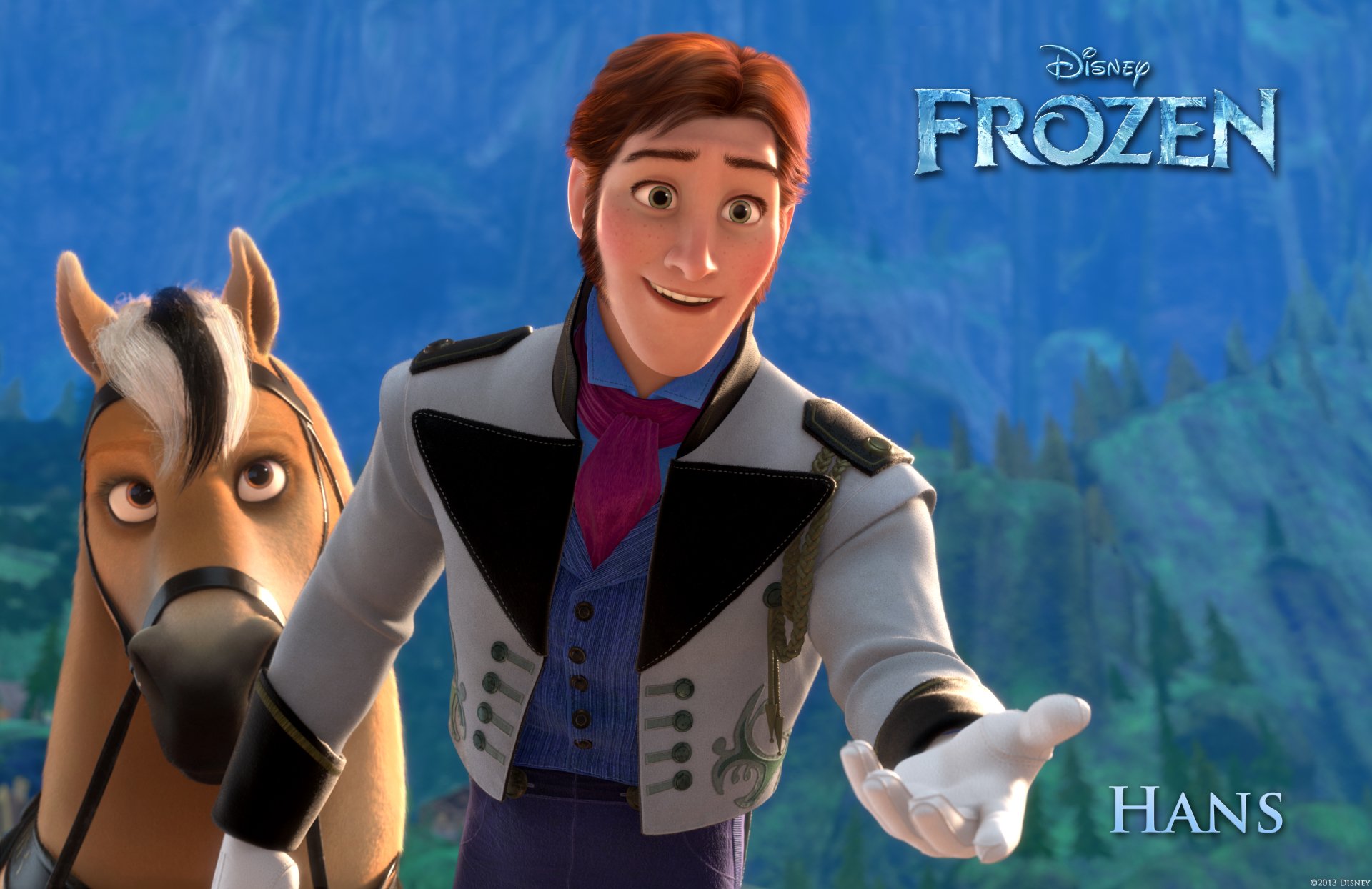
Prince Hans of the Southern Isles stands as one of the most structurally important characters in modern animation because his character arc deliberately subverts decades of Disney fairy tale convention, permanently altering how audiences analyze romance in animated features.
Contents
When Disney released Frozen in 2013, the animated film landscape was still largely dominated by legacy tropes established during the classic princess era and the Disney Renaissance. For generations, feature animation taught children a reliable shorthand for romance: a charming prince arrives, sweeps the protagonist off her feet, and proves to be her true love through immediate chemistry and mutual understanding. Prince Hans was deliberately engineered to exploit this cultural conditioning. By presenting himself as the ultimate manifestation of the classic Disney prince—chympathetic, articulate, physically attractive, and seemingly attuned to the emotional vulnerabilities of Princess Anna—Hans set a trap not only for the character within the narrative, but for the audience watching in the theater.
Understanding why Hans matters requires looking past the surface-level twist of his villainy. His role exposes the mechanical flaws of love-at-first-sight narratives, introduces a realistic depiction of predatory charm and manipulation into family media, and establishes a new baseline for narrative subversion that subsequent animated films continue to emulate.
The Evolution of the Disney Prince Archetype
To understand why Hans is such a disruptive figure, one must examine the evolution of the male lead in Disney animation history. For decades, the archetype of the prince or romantic lead served a primarily functional narrative purpose. In films like Snow White and the Seven Dwarfs (1937), Cinderella (1950), and Sleeping Beauty (1959), the prince was less a fully realized psychological entity and more an idealized symbol of rescue, validation, and happily-ever-after. These characters—often referred to pejoratively by modern critics as "cardboard cutouts"—did not require deep internal motivations because their primary job was to complete the protagonist's journey by providing romantic stability.
Even as the Disney Renaissance introduced more proactive princes and heroes like Prince Eric (The Little Mermaid, 1989), the Beast (Beauty and the Beast, 1991), and Aladdin (Aladdin, 1992), these characters still operated under strict narrative rules. Their flaws were externalized—stubbornness, arrogance, or a lack of social standing—and could be corrected through love, personal growth, or a heroic sacrifice. The audience was rarely invited to question their fundamental moral alignment. They were designed to be trusted.
| Era | Typical Romantic Lead | Primary Narrative Function | Audience Trust Dynamic |
|---|---|---|---|
| Classic Era (1937–1959) | The Idealized Prince | Provide rescue and symbolic resolution | Immediate, unquestioned trust |
| Renaissance Era (1989–1999) | The Flawed Hero | Overcome personal faults through love | Earned trust through gradual development |
| Post-Renaissance/Revival (2009–present) | The Subversive Agent | Expose real-world psychological manipulation | Intentional deception followed by betrayal |
Hans weaponized this historical trust. Because generations of viewers had been conditioned to associate a symmetrical jawline, polite demeanor, and a duets-driven courtship with inherent goodness, the audience projected safety onto Hans. He did not need to earn the viewer's affection through rigorous narrative development; he merely had to step into an empty, well-worn character mold that the audience had accepted for nearly eighty years.
Weaponizing the "Love Is an Open Door" Trope
The musical number "Love Is an Open Door" represents the structural turning point of Hans's deception and the narrative thesis of his character. Duets in Disney films have historically served as sacred narrative spaces where characters articulate their deepest, most authentic emotional truths. When characters sing a duet, the audience is conditioned to believe they are witnessing an unfiltered psychological connection.
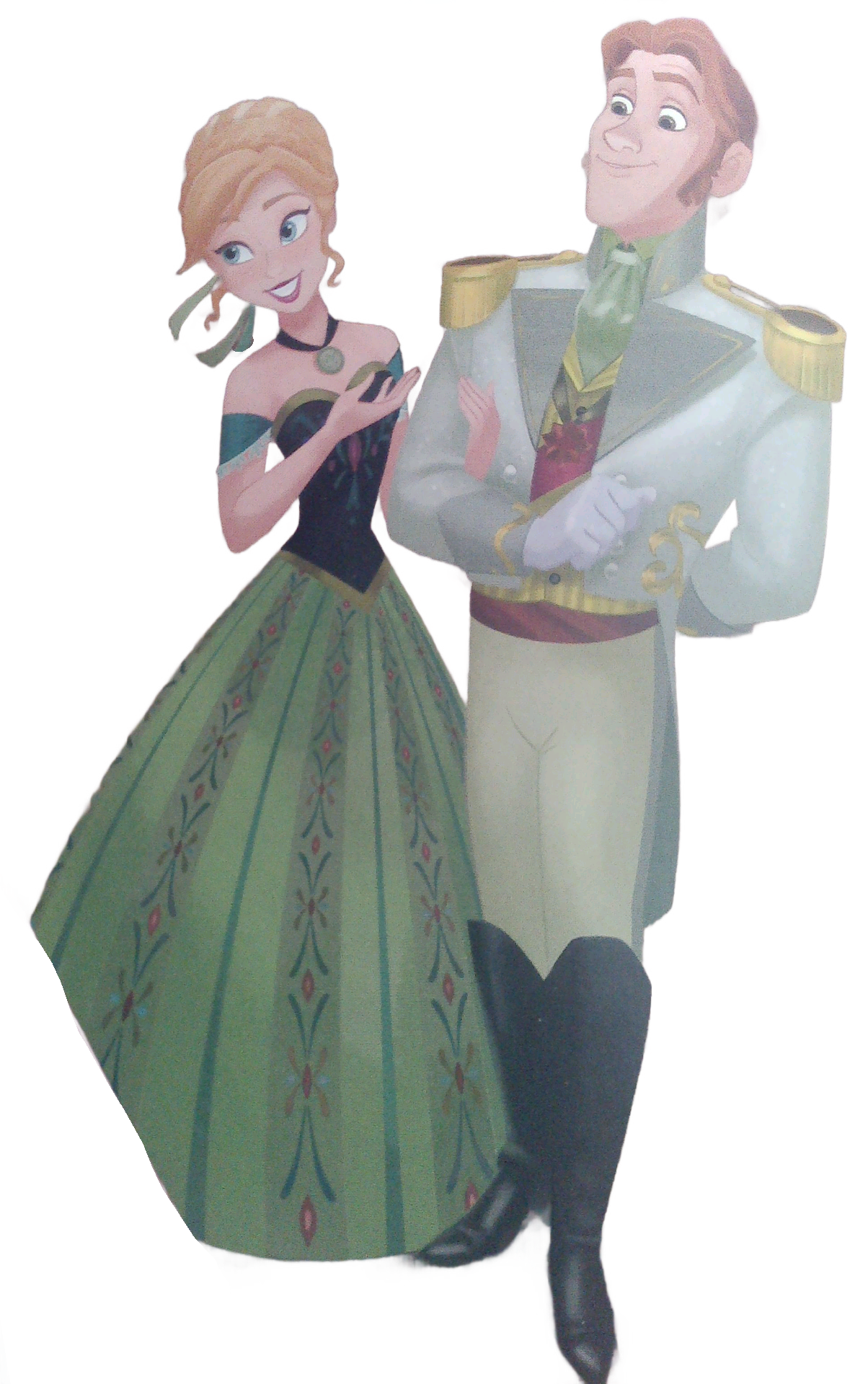
Hans co-opts this convention with chilling precision. He mirrors Anna’s eccentricities, shares her conversational rhythms, validates her isolation, and matches her lyrical cadence. By singing "Love Is an Open Door," Hans creates an artificial sense of destiny.
| Narrative Element | Traditional Disney Romance | The Hans Deception in Frozen |
|---|---|---|
| Courtship Speed | Accelerated by narrative magic or immediate destiny | Accelerated intentionally to secure a political throne |
| Shared Quirks | Genuine compatibility and mutual eccentricities | Calculated mirroring of Anna's isolation and desires |
| Lyrical Themes | Mutual emotional vulnerability and lifelong partnership | Transactional partnership disguised as romantic liberation |
| Underlying Motivation | True love overcoming external obstacles | Opportunistic acquisition of power and status |
This moment matters because it exposes the psychological danger of the "love at first sight" trope. Anna, emotionally starved by years of castle isolation and desperate for validation, accepts Hans's fabricated mirroring as profound compatibility. Hans demonstrates that the very tropes designed to celebrate romance can be easily weaponized by a malignant actor who understands how people process emotional vulnerability.
The Subversion of the True Love’s Kiss Climax
The narrative climax of Frozen relies entirely on the subversion of Hans's character to deliver its central thematic message. In a traditional fairy tale, the crisis is resolved when the prince delivers true love's kiss to break a curse, validate the princess, and restore order to the kingdom.
When Anna reaches Hans in the fjord, freezing and near death, the audience expects the conventional resolution: a kiss from her betrothed will thaw her heart. Instead, Hans reveals his true nature: a sociopathic opportunist who manipulated Anna simply to marry into the throne of Arendelle and eliminate Elsa.
This moment is structurally brilliant for three reasons:
- It Shatters the Fairy Tale Illusion: It forces the audience to confront the absurdity of marrying someone met hours prior. By showing the horrifying consequences of Anna's impulsive engagement, the film critiques its own medium's historical narrative shortcuts.
- It Redirects the Agency: The narrative refuses to let a male savior rescue the protagonist. Anna’s life is ultimately saved not by Hans’s romantic validation, but by her own act of sacrificial love for her sister, Elsa. Hans’s betrayal clears the board of patriarchal rescue fantasies.
- It Redefines "True Love": Frozen reframes true love away from romantic infatuation and toward familial bonds, emotional maturity, and self-acceptance. Hans serves as the negative foil that highlights what true love is not.
Realistic Portrayal of Covert Narcissism and Grooming
Beyond its function as a meta-textual critique of fairy tales, Hans matters because he provides children and young adults with an early, accessible introduction to a very real psychological threat: the covert narcissist and the manipulative sociopath.
In media aimed at younger audiences, villains are traditionally hyper-visible. They possess grotesque physical features, dark color palettes, literal magical malice, or overt outbursts of rage (such as Maleficent or Scar). These visual cues make it easy for the viewer to identify the threat immediately.
Hans rejects this binary. He has no physical deformities, no magical powers, and no moments of outward cruelty until his mask is completely discarded. He is polite to the staff, charming to the visiting dignitaries, and endlessly patient with Anna. His villainy is defined by emotional mirroring, gaslighting, and the calculated exploitation of another person's trust—tactics associated with real-world interpersonal abuse.
- Initial Isolation
- (Anna feels lonely and unloved)
- Strategic Mirroring
- (Hans matches her quirks, values, and dialogue)
- False Validation
- (He makes her feel uniquely understood)
- Rapid Escalation
- (Immediate proposal under the guise of destiny)
- The Mask Drop
- (Exploitation and abandonment once utility is achieved)
By depicting a villain who hides behind a smile and institutional respectability, Frozen teaches media literacy that extends far beyond the screen. It demonstrates that danger often wears a pleasant face and that charm is not synonymous with character integrity.
The Legacy of Hans on Modern Animation
The inclusion of Prince Hans marked a significant shift in how studios approach character writing in family animation. Following the massive cultural footprint of Frozen, the industry observed a marked decrease in straightforward, traditional romantic subplots and an increase in subverted expectations regarding antagonist structures.
Films released in the subsequent decade—such as Disney's Moana (2016) and Encanto (2021), as well as competitors like DreamWorks’ output—began steering away from the "prince charming" archetype entirely. When romantic interests are included, they are often deeply flawed, deconstructed, or entirely secondary to internal character growth and interpersonal relationships (such as family dynamics or community bonds).
Hans proved that modern audiences—even younger viewers—respond positively to narrative complexity and emotional realism, even within fantastical settings. He challenged the lazy writing habits of the past and established that an antagonist does not need to throw fireballs to be effective; sometimes, the most dangerous antagonist is the one who convinces you that you are finally safe.
Frequently Asked Questions
Why did Hans turn evil in Frozen?
Hans did not technically "turn" evil; rather, he revealed the predatory ambition he possessed all along. As the youngest of thirteen brothers with no realistic prospect of inheriting his own kingdom's throne, Hans systematically manipulated the isolated Princess Anna to marry into power and maneuver himself into the seat of Arendelle.
Did the filmmakers plan Hans's twist from the beginning of production?
No. Development records and interviews with the creative team indicate that Hans was not conceived as the villain during the early stages of production. Initially, Elsa was designed as the story's primary antagonist. It was during the structural overhaul of the script—largely sparked by the creation of the song "Let It Go"—that the writers repositioned Elsa as a misunderstood protagonist and introduced Hans's betrayal to serve the film's new thematic focus on sisterly love over romantic love.
How does Hans compare to traditional Disney villains?
Traditional Disney villains are typically overt, theatrical, and easily identifiable by their dark aesthetics or explosive tempers. Hans breaks this mold by functioning as a "wolf in sheep's clothing." His villainy is grounded in psychological manipulation, social charm, and covert ambition, making him far more reflective of real-world interpersonal deceit.
What is the primary thematic purpose of Hans's character?
Hans serves as a narrative foil to deconstruct the "love at first sight" and "true love's kiss" tropes. His betrayal exposes the danger of rushing into romantic commitments based on superficial chemistry and clears the narrative space for Frozen to define true love through sacrifice, familial bonds, and self-reliance.
Why is Hans's reveal considered a milestone in animation history?
The reveal subverted nearly eighty years of audience conditioning. By weaponizing the classic Disney prince archetype against the viewer, the film created a culturally resonant moment that forced audiences to re-evaluate how romance and villainy are coded in visual storytelling.
Conclusion and Next Actions
Prince Hans matters because he represents a watershed moment in the evolution of animated storytelling. By taking the familiar, comfortable tropes of the classic fairy tale prince and weaponizing them against the protagonist and the audience, Frozen utilized Hans to dismantle outdated narrative conventions about romance and rescue. He serves not merely as a plot twist, but as a sophisticated deconstruction of charm, manipulation, and the very definition of true love. For writers, critics, and viewers alike, Hans remains the gold standard for how to subvert expectations without breaking the internal logic of a narrative world. When evaluating family media or analyzing character arcs in contemporary fiction, examining how a story handles figures like Hans provides immediate insight into its thematic depth and emotional maturity.
Image Gallery