Navigating the Landscape of Companies in Cloud Security for the AI Age
The companies in cloud security for the AI age that effectively engage audiences are those providing transparent, verifiable, and integrated platforms that address the dual challenge of protecting AI-driven workloads while utilizing ma...
The companies in cloud security for the AI age that effectively engage audiences are those providing transparent, verifiable, and integrated platforms that address the dual challenge of protecting AI-driven workloads while utilizing machine learning to automate threat detection. These organizations succeed by moving beyond static firewall configurations to dynamic, data-centric security architectures that manage the complexities of large-scale, distributed environments.
Contents
The Evolution of Cloud Security Requirements in 2026
By 2026, the integration of Artificial Intelligence (AI) into business operations has shifted the cloud security paradigm. The transition from legacy, perimeter-based security to identity-centric, automated defense is no longer optional. Enterprises are now forced to contend with AI-driven cyber threats—attacks that utilize machine learning to identify vulnerabilities, automate phishing, and bypass traditional heuristic detection methods.
To remain effective, security vendors must now support a "security-as-code" methodology. This approach ensures that security policies are version-controlled, automated, and integrated directly into the CI/CD (Continuous Integration/Continuous Deployment) pipeline. Organizations seeking to engage with security providers must prioritize vendors that demonstrate deep visibility into ephemeral cloud assets and offer robust protection for Large Language Models (LLMs) and training data.
Evaluating Market Leaders: Capabilities and Focus Areas
The market for cloud security is currently segmented by those who prioritize automated remediation and those who focus on deep architectural visibility. The most successful companies in this space engage their audience by offering actionable dashboards that correlate disparate security events into meaningful, risk-prioritized narratives.
Key Pillars of Modern Cloud Security
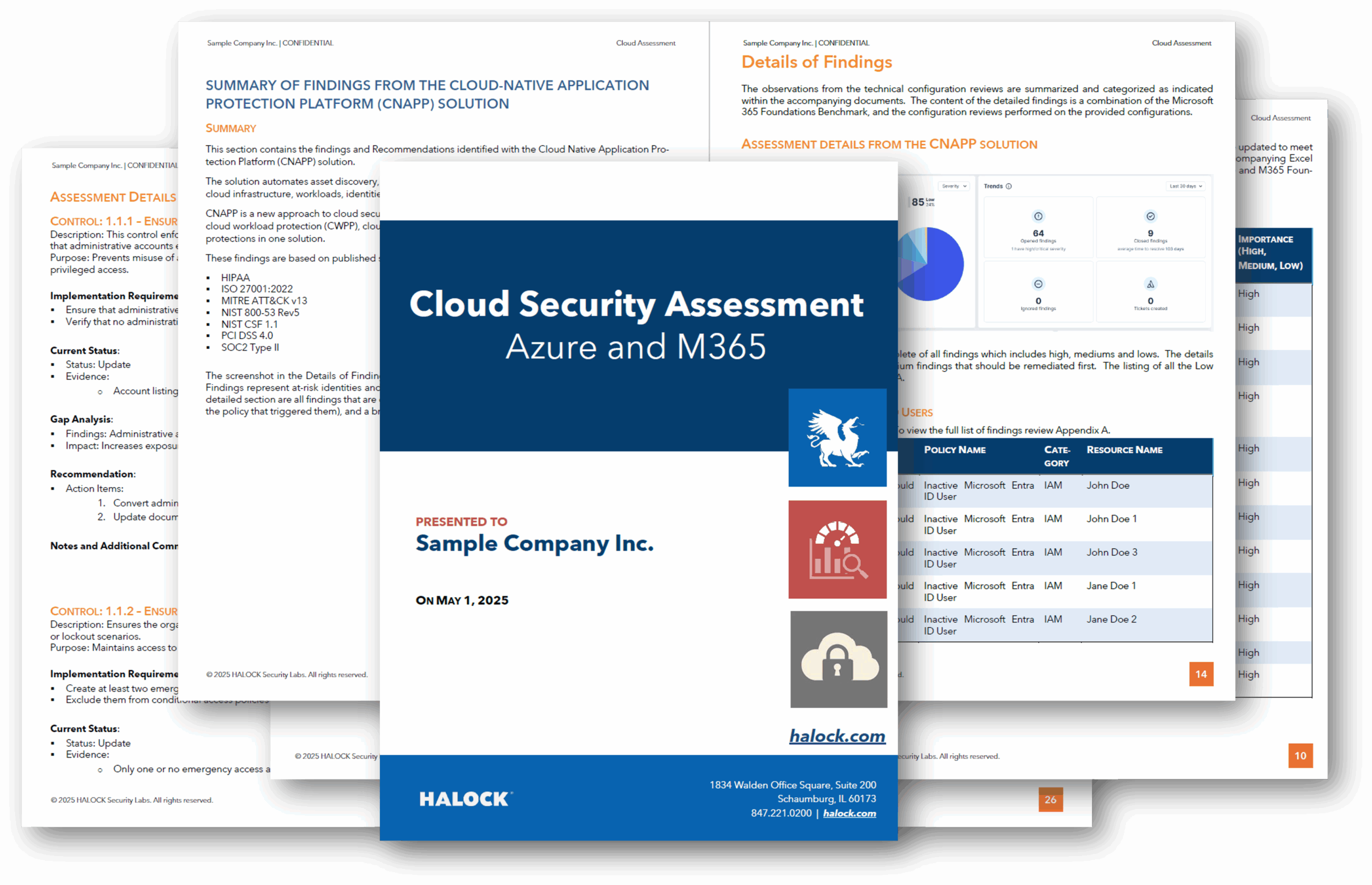
- CNAPP (Cloud-Native Application Protection Platforms): These platforms consolidate security functions such as vulnerability scanning, posture management, and threat detection into a unified plane.
- AI-Driven Posture Management: Using AI to continuously scan configurations against industry benchmarks like the CIS (Center for Internet Security) standards to prevent misconfiguration—the leading cause of data breaches.
- Data Security Posture Management (DSPM): Specifically focused on identifying where sensitive data resides within a cloud environment, who has access to it, and how it is being processed by AI models.
- API Security: As AI agents frequently communicate via APIs, protecting these endpoints against unauthorized access and injection attacks is critical for operational integrity.
Comparison of Strategic Approaches in Cloud Security
The following table categorizes the operational focus areas of leading cloud security providers. These vendors are selected based on their prevalence in enterprise environments and their maturity in handling AI-integrated cloud architectures.
| Provider Focus | Core Capability | Target Audience | Key Benefit |
|---|---|---|---|
| Unified CNAPP | Holistic platform integration | Enterprise DevOps teams | Reduced operational overhead |
| API/Data Security | Granular protection of data flows | Compliance/Security officers | Regulatory risk mitigation |
| Automation/SOAR | Automated incident response | Security Operations Centers | Faster time-to-remediate |
| AI Threat Hunting | Machine learning pattern analysis | CISO/Security researchers | Proactive threat detection |
The Human Factor: How Companies Effectively Engage Audiences
Technical efficacy is only half the battle. Companies in the cloud security space that successfully retain customers and influence industry discourse do so through a commitment to educational engagement. They prioritize "community-first" approaches, providing deep-dive whitepapers, open-source security tools, and interactive threat-modeling workshops.
These companies move away from sales-heavy interactions toward consultative roles. By publishing detailed research on emerging CVEs (Common Vulnerabilities and Exposures) and providing free assessment tools, they establish authority. For security buyers, this engagement model is vital because it allows technical teams to verify the efficacy of the platform within their specific production environments before long-term commitment.
Challenges in AI-Age Cloud Defense
Despite advancements, several challenges persist that require careful consideration when selecting a security partner:
Shadow AI and Shadow IT
The proliferation of "Shadow AI"—unauthorized use of AI tools within a corporate network—exposes organizations to data leakage risks. Effective security platforms must provide discovery tools that identify these instances without impeding developer productivity.
Model Poisoning and Prompt Injection
As enterprises integrate proprietary AI models, protecting those models from adversarial inputs is paramount. This requires specialized security tools that inspect not just the cloud infrastructure, but the input and output streams of the AI models themselves.
Complexity and Alert Fatigue
With the volume of telemetry data produced by cloud-native environments, human-only analysis is impossible. Vendors must prove their AI-driven alert prioritization actually reduces "noise" rather than adding to it. An effective platform should demonstrate a high signal-to-noise ratio in its incident reporting, ensuring that security analysts focus on genuine threats rather than false positives.
Frequently Asked Questions
How should organizations verify the AI security capabilities of a cloud security provider? Organizations should request documentation regarding the provider’s own AI safety protocols, specifically looking for third-party audits or adherence to NIST AI Risk Management Frameworks. Always conduct a proof-of-concept (POC) that simulates real-world attack vectors, such as prompt injection, against your specific use case.
What is the role of DSPM in an AI-heavy cloud architecture? Data Security Posture Management (DSPM) acts as the foundation for AI security by mapping the lineage and sensitivity of training data. Without knowing where sensitive data resides and who can access it, it is impossible to secure the AI models that utilize that data.
Is it necessary to have multiple security vendors? While platform consolidation (CNAPP) is preferred to reduce operational complexity, some enterprises opt for "best-of-breed" point solutions for niche needs like specialized AI model protection. Ensure that any tool you adopt supports open-standard integration, such as OCSF (Open Cybersecurity Schema Framework), to maintain data interoperability.
How do I address the cost of implementing comprehensive cloud security? Focus on the return on investment (ROI) associated with automated remediation. Reducing the time an analyst spends on triaging misconfigurations translates to significant labor savings. Many providers now offer consumption-based pricing that scales with your cloud infrastructure usage.
Recommendation for Next Steps
To effectively secure your cloud environment in the AI age, prioritize an initial audit of your current API and data exposure. Seek providers that offer a unified CNAPP interface, as this reduces the risk of security gaps created by siloed tools. Before signing any service agreement, mandate a sandbox test focused on your specific regulatory compliance requirements and the unique AI models currently deployed within your organization.
Image Gallery