How Differential Settlement Foundation Repair Works: Engineering Principles and Remediation
Differential settlement occurs when a building’s foundation experiences uneven sinking or movement, often caused by variations in soil composition, moisture content, or improper compaction beneath specific sections of the structure. Re...
Differential settlement occurs when a building’s foundation experiences uneven sinking or movement, often caused by variations in soil composition, moisture content, or improper compaction beneath specific sections of the structure. Repairing this issue involves stabilizing the foundation by transferring the structure's load to more stable, deeper soil strata or bedrock using mechanical systems such as steel piers or helical anchors, effectively re-leveling the building and preventing further subsidence.
Contents
Understanding Differential Settlement
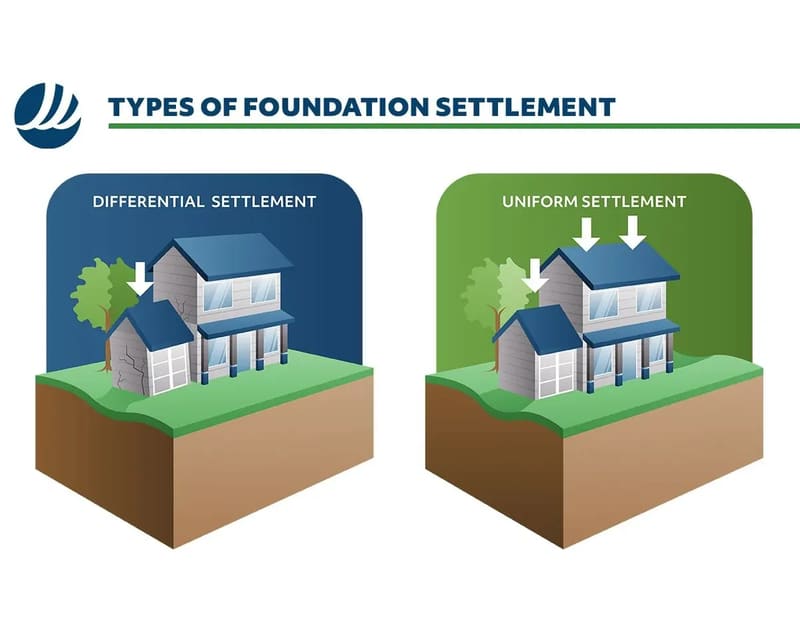
Differential settlement is not merely the uniform sinking of a structure; it is the uneven downward movement that creates structural tension. Unlike total settlement, where a building might sink evenly, differential settlement causes one corner or section of a foundation to subside more than others. This discrepancy places immense shear stress on masonry, concrete, and structural framing.
The primary cause is typically the inconsistency of the subsurface. For instance, if one side of a foundation rests on consolidated, undisturbed soil while the other rests on poorly compacted fill or high-plasticity clay, the movement will be non-uniform. Environmental factors, such as extreme localized drought or flooding, can exacerbate these differences, particularly in expansive soils that shrink and swell significantly.
The Engineering Logic Behind Repair
The goal of foundation repair is twofold: stabilization and, if necessary, restoration. Stabilization involves stopping the downward movement of the structure. Restoration, or leveling, involves hydraulic lifting of the foundation back to its original position—or as close to it as possible—without causing secondary structural damage.
To achieve this, engineers utilize "underpinning," a process of extending the foundation’s depth to reach a load-bearing stratum. The weight of the building is transferred from the existing, failing soil to deep-seated piers. This essentially bypasses the unstable near-surface soils that caused the settlement in the first place.
Methods of Foundation Remediation
Several technical methods are employed to address differential settlement. Each is selected based on the structure's weight, the depth to stable soil, and site accessibility.
1. Steel Resistance Piers (Push Piers)
Resistance piers are high-capacity steel columns driven hydraulically into the ground until they hit bedrock or a stable, load-bearing soil layer.
- The Process: Heavy-duty steel brackets are attached to the foundation footing. A hydraulic ram is then used to push steel pipe sections through the bracket and into the ground.
- Best For: Heavy structures where deep penetration is required to reach stable strata.
2. Helical Piers
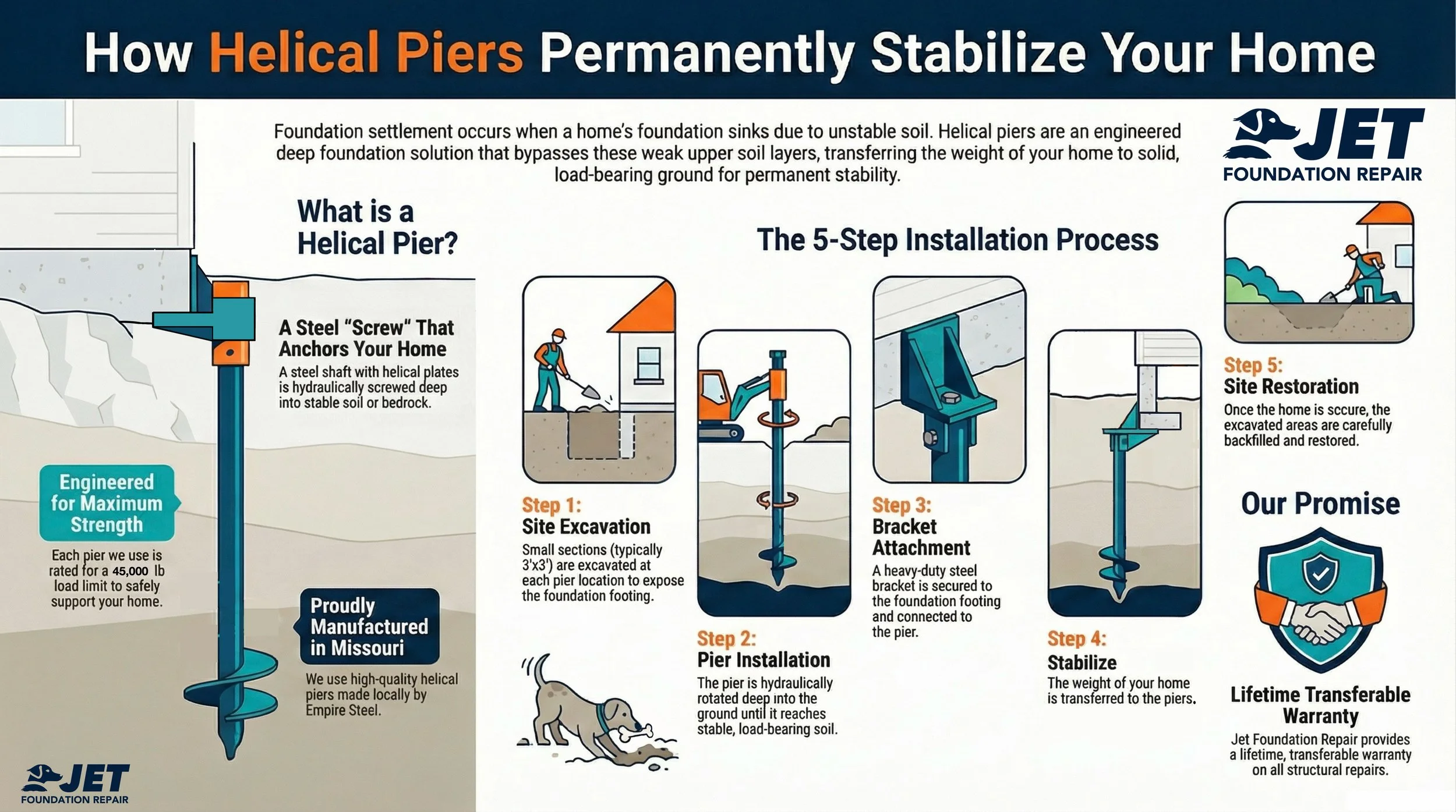
Helical piers function like a large screw. They feature a central steel shaft with one or more helix-shaped plates welded to the end.
- The Process: The pier is rotated into the soil using a torque-monitoring hydraulic motor. As it is screwed into the ground, the helical plates provide both downward capacity and uplift resistance.
- Best For: Lightweight to medium-weight structures, decks, or porches, and situations where vibration must be minimized.
3. Concrete Piering (Mudjacking and Polyurethane Foam)
While often used for cosmetic leveling, these methods are sometimes conflated with structural repairs.
- Mudjacking: A slurry of soil, cement, and sand is pumped under a slab to fill voids.
- Polyurethane Injection: Expanding foam is injected under the foundation. It fills voids and expands to compact the soil, providing lift.
- Limitation: These methods generally treat the symptom (the void) rather than the cause (the unstable soil). They are rarely a substitute for structural underpinning in cases of severe differential settlement.
Comparison of Common Underpinning Technologies
| Feature | Steel Resistance Piers | Helical Piers | Polyurethane Injection |
|---|---|---|---|
| Primary Goal | Deep stabilization | Deep stabilization | Void filling/Soil compaction |
| Load Capacity | Very High | Moderate to High | Low (non-structural) |
| Depth Potential | Deep (Bedrock) | Deep (Stable strata) | Shallow (Sub-slab) |
| Invasive Level | High (Heavy equipment) | Moderate | Low (Drill small holes) |
| Typical Use | Heavy building walls | Foundation corners/light structures | Void filling beneath floor slabs |
The Step-by-Step Remediation Process
Regardless of the specific piering technology, the professional remediation process follows a standard sequence dictated by structural engineering best practices.
- Site Assessment and Geotechnical Investigation: A structural engineer examines the extent of cracks, the tilt of the structure, and the topography. A geotechnical report may be requested to confirm the depth of stable soil.
- Excavation: Small areas around the perimeter of the foundation are excavated to expose the footing. This allows the installation team to prepare the concrete surface for bracket attachment.
- Pier Installation: The chosen system (steel or helical) is installed. Engineers monitor pressure gauges or torque readings to determine when the pier has reached a competent soil layer.
- Load Transfer: Once all piers are installed and confirmed to be at the correct depth, the weight of the structure is slowly transferred from the foundation footing to the piers using hydraulic jacks.
- Monitoring and Closure: As the building is lifted, monitors are used to track the movement to ensure the structure rises evenly, preventing wall cracking or chimney separation. Once the foundation is level, the piers are permanently locked in place, and the excavated areas are backfilled.
Common Pitfalls and Troubleshooting
Repairing a foundation is a high-stakes task. Improper installation can lead to "secondary settlement," where the pier was not driven deep enough, or "over-lifting," where the structural integrity of the home's framing is compromised by moving it too rapidly or too far.
- Failure to Address Drainage: If the settlement was caused by water erosion or expansive soil moisture changes, simply installing piers is insufficient. Effective repair must include a comprehensive site drainage plan, such as installing French drains or extending downspouts away from the structure.
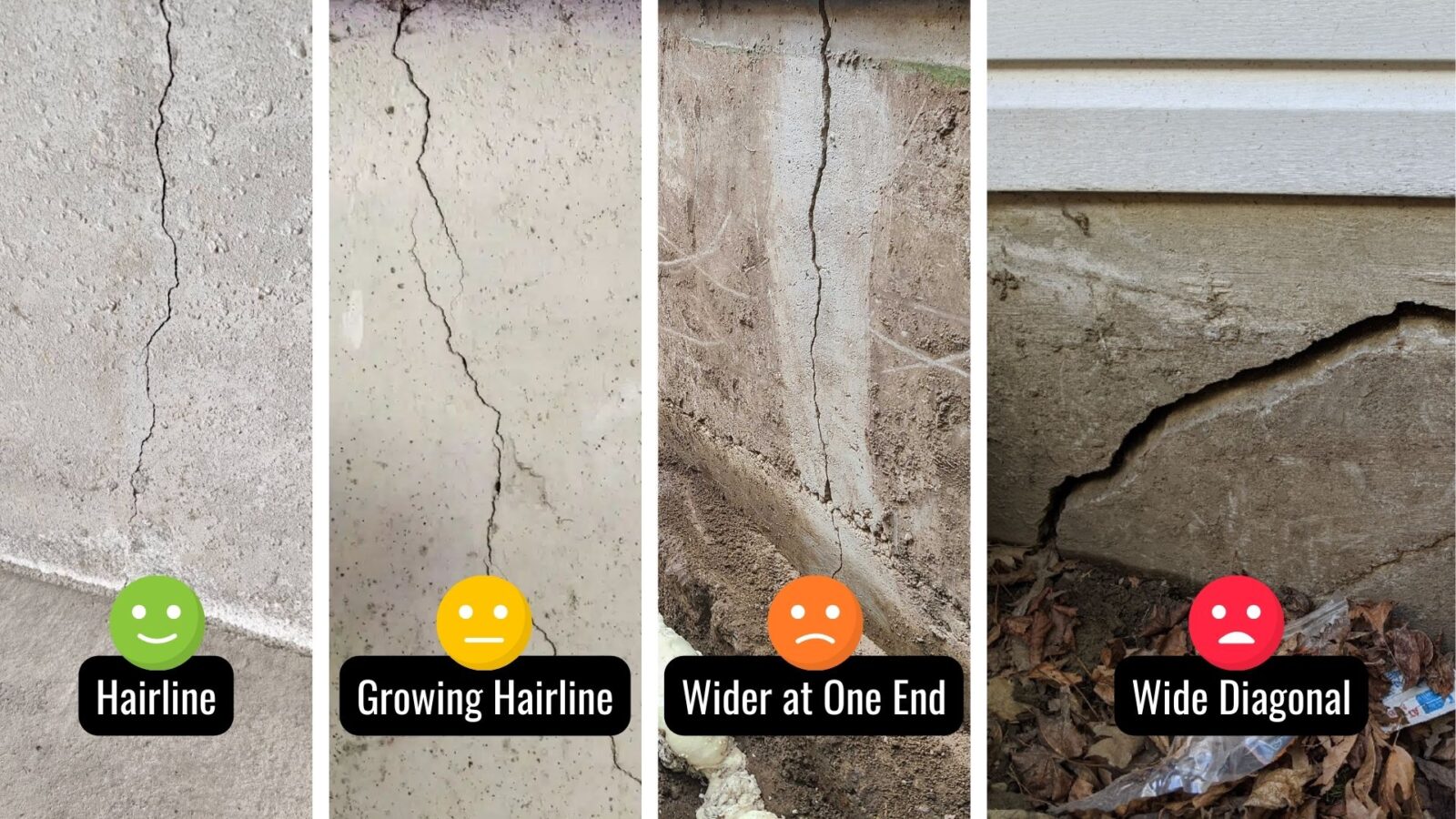
- Ignoring Structural Cracks: Piering stops the movement, but it does not repair the cosmetic or structural damage already done to the house. Drywall cracks, window frame distortions, and brick veneer separation often require separate, post-repair professional repairs.
Frequently Asked Questions
Is it normal for a foundation to settle?
Some minor "settlement" is expected in new construction as the house settles into its new environment. However, differential settlement is a sign of an underlying issue, such as soil failure, and typically requires intervention if it causes cracks wider than 1/4 inch or causes doors and windows to stick.
How do I know if I need piers or just slab leveling?
If your foundation is cracking or sinking significantly due to soil issues, you generally need structural underpinning (piers). If the issue is limited to a concrete slab floor that has developed a minor void, poly-jacking or mudjacking may suffice. An inspection by a structural engineer is the only way to confirm which is required.
Can I repair my foundation myself?
Foundation repair is a specialized engineering task that requires heavy machinery, specific soil testing, and precise calibration. DIY repairs involving simple jacks or shimming are dangerous, illegal in many jurisdictions without a permit, and rarely solve the root cause.
Will repair stop future settlement entirely?
If the piers are correctly installed to reach stable, load-bearing strata, the portion of the home supported by the piers will not settle again. However, if the rest of the home was not underpinned, different sections of the house may move differently in the future if soil conditions change.
How long does the repair process take?
For a typical residential home, a standard pier installation project usually takes between three to seven days, depending on the number of piers required and site accessibility.
Next Action
If you suspect differential settlement, the first step is to contact a licensed structural engineer—not a foundation repair contractor—to perform an independent assessment. An engineer provides an unbiased report on the necessary remedial steps, which you can then use to solicit competitive bids from qualified contractors. Ensure any contractor you hire possesses the appropriate state licenses and can provide engineering-stamped plans for your specific site.
Image Gallery