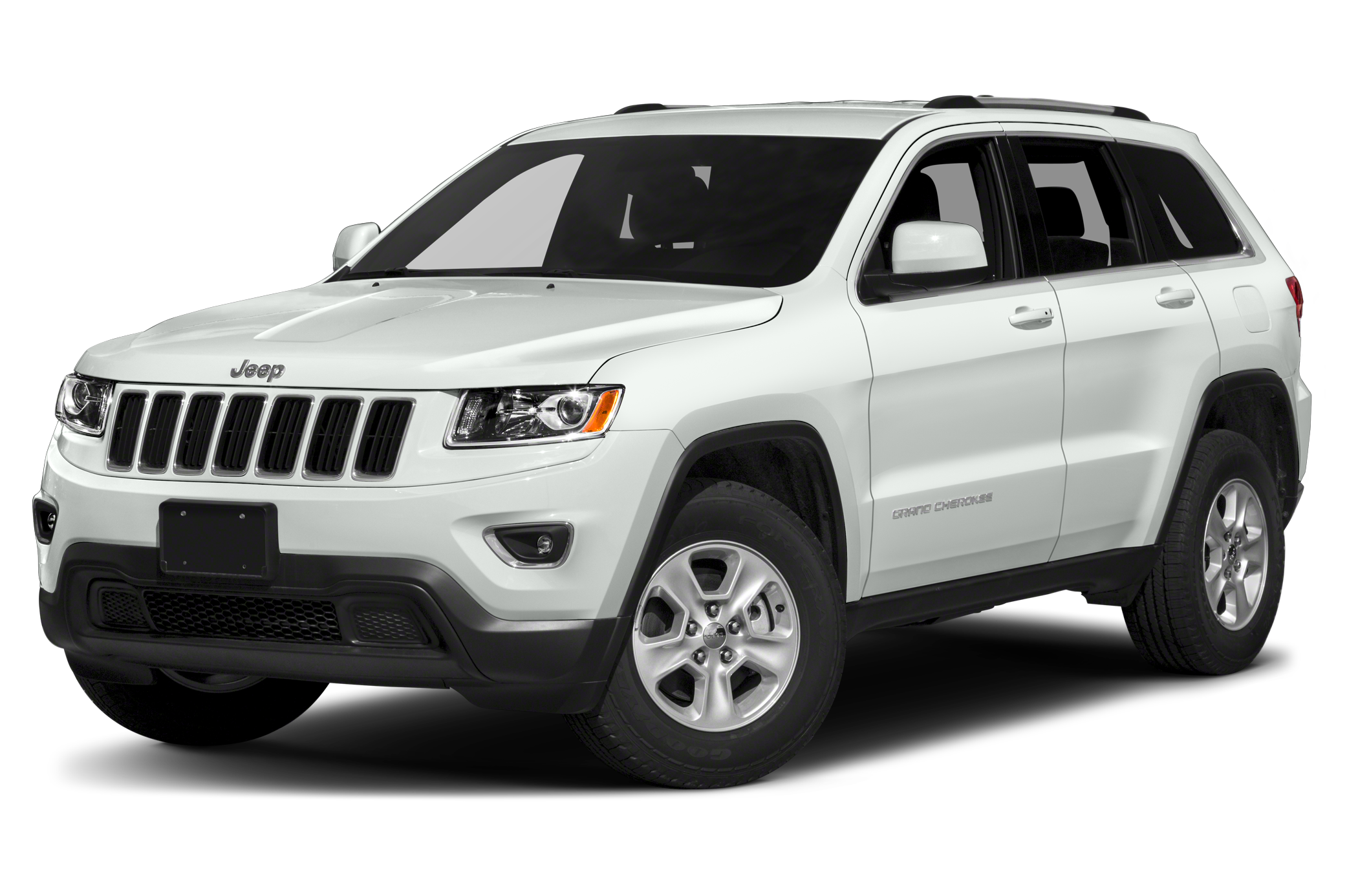
3 Myths About Auto Insurance for a 2015 Jeep Grand Cherokee
Insuring a 2015 Jeep Grand Cherokee in 2026 involves navigating misconceptions regarding vehicle age, safety technology, and performance trims. Contrary to popular belief, premium costs for this specific 11-year-old SUV are not dictate...
Insuring a 2015 Jeep Grand Cherokee in 2026 involves navigating misconceptions regarding vehicle age, safety technology, and performance trims. Contrary to popular belief, premium costs for this specific 11-year-old SUV are not dictated solely by depreciation; instead, they are heavily influenced by parts availability, specialized trim features, and evolving theft statistics.
Contents
The 2015 Jeep Grand Cherokee remains a staple on the road, prized for its blend of off-road capability and near-luxury interior. However, as this vehicle enters its second decade of service, owners often fall prey to outdated advice regarding how to protect it. Whether you are driving a base Laredo or the high-performance SRT, understanding the reality of the insurance market is essential for balancing cost and coverage.
Myth 1: Depreciation Automatically Guarantees the Lowest Possible Premiums
The most common misconception is that because a 2015 Jeep Grand Cherokee has depreciated significantly over eleven years, the insurance premiums will naturally be at their floor. While it is true that the Actual Cash Value (ACV) of the vehicle—the maximum amount an insurer will pay in a total loss—is lower than a new model, this does not translate linearly to lower monthly payments.
The Repair Cost Paradox
In 2026, the cost of labor and specialized parts has outpaced the rate of vehicle depreciation. For a 2015 Grand Cherokee, especially those equipped with the 5.7L Hemi V8 or the EcoDiesel engine, mechanical repairs are increasingly expensive. Insurers calculate premiums based on the likelihood and cost of claims. While the vehicle’s value is lower, the cost of a "fender bender" that damages the adaptive cruise control sensors (found in the Overland and Summit trims) remains high. Replacing a single advanced headlamp assembly on a 2015 Summit can cost upwards of $1,500, which is a significant percentage of the car's remaining value.
Total Loss Thresholds
Because the vehicle's market value is lower in 2026, it takes less damage to reach a "total loss" threshold. Insurers recognize that even moderate damage to the frame or the high-tech interior components of a Grand Cherokee will exceed 70% of the car's value. This increased risk of a total payout, even for relatively minor accidents, keeps comprehensive and collision premiums higher than many owners expect.
Safety Tech and "Legacy" Systems
The 2015 model was a pioneer in bringing advanced driver-assistance systems (ADAS) to the SUV segment. However, in 2026, these are considered "legacy" systems. Maintaining and recalibrating eleven-year-old sensors and cameras after a collision requires specialized diagnostic tools that not all independent shops possess. Insurers factor in these specialized labor rates when setting premiums for older luxury-leaning SUVs.
Myth 2: High-Performance Trims Like the SRT Follow Standard SUV Rate Curves
Many owners assume that a 2015 Jeep Grand Cherokee SRT, being over a decade old, will eventually be treated like a standard family SUV by insurance algorithms. This is fundamentally incorrect. The SRT and the rare 2015 variants with specialized packages occupy a different risk category altogether.
Theft and Parts Value
The 2015 Grand Cherokee, specifically high-output trims, remains a significant target for theft. In 2026, the market for high-performance parts (engines, transmissions, and SRT-specific body panels) is robust. Professional thieves often target older high-trim Jeeps because their security systems are more easily bypassed than those in 2024 or 2025 models, yet the parts remain compatible with a wide range of vehicles. Insurance companies monitor these "theft-to-part" ratios closely, which keeps the comprehensive portion of an SRT premium significantly higher than a Laredo or Limited.
The "Enthusiast" Surcharge
Insurers categorize the SRT as a high-performance vehicle regardless of its age. The 6.4L V8 engine places it in a different actuarial bracket. Even if the owner uses it as a daily commuter, the inherent capability of the vehicle suggests a higher risk of high-speed accidents. Furthermore, by 2026, many 2015 SRTs are owned by enthusiasts who may have modified the vehicle. Standard insurance policies often do not cover aftermarket performance parts unless a specific rider is added, creating a gap between owner expectations and actual coverage.
Specialized Maintenance Risks
The Brembo braking systems and active damping suspension on the SRT and Summit trims are significantly more expensive to restore to factory standards than the components on a base Laredo. Insurers are aware that using "Equivalent" non-OEM parts on these trims can lead to liability issues if the vehicle's performance is compromised, leading them to price the risk of OEM-only repairs into the premium.
Myth 3: Minimum Liability is the Most "Logical" Choice for an 11-Year-Old Jeep
As a vehicle reaches the 11-year mark, a common strategy is to "drop to liability," meaning the owner cancels collision and comprehensive coverage to save money. For a 2015 Jeep Grand Cherokee, this is often a financial mistake due to the vehicle's unique market position in 2026.
Resale Value Stability
Unlike many other 2015-era SUVs, the Grand Cherokee maintains a loyal following. Well-maintained units, especially those with the 4WD Quadra-Drive II system, retain a higher percentage of their value than competitors. If a driver drops collision coverage and suffers a self-inflicted accident, they lose a significant asset. In 2026, the replacement cost for a reliable, 4WD-capable SUV is high, making the protection of the Grand Cherokee's remaining equity a sound financial move.
The Multi-Car and Liability Gap
Dropping to minimum liability ignores the modern reality of medical costs and litigation. The 2015 Grand Cherokee is a heavy vehicle (often exceeding 5,000 lbs). In a collision with a modern, smaller electric vehicle or a compact car, the Jeep is likely to cause significant damage to the other party. Minimum liability limits set by many states are often insufficient to cover the medical bills or property damage occurring in 2026.
Comprehensive Coverage for Environmental and Vandalism Risks
"Liability only" does not protect against a cracked windshield, theft, or weather damage. The 2015 Grand Cherokee’s large glass surfaces and panoramic sunroofs (standard on higher trims) are prone to damage that is expensive to fix out-of-pocket. Given that the cost difference between "liability only" and "liability + comprehensive" is often minimal for a decade-old vehicle, the risk of losing the entire vehicle to a single hailstorm or a broken window makes the "myth of minimums" dangerous.
Comparison of Insurance Risk Profiles by Trim (2026 Data)
The following table illustrates how different trims of the 2015 Jeep Grand Cherokee are viewed by insurers in terms of risk and cost factors.
| Trim Level | Primary Risk Factor | Parts Availability | Relative Premium | Coverage Recommendation |
|---|---|---|---|---|
| Laredo | High mileage/Mechanical failure | Excellent (Common parts) | Lowest | Standard Full Coverage |
| Limited | ADAS sensor calibration | Good | Moderate | Full Coverage + Glass Rider |
| Overland/Summit | Air suspension/Luxury interior | Moderate (Specific parts) | High | Full Coverage with OEM Rider |
| SRT | Theft/Performance accidents | Scarce (High demand) | Highest | Agreed Value Policy |
Factors Influencing 2015 Jeep Grand Cherokee Rates in 2026
Several external factors specifically impact this model year. Owners should be aware of these when shopping for quotes:
- Recalls and Safety History: The 2015 model year was subject to a significant recall regarding the "monostable" electronic gear shifter, which was linked to roll-away risks. While most vehicles have been repaired, insurers still look at the safety record of the 2011–2021 WK2 platform.
- Uninsured Motorist Trends: In 2026, the percentage of uninsured drivers remains a concern. Because the Grand Cherokee is a robust vehicle that may survive a crash that totals a smaller car, having "Uninsured/Underinsured Motorist" coverage is vital to ensure the owner isn't left holding the bill for an accident they didn't cause.
- The "Workhorse" Factor: Many 2015 Jeeps are now used for towing or heavy off-road use. If the vehicle is used for more than simple commuting, such as towing a boat or a trailer, standard policies may need adjustments to cover the liability of the towed unit.
Frequently Asked Questions
Is a 2015 Jeep Grand Cherokee considered a "classic" or "collector" car yet?
In 2026, the 2015 model is not yet considered a classic by traditional insurance standards, which usually require a vehicle to be at least 20 to 25 years old. However, the SRT and Trackhawk variants are considered "modern collectibles." Owners of exceptionally low-mileage SRTs may qualify for specialized "enthusiast" policies that offer agreed-value coverage rather than actual cash value, which is often more favorable.
Does the 4WD system increase my insurance rates?
Yes, typically. Vehicles with 4WD or AWD systems like the Quadra-Trac II or Quadra-Drive II have more complex drivetrains. In the event of a collision involving the undercarriage or axles, the repair costs are higher than a 2WD model. Furthermore, 4WD vehicles are statistically more likely to be driven in hazardous weather conditions (snow, mud), which slightly increases the actuarial risk of a claim.
Will installing a modern infotainment system (Apple CarPlay/Android Auto) lower my rates?
Generally, no. While a modern head unit might make the car safer by reducing phone distractions, insurance companies do not typically offer discounts for aftermarket electronics. In fact, if the installation requires modifying the dashboard, it could technically increase the cost of a comprehensive claim if the unit is stolen or the dash is damaged during a break-in.
Why is my 2015 Grand Cherokee more expensive to insure than a newer sedan?
This is due to "Liability Risk." The Grand Cherokee is a large, heavy SUV. In an accident, it is capable of inflicting more damage on other vehicles and occupants than a lighter sedan. Insurers charge more for the liability portion of your policy because the potential payout to a third party is higher.
Should I get a "Gap Insurance" policy for a 2015 model?
In 2026, Gap Insurance is rarely necessary for a 2015 model unless you have a very high-interest loan that exceeds the vehicle's market value. Since most 2015 models are paid off or have very low remaining balances, the "gap" between what you owe and what the car is worth is usually non-existent.
Final Recommendation for 2015 Grand Cherokee Owners
To secure the best value for a 2015 Jeep Grand Cherokee in 2026, owners should avoid the temptation of "minimum coverage." Instead, focus on a policy that includes Comprehensive coverage with a high deductible to protect against theft and environmental damage while keeping monthly costs manageable. For those driving high-trim versions like the Summit or SRT, ensure your policy includes an OEM Parts Rider, as the sophisticated components of these trims are not easily replaced by generic alternatives. Periodically re-evaluating the vehicle's market value every six months will help you decide when the transition to liability-only coverage finally makes financial sense.
Image Gallery