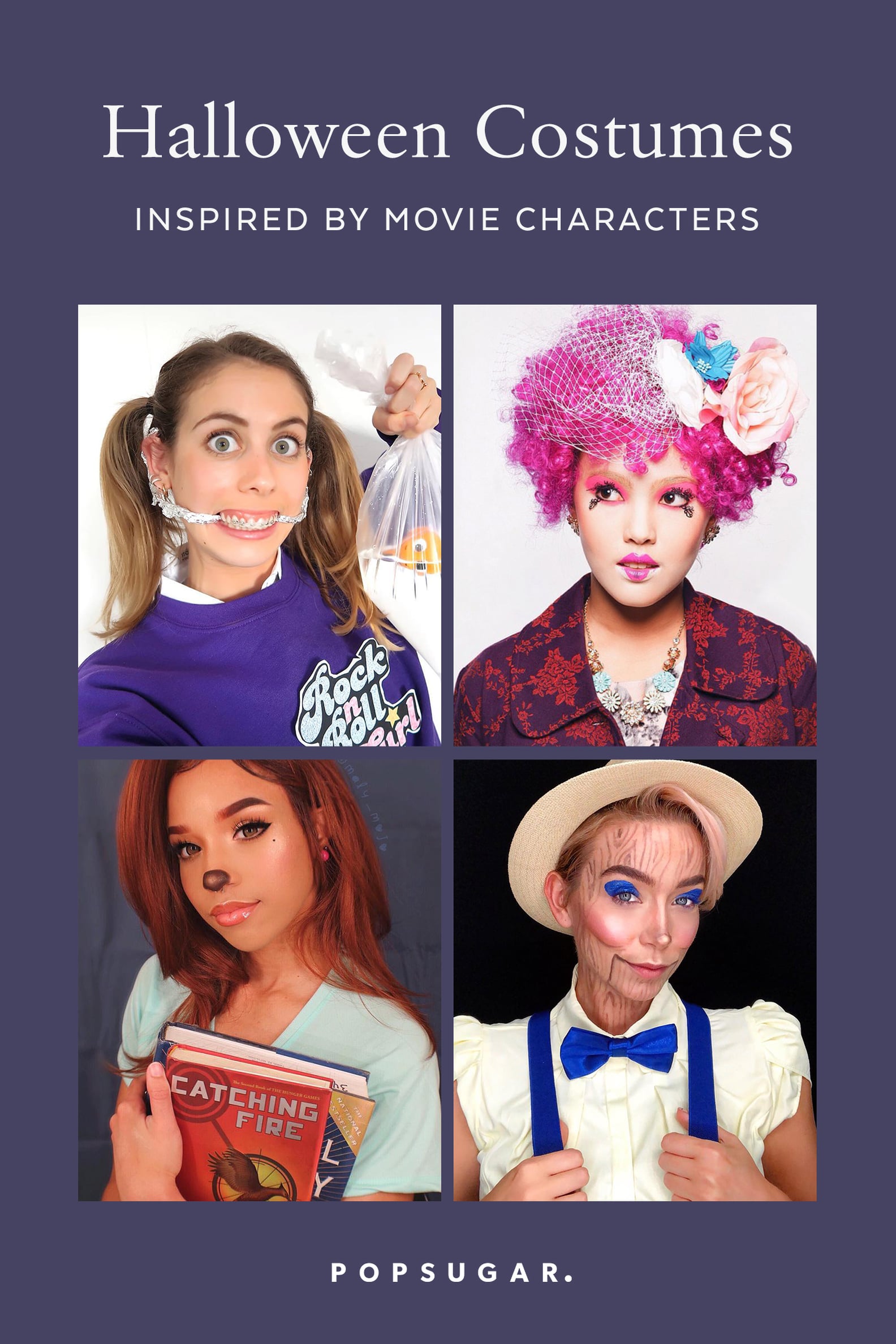
Costumes Inspired by Movies: A Comprehensive Guide to Iconic Character Recreations
Movie-inspired costumes are recreations of garments and accessories worn by cinematic characters, ranging from simple "closet cosplays" to high-end, screen-accurate replicas. Successfully adopting a movie look requires balancing visual...
Movie-inspired costumes are recreations of garments and accessories worn by cinematic characters, ranging from simple "closet cosplays" to high-end, screen-accurate replicas. Successfully adopting a movie look requires balancing visual accuracy with personal comfort and budget, utilizing techniques such as 3D printing, advanced textile sourcing, and meticulous weathering to bring fictional icons to life.
Contents
The influence of cinema on fashion and masquerade is a century-old phenomenon. From the glamour of Old Hollywood to the intricate, tech-heavy designs of modern sci-fi epics, costumes inspired by movies allow fans to embody their favorite protagonists and villains. In 2026, the intersection of digital manufacturing and traditional tailoring has made high-quality costuming more accessible than ever, allowing hobbyists to achieve results that were once reserved for professional film studios.
The Spectrum of Movie-Inspired Costuming
Not all movie costumes are created equal. The approach a wearer takes often depends on the occasion—be it a high-stakes cosplay competition, a themed premiere, or a casual Halloween gathering. Understanding the different levels of costume complexity is the first step in any recreation project.
Licensed Commercial Costumes
These are the ready-to-wear outfits found in specialty retail stores. While they offer the highest level of convenience, they often sacrifice material quality for affordability. In 2026, many manufacturers have improved their "deluxe" lines to include sublimated prints that mimic the textures of screen-used suits, though the fit remains generic.
Closet Cosplay (Bound Style)
This approach involves assembling a costume using "normal" clothing that mirrors the color palette and silhouette of a movie character. It is a subtle way to pay homage to a film without wearing a full disguise. For example, a brown leather jacket, tan khakis, and a fedora can instantly evoke Indiana Jones without requiring a single custom-made piece.
Screen-Accurate Replicas
For the dedicated enthusiast, screen accuracy is the ultimate goal. This involves identifying the exact fabric weaves, button types, and stitch patterns used by the original costume designers. This path often requires significant research into "behind-the-scenes" gallery books or museum exhibitions of film props.
Essential Materials and Technical Construction
Creating a costume that looks like it stepped off the silver screen requires a deep understanding of textiles and fabrication. The "look" of a movie costume is often defined by its texture and weight rather than just its color.
Advanced Textile Selection
- Neoprene and Scuba Fabrics: Frequently used in superhero cinema, these materials provide a structured, muscular look. They are ideal for characters from the Marvel Cinematic Universe or DC films, where suits appear to be high-tech armor rather than mere fabric.
- Natural Fibers for Period Pieces: When recreating looks from historical epics or fantasy films like Dune or The Lord of the Rings, linen, wool, and heavy cotton are essential. Synthetic fibers often have a "sheen" that looks out of place in a pre-industrial setting.
- Worsted Wools and Silk: For the sharp suits of characters like James Bond or the protagonists of Knives Out, high-quality tailoring fabrics are non-negotiable.
Prop Fabrication and 3D Printing
In 2026, 3D printing has become the standard for creating movie props. Whether it is a lightsaber hilt, a Mandalorian helmet, or intricate jewelry from a period drama, FDM (Fused Deposition Modeling) and Resin printing allow for millimetric precision. Once printed, these items require "post-processing"—sanding, priming, and painting—to remove the "layer lines" that reveal their plastic origins.
The Art of Weathering and Aging
One of the most common mistakes in movie-inspired costuming is wearing a garment that looks brand new. In film, costumes are "broken in" by professional agers and dyers to ensure the character looks like they actually live in their world.
Techniques for Realism
To move beyond the "costume shop" look, enthusiasts must apply weathering techniques. This might involve using a rasping tool or sandpaper on the elbows and knees of a flight suit to simulate wear. Acrylic washes—watered-down brown or black paint—can be flicked onto fabric to mimic grease and dirt. For a post-apocalyptic look inspired by Mad Max, costumes may even be buried in the ground or sprayed with "fuller's earth" to achieve an authentic layer of grime.
Comparison of Costuming Approaches for 2026
The following table compares the three primary methods for obtaining movie-inspired costumes, helping you decide which route aligns with your goals.
| Feature | Licensed Retail | DIY Build | Professional Commission |
|---|---|---|---|
| Average Cost | $50 - $150 | $200 - $1,000+ | $800 - $5,000+ |
| Time Investment | Instant | Weeks to Months | Variable (Waiting Lists) |
| Accuracy | Low to Moderate | High (User Dependent) | Very High |
| Durability | Low | Moderate to High | High |
| Best For | Halloween, Parties | Conventions, Competitions | Collectors, Professional Events |
Current Trends in 2026 Movie Costuming
As we progress through 2026, costuming trends are heavily influenced by the major cinematic releases of the past 24 months. The "maximalist" aesthetic of recent sci-fi sequels has led to a surge in demand for integrated electronics. Costumes are no longer just fabric; they often feature LED arrays, motorized faceplates, or soundboards synced to movement.
The influence of "quiet luxury" in cinema has also popularized more understated costumes. Characters with distinctive but wearable wardrobes—such as those found in modern spy thrillers or psychological dramas—allow fans to wear movie-inspired fashion in their daily lives, a trend often referred to as "everyday cosplay."
Legal and Ethical Considerations
When creating or purchasing costumes inspired by movies, it is important to understand the landscape of Intellectual Property (IP).
- Personal Use: Most film studios encourage fan costuming as a form of "free marketing." Creating a costume for a convention or personal social media is generally considered fair use.
- Commercial Sale: Selling "recast" props or exact replicas of copyrighted designs can lead to legal issues. Organizations like the Costume Designers Guild represent the creators behind these looks, and while they embrace fans, they protect the commercial integrity of their designs.
- Community Standards: Within the costuming community, "recasting" (taking a mold of someone else’s sculpted prop and selling it) is highly frowned upon. Always credit the original artist or designer when showcasing your work.
Steps to Creating Your First Movie-Inspired Look
If you are beginning a costume project in 2026, follow this structured workflow to ensure a successful outcome:
- Reference Gathering: Collect high-resolution images of the character from every angle. Look for "exhibition photos" where the costume is displayed on a mannequin without the actor.
- Budgeting and Sourcing: List every component, from the base wig to the soles of the shoes. Determine which items can be bought and which must be made.
- The Mock-up (Toile): If sewing, create a version of the garment using cheap muslin fabric first. This allows you to fix fit issues before cutting into expensive movie-accurate materials.
- Detailing and Trim: Add the small touches—the specific buttons, the unique embroidery, or the specific "greeblies" (small mechanical parts) that make the costume recognizable.
- The Test Wear: Wear the full costume for at least four hours at home. This identifies "hot spots" where the costume might chafe or components that might fall off during an event.
Frequently Asked Questions
Is it cheaper to make or buy a movie costume?
In most cases, buying a mass-produced licensed costume is significantly cheaper. However, making a costume yourself allows you to control the quality and fit. While the raw materials for a DIY build can be expensive, the result is usually more durable and looks more like the actual character on screen.
How do I find the specific fabrics used in a movie?
Many high-end costume designers source from specific mills in Italy or the UK. To find these, join dedicated "Replica Prop Forum" (RPF) communities or look for "identification threads" where experts analyze the weave patterns seen in 4K movie stills. Some companies even specialize in recreating movie fabrics for the public.
Can I wear movie-inspired costumes to the cinema?
Most cinemas allow costumes, but they have strict safety policies regarding masks and props. In 2026, almost all major chains prohibit "realistic" weapon replicas and full-face masks that cannot be easily removed for security checks. Always check the specific theater's policy before arriving in full gear.
What is the best way to transport a complex costume?
For armored costumes or large gowns, use heavy-duty plastic bins or "rolling trunks." Items like helmets should be kept in padded bags. If you are flying to an event, consider "wearable" parts as carry-on items to prevent damage from checked luggage handling.
How do I maintain and clean my movie costume?
Many movie-inspired costumes cannot be machine-washed due to mixed materials (like foam, electronics, or delicate silks). Use "vodka sprays" (a mix of cheap vodka and water) to kill bacteria on the interior of the garment, and perform spot cleaning on the exterior. Always check if the fabrics are dry-clean only.
Practical Recommendation
For those looking to start their journey into movie-inspired costuming, the best next action is to choose a "Character Study." Instead of attempting a complex suit of armor for your first project, select a character with a recognizable but manageable wardrobe. Focus on perfecting one technical skill—such as leatherworking or wig styling—and build your expertise from there. Joining a community of builders can provide invaluable feedback and sourcing tips that you cannot find in a general retail environment.
Image Gallery