The Susan Smith Story: A Definitive Timeline of the 1994 Case and Its 2026 Legacy
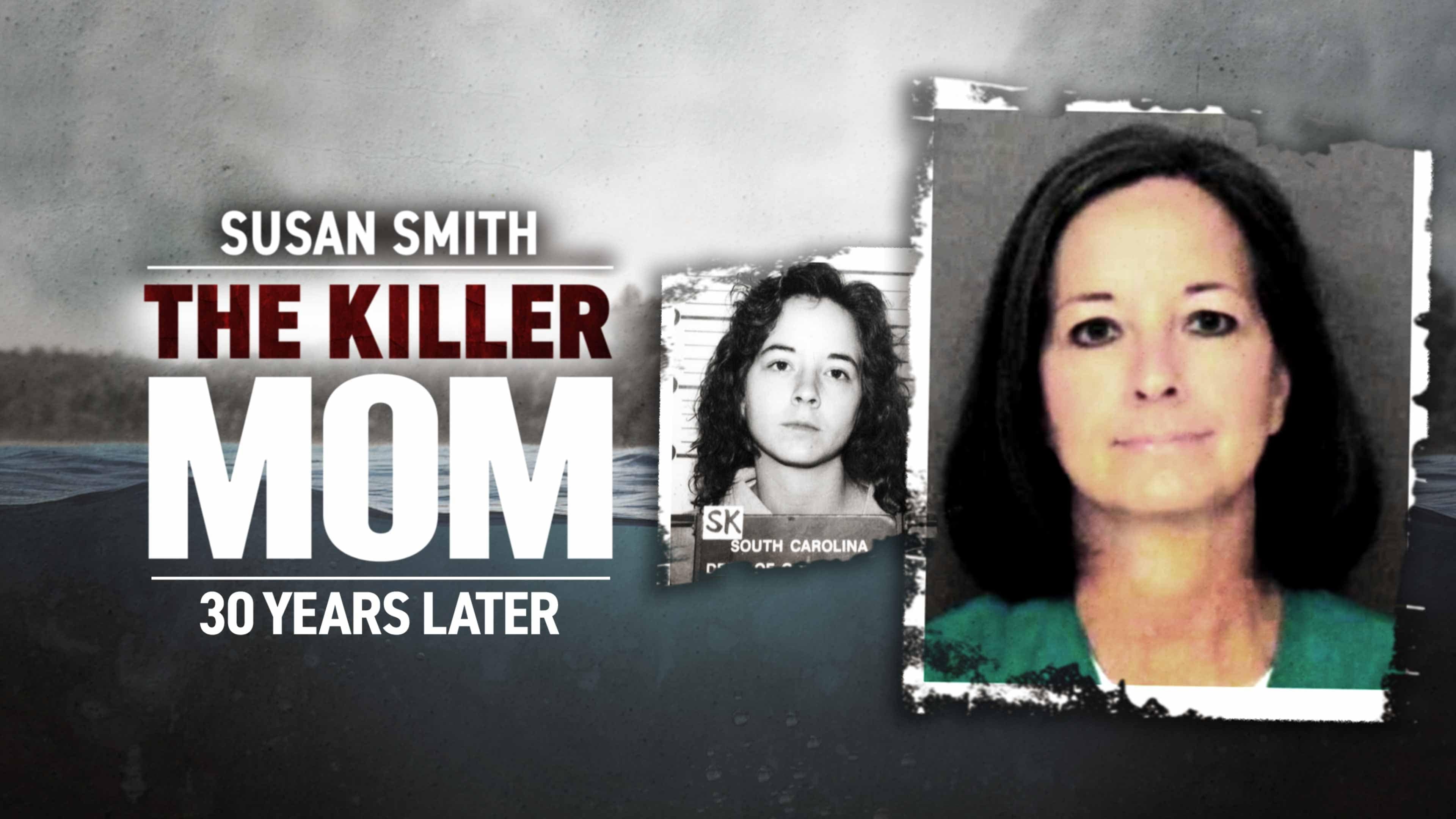
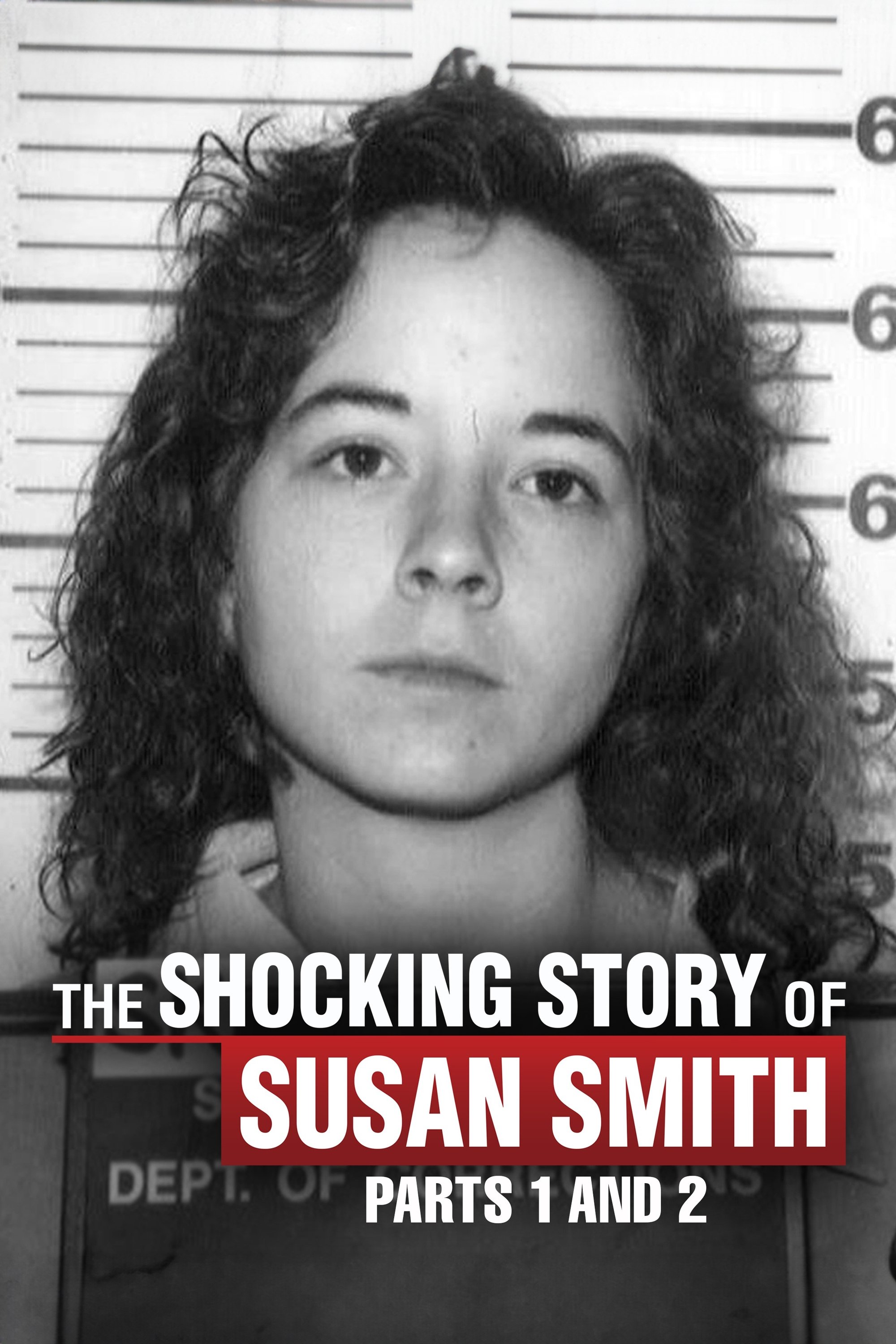
The Susan Smith story involves the 1994 murder of her two sons, Michael and Alexander, in Union, South Carolina. After claiming a carjacker took them, Smith later confessed to drowning the children by rolling her car into a lake. As of...
The Susan Smith story involves the 1994 murder of her two sons, Michael and Alexander, in Union, South Carolina. After claiming a carjacker took them, Smith later confessed to drowning the children by rolling her car into a lake. As of 2026, she remains incarcerated following her first denied parole hearing in late 2024.
Contents
The Nine-Day Hoax: A National Deception
The case began on the night of October 25, 1994, at a stoplight in Union, South Carolina. Susan Smith, then 23 years old, told police that a Black man had approached her 1990 Mazda Protege, forced her out at gunpoint, and sped away with her two sons—three-year-old Michael and 14-month-old Alexander—still strapped into their car seats.
For nine days, the American public was captivated by the image of a distraught mother pleading on national television for the safe return of her children. The story sparked a massive manhunt and stoked racial tensions, as the composite sketch of the "carjacker" led to the questioning of numerous innocent Black men in the region. Smith and her estranged husband, David Smith, appeared on programs like The Today Show, presenting a united front of grief that many viewers found deeply moving.
However, investigators noticed inconsistencies early on. The intersection where Smith claimed the carjacking occurred was a quiet rural spot where a car could sit through multiple light cycles without seeing another soul—making it an unlikely place for a random carjacker to lie in wait. Furthermore, Smith’s emotional displays often seemed "switched on" for the cameras but vanished when investigators were speaking with her privately.
The Investigation and the Confession
The FBI and the South Carolina Law Enforcement Division (SLED) intensified their focus on Susan Smith after she failed two polygraph tests. Sheriff Howard Wells, who led the investigation, adopted a compassionate interrogation technique, gradually building rapport with Smith rather than using aggressive confrontation.
On November 3, 1994, the facade collapsed. Under questioning, Smith admitted that there was no carjacker. She confessed that she had driven to the boat ramp at John D. Long Lake, shifted the car into neutral, and stepped out as the vehicle rolled into the water with her sons inside.
Divers recovered the Mazda Protege in about 18 feet of water. The windows were up, and the boys were found still buckled into their seats. The recovery was a traumatic event for the first responders, many of whom required long-term psychological counseling after witnessing the scene. The confession transformed Smith from a sympathetic victim into one of the most hated figures in the United States, sparking a debate about "Medea-like" crimes—mothers who kill their own children.
Motives: The "Dear John" Letter and Psychological Factors
The primary motive for the murders was rooted in a failed romantic relationship. Smith had been involved with Tom Findlay, the son of the owner of the company where she worked. Shortly before the murders, Findlay had ended the relationship in a letter, stating that he was not ready for the responsibilities of a family and specifically mentioning that he did not want children.
Psychological evaluations during the pre-trial phase revealed a history of trauma and instability. Smith’s father had committed suicide when she was six years old. She later reported being sexually molested by her stepfather, Beverly Russell, a prominent member of the local community and a local Christian organization leader.
Experts argued that Smith suffered from a combination of:
- Dependent Personality Disorder: An overwhelming need to be taken care of, leading to submissive and clinging behavior.
- Major Depressive Disorder: A history of suicide attempts, including one just days before the murders.
- Adjustment Disorder: An inability to cope with the stress of her impending divorce and the rejection from Findlay.
The prosecution argued that the murders were a calculated attempt to clear the "obstacles" (her children) between her and the lifestyle she desired with Findlay. The defense, led by David Bruck, argued that she was a broken woman who intended to commit suicide with her children but lost her nerve at the last second.
The 1995 Trial and Legal Outcome
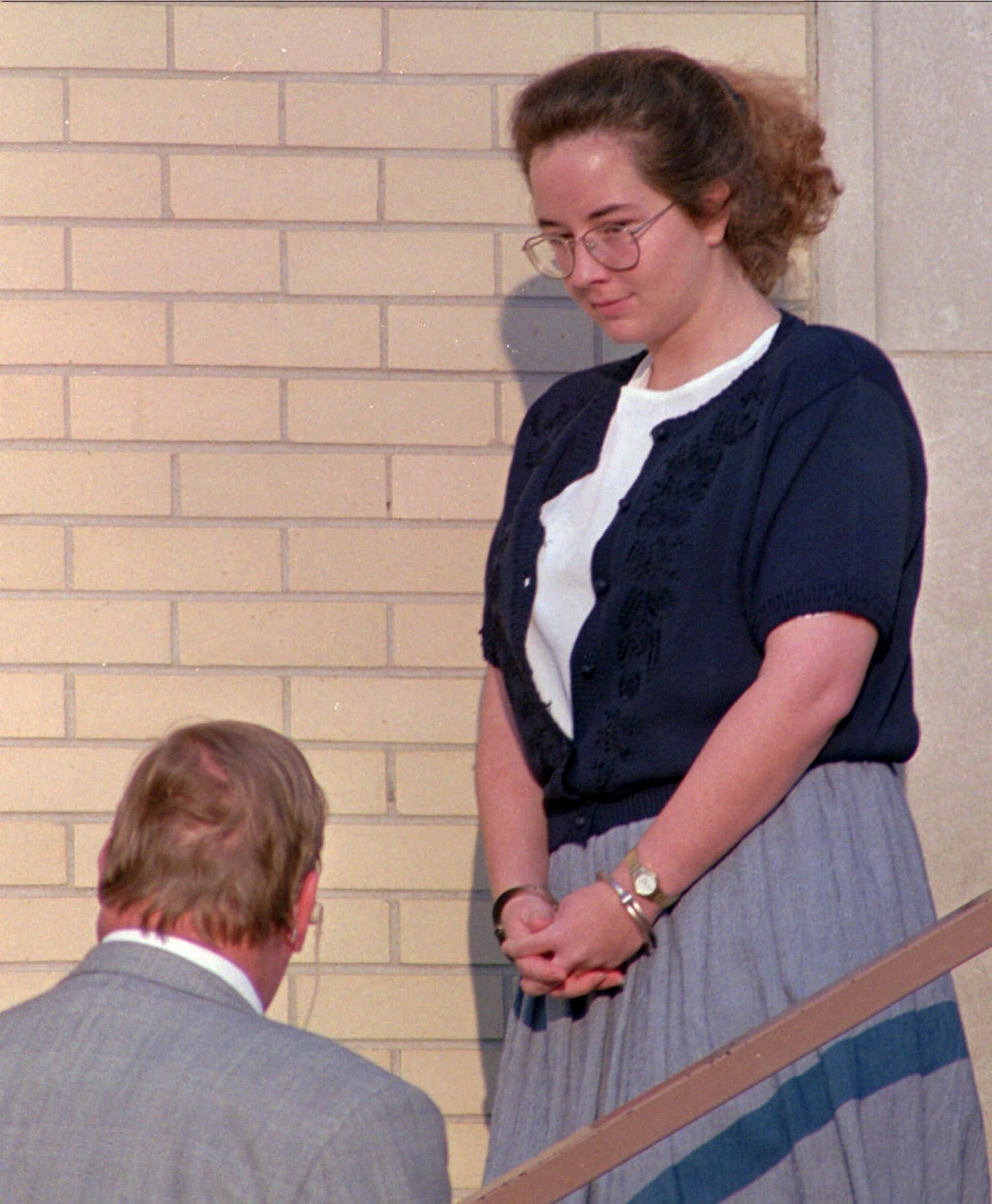
The trial of Susan Smith began in July 1995 in Union County. The lead prosecutor, Tommy Pope, sought the death penalty, arguing that the crime was particularly "vile, horrible, or inhuman." The defense focused heavily on Smith’s mental health and the history of sexual abuse she suffered at the hands of her stepfather, which they argued had "warped" her development.
The jury ultimately rejected the death penalty. Factors influencing this decision included the evidence of her childhood trauma and the fact that South Carolina law at the time did not offer life without parole as a standard alternative; the jury was told that "life" meant a minimum of 30 years before parole eligibility.
Key Milestones in the Susan Smith Case
| Date | Event | Significance |
|---|---|---|
| Oct 25, 1994 | Alleged Carjacking | Smith reports children kidnapped by a Black male suspect. |
| Nov 3, 1994 | The Confession | Smith admits to rolling the car into John D. Long Lake. |
| July 1995 | Criminal Trial | Smith is convicted of two counts of murder. |
| Aug 1995 | Sentencing | Sentenced to life in prison; eligible for parole after 30 years. |
| Nov 4, 2024 | First Parole Hearing | Parole Board unanimously denies her release. |
| 2026 | Current Status | Incarcerated at Leath Correctional Institution. |
Incarceration and Behavioral Record
Since her conviction, Susan Smith has been housed at the Leath Correctional Institution in Greenwood, South Carolina. Her decades in prison have been marked by significant disciplinary issues that have complicated her legal standing.
Official records from the South Carolina Department of Corrections (SCDC) indicate that Smith has faced multiple disciplinary sanctions, including:
- Sexual Misconduct: In the early 2000s, two correctional officers were fired and prosecuted for having sexual relations with Smith.
- Drug Use: She has been cited for the possession and use of narcotics and marijuana while behind bars, most recently in the years leading up to her 2024 parole eligibility.
- Communication Violations: Smith has occasionally been sanctioned for communicating with members of the media or individuals writing books about her case without following proper SCDC protocols.
These infractions played a significant role in the South Carolina Department of Probation, Parole and Pardon Services' assessment of her "rehabilitation" status.
The 2024 Parole Hearing and Current 2026 Status
Under South Carolina law, Smith became eligible for her first parole hearing on November 4, 2024, exactly 30 years after her arrest. The hearing was one of the most highly publicized parole events in recent history.
The parole board heard testimony from several parties:
- David Smith: The father of Michael and Alex testified against her release, stating that the "life sentence" given by the jury should mean she stays in prison for the duration of her natural life.
- Tommy Pope: The original prosecutor, now a state legislator, argued that the nature of the crime was too heinous for early release.
- SCDC Representatives: Provided evidence of her disciplinary record, suggesting she remained a "risk to the institutional order."
The board unanimously denied her parole in 2024. In South Carolina, once parole is denied for a violent offense, the inmate must typically wait two years for a subsequent hearing. As we reside in 2026, Susan Smith is approaching her second opportunity for a parole review. However, legal analysts and the victims' family remain steadfast that her release is unlikely given the gravity of the original offense and her inconsistent behavior while incarcerated.
Frequently Asked Questions
Why did Susan Smith blame a Black man for the carjacking?
Smith used a common racial trope to make her story more "believable" to the authorities at the time. By describing a generic "Black man in a knit cap," she tapped into existing societal prejudices to divert suspicion away from herself. This aspect of the case caused significant pain and anger within the African American community in Union and across the nation.
Was anyone else ever charged in the deaths of Michael and Alex?
No. Investigations confirmed that Susan Smith acted alone. While her stepfather, Beverly Russell, faced intense public scrutiny for the abuse he inflicted upon her, he was never legally charged in connection with the murders of the children. Tom Findlay was also cleared of any involvement, though his "Dear John" letter was cited as a primary catalyst for Smith's mental break.
What is Susan Smith's current daily life like in 2026?
Smith is held in a medium-security environment at Leath Correctional Institution. She participates in standard prison labor and has access to educational and religious programs. Her movements are restricted, and she remains under high supervision due to her notoriety and past disciplinary record involving staff members.
Does she still have contact with her family?
Smith maintains limited contact with certain family members, though many relationships were permanently severed following her confession. Her ex-husband, David Smith, has had no contact with her for decades and has spent the intervening years advocating for victims' rights and the memory of his sons.
When will her next parole hearing occur?
Following her 2024 denial, her next hearing is scheduled for late 2026. The parole board will again review her psychological evaluations, prison behavior, and statements from the victims' family before making a determination.
Summary of Actionable Information
For those researching the legal or psychological aspects of the Susan Smith case, the following resources are recommended:
- South Carolina Department of Corrections (SCDC): For official incarceration records and disciplinary history.
- Union County Clerk of Court: For historical trial transcripts and sentencing documents from 1995.
- National Center for Victims of Crime: For resources on how this case influenced legislation regarding child protection and victims' rights in the 1990s.
The Susan Smith story serves as a tragic case study in the intersection of mental health, domestic desperation, and the American legal system. As of 2026, the state of South Carolina continues to uphold her life sentence, reflecting a societal consensus on the severity of her actions.
Image Gallery