Essential Financial Factors to Understand Before You Explore Loans in 2026
Before you explore loans, you must evaluate your credit score, calculate your debt-to-income ratio, and understand the difference between interest rates and the Annual Percentage Rate (APR). Identifying the specific purpose of the loan...
Before you explore loans, you must evaluate your credit score, calculate your debt-to-income ratio, and understand the difference between interest rates and the Annual Percentage Rate (APR). Identifying the specific purpose of the loan and comparing lender types will ensure you select a financial product that aligns with your long-term stability.
Contents
Entering the credit market requires more than just a need for capital; it demands a comprehensive understanding of your own financial landscape and the mechanisms of modern lending. In 2026, the lending environment is characterized by highly personalized, AI-driven underwriting processes that analyze more than just a traditional credit score. To secure the most favorable terms, a borrower must be prepared to demonstrate fiscal responsibility across several metrics. This guide outlines the critical elements you should master before submitting a single application.
Assessing Your Financial Health and Creditworthiness
Your financial health is the primary lens through which lenders view your application. Before exploring specific loan products, you must perform a rigorous self-audit. This involves looking at your credit history, current income stability, and existing debt obligations.
The Role of Credit Scores in 2026
While traditional FICO scores remain a cornerstone of lending, 2026 has seen a broader adoption of VantageScore 4.0 and "UltraFICO," which incorporate banking data and utility payment histories. Your credit score serves as a shorthand for your risk level. A score above 740 generally qualifies you for the lowest interest rates, while scores below 620 may relegate you to subprime products with significantly higher costs.
You should obtain a copy of your credit report from the three major bureaus—Equifax, Experian, and TransUnion—at least three months before applying for a loan. This window allows you to dispute inaccuracies, such as late payments you actually made on time or accounts you didn't open. Inaccurate data on a credit report can cost you thousands of dollars in excess interest over the life of a loan.
Calculating Your Debt-to-Income (DTI) Ratio
Lenders use the Debt-to-Income (DTI) ratio to determine if you can afford to take on additional monthly payments. This is calculated by dividing your total monthly debt obligations (rent/mortgage, credit card minimums, student loans, etc.) by your gross monthly income.
As a general rule, most lenders prefer a DTI ratio below 36%, although some mortgage products allow for higher ratios if the borrower has significant cash reserves. If your DTI is currently above 43%, you may find it difficult to qualify for unsecured personal loans without a co-signer. Lowering your DTI by paying down high-interest credit card balances before applying for a new loan can dramatically improve your approval odds.
Understanding the True Cost of Borrowing
The "sticker price" of a loan—the interest rate—is rarely the final amount you will pay. To truly compare loan offers, you must understand how costs are structured and how they compound over time.
Interest Rates vs. Annual Percentage Rate (APR)
One of the most common mistakes borrowers make is confusing the interest rate with the Annual Percentage Rate (APR). The interest rate is the percentage of the principal charged by the lender for the use of its money. The APR, however, is a more comprehensive figure that includes the interest rate plus other fees, such as origination fees, mortgage insurance, and closing costs.
According to the Consumer Financial Protection Bureau (CFPB), the APR provides a more accurate basis for comparing loans from different lenders. For example, a loan with a 7% interest rate and a $500 origination fee might actually be more expensive than a loan with a 7.5% interest rate and no fees. Always use the APR as your primary comparison metric.
Fee Structures and Hidden Costs
Beyond the APR, you must investigate the "fine print" for specific fees that can erode the value of the loan or penalize you for certain behaviors:
- Origination Fees: These are upfront charges for processing the loan, typically ranging from 1% to 8% of the total loan amount. These are often deducted from the loan proceeds, meaning if you borrow $10,000 with a 5% fee, you will only receive $9,500 in your bank account.
- Prepayment Penalties: Some lenders charge a fee if you pay off the loan early. This is common in the auto and mortgage industries but rarer in personal lending. If you plan to settle your debt ahead of schedule, ensure your loan agreement does not contain this clause.
- Late Payment Fees: Understand the grace period and the cost of a missed payment. In addition to a flat fee, late payments can trigger a "penalty APR," which significantly increases your interest rate for future billing cycles.
Navigating Different Loan Structures
Loans are not "one size fits all." The structure of the debt determines your monthly cash flow requirements and your overall risk exposure.
Unsecured vs. Secured Loans
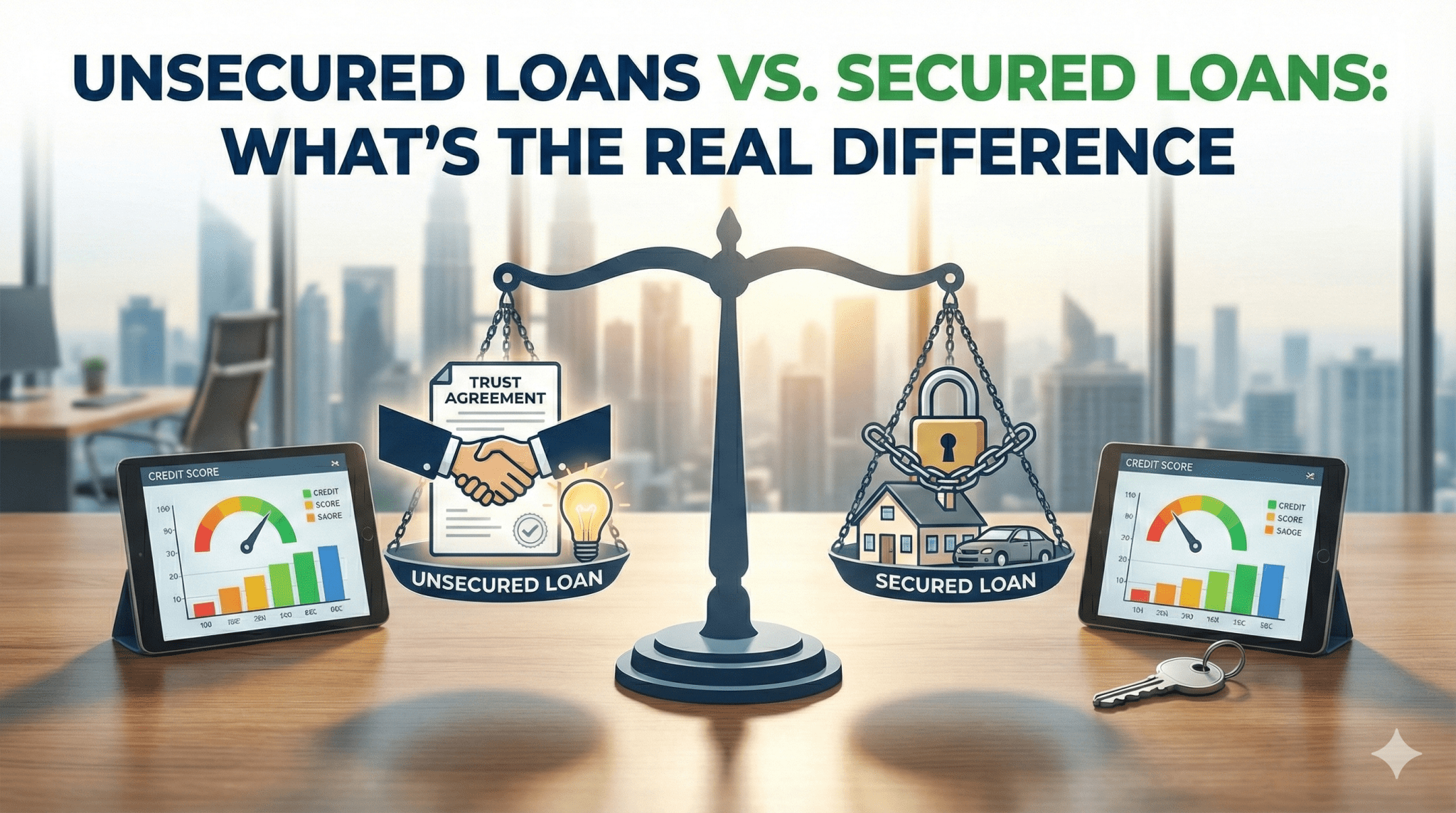
A secured loan requires collateral, such as a home, car, or savings account. If you default, the lender has the legal right to seize the asset to recoup their losses. Because the lender's risk is lower, secured loans typically offer lower interest rates.
An unsecured loan, such as a standard personal loan or a credit card, does not require collateral. Approval is based entirely on your creditworthiness. While your assets aren't directly at risk of immediate seizure, defaulting on an unsecured loan will severely damage your credit score and can lead to lawsuits or wage garnishment.
Fixed-Rate vs. Variable-Rate Financing
- Fixed-Rate Loans: The interest rate remains the same throughout the entire term of the loan. This provides predictable monthly payments, making it easier to budget for the long term.
- Variable-Rate (Adjustable) Loans: The interest rate is tied to an index, such as the Prime Rate, and can fluctuate over time. While these often start with a lower "teaser" rate, they carry the risk of significant increases if market interest rates rise. In the economic climate of 2026, variable rates are generally only recommended for short-term borrowing where the loan can be repaid before a potential rate hike.
Comparison of Common Loan Types in 2026
The following table summarizes the key characteristics of the most common loan types available to consumers and small businesses.
| Loan Type | Typical Collateral | Average Term Length | Primary Use Case | Key Advantage |
|---|---|---|---|---|
| Personal Loan | None (Unsecured) | 2 – 7 Years | Debt consolidation, home repair | Fixed payments, quick funding |
| Mortgage | Real Estate | 15 – 30 Years | Purchasing a home | Lowest relative interest rates |
| Auto Loan | Vehicle | 3 – 7 Years | Vehicle purchase | Easier to qualify for than personal loans |
| Home Equity Line (HELOC) | Home Equity | 10 – 20 Years | Major renovations, emergency fund | Flexible borrowing and repayment |
| Small Business Loan | Business Assets | 1 – 10 Years | Operations, expansion | Potential tax-deductible interest |
The Application Process: Documentation and Requirements
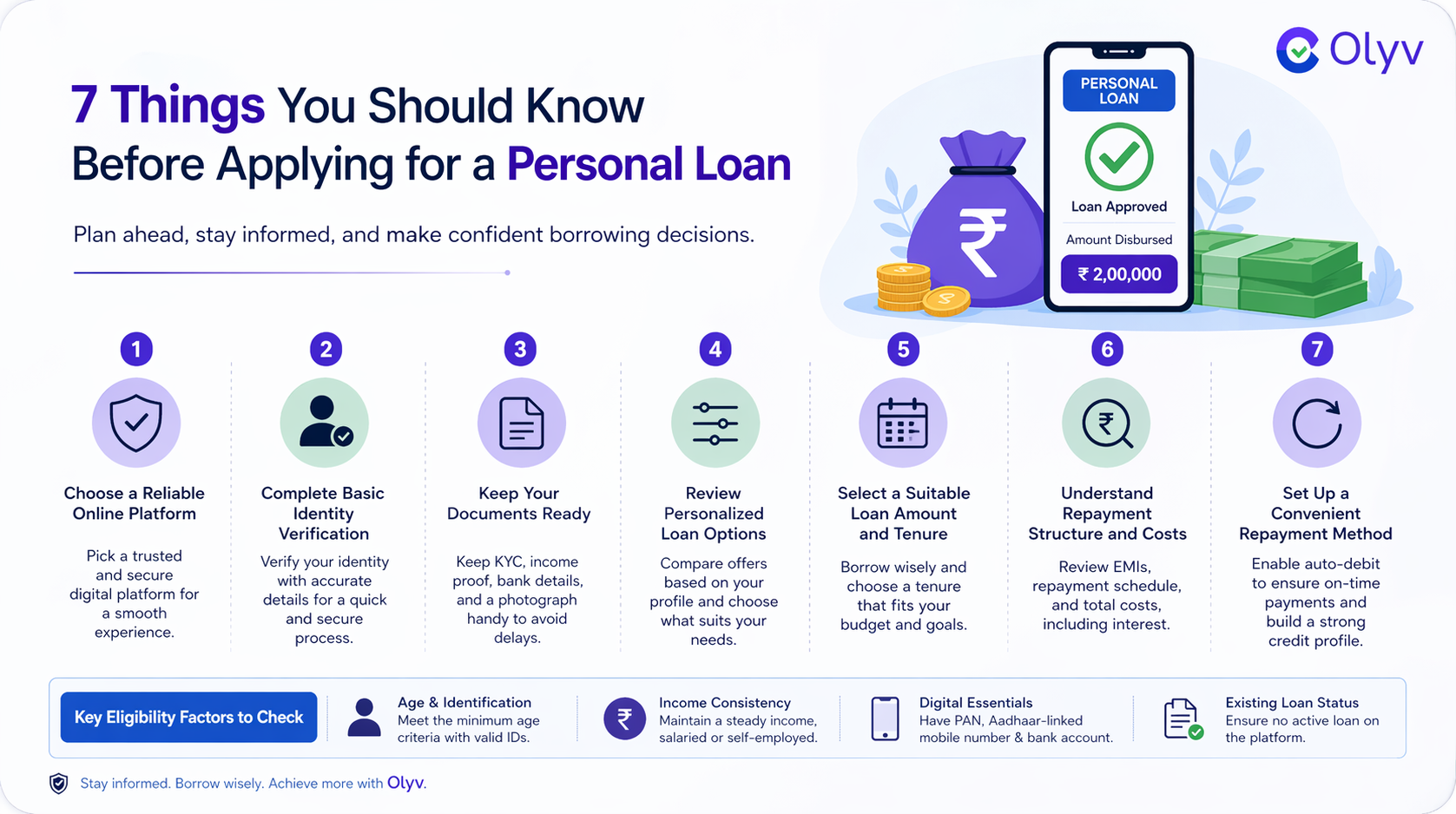
Once you have identified the right loan type, you must gather the documentation required to prove your claims of financial stability. In 2026, many lenders use digital verification systems to pull this data directly from your financial institutions, but having manual copies is still essential for verification and troubleshooting.
- Proof of Identity: A valid government-issued ID (Driver’s License or Passport) and Social Security Number.
- Income Verification: Your two most recent pay stubs, W-2 forms from the last two years, or, if self-employed, at least two years of federal tax returns.
- Bank Statements: Usually three months of statements for all checking and savings accounts to show cash reserves and spending patterns.
- Employment History: Contact information for your current employer to verify your job status and length of tenure.
- Purpose Statement: For certain business or personal loans, you may need to provide a brief explanation of how the funds will be used.
Common Pitfalls and How to Avoid Them
Even with a high credit score, borrowers can fall into traps that lead to financial instability. Avoiding these mistakes is as important as finding a low rate.
Ignoring the Impact on Future Borrowing: Taking out a loan now increases your DTI ratio, which might prevent you from qualifying for a more important loan later, such as a mortgage. Always consider your "opportunity cost."
Focusing Only on Monthly Payments: Lenders often try to make a loan look affordable by extending the term (e.g., an 84-month auto loan). While the monthly payment is lower, the total interest paid over seven years will be significantly higher than a 48-month loan. Always look at the total cost of the loan over its full lifespan.
Borrowing More Than Necessary: It is tempting to take the maximum amount a lender offers. However, you pay interest on every dollar borrowed. Borrow only what is required to achieve your specific goal to minimize interest expenses and keep your debt levels manageable.
Frequently Asked Questions
How does a soft credit inquiry differ from a hard inquiry?
A soft inquiry occurs when you or a lender checks your credit for pre-approval or background purposes; it does not affect your credit score. A hard inquiry happens when you officially apply for a loan and the lender reviews your report to make a lending decision. Hard inquiries typically lower your score by a few points and remain on your report for two years.
Can I get a loan with a "fair" credit score (640-699)?
Yes, but you will likely face higher interest rates and more stringent income verification. In 2026, many FinTech lenders specialize in "near-prime" borrowers, using alternative data to approve those who may have been rejected by traditional banks. However, expect the APR to be significantly higher than what is offered to "excellent" credit tiers.
What is a co-signer, and should I use one?
A co-signer is someone with stronger credit or income who agrees to take responsibility for the loan if you default. Using a co-signer can help you qualify for better rates, but it places the co-signer’s credit and finances at risk. It is a serious legal commitment that should only be entered into with a clear understanding of the risks to both parties.
How long does the loan approval process take in 2026?
For unsecured personal loans, approval can be instantaneous, with funds deposited into your account within 24 to 48 hours. Mortgages and complex business loans still take longer, typically 21 to 45 days, due to the requirement for appraisals and more extensive manual underwriting.
Is it better to borrow from a bank or a credit union?
Credit unions are member-owned non-profits and often offer lower interest rates and more personalized service than large commercial banks. However, large banks and online FinTech lenders often provide superior digital platforms and faster funding speeds. Your choice should depend on whether you prioritize the lowest possible rate or the most convenient user experience.
Final Recommendation: Verification Before Commitment
Before you explore loans and sign any legally binding documents, use an online amortization calculator to see exactly how much of each payment goes toward interest versus principal. Verify the lender’s reputation through the Better Business Bureau or the CFPB’s complaint database to ensure they do not have a history of predatory practices. Taking an extra 48 hours to cross-reference offers and verify terms can save you from years of avoidable financial stress.
Image Gallery