Average Auto Insurance Cost in California by Age: 2026 Comprehensive Guide
In 2026, the average cost of auto insurance in California is approximately $2,640 per year for a full coverage policy. However, age remains a critical secondary rating factor; sixteen-year-old drivers can expect premiums exceeding $7,2...
In 2026, the average cost of auto insurance in California is approximately $2,640 per year for a full coverage policy. However, age remains a critical secondary rating factor; sixteen-year-old drivers can expect premiums exceeding $7,200 annually, while experienced drivers in their 50s often see rates drop to near $2,150.
Contents
Car insurance in California is governed by unique consumer protection laws that significantly alter how premiums are calculated compared to the rest of the United States. While age is a standard metric for risk assessment across the country, California’s Proposition 103 mandates that insurance companies prioritize driving record, miles driven, and years of experience over other demographic data. Despite these protections, younger and older drivers face distinct pricing structures due to statistical risk profiles and actuarial data updated for the 2026 fiscal year.
The Impact of Age on California Insurance Premiums
Actuaries use age as a proxy for experience and risk tolerance. Statistically, younger drivers are more likely to engage in risky behaviors, such as speeding or distracted driving, and they lack the split-second decision-making skills that come with years behind the wheel. Conversely, as drivers reach their senior years, changes in reaction time and vision can lead to a secondary spike in insurance costs.
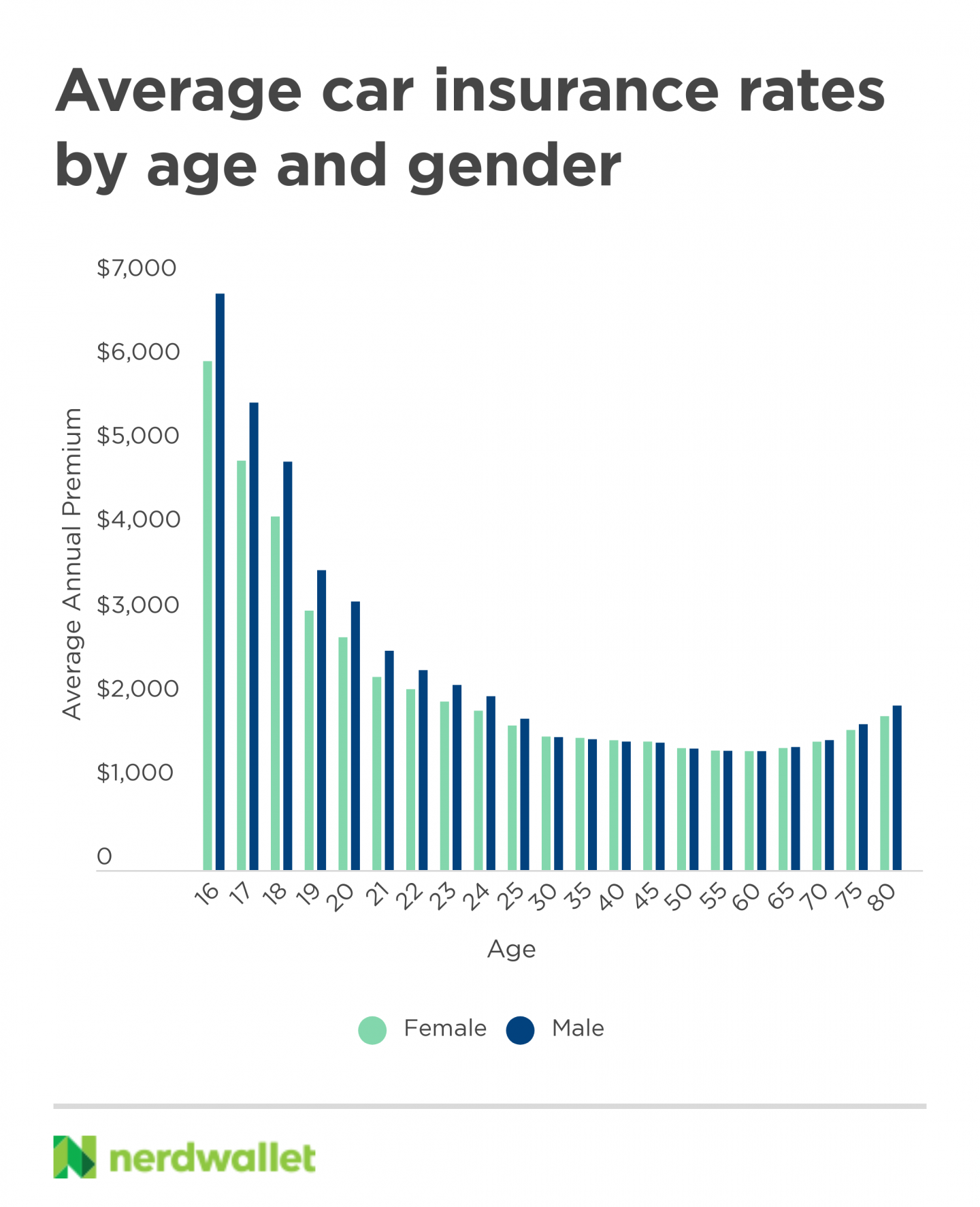
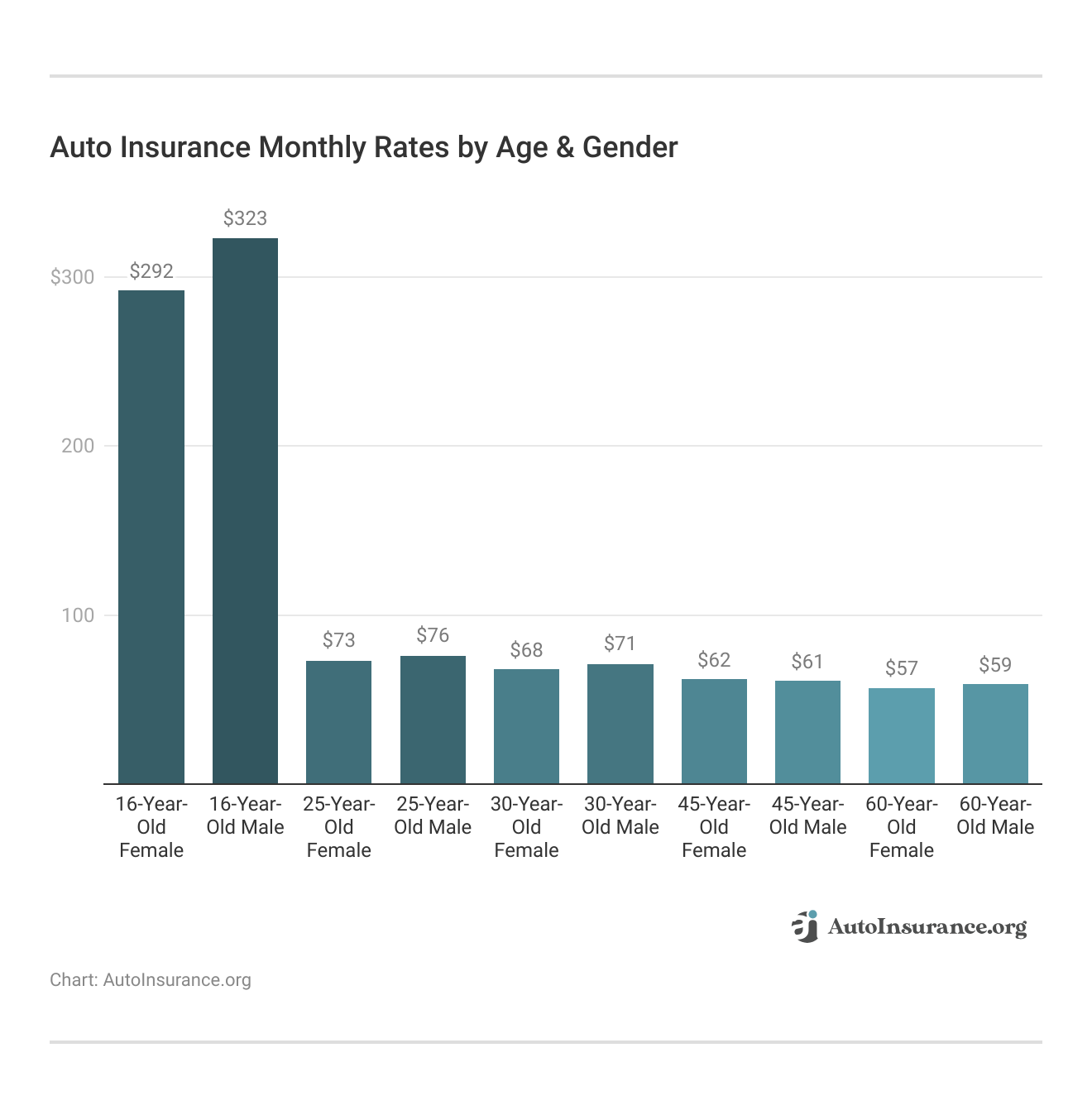
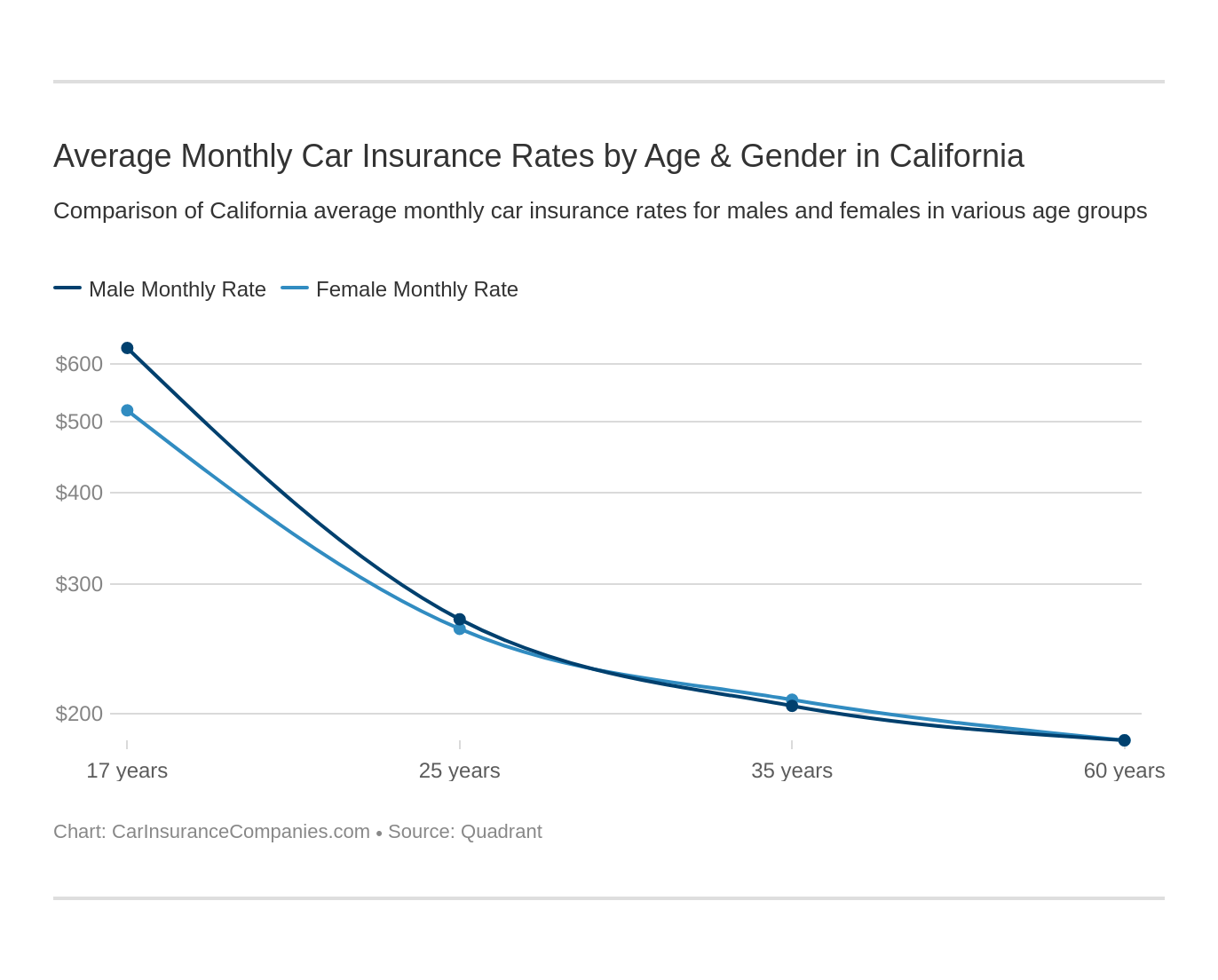
In California, the relationship between age and cost is somewhat tempered by state law. Unlike many states, California prohibits the use of credit scores to determine insurance rates, and since 2019, it has also prohibited gender-based rating. This means that an 18-year-old male and an 18-year-old female with identical driving records and vehicles should, in theory, receive the same quote. Consequently, age and years of driving experience become even more influential in the absence of credit and gender data.
Proposition 103 and the "Big Three" Factors
To understand age-based costs, one must understand how California law ranks rating factors. The California Department of Insurance (CDI) requires insurers to weight three primary factors most heavily:
- Driving Safety Record: Any at-fault accidents or moving violations.
- Annual Mileage: The number of miles the vehicle is driven per year.
- Years of Driving Experience: This is closely tied to age but is legally distinct. A 30-year-old who just got their license may pay more than a 25-year-old who has been driving since age 16.
Age is considered a "permissible secondary factor." This means that while it influences the rate, it cannot outweigh the "Big Three."
Average Annual Premiums by Age Group in California (2026)
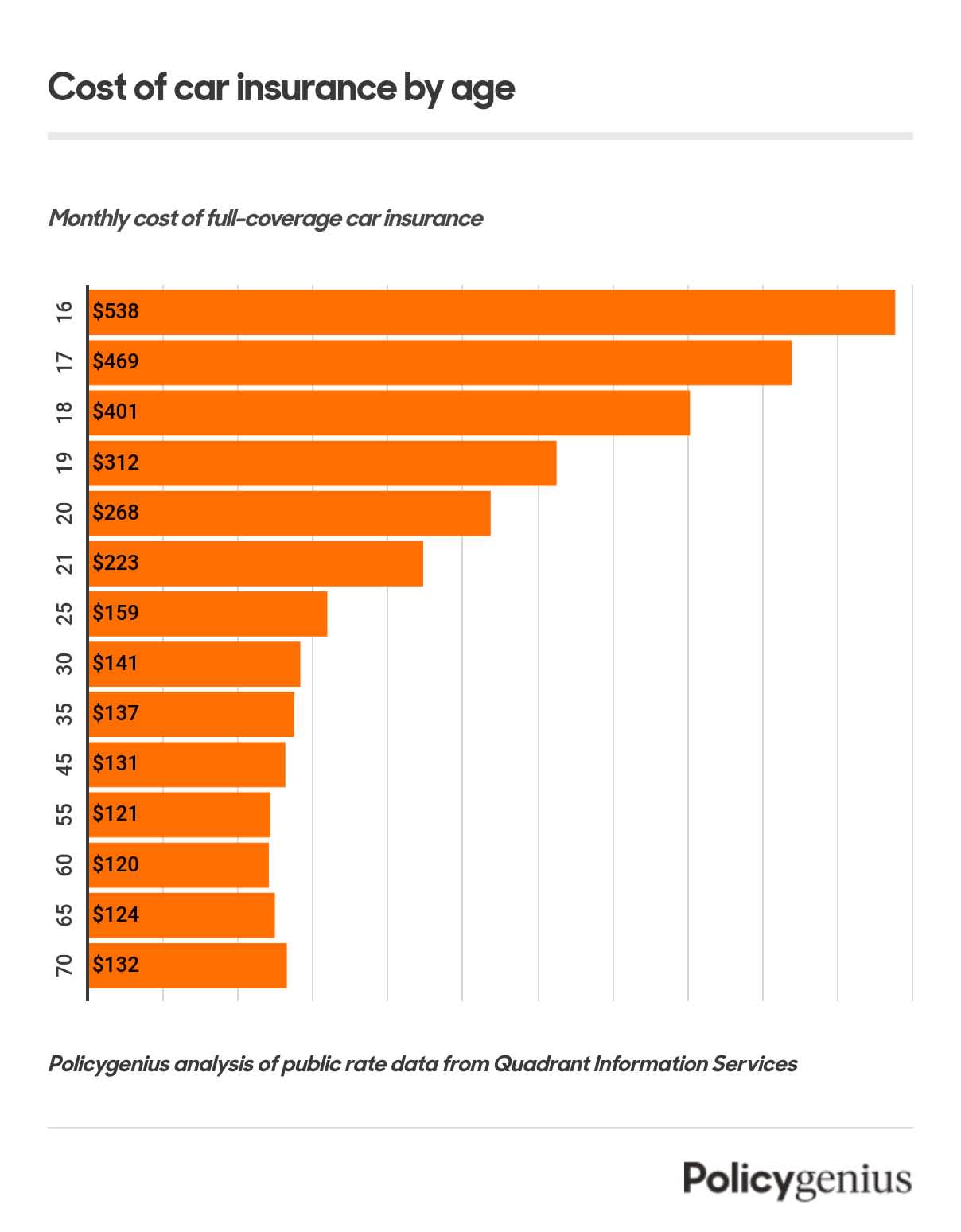
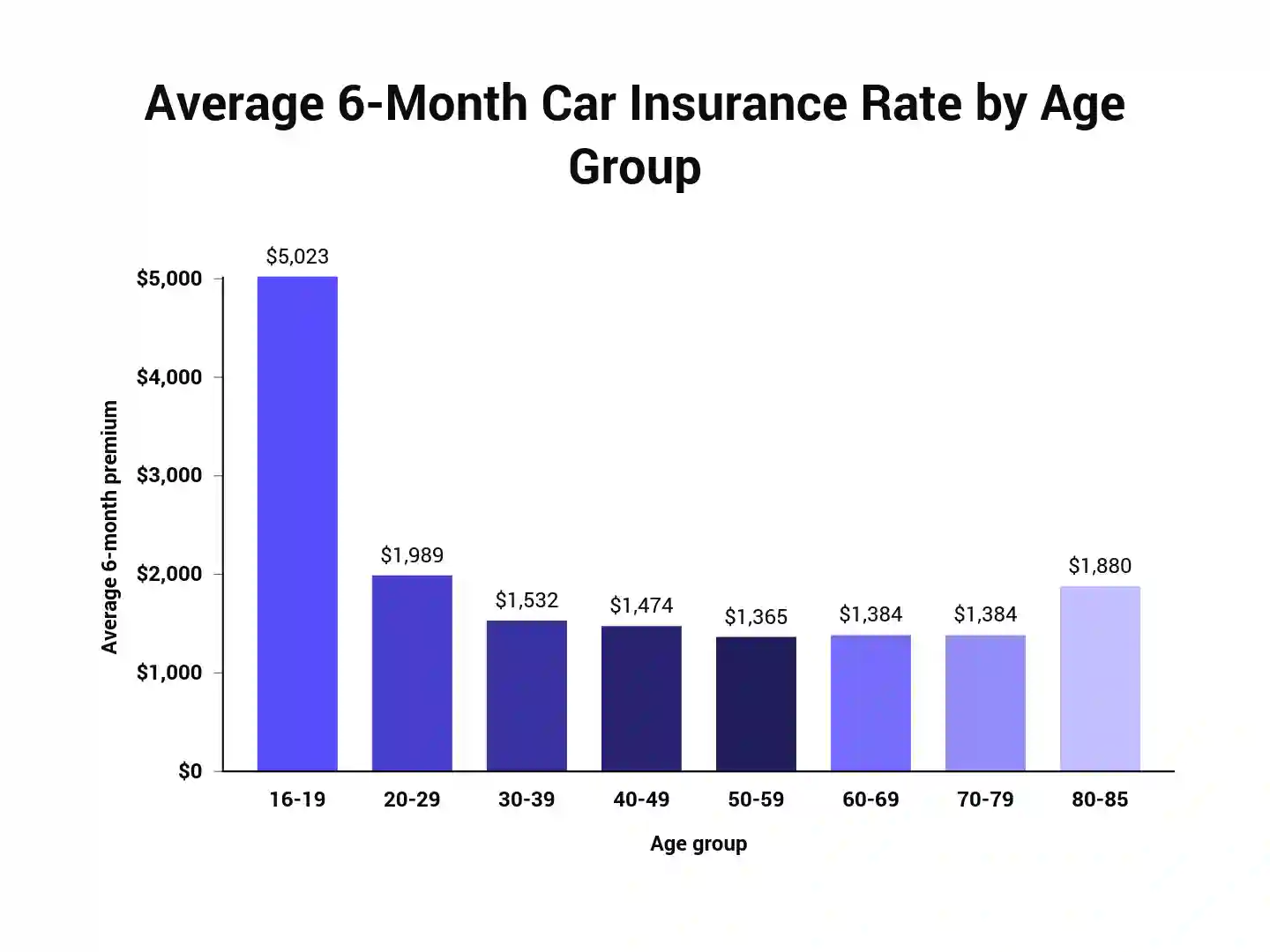
The following table outlines the estimated average annual premiums for full coverage insurance (100/300/50 liability plus collision and comprehensive) across different age brackets in California for the 2026 calendar year.
| Age Group | Average Annual Premium (Full Coverage) | Average Monthly Cost |
|---|---|---|
| 16 Years Old | $7,245 | $604 |
| 18 Years Old | $5,820 | $485 |
| 21 Years Old | $3,950 | $329 |
| 25 Years Old | $2,780 | $232 |
| 35 Years Old | $2,240 | $187 |
| 45 Years Old | $2,180 | $182 |
| 55 Years Old | $2,120 | $177 |
| 65 Years Old | $2,310 | $193 |
| 75+ Years Old | $2,650 | $221 |
Note: These figures represent statewide averages. Actual quotes vary based on the specific city, vehicle type, and individual driving history.
Breaking Down Costs by Specific Age Groups
Teen Drivers (16–19)
Teenagers are the most expensive demographic to insure in California. The lack of "Years of Driving Experience" is the primary culprit. For a 16-year-old, the insurance company has zero historical data to prove the driver is safe. Furthermore, the 2026 National Highway Traffic Safety Administration (NHTSA) data continues to show that drivers aged 16-19 have the highest crash rate per mile driven.
To mitigate these astronomical costs, California parents often add teens to their own policies rather than purchasing a standalone policy. This can reduce the teen's effective rate by 30% to 50%, although it will significantly raise the parents' total premium.
Young Adults (20–24)
At age 20 and 21, rates begin to decline as the driver moves out of the "high-risk teen" category. By this point, a driver who started at 16 has five years of experience, which qualifies them for better rating tiers under Proposition 103. However, premiums remain well above the state average until the driver reaches 25. The 2026 market has seen a slight increase in rates for this group due to the rising costs of vehicle repairs and medical inflation.
Prime Age Drivers (25–60)
This period represents the "sweet spot" for auto insurance in California. Drivers in this bracket typically have over a decade of experience and are statistically the least likely to be involved in major accidents. From age 30 to 55, premiums remain relatively stable, assuming a clean driving record. In California, the "Good Driver Discount" becomes a major factor here; by law, insurers must provide at least a 20% discount to drivers who have maintained a clean record for the past three years.
Senior Drivers (65+)
In 2026, the California senior population is larger than ever, and insurance companies have adjusted their models accordingly. While seniors are generally cautious, insurers note an increase in "low-speed" accidents and a higher fragility in the event of injury, which increases Personal Injury Protection (PIP) or Medical Payment costs. Rates begin to creep upward after age 65, and more significantly after age 75. California seniors can offset this by taking a state-approved mature driver improvement course.
Legal Mandates and Minimum Coverage in California
While the "average" costs cited above refer to full coverage, California law only requires a minimum amount of liability insurance. As of 2026, the minimum requirements remain:
- $15,000 for injury/death to one person.
- $30,000 for injury/death to more than one person.
- $5,000 for damage to property.
This is often referred to as 15/30/5 coverage. It is important to note that California’s property damage minimum ($5,000) is among the lowest in the nation and is often insufficient to cover the replacement of a modern vehicle in 2026. Drivers opting for minimum coverage will see significantly lower rates—often 50% to 60% less than full coverage—but they assume substantial financial risk.
For low-income drivers, the California Low Cost Auto Insurance Program (CLCA) provides an affordable alternative to traditional private insurance, with even lower limits for those who meet specific income eligibility requirements.
Other Factors Influencing California Rates Beyond Age
While age is a major focus, other variables can override the age-based averages mentioned earlier.
Geographic Location (ZIP Code)
Where you garage your car in California matters immensely. A 40-year-old driver in a high-traffic area like Los Angeles or Glendale will likely pay more than a 19-year-old driver in a rural part of Siskiyou County. High-density areas correlate with higher rates of theft, vandalism, and litigation.
Vehicle Type and Technology
In 2026, the complexity of vehicle technology has a massive impact on premiums. Electric vehicles (EVs) and cars equipped with advanced ADAS (Advanced Driver Assistance Systems) are more expensive to repair. A minor fender bender that once cost $500 to fix might now cost $3,000 because of calibrated sensors and specialized camera arrays. Insurance companies factor the "Cost to Repair" into the age-based premium.
Annual Mileage
Because Proposition 103 mandates mileage as a primary factor, California drivers who commute less than 7,500 miles per year often see substantial discounts. Many insurers in 2026 offer "pay-per-mile" programs, which are particularly popular among younger urban professionals and retirees.
Strategies to Lower Auto Insurance Costs in California
Regardless of your age, there are verified methods to reduce premiums in the California market:
- The Good Driver Discount: Ensure you meet the criteria for California’s mandatory 20% discount. This requires no more than one "point" (from a ticket or accident) on your record in the last three years.
- Good Student Discount: For drivers under 25, maintaining a 3,0 GPA or higher can result in savings of up to 15%.
- Verified Mileage Reporting: Use telematics or provide consistent odometer readings to ensure you aren't being charged for a "standard" commute if you work from home.
- Professional/Academic Groups: Many insurers offer affinity discounts for members of the California Teachers Association, scientists, engineers, or alumni of specific California universities.
- Defensive Driving Courses: Specifically for seniors, completing a California DMV-approved Mature Driver Improvement Course can lower premiums for three years.
FAQ
Does car insurance really drop at age 25 in California?
There is no "magic" drop exactly on your 25th birthday, but premiums do decrease significantly around this time. This is because, by age 25, most drivers have reached the 9-year mark of driving experience (if they started at 16), which triggers a higher "experience" rating tier under California law.
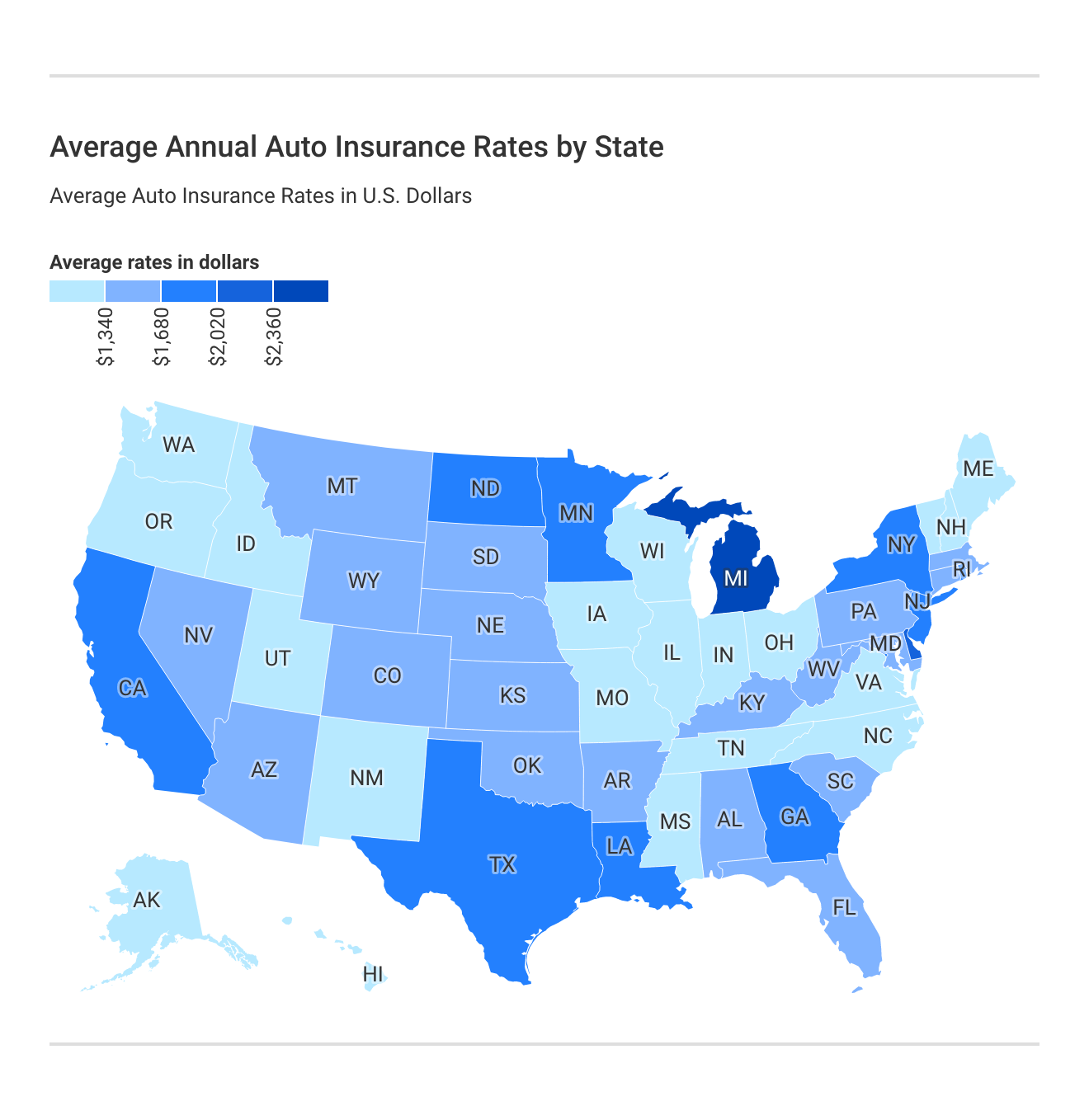
Why is California auto insurance more expensive than other states in 2026?
Several factors contribute to this: high litigation costs, high vehicle repair labor rates, and the high percentage of expensive vehicles on the road. Additionally, California's strict regulations on how insurers can use data (like the ban on credit scores) often lead to higher base rates to cover the uncertainty of risk.
Can insurance companies in California charge more based on gender?
No. As of January 1, 2019, the California Department of Insurance prohibited insurance companies from using gender as a factor in determining automobile insurance rates. Age and experience are used, but gender is not.
How do I find the cheapest insurance for a 16-year-old in California?
The most effective strategy is to keep the teen on a multi-car family policy. Standalone policies for 16-year-olds in California are among the most expensive insurance products in the country. Additionally, choosing a vehicle with high safety ratings and low market value (to reduce collision costs) is essential.
Is telematics (monitoring driving habits) legal in California?
Yes, but with restrictions. California has strict privacy laws. Most insurers offer "verified mileage" programs, but "behavior-based" telematics (monitoring braking and acceleration) is more strictly regulated than in other states to ensure it doesn't violate Proposition 103’s primary rating factor rules.
Practical Recommendation
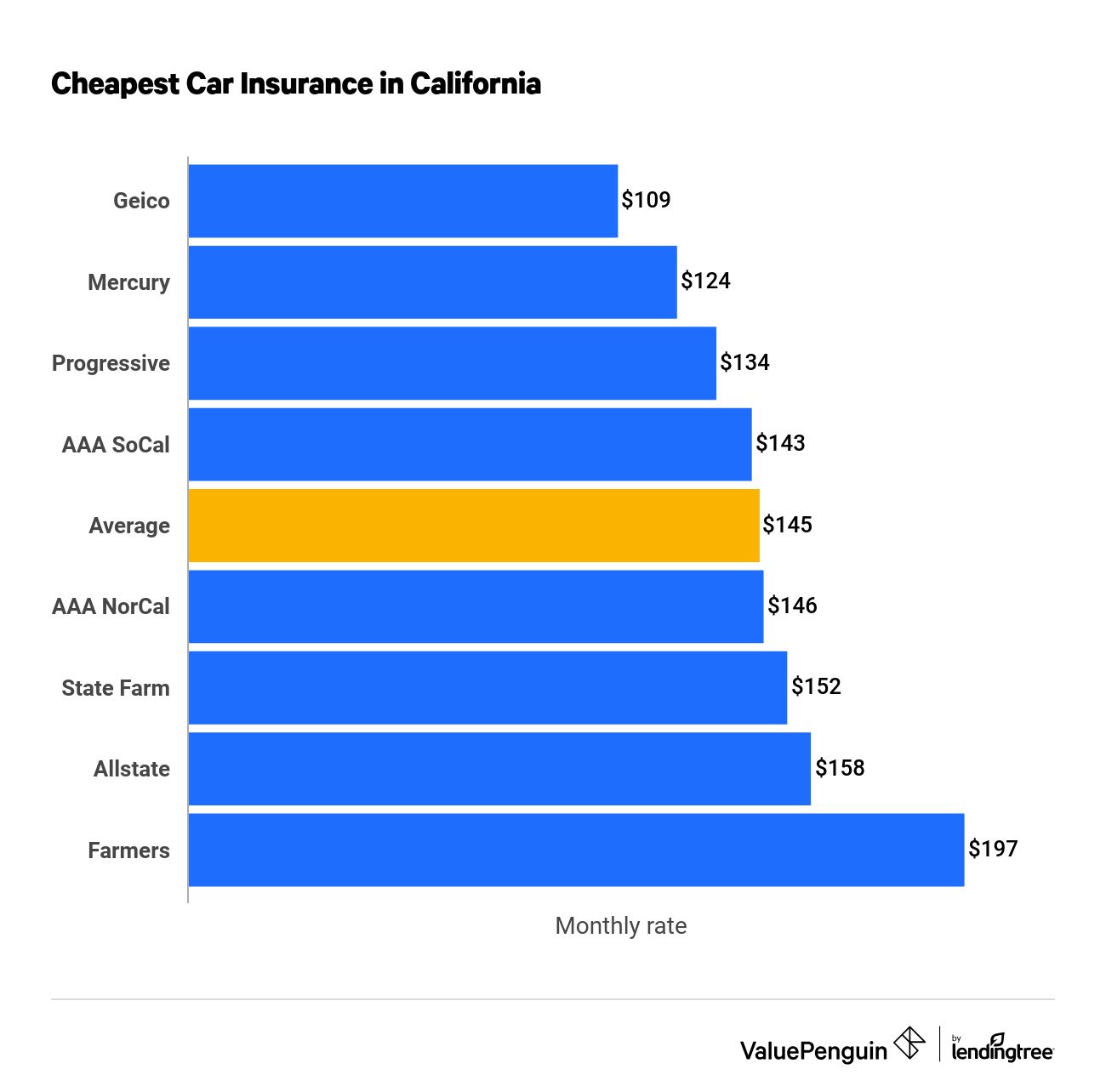
To secure the most accurate rate in 2026, California drivers should request a "CLUE" (Comprehensive Loss Underwriting Exchange) report to verify their own driving history is accurate. Once verified, compare quotes from at least three different types of carriers: a direct writer (like GEICO), a captive agent (like State Farm), and an independent agent who can shop multiple smaller California-specific insurers. If you are over 65 or under 25, always ask specifically for "Experience Credits" that may not be automatically applied to your online quote.
Image Gallery