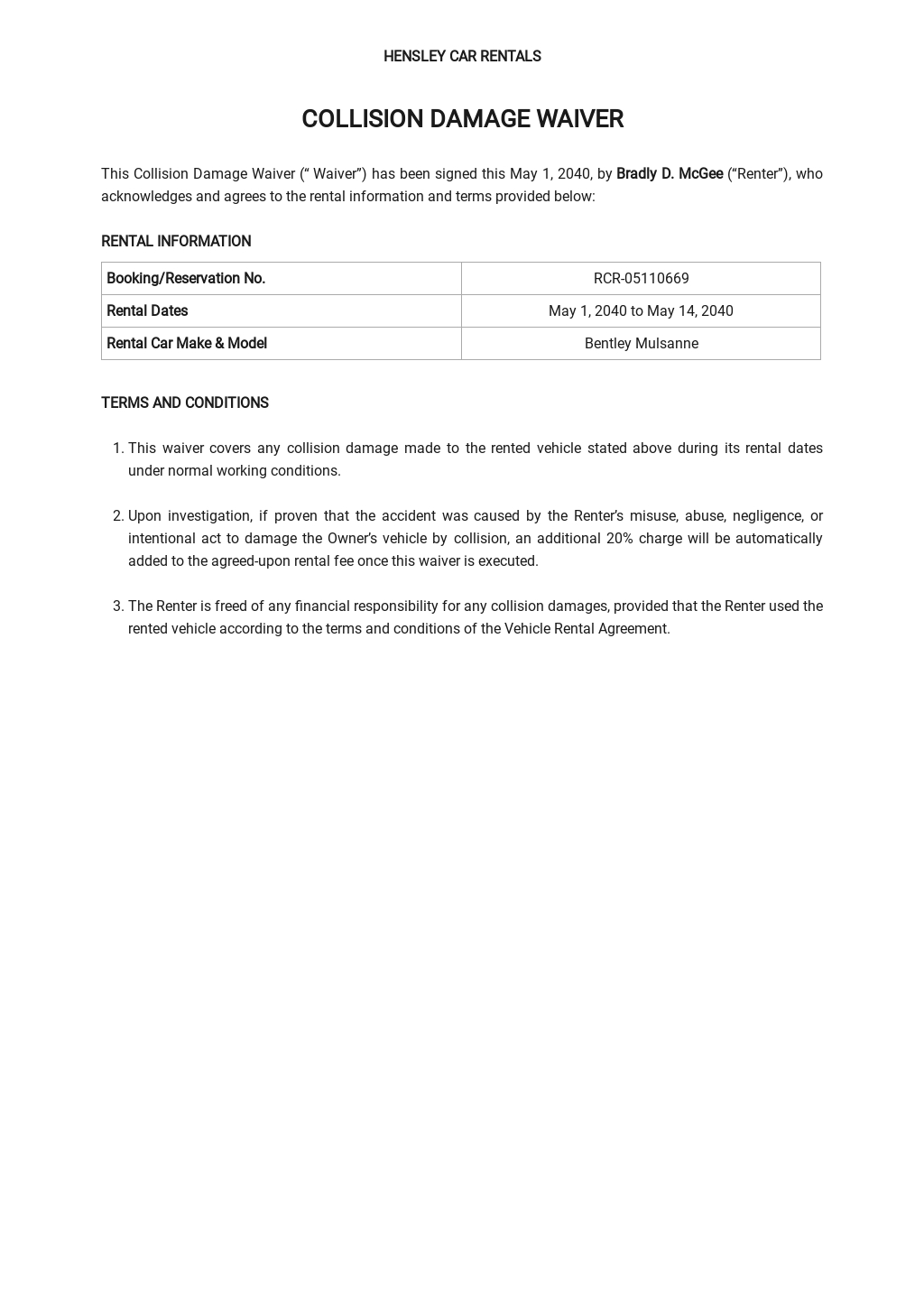
Does Your Credit Card Include Auto Rental Collision Damage Waiver Insurance?
Most premium and mid-tier credit cards include an Auto Rental Collision Damage Waiver (CDW) as a standard benefit. To utilize this coverage in 2026, you must pay for the entire rental transaction with the specific card and formally dec...
Most premium and mid-tier credit cards include an Auto Rental Collision Damage Waiver (CDW) as a standard benefit. To utilize this coverage in 2026, you must pay for the entire rental transaction with the specific card and formally decline the rental agency's collision insurance at the counter. This benefit typically covers theft and physical damage to the rental vehicle.
Contents
Understanding the nuances of credit card rental insurance is essential for any traveler looking to avoid the high daily costs—often ranging from $20 to $50—charged by rental agencies for their own protection plans. However, not all credit card coverage is created equal. The difference between "Primary" and "Secondary" coverage, along with various vehicle and geographic exclusions, can determine whether you are fully protected or left with a significant financial burden after an accident.
Defining the Auto Rental Collision Damage Waiver (CDW)
Before evaluating your card's benefits, it is important to understand what a Collision Damage Waiver actually is. Technically, CDW is not "insurance" in the traditional sense. Instead, it is a contractual agreement where the rental company waives its right to charge you for damage to or theft of the vehicle. When a credit card provides this as a benefit, the card issuer (or their insurance partner) agrees to indemnify you for the costs the rental company would otherwise charge you.
In 2026, these benefits are managed by third-party benefit administrators. When you experience an incident, you do not file a claim with the bank itself, but rather through a dedicated claims portal managed by entities such as Allianz Global Assistance, Virginia Surety Company, or CardBenefit Services. This distinction is important because the "Guide to Benefits" provided with your card is the legally binding document that dictates the terms, not the marketing materials found on the bank’s homepage.
Primary vs. Secondary Coverage: The Critical Distinction
The most significant factor in your credit card’s rental insurance policy is whether the coverage is primary or secondary. This classification determines which insurance provider pays first in the event of a claim and whether you need to involve your personal auto insurance policy.
Primary Coverage
Primary coverage is the "gold standard" of credit card benefits. If your card offers primary CDW, you do not have to notify or file a claim with your personal auto insurance company if the rental car is damaged or stolen. The credit card’s insurer handles the costs from the first dollar.
- Advantage: It protects your personal insurance premiums from rising after an accident and covers your personal insurance deductible.
- Common Cards: In 2026, this is standard on premium cards like the Chase Sapphire Reserve®, the Capital One Venture X, and certain business cards when the rental is for business purposes.
Secondary Coverage
Secondary coverage is far more common, especially on "no-annual-fee" cards. This coverage only kicks in after your personal auto insurance has paid its limit.
- How it works: You must first file a claim with your own car insurance. The credit card benefit will then reimburse you for your deductible and any "excess" charges not covered by your primary policy.
- Limitations: If you do not have personal auto insurance, secondary coverage often functions as primary coverage, though you must verify this in your card’s specific terms.
How to Activate Your Credit Card Rental Insurance
Coverage is not automatic just because you own the card; you must follow a specific set of procedures to trigger the benefit. Failure to follow even one of these steps can result in a total denial of your claim.
- Use the Correct Card: You must charge the entire rental cost to the credit card that provides the benefit. Using "points" to pay for a rental can sometimes complicate this, though most premium cards allow coverage if you pay the taxes and fees with the card or use the issuer's specific travel portal.
- The Name Must Match: The primary renter listed on the rental agreement must be the primary cardholder or an authorized user of the credit card used for payment.
- Decline the Agency’s CDW/LDW: This is the step most frequently missed. When the rental agent asks if you want to add "Collision Damage Waiver" or "Loss Damage Waiver" (LDW), you must say no. If you accept the rental agency’s insurance, your credit card coverage is automatically voided, as the credit card's policy is designed to cover what the agency would have charged you.
- Authorized Drivers: Ensure all drivers are listed on the rental agreement. If an unauthorized driver is behind the wheel during an accident, the credit card benefit will not apply.
What is Typically Covered (and What Isn’t)
While "Collision Damage Waiver" sounds comprehensive, it is specific to the vehicle itself. It is vital to distinguish between damage to the car and liability for other people or property.
Included Protections
- Physical Damage: Repairs for dents, scratches, or total loss due to collisions.
- Theft: The actual cash value of the vehicle if it is stolen.
- Loss of Use: Charges the rental company imposes for the time the vehicle is out of service and cannot be rented to others.
- Towing: Valid towing charges to the nearest authorized repair facility.
Common Exclusions (What is NOT covered)
- Liability Insurance: This is the most dangerous misunderstanding. Credit card CDW does not cover damage you cause to other vehicles, property (like fences or buildings), or injuries to other people. You must rely on your personal auto insurance or purchase supplemental liability insurance from the rental agency for this.
- Personal Injuries: It does not cover medical bills for you or your passengers.
- Personal Property: If your laptop or luggage is stolen from the rental car, the CDW will not reimburse you. This is typically covered by homeowners or renters insurance.
- Peer-to-Peer Rentals: In 2026, most credit cards still exclude "car-sharing" services like Turo or Getaround, as these are not considered traditional rental agencies.
Excluded Vehicles and Geographic Restrictions
Even if you follow all the rules, your card may exclude specific types of vehicles or rentals in certain countries.
Vehicle Exclusions
Most credit card policies are designed for "standard" passenger vehicles. Exclusions often include:
- Exotic and Luxury Cars: Brands like Ferrari, Lamborghini, or Tesla (depending on the model) are often excluded.
- Large Vans/Trucks: Vehicles designed to carry more than 8 or 9 passengers or cargo vans used for moving.
- Off-Road Vehicles: Motorcycles, mopeds, ATVs, and any vehicle used on unpaved roads.
- Antiques: Generally defined as cars over 20 years old or those that have not been manufactured for 10 years.
Geographic Limits
Historically, many cards excluded rentals in Ireland, Israel, Italy, Jamaica, and Northern Ireland. By 2026, many Visa and Mastercard policies have expanded to include these regions, but American Express and some smaller issuers may still have restrictions. Always check the "Territorial Scope" section of your benefits guide before traveling internationally.
Comparison of Rental Insurance Benefits by Card Tier
The following table outlines the typical CDW benefits as of 2026 across different credit card categories.
| Card Category | Coverage Type | Maximum Duration | Key Exclusions |
|---|---|---|---|
| Premium Travel (e.g., Chase Sapphire Reserve) | Primary | 31 Consecutive Days | Exotic cars, off-roading |
| Mid-Tier Travel (e.g., Amex Gold) | Secondary* | 30 Consecutive Days | Trucks, campers, specific countries |
| Business Cards (e.g., Ink Business Preferred) | Primary (for business) | 31 Consecutive Days | Expensive luxury models |
| No-Annual-Fee Cards | Secondary | 15–31 Days | Peer-to-peer rentals (Turo) |
*Note: American Express offers a "Premium Car Rental Protection" add-on for a flat fee per rental period that upgrades coverage to primary.
The Step-by-Step Claims Process in 2026
If you are involved in an accident, the window for action is small. Most benefit administrators require you to initiate a claim within 20 to 45 days of the incident.
- Document the Scene: Take high-quality photos of the vehicle damage, the other vehicle (if applicable), and the surrounding area.
- Obtain a Police Report: Even for minor damage, a police report is often a mandatory document for a successful credit card claim.
- Collect Rental Agency Paperwork: You will need the "Accident Report Form" from the rental company, the initial and final rental agreements, and an itemized repair bill or estimate.
- Demand a "Loss of Use" Log: If the agency charges for loss of use, the insurer will often require a fleet utilization log proving the agency actually lost money because the car wasn't available.
- Submit Electronically: Use the benefit administrator’s digital portal. In 2026, most claims are processed within 15 business days if all documentation is provided upfront.
Frequently Asked Questions
1. Does credit card insurance cover the "Loss of Use" fees?
Yes, most premium credit cards cover "Loss of Use" and "Administrative Fees" charged by the rental company, provided the company provides proper documentation. This is a major benefit, as many personal auto insurance policies do not cover these specific fees.
2. Can I use my credit card insurance for a long-term rental?
Most cards have a limit of 15 to 31 consecutive days. If you are renting a car for a two-month road trip, the coverage will likely lapse after the first 31 days. To maintain coverage, you would typically need to close out the first rental agreement and start a new one.
3. Does it matter if I rent an Electric Vehicle (EV)?
In 2026, most standard EVs (like the Tesla Model 3 or Hyundai Ioniq) are covered under standard CDW terms. However, high-end performance EVs or electric trucks (like the Rivian R1T) may fall under the "expensive/exotic" or "truck" exclusion. Always verify with the benefit administrator.
4. If I use a "Free Rental" voucher, is the insurance still active?
If the rental is entirely free (no charge to the card), the insurance is usually not active. However, if you use a certificate but pay for the taxes and fees with your eligible credit card, many issuers will honor the coverage.
5. Does the card cover me if I’m driving a van for a move?
Typically, no. Cargo vans and moving trucks (like U-Haul) are excluded from almost all consumer credit card CDW policies. These policies are strictly for passenger vehicles.
Practical Recommendation
Before you head to the rental counter, download the PDF of your "Guide to Benefits" to your phone. If the rental agent insists that your card does not provide coverage, you can show them the specific language regarding the Collision Damage Waiver. For the highest level of protection, prioritize using a card that offers Primary Coverage, as it simplifies the process and protects your personal insurance record. If you only have a card with secondary coverage and do not own a personal car (and thus have no auto insurance), confirm with your card issuer that the coverage will act as primary in your specific situation.
Image Gallery