The Ultimate Colossal Cave Mountain Park Experience: A Complete 2026 Visitor Guide
The Colossal Cave Mountain Park experience offers a unique blend of geological wonder, Wild West history, and high-desert recreation. Located in Vail, Arizona, this 2,400-acre park features a dormant "dry" cave system with a constant 7...
The Colossal Cave Mountain Park experience offers a unique blend of geological wonder, Wild West history, and high-desert recreation. Located in Vail, Arizona, this 2,400-acre park features a dormant "dry" cave system with a constant 70°F temperature, extensive hiking trails including access to the Arizona Trail, and the historic La Posta Quemada Ranch.
Contents
Whether you are a casual tourist seeking a break from the Arizona heat or an adventurous spelunker looking for a technical challenge, understanding the logistical requirements and the various tour tiers is essential for a successful visit. This guide details the 2026 operational standards, tour specifications, and environmental considerations for visiting one of the largest dry caverns in North America.
Understanding the Geological Significance of a "Dry" Cave
To fully appreciate the Colossal Cave Mountain Park experience, one must understand its geological classification. Unlike the nearby Kartchner Caverns, which is a "wet" or living cave where formations continue to grow through active water filtration, Colossal Cave is technically dormant.
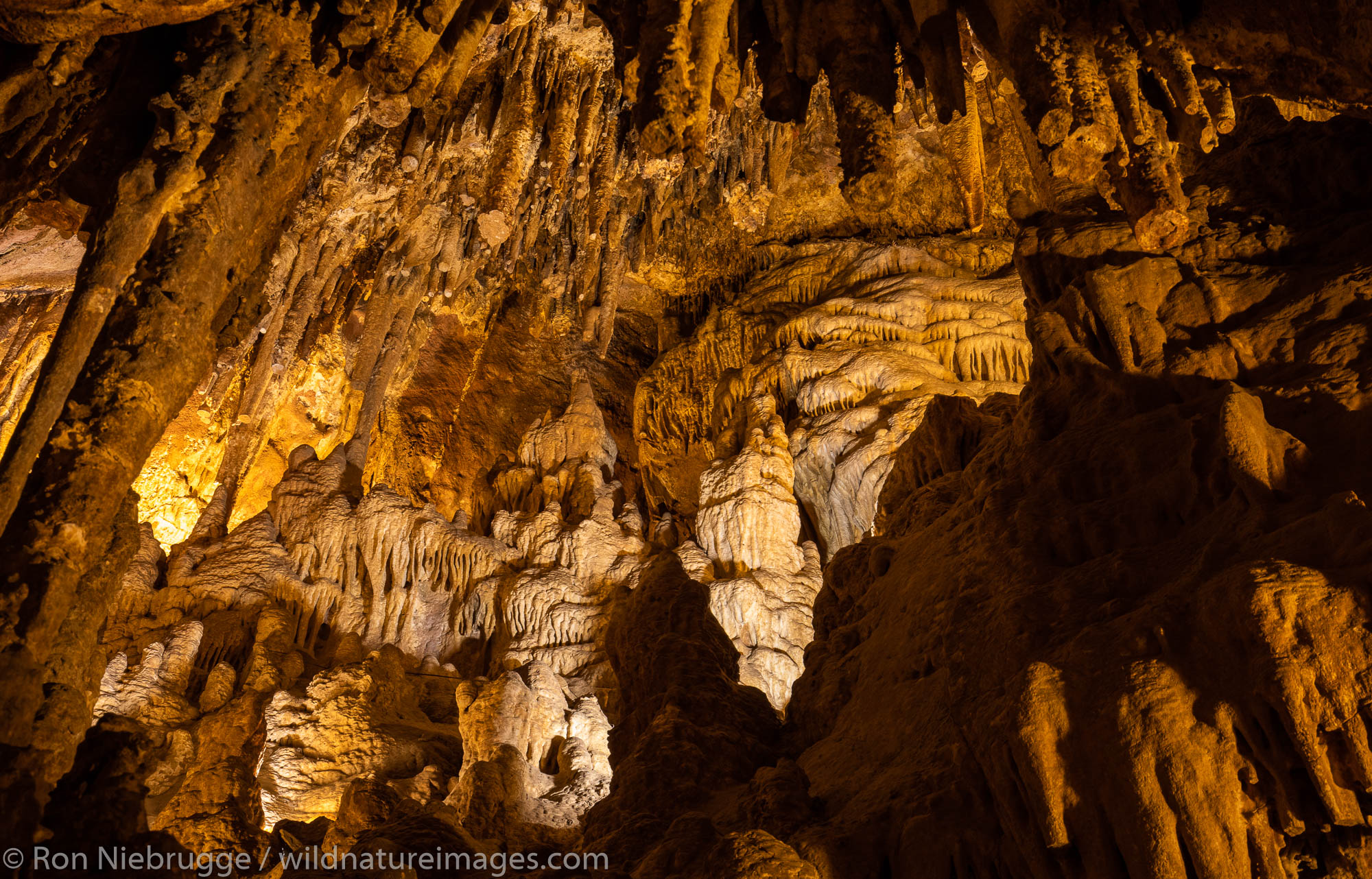
The formations here—stalactites, stalagmites, helictites, and flowstone—were formed millions of years ago when the area was underwater and later shaped by hydrothermal activity. Because the water source that deposited the minerals has long since diverted or dried up, the cave is chemically inactive. This "dry" status means the formations do not change, but it also allows for a different type of visitor interaction; the lack of high humidity makes the environment more comfortable for many, and the air is remarkably clear.
The cave stays at a consistent 70 degrees Fahrenheit (21 degrees Celsius) year-round. While this provides a cooling effect during the scorching Arizona summers, it can feel surprisingly warm in the winter compared to other cave systems that typically hover in the 50s or 60s.
Planning Your 2026 Visit: Logistics and Access
As of 2026, Colossal Cave Mountain Park remains a flagship destination in the Pima County park system. It is situated approximately 22 miles southeast of Tucson.
How to Get There
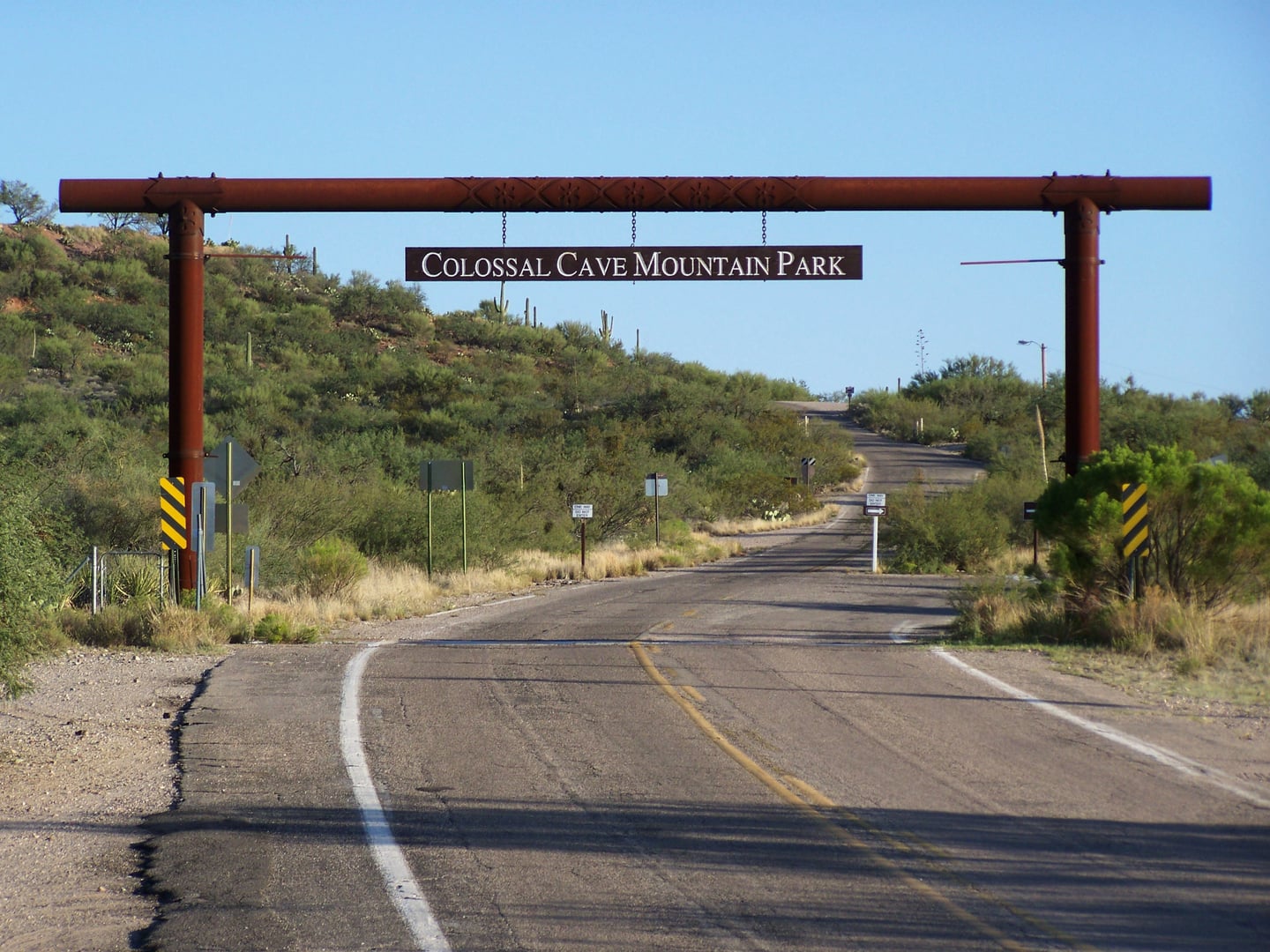
The park is located at 16721 E. Old Spanish Trail, Vail, AZ 85641. Most visitors arrive via I-10, exiting at Wentworth Road or Colossal Cave Road. The drive provides scenic views of the Rincon Mountains and the lush desert landscape characterized by Saguaro cacti and Mesquite trees.
Hours and Admission
The park gate typically opens at 8:00 AM and closes at sunset. However, cave tour hours are more specific and often require advance booking, especially for specialized treks.
- Park Entry Fee: A per-vehicle fee is usually required to access the grounds, separate from tour tickets.
- Reservations: While walk-ins are sometimes available for the Classic Tour, the Ladder and Wild Cave tours strictly require 24-hour to 48-hour advance reservations due to equipment and guide requirements.
Detailed information on current operating hours and seasonal adjustments can be found through the Pima County Natural Resources, Parks and Recreation department.
Choosing the Right Cave Tour Experience
The park offers three primary ways to explore the subterranean environment. Choosing the correct one depends on your physical mobility, time availability, and comfort with enclosed spaces.
The Classic Cave Tour
This is the standard experience suitable for families and seniors. It is a guided half-mile walk that lasts approximately 40 to 50 minutes.
- What to expect: You will descend about six stories into the cave via a series of paved walkways and stairs. The guide explains the history of the cave, including the "robber's lore" and the CCC construction projects.
- Accessibility: While the paths are well-lit and have handrails, there are approximately 363 stairs involved. It is not wheelchair accessible.
The Ladder Tour
For those who want a more physical experience without the intensity of full spelunking, the Ladder Tour is an intermediate option.
- Requirements: Participants must be at least 12 years old and in good physical condition.
- The Experience: This tour takes you off the paved paths. You will use ladders to climb through narrow openings and navigate natural rock bridges. It provides a much closer look at the "hidden" rooms that the general public never sees.
The Wild Cave Tour
This is the pinnacle of the Colossal Cave Mountain Park experience for adventure seekers. This is not a "walk"; it is a technical trek.
- Duration: Can last anywhere from 3 to 4 hours.
- Gear: The park provides helmets and headlamps. Participants are required to wear long pants and sturdy boots.
- Physicality: Expect to crawl, squeeze through tight "keyhole" passages, and get dirty. You will explore deep into the unlit sections of the cave system, following the paths used by early explorers.
Tour Comparison Table (2026 Standards)
| Tour Type | Difficulty | Duration | Min. Age | Key Requirement |
|---|---|---|---|---|
| Classic Tour | Easy/Moderate | 45-50 Min | None | Ability to climb ~360 stairs |
| Ladder Tour | Intermediate | 1.5 Hours | 12+ | Sturdy, closed-toe footwear |
| Wild Cave Tour | Advanced | 3-4 Hours | 16+ | High physical stamina; no claustrophobia |
Beyond the Cave: The La Posta Quemada Ranch Experience
The "experience" extends far beyond the limestone tunnels. Colossal Cave Mountain Park is also home to the La Posta Quemada Ranch, a working ranch that adds a layer of Western heritage to your visit.
Hiking and the Arizona Trail
The park serves as a critical trailhead for the Arizona National Scenic Trail, a 800-mile trek from Mexico to Utah. Hikers can utilize the park’s segments to see diverse desert flora and fauna. Common sightings include javelinas, mule deer, and a variety of raptors.
The CCC Museum and Gift Shop
Located near the cave entrance, the museum pays tribute to the Civilian Conservation Corps (CCC). In the 1930s, the CCC was responsible for building the walkways, lighting, and stone buildings that make the cave accessible today. Their handiwork—characterized by the use of local stone—is a masterpiece of "National Park Service Rustic" architecture.
Picnic Areas and Camping
The park offers shaded picnic areas and a dedicated campground. The camping experience here is prized for its "dark sky" qualities, making it an excellent spot for amateur astronomy and stargazing away from the light pollution of Tucson.
Historical Lore: Train Robbers and Hidden Gold
Part of the allure of Colossal Cave is its history as a hideout. According to local legend and historical records from the late 1800s, the cave was used by outlaws following train robberies.
In 1887, a train robbery at Pantano Station led the bandits into the cave. Despite the efforts of Sheriff Philhite and his posse, the robbers supposedly escaped through a rear exit that has never been fully mapped, or perhaps they hid the gold so deep that it remains undiscovered. While modern exploration has mapped over six miles of the cave, the "hidden treasure" remains a core part of the park's narrative, adding a sense of mystery to the guided tours.
Essential Safety and Preservation Rules
To preserve the delicate environment and ensure visitor safety, the park enforces several strict guidelines:
- Never Touch the Formations: Even though the cave is "dry," the oils from human skin can permanently stain the limestone and prevent any future (albeit slow) mineral deposits.
- No Bags in the Cave: Large backpacks or frames are generally prohibited on the Classic Tour as they can bump into and break fragile cave features.
- Footwear: Avoid flip-flops. Even on the Classic Tour, the stairs can be slippery due to dust and moisture tracking.
- Hydration: While the cave is 70°F, the hike to and from the cave entrance and the surrounding ranch trails are subject to extreme Arizona heat. Carry more water than you think you need.
For additional safety protocols and environmental impact reports, visitors can consult the National Register of Historic Places, which lists the park due to its archaeological and CCC-era significance.
Frequently Asked Questions
Is Colossal Cave better than Kartchner Caverns?
It depends on what you value. Kartchner Caverns is a "wet" cave with more vibrant, growing formations and higher humidity. Colossal Cave is a "dry" cave that offers a more rugged, historical experience and allows for more adventurous "Wild Cave" trekking that is not available at Kartchner.
Are there bats in Colossal Cave?
Yes, the cave is a natural habitat for several species of bats, including the Lesser Long-nosed Bat. They are primarily migratory and use the cave for roosting. During certain times of the year, sections of the cave may be closed to protect the bat population during maternity seasons.
How many stairs are in the Classic Tour?
There are approximately 363 stairs throughout the half-mile tour. These are divided into sections, so you are rarely climbing more than a flight or two at a time, but the cumulative effort can be taxing for those with respiratory or knee issues.
Can I bring my dog into the cave?
No. While Colossal Cave Mountain Park is generally pet-friendly in the outdoor ranch and trail areas (provided they are on a leash), pets are strictly prohibited inside the cave for safety and hygiene reasons.
Do I need a jacket inside the cave?
Most people do not need a jacket. At a constant 70°F, the cave is often warmer than the outside air in the winter and significantly cooler in the summer. A light t-shirt is usually sufficient.
Final Recommendations for a 2026 Visit
For the best experience, aim to arrive at the park by 9:00 AM. This allows you to beat the midday desert heat for any surface-level hiking and ensures you can catch an early cave tour before the crowds peak. If you are interested in the Wild Cave or Ladder tours, verify your reservation at least 48 hours in advance, as these are frequently sold out or subject to guide availability.
Combine your cave tour with a visit to the La Posta Quemada Ranch to see the museum and enjoy the butterfly garden. This holistic approach ensures you experience both the subterranean wonders and the rich cultural history of the Arizona desert.
Image Gallery