Understanding the ICD-10 Code for Diabetes with Peripheral Vascular Disease
To accurately code for diabetes with peripheral vascular disease (PVD) in 2026, healthcare providers use ICD-10-CM combination codes. For the most common scenario, Type 2 diabetes with peripheral angiopathy, the correct code is E11.51...
To accurately code for diabetes with peripheral vascular disease (PVD) in 2026, healthcare providers use ICD-10-CM combination codes. For the most common scenario, Type 2 diabetes with peripheral angiopathy, the correct code is E11.51 (without gangrene) or E11.52 (with gangrene). These codes capture both the underlying diabetes and the vascular manifestation in a single alphanumeric string.
Contents
The intersection of diabetes mellitus and peripheral vascular disease (often used interchangeably with peripheral arterial disease or PAD in clinical settings) represents a significant clinical milestone in a patient’s disease progression. In the world of medical coding and billing, this relationship is governed by specific "combination coding" rules established by the ICD-10-CM Official Guidelines for Coding and Reporting. Because diabetes is a systemic disease that inherently damages the vascular system, the ICD-10-CM manual assumes a causal relationship between the two conditions unless the physician specifically documents that they are unrelated.
As of 2026, accurate coding for these conditions is not merely a matter of administrative compliance; it is essential for Hierarchical Condition Category (HCC) risk adjustment, quality reporting, and ensuring that the complexity of the patient's care is reflected in the medical record.
The ICD-10-CM "With" Convention
Understanding how to code diabetes with PVD requires a firm grasp of the "With" convention found in the ICD-10-CM Alphabetic Index. This is one of the most important rules in medical coding. Under the lead term "Diabetes," you will find subterms indented and prefixed with the word "with."
According to the ICD-10-CM Official Guidelines, the word "with" or "in" should be interpreted to mean "associated with" or "due to" when it appears as a title in the Alphabetic Index or an instructional note in the Tabular List. This means that if a patient has both diabetes and peripheral vascular disease, the coder must use the combination code even if the provider’s documentation does not explicitly state that the PVD is caused by the diabetes.
The only exception to this rule is if the provider specifically documents that the peripheral vascular disease is due to a different cause, such as trauma or a separate underlying genetic condition. In the absence of such a disclaimer, the link is assumed.
Primary ICD-10 Codes for Diabetes with PVD
The codes for diabetes with circulatory complications are found in the E08 through E13 categories. The specific code used depends entirely on the type of diabetes the patient has.
Type 2 Diabetes Mellitus (Category E11)
Type 2 diabetes is the most prevalent form of the disease. For these patients, the coding structure for PVD is as follows:
- E11.51 (Type 2 diabetes mellitus with diabetic peripheral angiopathy without gangrene): This is the most frequently used code for a diabetic patient diagnosed with PVD or PAD.
- E11.52 (Type 2 diabetes mellitus with diabetic peripheral angiopathy with gangrene): If the vascular disease has progressed to the point of tissue death (gangrene), this more specific code must be used. Note that gangrene is a "severity" indicator that significantly impacts the patient's risk profile.
- E11.59 (Type 2 diabetes mellitus with other circulatory complications): This code is used for circulatory issues that do not fall strictly under the umbrella of peripheral angiopathy, such as diabetic coronary artery disease (though CAD is often coded elsewhere, this remains a category for specific diabetic circulatory manifestations).
Type 1 Diabetes Mellitus (Category E10)
For patients with Type 1 diabetes (insulin-dependent from onset due to pancreatic failure), the codes mirror the Type 2 structure but use the E10 prefix:
- E10.51: Type 1 diabetes mellitus with diabetic peripheral angiopathy without gangrene.
- E10.52: Type 1 diabetes mellitus with diabetic peripheral angiopathy with gangrene.
Other Types of Diabetes
While Type 1 and Type 2 are the most common, other forms of diabetes require different prefixes:
- E08.51 / E08.52: Diabetes mellitus due to an underlying condition (such as cystic fibrosis or pancreatitis) with peripheral angiopathy.
- E09.51 / E09.52: Drug- or chemical-induced diabetes mellitus with peripheral angiopathy.
- E13.51 / E13.52: Other specified diabetes mellitus (such as LADA or MODY) with peripheral angiopathy.
Comparing ICD-10 Codes for Diabetic Vascular Complications
The following table provides a quick reference for the most common codes used in 2026 for diabetes with vascular involvement.
| Diabetes Type | Manifestation | ICD-10 Code | Clinical Implication |
|---|---|---|---|
| Type 2 | Peripheral Angiopathy (No Gangrene) | E11.51 | Routine PVD/PAD management in T2DM. |
| Type 2 | Peripheral Angiopathy (With Gangrene) | E11.52 | High-acuity; often requires surgical intervention. |
| Type 1 | Peripheral Angiopathy (No Gangrene) | E10.51 | Routine PVD/PAD management in T1DM. |
| Type 1 | Peripheral Angiopathy (With Gangrene) | E10.52 | Indicates severe ischemic progression. |
| Secondary (Underlying) | Peripheral Angiopathy | E08.51 | PVD caused by diabetes secondary to another disease. |
| Drug-Induced | Peripheral Angiopathy | E09.51 | PVD caused by steroid-induced or chemical diabetes. |
The Difference Between Angiopathy and PVD
In clinical documentation, physicians often write "PVD" or "PAD." However, the ICD-10-CM Tabular List uses the term "diabetic peripheral angiopathy." It is important to understand that for coding purposes, these are considered synonymous. When a coder looks up "Peripheral Vascular Disease" in the index under "Diabetes," they are directed to the codes for "angiopathy."
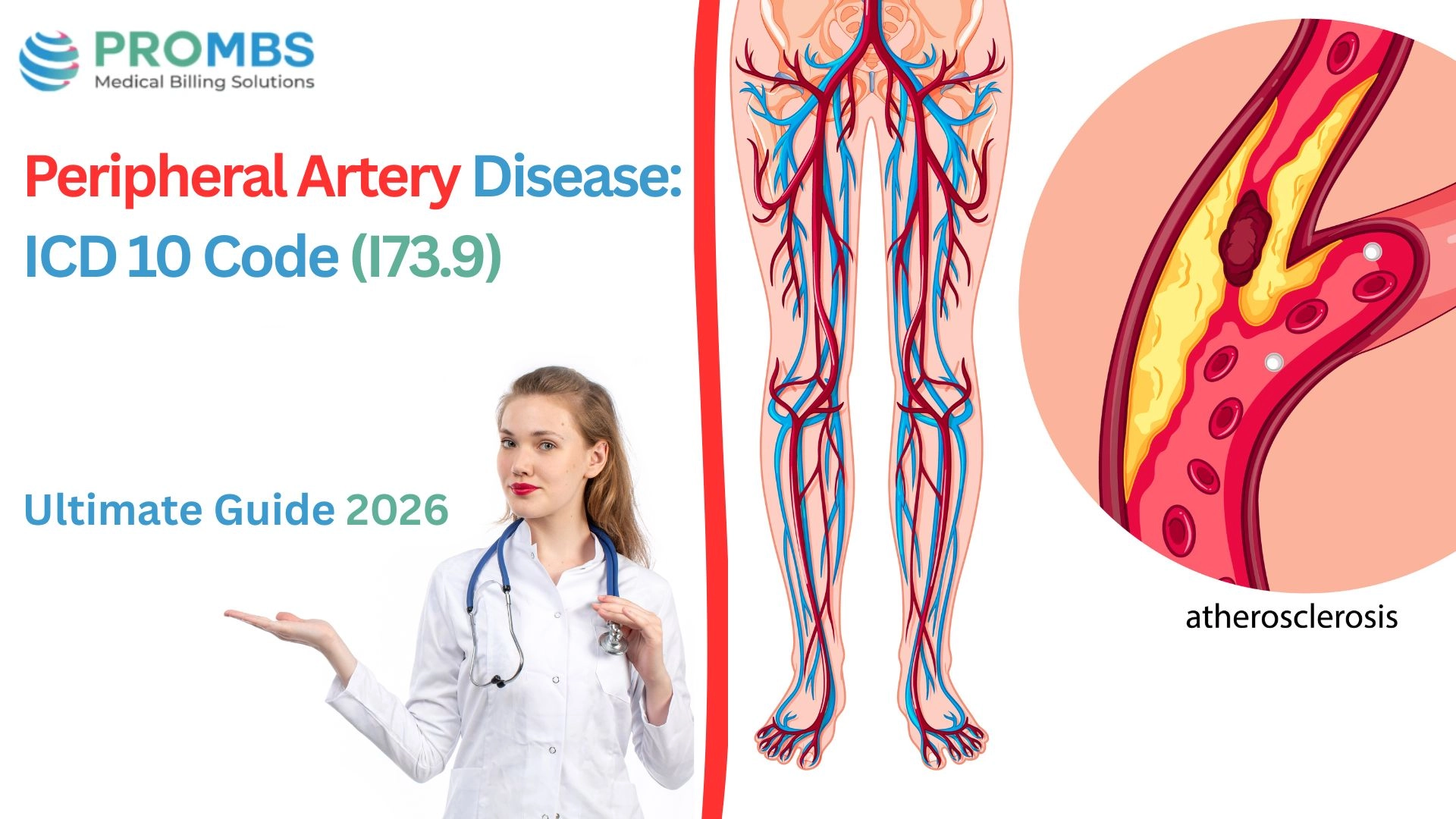
Peripheral arterial disease (PAD) is a subset of PVD that specifically involves the clogging of arteries. Since diabetic vascular complications are primarily arterial in nature (due to atherosclerosis accelerated by hyperglycemia), the angiopathy codes are the clinically appropriate choice.
Sequencing and Additional Codes
Proper coding for diabetes with PVD often requires more than just the E11.51 code. Depending on the patient’s presentation, supplemental codes may be necessary to provide a complete clinical picture.
Chronic Kidney Disease (CKD)
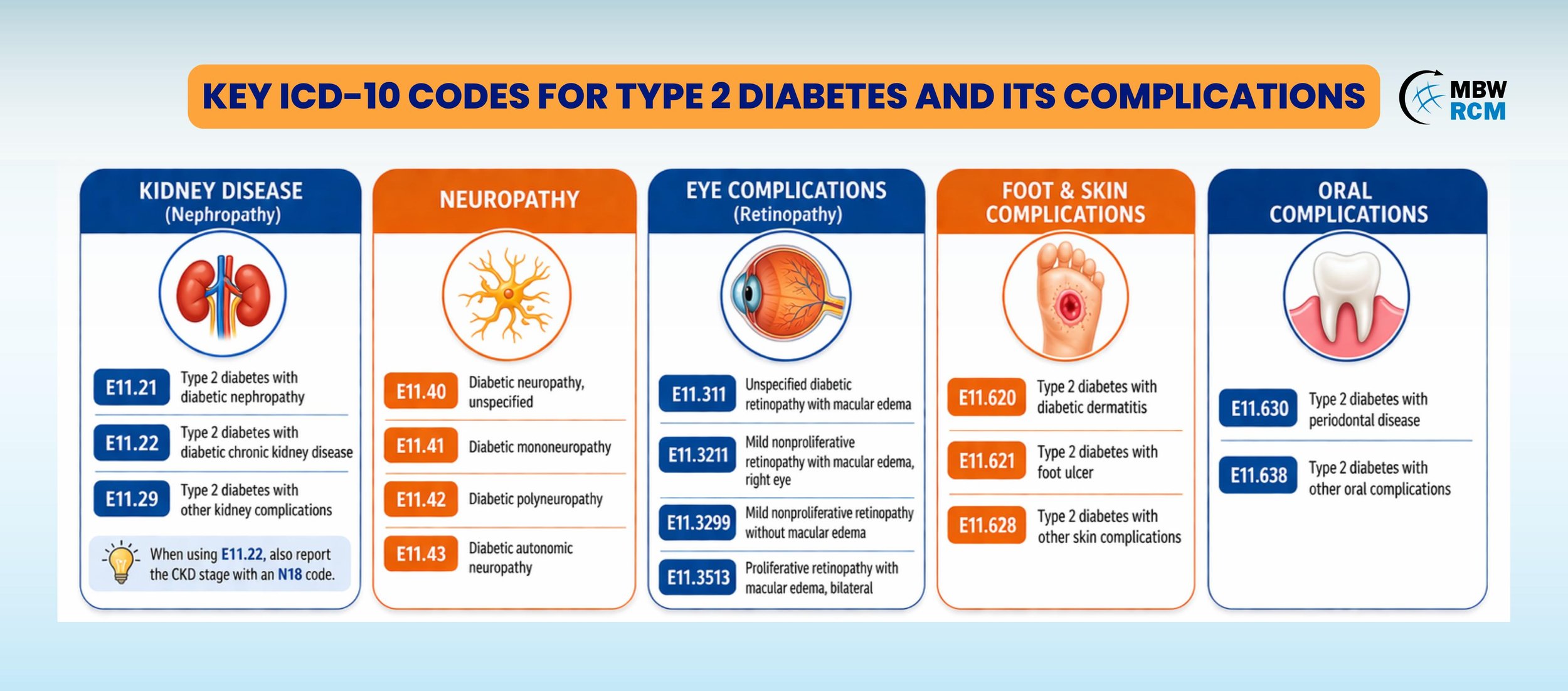
Diabetes is a multi-system disease. It is common for a patient to have both PVD and CKD. In such cases, you must code both. For example:
- E11.51 (Diabetes with PVD)
- E11.22 (Diabetes with CKD)
- N18.31 (Stage 3a CKD)
Diabetic Foot Ulcers
PVD is a leading cause of non-healing foot ulcers. If a patient has a diabetic foot ulcer and PVD, the sequencing is vital. ICD-10-CM guidelines state that you should code the diabetes with PVD first, followed by the code for the ulcer.
- E11.51 (Diabetes with PVD)
- L97.419 (Non-pressure chronic ulcer of heel of right foot with unspecified severity)
Insulin Use
For Type 2 diabetic patients who use insulin, it is a requirement to add the code Z79.4 (Long-term current use of insulin). This provides information about the severity and management of the diabetes, which is relevant for 2026 reimbursement models. Note that Z79.4 is not used for Type 1 diabetics, as insulin use is inherent to the E10 diagnosis.
Clinical Documentation Improvement (CDI)
To support the use of E11.51 or E11.52, the medical record must be robust. Auditors and payers look for evidence that the PVD is being monitored or treated. Documentation should ideally include:
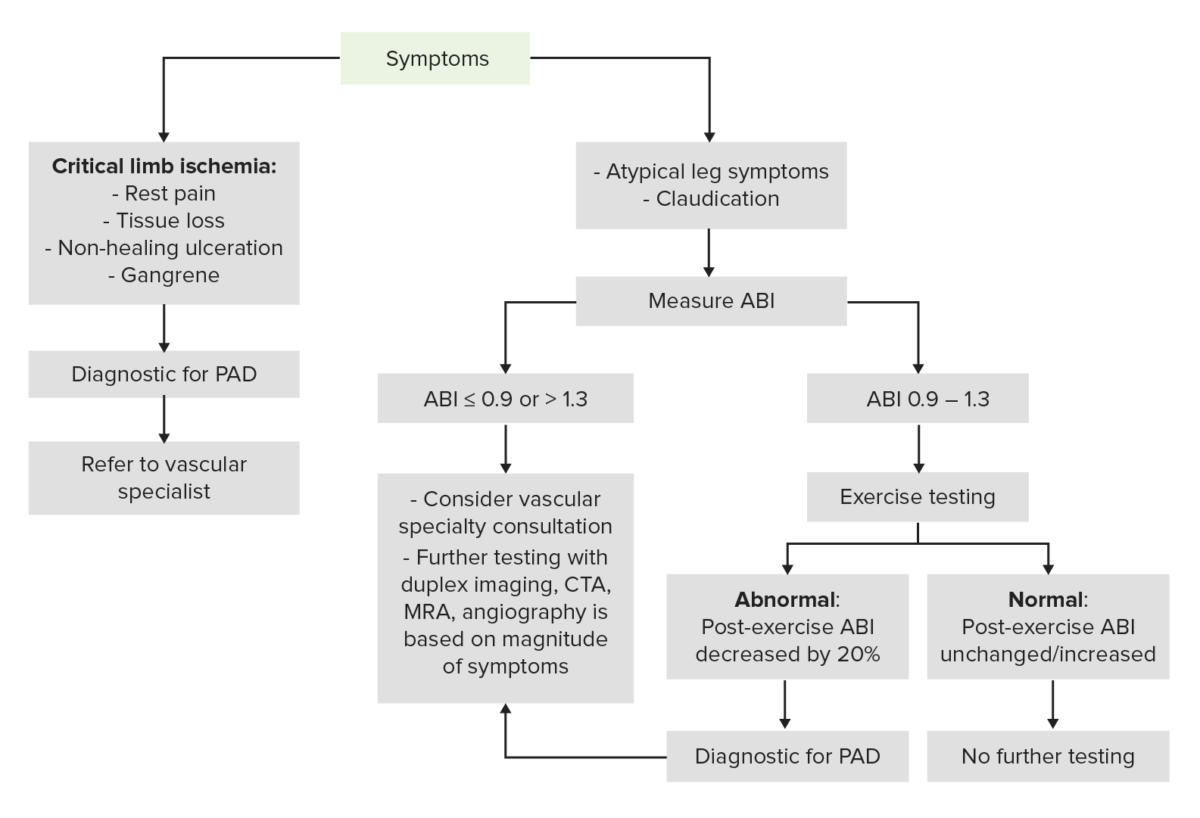
- Diagnostic Evidence: Mention of Ankle-Brachial Index (ABI) scores, Doppler ultrasound results, or angiograms.
- Physical Exam Findings: Notes on diminished pedal pulses, claudication (leg pain during walking), or skin changes (hair loss on legs, coolness, or cyanosis).
- Plan of Care: Use of antiplatelet medications (like aspirin or clopidogrel), statins, or referrals to vascular surgery.
If a provider simply lists "PVD" in the past medical history but never addresses it during the encounter, it may be challenged during a risk-adjustment audit. The condition must affect patient care, treatment, or management to be coded for that specific encounter.
Common Mistakes to Avoid
- Using I73.9 for Diabetic Patients: Code I73.9 is for "Peripheral vascular disease, unspecified." If the patient has diabetes, you should almost never use this code. You must use the combination code (E11.51) because it captures the systemic nature of the disease.
- Ignoring Gangrene: If gangrene is present, coding only E11.51 is an under-coding error. E11.52 must be used, as it carries a higher hierarchical weight and accurately reflects the patient’s risk of amputation.
- Misidentifying Diabetes Type: Ensure the documentation supports Type 1 vs. Type 2. Coding a Type 2 patient as E10.51 is a common error that can lead to claim denials, especially if the patient's age or medication list (e.g., oral hypoglycemics) suggests Type 2.
Frequently Asked Questions
Does the doctor have to say the diabetes "caused" the PVD?
No. Under the ICD-10-CM "With" convention, the link between diabetes and peripheral vascular disease is assumed. As long as both conditions are documented in the record and not explicitly stated as unrelated, the combination code (e.g., E11.51) is appropriate.
Can I code PVD and PAD together?
No. Peripheral Arterial Disease (PAD) is a form of Peripheral Vascular Disease (PVD). In the ICD-10-CM system, both lead to the same diabetic angiopathy codes. Coding both would be redundant.
What is the difference between E11.51 and I70.209?
I70.209 is for "Atherosclerosis of native arteries of the extremities, unspecified extremity." While this also describes vascular disease in the legs, it is a generic code. For a diabetic patient, the specific combination code E11.51 takes precedence because it provides more clinical specificity regarding the etiology of the vascular disease.
When should I use the code for "Other Circulatory Complications" (E11.59)?
Use E11.59 when the patient has a diabetic circulatory issue that isn't specifically peripheral angiopathy or gangrene. Examples might include diabetic endarteritis or specific diabetic small-vessel diseases that do not fit the standard PVD definition.
How does coding diabetes with PVD affect HCC scores?
In the Hierarchical Condition Category (HCC) model used by Medicare Advantage and other payers in 2026, diabetes with chronic complications (like PVD) carries a higher risk adjustment factor (RAF) than diabetes without complications (E11.9). This means that accurate coding of E11.51 directly impacts the funding provided for the patient's care.
Practical Recommendation
For medical coders and clinicians in 2026, the best practice is to always screen the medical record for signs of vascular involvement in every diabetic patient. If claudication, decreased pulses, or abnormal ABI studies are noted, ensure the diagnosis is updated from "Diabetes uncomplicated" (E11.9) to "Diabetes with peripheral angiopathy" (E11.51). This ensures that the medical record is a "living document" that accurately reflects the patient's increasing vascular risk and the complexity of their clinical management.
Image Gallery