How to File for Bankruptcy in Arkansas: A Complete 2026 Step-by-Step Guide
Filing for bankruptcy in Arkansas involves determining your eligibility through a means test, completing mandatory credit counseling, and submitting a detailed petition to the U.S. Bankruptcy Court for either the Eastern or Western Dis...
Filing for bankruptcy in Arkansas involves determining your eligibility through a means test, completing mandatory credit counseling, and submitting a detailed petition to the U.S. Bankruptcy Court for either the Eastern or Western District. The process legally halts creditor collections through an automatic stay and typically results in a debt discharge.
Contents
Navigating the financial landscape in 2026 requires a clear understanding of federal laws and Arkansas-specific exemptions. Bankruptcy is a powerful legal tool designed to provide a "fresh start" for those overwhelmed by debt, but it is a complex judicial process that requires precision in documentation and timing. Whether you are facing foreclosure in Little Rock or medical debt in Fayetteville, understanding the nuances of the Arkansas bankruptcy courts is the first step toward recovery.
Determining Which Type of Bankruptcy Fits Your Situation
In Arkansas, the two most common forms of consumer bankruptcy are Chapter 7 and Chapter 13. Each serves a different financial profile and carries distinct long-term implications.
Chapter 7: Liquidation Bankruptcy
Chapter 7 is often referred to as "liquidation" bankruptcy. It is designed for individuals with limited income who cannot pay back their unsecured debts, such as credit card balances and medical bills. In a Chapter 7 case, a court-appointed trustee may sell your non-exempt assets to pay back creditors. However, because Arkansas offers generous exemptions, many filers find that most or all of their property is "exempt," meaning they keep it. The entire process is relatively swift, often concluding within four to six months.
Chapter 13: Reorganization Bankruptcy
Chapter 13 is a "reorganization" or "wage earner’s plan." This is typically the path for individuals who have a steady income but have fallen behind on mortgage or car payments and want to keep their property. Instead of liquidating assets, you propose a three-to-five-year repayment plan to catch up on arrears and pay a portion of your unsecured debt. In 2026, Chapter 13 remains a vital tool for Arkansas residents looking to stop foreclosure or repossession while maintaining their standard of living.
The Arkansas Means Test: 2026 Thresholds
To qualify for Chapter 7, you must pass the Means Test. This calculation determines if your income is low enough to justify a debt discharge without a repayment plan.
The first step is comparing your gross annual income against the median income for a household of your size in Arkansas. As of 2026, these figures are updated periodically by the U.S. Trustee Program. If your income is below the state median, you automatically pass the means test. If it is above the median, a more complex calculation of "disposable income" is required, subtracting allowed expenses (like housing, utilities, and health insurance) to see if you have enough left over to pay creditors in a Chapter 13 plan.
Step-by-Step Guide to Filing in Arkansas
Filing for bankruptcy is a procedural marathon. Missing a single deadline or document can result in the dismissal of your case.
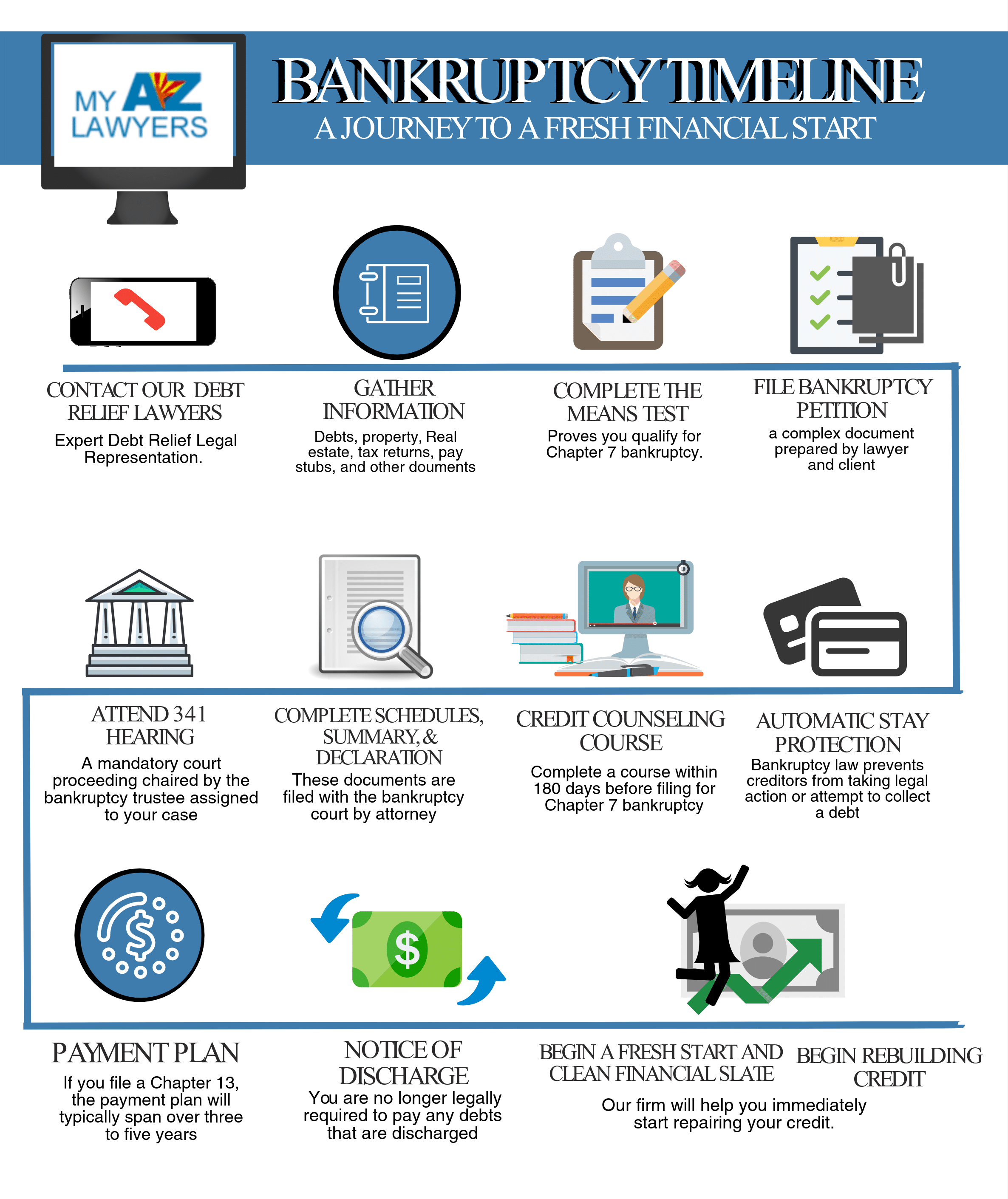
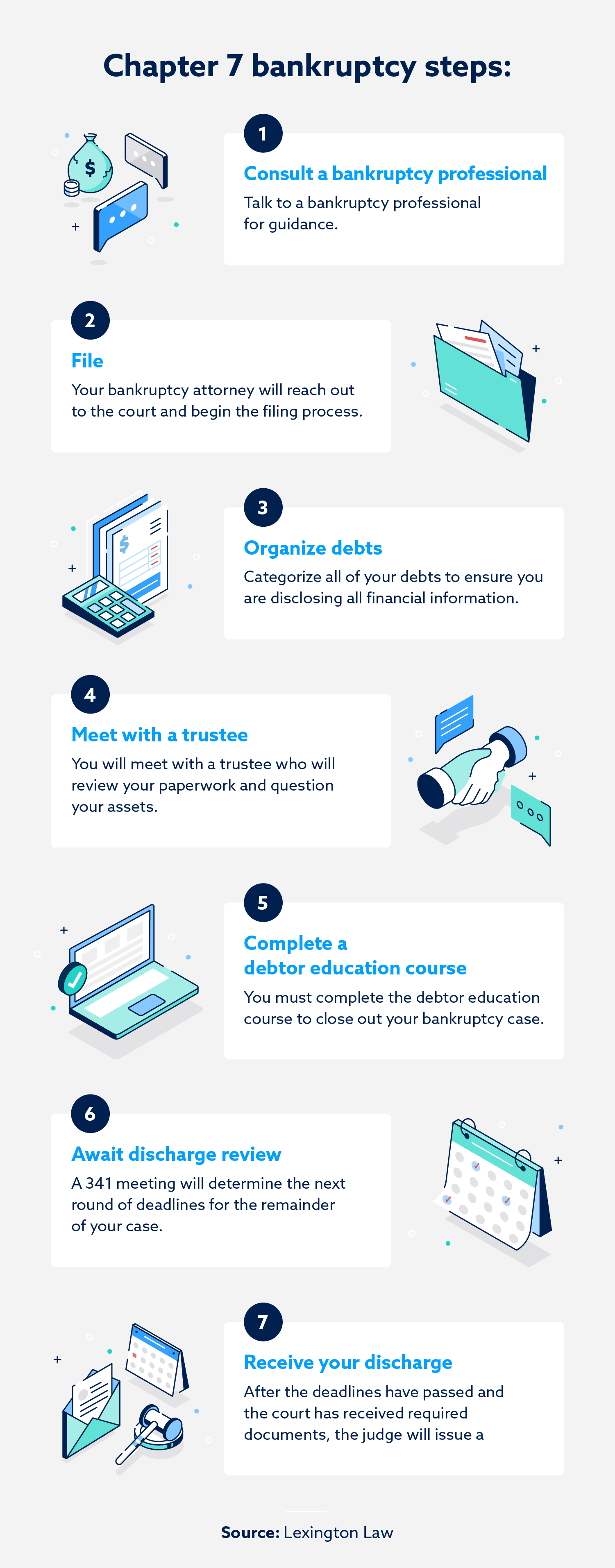
1. Mandatory Credit Counseling
Before you can file any paperwork, you must complete a credit counseling course from an agency approved by the U.S. Trustee’s office. This course must be completed within 180 days before your filing date. In Arkansas, many providers offer this online or via telephone. You will receive a certificate that must be filed with your initial petition.
2. Gathering the Paperwork
The documentation required for an Arkansas bankruptcy filing is extensive. You will need:
- Income Proof: Tax returns from the last two years and pay stubs from the last six months.
- Asset Inventory: A list of everything you own, from real estate to household electronics and retirement accounts.
- Debt List: A comprehensive list of all creditors, including their addresses, account numbers, and the amount owed.
- Expense Records: A monthly budget detailing your mortgage/rent, utilities, food, and transportation costs.
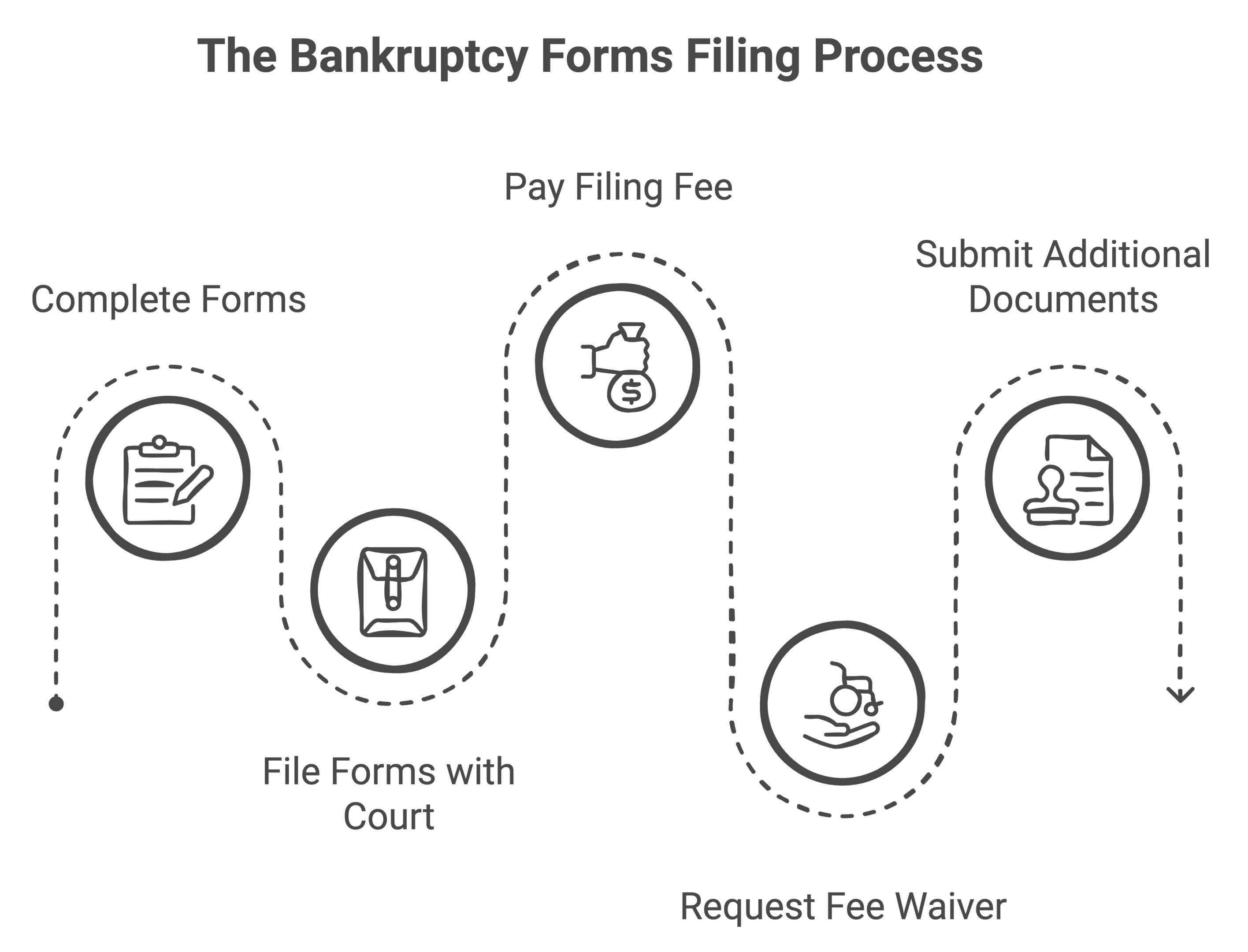
3. Filing the Petition
Your case officially begins when you file the "voluntary petition" and supporting schedules with the U.S. Bankruptcy Court. Arkansas is divided into two districts:
- Eastern District of Arkansas: Serves Little Rock, Jonesboro, Pine Bluff, and surrounding areas.
- Western District of Arkansas: Serves Fayetteville, Fort Smith, Hot Springs, and Texarkana.
Once filed, the automatic stay goes into effect. This is a powerful legal injunction that prohibits creditors from calling you, suing you, garnishing your wages, or continuing foreclosure proceedings.
4. The 341 Meeting of Creditors
Approximately 21 to 40 days after filing, you must attend the Meeting of Creditors (also known as the 341 meeting). While "creditors" is in the name, they rarely show up. Instead, you will meet with the bankruptcy trustee. Under oath, you will answer questions about your financial documents and the accuracy of your petition. In 2026, many of these meetings continue to be held via video conference or telephone, though some districts may require in-person attendance at the federal courthouse.
5. Financial Management Course
After filing but before you receive your discharge, you must complete a second course: the Debtor Education course (Financial Management). This course focuses on budgeting and the wise use of credit to ensure you don't find yourself in financial distress again.
| Feature | Chapter 7 | Chapter 13 |
|---|---|---|
| Primary Goal | Discharge unsecured debt quickly | Save assets and pay back arrears |
| Duration | 4–6 months | 3–5 years |
| Eligibility | Must pass the Means Test | Must have regular income |
| Automatic Stay | Yes, starts at filing | Yes, starts at filing |
| Impact on Home | May lose non-exempt equity | Allows you to catch up on payments |
| 2026 Filing Fee | Approximately $338 | Approximately $313 |
Arkansas vs. Federal Exemptions: Choosing Your Shield
One of the most critical decisions for an Arkansas filer is choosing which set of exemptions to use. Unlike some states that "opt-out" of federal exemptions, Arkansas allows residents to choose between the Arkansas State Exemptions and the Federal Exemptions. You cannot mix and match; you must choose one entire set.
The Arkansas State Exemptions
The Arkansas state exemptions are often preferred by those with significant equity in their home.
- Homestead Exemption: Arkansas offers a robust homestead exemption. If you are married or the head of a household, you can exempt your homestead up to 80 acres in rural areas or 1/4 acre in a city, regardless of the value (up to specific limits if the acreage is larger).
- Personal Property: Arkansas state laws allow a small "wildcard" exemption for personal property ($200 for individuals, $500 for married couples) plus clothing.
The Federal Exemptions
The federal exemptions are often better for "renters" or those who do not have much home equity but have other assets like a car or cash in the bank. As of 2026, the federal wildcard exemption is significant, allowing you to protect several thousand dollars of any property you choose.
Common Mistakes to Avoid in Arkansas Bankruptcy
The bankruptcy court operates on the principle of "full disclosure." Errors, even unintentional ones, can lead to accusations of fraud or the loss of assets.
- Preferential Transfers: Do not pay back a loan to a family member or friend shortly before filing. The trustee can sue that person to get the money back to distribute it fairly among all your creditors.
- Hiding Assets: Whether it's a small savings account or a piece of land in the Ozarks, everything must be listed. The court uses sophisticated data-matching tools to find undisclosed property.
- Running Up Debt Before Filing: Taking out a cash advance or buying luxury items on a credit card within 90 days of filing is considered presumptive fraud. These specific debts may be excluded from your discharge.
- Failure to File Tax Returns: You must be current on your tax filings to proceed with a Chapter 13 plan. The trustee will require copies of your most recent returns.
Post-Filing: Life After Bankruptcy in 2026
The ultimate goal of filing is the Discharge Order. This is a permanent injunction that releases you from personal liability for most debts. While bankruptcy stays on your credit report for seven to ten years, your recovery begins the moment you receive the discharge.
In the 2026 economy, credit rebuilding starts quickly. Many filers see their credit scores begin to rise within a year of discharge because their debt-to-income ratio has improved so dramatically. Most Arkansas residents find they can qualify for a FHA home loan within two years of a Chapter 7 discharge, provided they have maintained perfect payment history on new obligations.
FAQs About Arkansas Bankruptcy
How much does a bankruptcy attorney cost in Arkansas? In 2026, Chapter 7 attorney fees in Arkansas typically range from $1,200 to $2,500, depending on the complexity of the case. Chapter 13 fees are higher—often between $3,500 and $4,500—but a significant portion of the fee is usually folded into the monthly repayment plan rather than paid upfront.
Can I keep my car if I file for bankruptcy in Arkansas? Yes, in most cases. If you are current on your car loan and choose to "reaffirm" the debt, you can keep the vehicle. If the car is paid off, you must protect its value using either the Arkansas state personal property exemptions or the federal wildcard exemption.
Will I lose my retirement account? No. Most ERISA-qualified retirement accounts, including 401(k)s, 403(b)s, and IRAs (up to certain federal limits), are fully exempt under both state and federal law. Bankruptcy is designed to help you reset your finances, not to leave you destitute in old age.
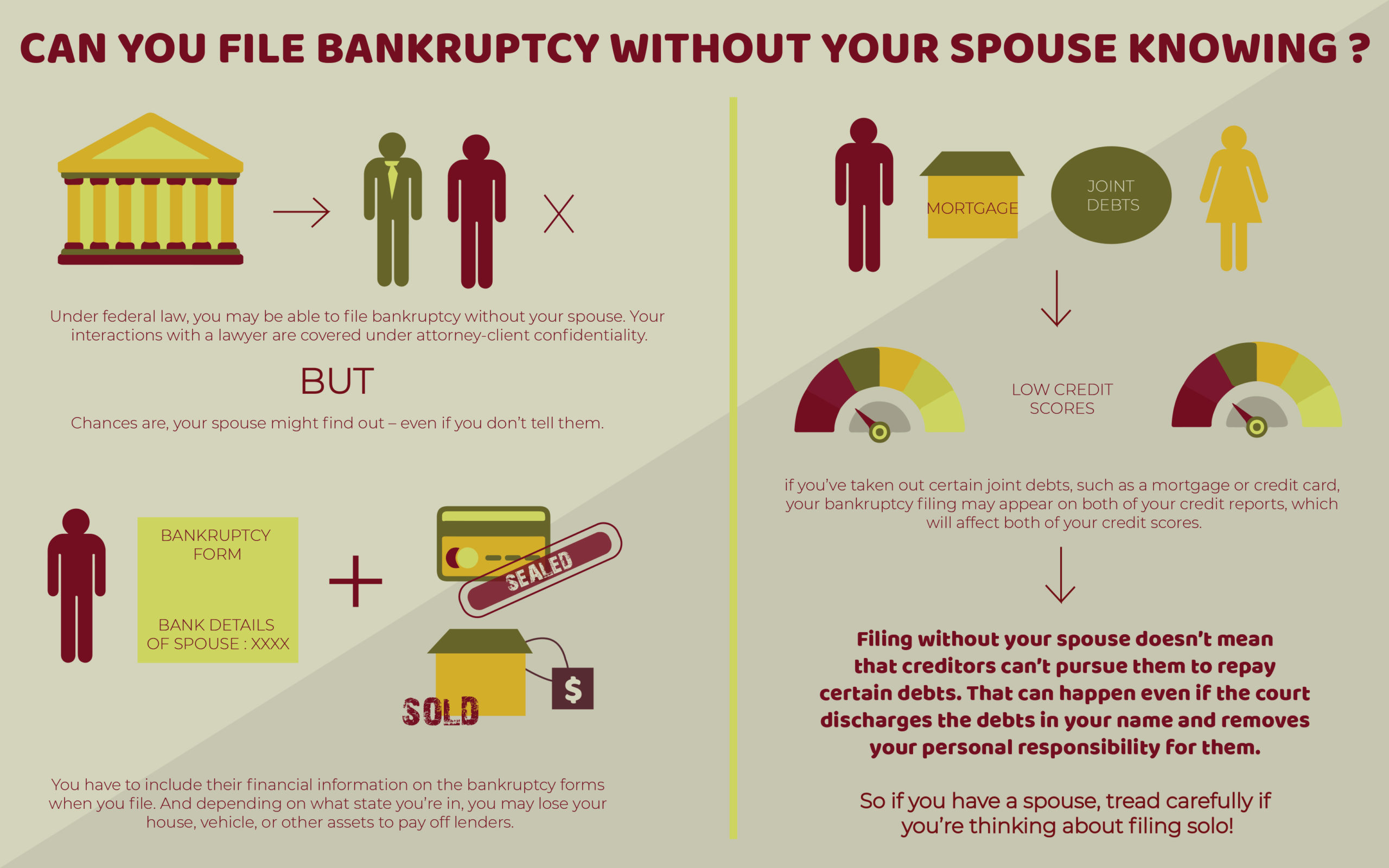
Does my spouse have to file with me? Not necessarily. In Arkansas, you can file an individual petition even if you are married. However, the household income will still be used for the means test. If you have significant joint debt, a joint filing may be more efficient as it discharges the debt for both parties simultaneously.
What debts cannot be discharged in Arkansas? Certain debts are generally "non-dischargeable" regardless of which chapter you file. These include recent back taxes, child support, alimony, most student loans (unless you can prove "undue hardship"), and debts resulting from criminal restitution or personal injury caused by driving while intoxicated.
Practical Recommendation
If you are considering bankruptcy in Arkansas, your first move should be to download the "Means Test Calculation" forms from the U.S. Courts website to get a preliminary idea of your eligibility. Because Arkansas allows a choice between state and federal exemptions, consulting with a local bankruptcy attorney is highly recommended to perform a "side-by-side" comparison. This ensure you protect the maximum amount of your property while successfully discharging your debt.
Image Gallery