Navigating Santa Clara County Assessor Property Tax: A Comprehensive 2026 Guide
Managing property taxes in Santa Clara County requires a clear understanding of how the Assessor determines property values and how the Tax Collector applies rates. The Assessor’s office establishes the taxable value of all real estate...
Managing property taxes in Santa Clara County requires a clear understanding of how the Assessor determines property values and how the Tax Collector applies rates. The Assessor’s office establishes the taxable value of all real estate and business property, applying California’s Proposition 13 mandates to ensure fair assessments while funding essential local services like schools and infrastructure.
Contents
The Role of the Santa Clara County Assessor’s Office
In Santa Clara County, the Assessor’s Office is a distinct entity from the Tax Collector. While the Tax Collector is responsible for sending bills and processing payments, the Santa Clara County Assessor is tasked with discovering, valuing, and enrolling all taxable property within the county. This includes residential, commercial, and agricultural real estate, as well as business personal property like equipment and machinery.
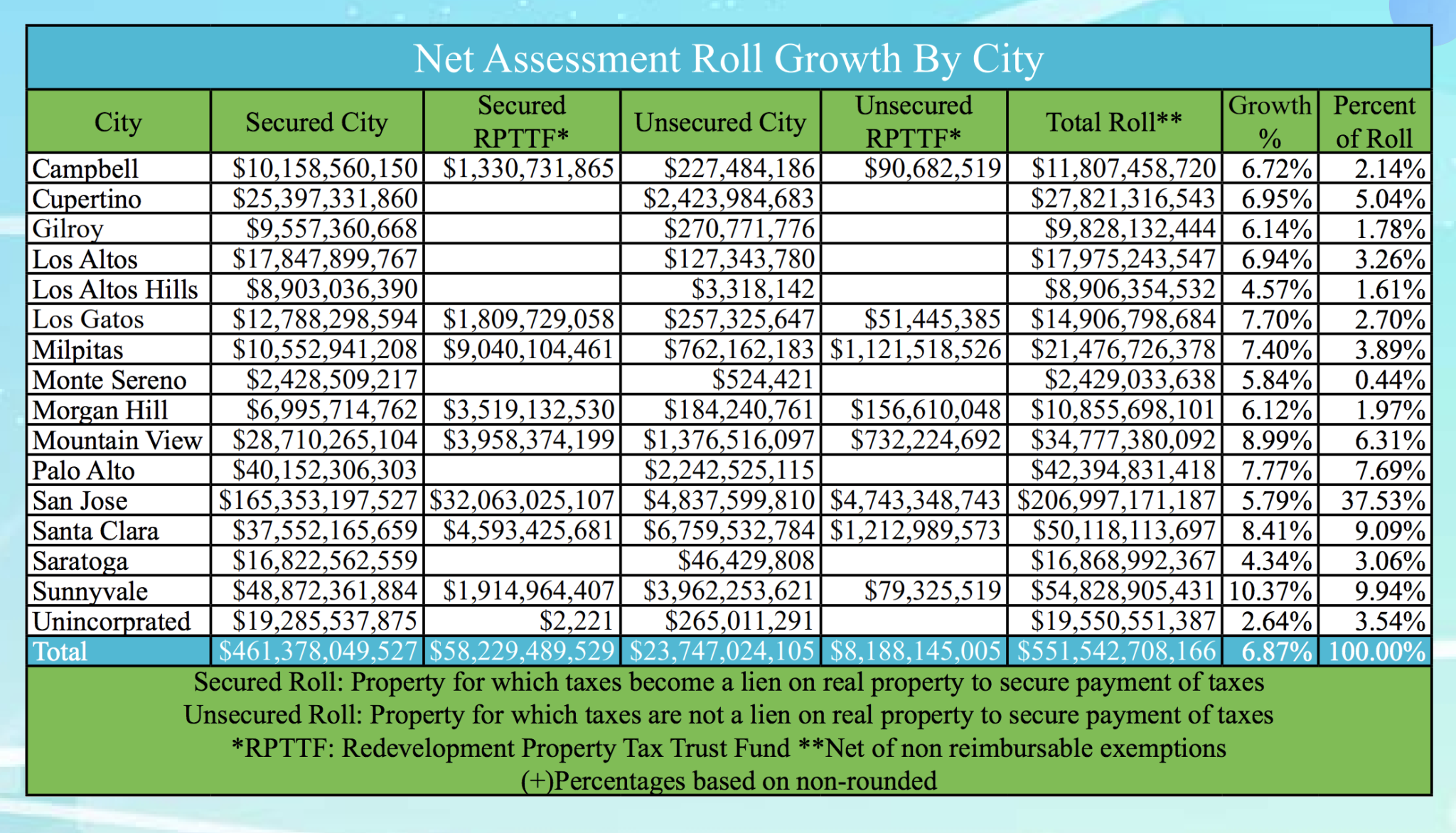
The Assessor’s primary goal is to produce an annual Assessment Roll. This roll is a comprehensive list of all taxable property values in the county as of the lien date, which is January 1st of each year. The 2026 Assessment Roll serves as the foundation for the property tax revenue that supports Santa Clara County’s diverse municipalities, including San Jose, Sunnyvale, Santa Clara, and Palo Alto.
Under the leadership of the Assessor, the office employs a staff of appraisers and technicians who monitor changes in ownership, new construction, and market fluctuations. By accurately assessing over 500,000 property assessments, the office ensures that the tax burden is distributed according to state law and that the county remains fiscally stable.
Understanding California Proposition 13 and Assessment Limits
Property taxation in Santa Clara County is governed heavily by California Proposition 13, passed in 1978. This landmark legislation provides two primary protections for property owners that remain strictly enforced in 2026:
- The 1% Tax Rate Cap: The maximum amount of any ad valorem tax on real property cannot exceed 1% of the full cash value, plus any additional voter-approved indebtedness (such as school bonds).
- The 2% Assessment Ceiling: The assessed value of a property cannot increase by more than 2% per year, based on the California Consumer Price Index (CCPI), unless there is a change in ownership or new construction.
When a property is sold, the Assessor establishes a new "Base Year Value" based on the purchase price or fair market value at the time of the transfer. From that point forward, the 2% annual cap applies to that new base. This system creates a predictable tax environment but often results in neighbors paying vastly different tax amounts if one has owned their home for decades while the other recently purchased theirs.
Key Deadlines in the 2026 Property Tax Calendar
For property owners in Santa Clara County, staying ahead of the fiscal calendar is essential to avoid penalties and ensure all eligible exemptions are applied. The tax year runs from July 1st to June 30th of the following year.
- January 1 (Lien Date): This is the date when the taxes for the upcoming fiscal year become a lien on the property. The Assessor determines the value of the property based on its condition and ownership as of this date.
- February 15: This is the deadline to file for the Homeowners’ Exemption and other claims to receive the full exemption amount for the upcoming tax year.
- April 10: The deadline to pay the second installment of the current year’s property taxes without a penalty.
- July 1: The Assessor completes the local assessment roll and delivers it to the County Auditor.
- July 2 – September 15/November 30: This is the "open window" for filing an assessment appeal. If you believe your property’s market value is lower than its assessed value, you must file your appeal during this period.
- December 10: The deadline to pay the first installment of property taxes without a 10% penalty.
Property Tax Exemptions and Savings Opportunities
Santa Clara County offers several exemptions that can reduce the taxable value of a property, leading to lower annual tax bills. These exemptions are not automatic; they require a one-time or annual filing with the Assessor’s Office.
The Homeowners’ Exemption
The most common exemption is the Homeowners’ Exemption. If a property is your principal place of residence on January 1, you are eligible for a $7,000 reduction in the assessed value. While this typically results in a modest saving of about $70 to $80 per year, it is a permanent reduction that remains in place as long as you own and occupy the home.
Disabled Veterans’ Exemption
Veterans who are 100% disabled due to service-related injuries, or their unmarried surviving spouses, may qualify for a significantly higher exemption. In 2026, these limits are adjusted for inflation, potentially exempting over $160,000 (or more for low-income veterans) of the home’s assessed value.
Institutional and Nonprofit Exemptions
Properties owned by religious organizations, charitable institutions, and private schools may be eligible for the Welfare Exemption. This requires the organization to be organized for specific non-profit purposes and the property to be used exclusively for those purposes.
Proposition 19: Impact on Transfers and Inheritances
The implementation of Proposition 19, which became fully effective in 2021, continues to be a major factor for Santa Clara County residents in 2026. This law changed the rules for tax base transfers and intergenerational property transfers.
Intergenerational Transfers
Previously, parents could transfer a primary residence and up to $1 million of other property to their children without a reassessment. Under Proposition 19, the "parent-to-child" exclusion only applies if the child makes the property their principal residence within one year of the transfer. Furthermore, if the market value of the home at the time of transfer exceeds the parent’s taxable value by more than $1 million (adjusted for inflation), a partial reassessment will occur.
Tax Base Portability
On a more positive note for seniors, Proposition 19 allows homeowners who are over 55, severely disabled, or victims of wildfires/natural disasters to transfer the taxable value of their primary residence to a new home anywhere in California. In 2026, residents can exercise this option up to three times, which provides significant relief for those looking to downsize without facing a massive jump in property taxes.
How to Appeal Your Property Assessment
If you believe the Santa Clara County Assessor has overvalued your property, you have the right to challenge the assessment. There are two primary ways to do this:
1. Informal Review (Prop 8)
Known as a "Decline in Value" review, this is used when the market value of your property as of January 1 is lower than your current assessed value (factored base year value). This is common during economic downturns or if a specific neighborhood suffers a localized dip in value. You can request an informal review directly from the Assessor’s office between January and June.
2. Formal Assessment Appeal
If the informal review does not resolve the issue, you can file a formal appeal with the Assessment Appeals Board. This is an independent body that hears evidence from both the property owner and the Assessor’s office. You must provide market data, such as recent sales of comparable properties, to support your claim of a lower value.
| Process Component | Informal Review (Prop 8) | Formal Appeal (AAB) |
|---|---|---|
| Cost | Free to file | Small administrative fee |
| Filing Window | Jan 1 – June 30 | July 2 – Sept 15/Nov 30 |
| Burden of Proof | Shared with Assessor | Primarily on the Owner |
| Duration | Temporary (reviewed annually) | Can result in permanent change |
| Decision Maker | Assessor's Staff | Assessment Appeals Board |
Accessing Public Records and Online Services
The Santa Clara County Assessor’s website (sccassessor.org) provides robust digital tools for property owners. In 2026, these services allow for a high degree of transparency and self-service.
- Property Search Tool: By entering an Assessor’s Parcel Number (APN) or a street address, you can view the current assessed value, the history of transfers, and specific property characteristics (e.g., square footage, year built).
- Electronic Filing: Most exemption forms and business property statements (Form 571-L) can be filed electronically to ensure faster processing and digital confirmation.
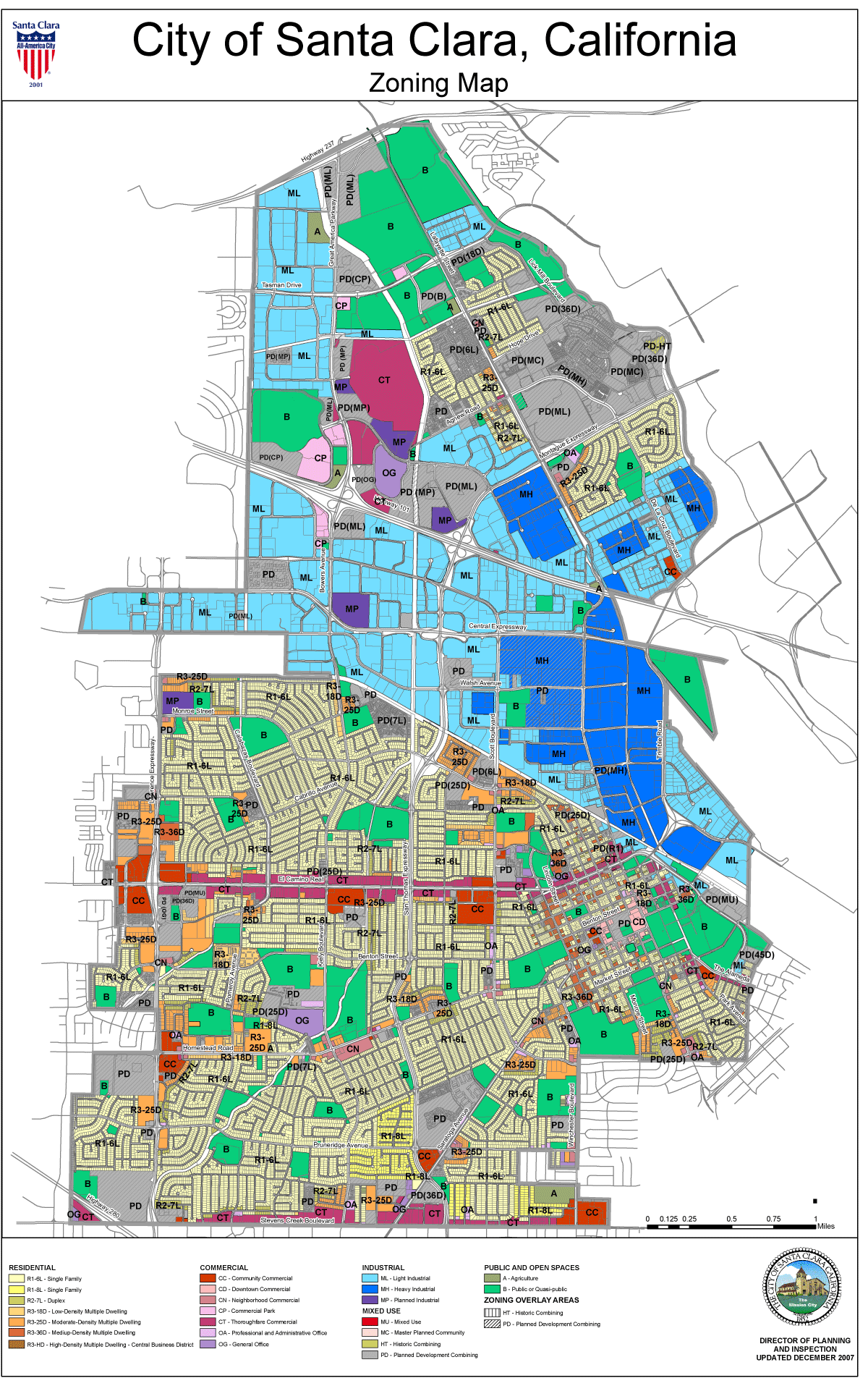
- Interactive Maps: The county provides GIS mapping tools that allow users to see parcel boundaries and zoning information, which is particularly useful for developers and prospective homebuyers.
Common Mistakes to Avoid
- Missing the Homeowners' Exemption: Many new buyers forget to file the simple one-page form sent by the Assessor after a purchase. Even if you miss the February 15 deadline, you can file late for a partial credit (80% of the exemption).
- Assuming the Purchase Price is the Assessment: While the purchase price is usually the base year value, the Assessor is legally required to enroll the "fair market value." If you bought a property from a relative at a discount, the Assessor will likely value it higher based on market comparisons.
- Ignoring Supplemental Tax Bills: When you buy a property or complete new construction, you will receive one or two "supplemental" tax bills in addition to your annual bill. These cover the difference between the old assessment and the new assessment for the remainder of the fiscal year. These bills are often not paid by mortgage impound accounts.
Frequently Asked Questions
Why did my property tax bill increase more than 2% this year?
While Proposition 13 limits the growth of the assessed value to 2%, your total tax bill can increase by more than that if voters in your district approved new bonds or special assessments (e.g., for libraries, schools, or parks). These voter-approved amounts are added on top of the base 1% tax rate.
How does the Assessor value new construction?
The Assessor only values the added portion of the construction. For example, if you add a 500-square-foot ADU (Accessory Dwelling Unit) to your existing home, the Assessor will determine the market value of that new square footage and add it to your existing base year value. The original portion of your home retains its protected Proposition 13 value.
Can I change the ownership of my property without triggering a reassessment?
Certain transfers are excluded from reassessment, such as transfers between spouses (including those resulting from divorce or death) and transfers into a revocable living trust. However, most other transfers will trigger a reassessment to current market value unless a specific exclusion, like Proposition 19, applies.
What is the "Lien Date" and why does it matter?
The lien date is January 1. It is the snapshot in time used to determine the value and taxable status of a property for the upcoming fiscal year. If your house was 50% complete on January 1, you will be taxed on that 50% value for the following year, even if you finish the house by February.
Does Santa Clara County offer property tax relief for seniors?
Beyond the tax base portability offered by Proposition 19, some residents may qualify for the Property Tax Postponement Program through the State Controller’s Office. This allows seniors (62+) or blind/disabled individuals with limited income to defer payment of property taxes on their primary residence.
Practical Recommendation for Property Owners
To ensure you are not overpaying on your Santa Clara County property taxes, perform an annual "Assessment Check" every July. Visit the Assessor’s online portal and verify that your assessed value aligns with your expectations and that your Homeowners’ Exemption is active. If you have recently inherited property or moved, consult with a tax professional familiar with Proposition 19 to ensure you have filed the necessary "Claim for Reassessment Exclusion" forms within the required windows. Taking these proactive steps can prevent unexpected tax liabilities and ensure you benefit from all available legal protections.
Image Gallery