How to Claim New York Treasurer Unclaimed Property
Claiming unclaimed property held by the New York State Office of the State Comptroller involves a systematic process of searching the official database, verifying your identity, and submitting a formal claim package. New York law requi...
Claiming unclaimed property held by the New York State Office of the State Comptroller involves a systematic process of searching the official database, verifying your identity, and submitting a formal claim package. New York law requires financial institutions, insurance companies, and other entities to transfer dormant assets—such as uncashed checks, forgotten savings accounts, and uncollected insurance benefits—to the state for safekeeping. As of 2026, the State Comptroller’s Office serves as the permanent custodian of these assets, ensuring that rightful owners or their heirs can recover their property at any time without fees or expiration dates.
Contents
Understanding Unclaimed Property in New York
Unclaimed property, often referred to as "abandoned property," consists of intangible assets that have remained inactive for a legally defined period of time. When a business or organization loses contact with an owner, state law mandates that they report and remit these funds to the New York State Office of the State Comptroller. This system is designed as a consumer protection mechanism, preventing financial institutions from permanently absorbing funds that belong to private citizens.
Common examples of unclaimed property include:
- Bank Accounts: Savings, checking, and money market accounts that have been dormant for years.
- Uncashed Checks: Payroll checks, insurance refunds, or dividend payments that were never deposited.
- Investment Assets: Stocks, mutual funds, or bonds held in inactive brokerage accounts.
- Insurance Proceeds: Unclaimed death benefits, matured policies, or benefit payments.
- Security Deposits: Utility deposits or apartment security deposits that were not returned to the tenant.
It is important to note that the state does not permanently "take" this money; it merely holds it in trust. There is no statute of limitations on these claims, meaning you can initiate a search for assets belonging to yourself or a deceased relative decades after the funds were originally remitted to the state.
Phase 1: Conducting a Search
The first step in recovering assets is to use the official search portal provided by the New York Office of the State Comptroller. This tool is free and should be the only resource you use. Be wary of third-party "finders" or "services" that claim to help you locate unclaimed property for a fee; these services offer no advantage and often charge for information that is publicly available at no cost.
To conduct an effective search:
- Access the Portal: Navigate to the official New York State unclaimed funds search page.
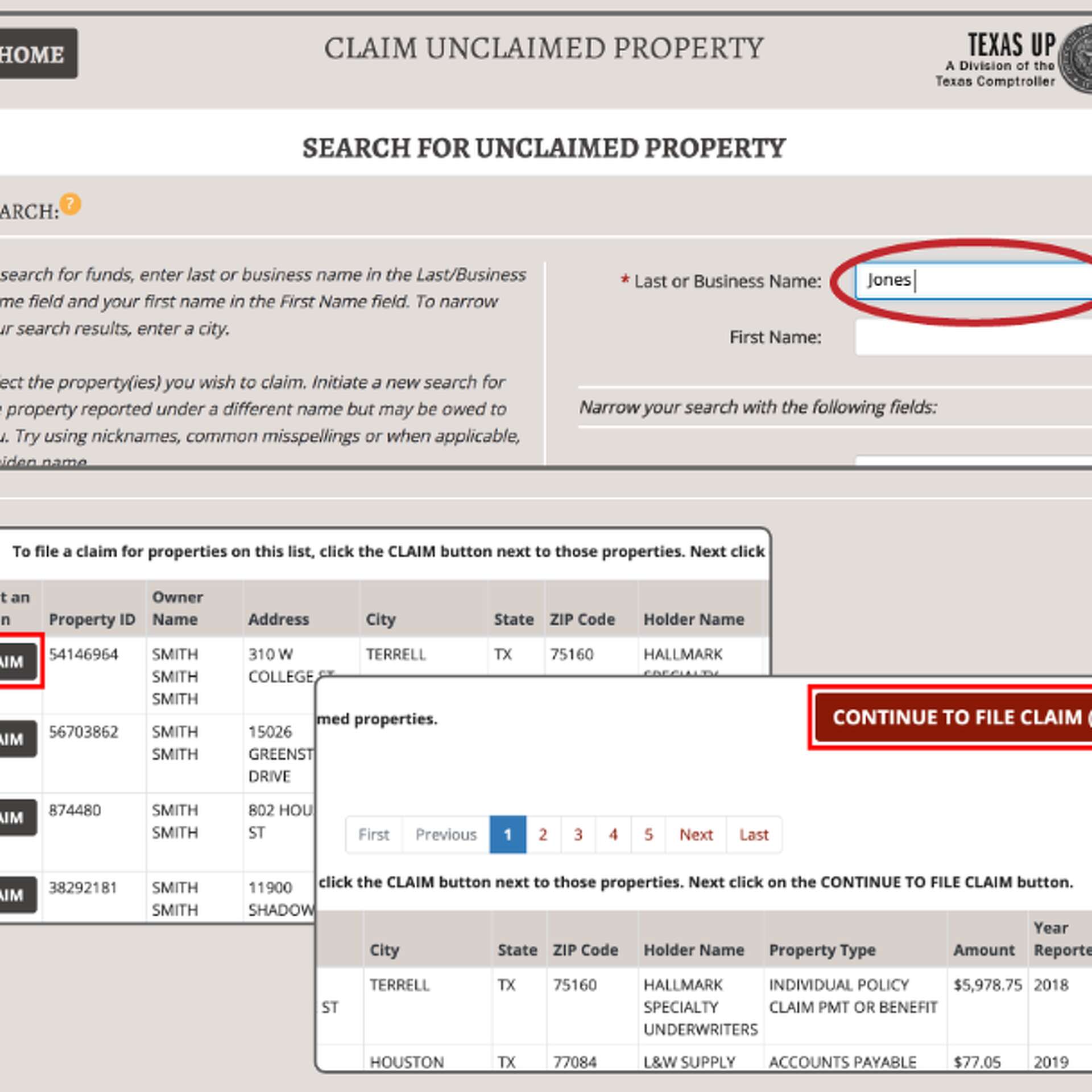
- Input Criteria: Enter the last name or the name of a business. To narrow down your results, you may also include a first name, middle initial, or specific city.
- Broaden Your Parameters: If your initial search yields no results, try variations of your name, such as maiden names or nicknames, and search for addresses where you previously resided.
- Review Results: If your name appears on the list, the system will show the name of the entity that reported the property and, in some cases, the approximate range of the value.
Phase 2: Requirements and Documentation
Once you identify property that appears to belong to you, you must prepare a claim. Because the state is acting as a fiduciary, it requires rigorous proof of ownership to prevent fraud. The requirements vary depending on whether you are the original owner or an heir claiming on behalf of an estate.
For Original Owners
If the property is in your name, you must typically provide:
- Proof of Identity: A copy of a government-issued photo ID, such as a driver’s license, passport, or non-driver ID card.
- Proof of Social Security Number: A copy of your Social Security card or an official document displaying your full SSN (e.g., a tax form).
- Proof of Address: Documentation linking you to the address associated with the unclaimed property at the time it was reported. This could include old utility bills, lease agreements, or bank statements.
For Heirs and Beneficiaries
Claiming for a deceased relative is more complex and requires legal documentation to establish your right to the assets. You will likely need:
- Death Certificate: A certified copy of the decedent’s death certificate.
- Letters of Administration or Testamentary: Official court documents identifying you as the executor or administrator of the estate.
- Affidavit of Heirship: If there is no formal estate administration, you may be required to complete an affidavit detailing the legal heirs of the deceased.
Phase 3: Submitting the Claim
After gathering the necessary documentation, you have two primary methods to submit your claim: online or via mail.
The Online Claim Process
The online submission portal is the most efficient method for most claimants. After selecting the property you wish to claim, the system will prompt you to create an account or log in to a secure portal. You will upload digital copies of your identification and supporting documents directly through the secure interface. The system will then provide you with a claim number, which you should save to track the status of your request.
The Mail-in Process
If you prefer not to use the digital portal, you can print a claim form from the official website. Fill out the form in its entirety, attach the required certified copies of your identification, and mail the package to the address provided on the form. It is highly recommended to use a trackable shipping method (such as Certified Mail) to ensure your sensitive documentation is received by the Comptroller’s office.
Comparison of Claim Methods
| Feature | Online Submission | Mail-in Submission |
|---|---|---|
| Speed | Faster processing time | Slower due to manual entry |
| Convenience | Instant confirmation | Requires postage and travel |
| Security | Encrypted digital upload | Risk of loss in transit |
| Document Type | Digital copies (scans/photos) | Certified hard copies required |
Troubleshooting and Status Tracking
Processing times vary based on the volume of claims and the complexity of the documentation provided. In 2026, the Comptroller’s office generally processes standard claims within a few months, but cases involving complex estates may take longer.
Common Reasons for Claim Rejection:
- Insufficient Proof: Failure to provide a clear copy of a government-issued ID.
- Address Mismatch: The address on file does not match the documentation provided, and no explanation was included in the cover letter.
- Missing Signature: Documents that require a notarized signature must be completed correctly to avoid being returned.
If your claim is taking longer than expected, use the "Check Status" feature on the official website. You will need your claim number and the Social Security number or Tax ID associated with the claim. If you receive a letter requesting additional information, respond as quickly as possible to prevent your claim from being closed due to inactivity.
Frequently Asked Questions
Is there a cost to claim my property? No. Searching for and claiming unclaimed property through the New York State Office of the State Comptroller is entirely free. If a website asks for a fee or a percentage of your claim, it is likely a third-party service and not the official state agency.
What should I do if the amount is significant? If the claim is for a large sum, you may wish to consult with a professional, such as a probate attorney or an estate planner, particularly if the assets belong to a deceased relative. They can help ensure that all legal documentation is filed correctly to satisfy the state’s requirements.
Can I claim property for my spouse or parents? Yes, but you must provide evidence of your legal authority to act on their behalf. If they are living, you will need a Power of Attorney. If they are deceased, you must provide documentation proving you are the executor or the sole beneficiary.
How far back can I search for property? There is no expiration date. You can search for and claim property that has been held by the state for any length of time. The state holds these assets in perpetuity until they are returned to the rightful owner or their legal successors.
Why does the state have my money? The state does not "seize" money. Businesses are required by law to turn over assets to the state after they have been inactive for a period (the "dormancy period"). This protects the money from being lost or eroded by monthly service fees that banks might otherwise charge on dormant accounts.
What happens if I cannot find my old address? If you cannot provide proof of the specific address associated with the account, contact the Comptroller’s office directly. They may be able to provide guidance on alternative forms of documentation that can establish your identity and your relationship to the account.
Final Recommendation
The most critical step is to start your search at the official New York State Comptroller website. Do not provide sensitive information like your Social Security number to any website that does not end in a .gov domain. Once you have initiated the process, keep a digital folder of your correspondence and your claim number. If you have questions during the process, utilize the official contact information listed on the Comptroller’s website to speak directly with a representative who can assist you with your specific claim.
Image Gallery