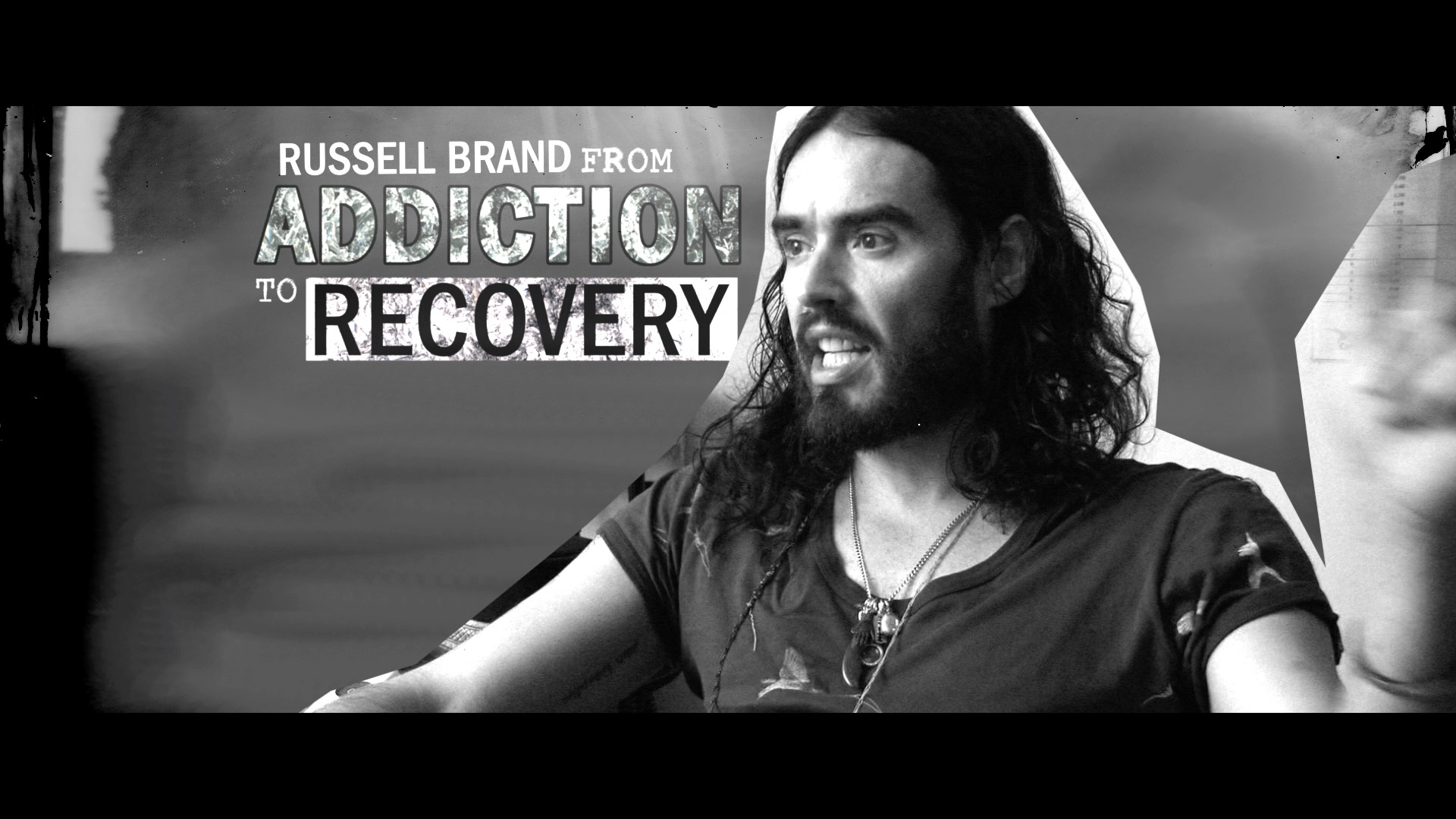
Russell Brand Sex Addiction: A Reference Overview
Russell Brand’s public disclosures regarding sex addiction have brought significant media and cultural attention to compulsive sexual behavior, recovery frameworks, and the broader intersection of celebrity and mental health discourse....
Russell Brand’s public disclosures regarding sex addiction have brought significant media and cultural attention to compulsive sexual behavior, recovery frameworks, and the broader intersection of celebrity and mental health discourse. Over the years, the British comedian, actor, and media commentator has spoken candidly about his struggles with hypersexuality, substance abuse, and compulsive behaviors, framing his experiences through the lens of twelve-step recovery programs and psychological treatment models. This reference overview examines the factual context of Russell Brand’s statements concerning sex addiction, the clinical and cultural frameworks surrounding compulsive sexual behavior, and the public conversation sparked by his narrative.
Contents
Contextualizing Russell Brand and Compulsive Sexual Behavior
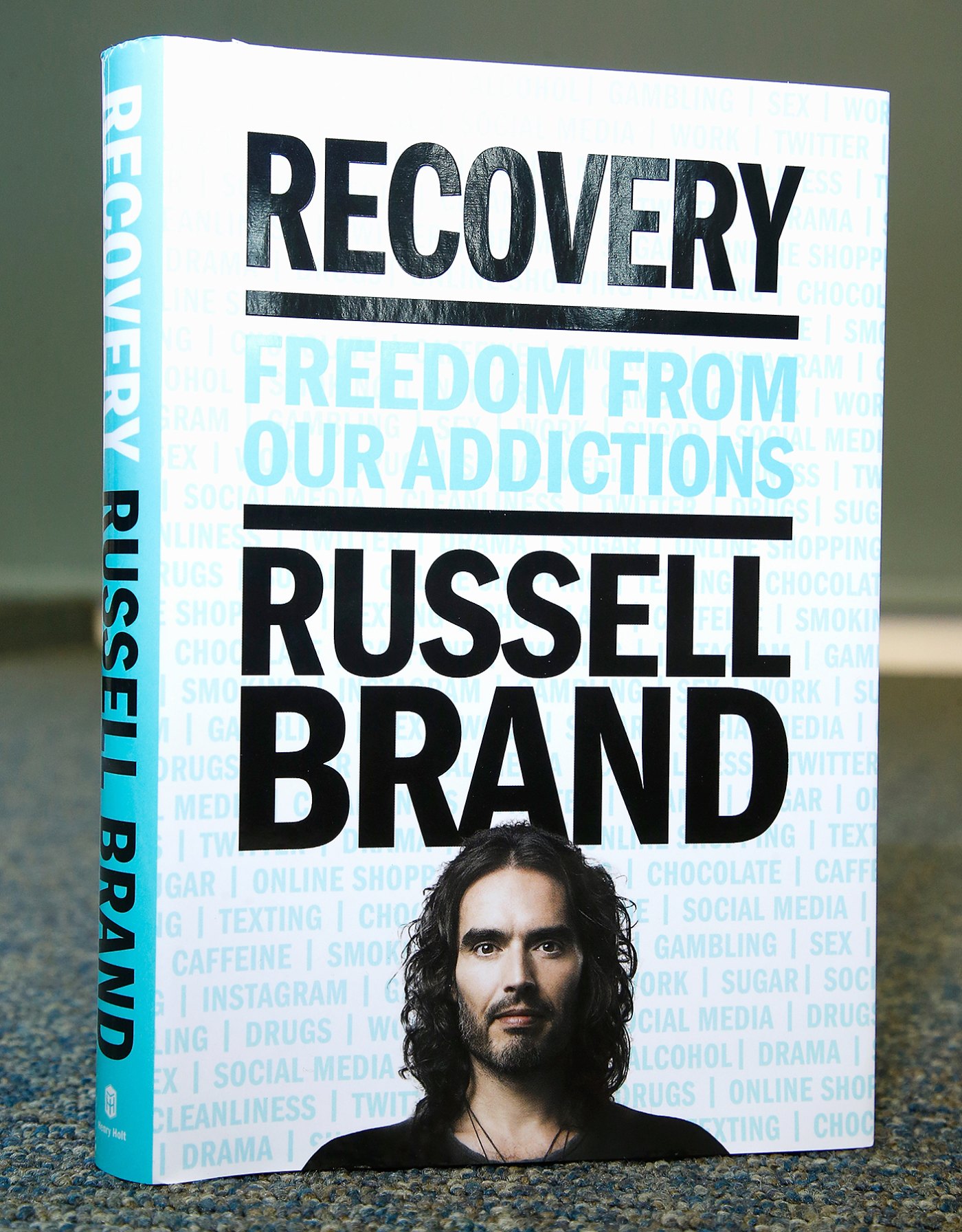
The discussion surrounding Russell Brand and sex addiction primarily stems from his autobiographical works, interviews, and public lectures, where he has detailed a history of compulsive behaviors. In his memoirs, such as My Booky Wook and Recovery: Freedom from Our Addictions, Brand described how fame and early success exacerbated underlying behavioral compulsions, including substance abuse and hypersexuality. By contextualizing his personal narrative within structured recovery models, Brand positioned himself not merely as a public figure sharing sensational details, but as an advocate for therapeutic intervention and abstinence-based recovery.
Compulsive sexual behavior—often colloquially termed sex addiction—is characterized by a persistent and intense pattern of sexual urges, fantasies, and behaviors that feel uncontrollable, cause significant distress, or lead to negative consequences in personal, professional, or social life. While public discussions frequently use the term "sex addiction," clinical taxonomy has evolved. Major diagnostic frameworks approach these patterns through various classifications, reflecting ongoing debates within psychiatry regarding the exact etiology and diagnostic criteria for hypersexual disorders.
Clinical Frameworks and Diagnostic Perspectives
When evaluating public discussions on sex addiction, it is important to understand how medical and psychological communities classify compulsive sexual behaviors. Unlike substance use disorders or gambling disorder, hypersexual disorder or compulsive sexual behavior disorder (CSBD) has historically occupied a complex position in diagnostic manuals.
Diagnostic Criteria and Evolution
In the International Classification of Diseases (ICD-11), published by the World Health Organization, Compulsive Sexual Behavior Disorder (CSBD) is officially recognized under impulse control disorders. To meet the diagnostic guidelines for CSBD, an individual must exhibit a persistent pattern of failure to control intense, repetitive sexual impulses or urges resulting in repetitive sexual behavior over a period of six months or longer. This pattern must cause marked distress or significant impairment in personal, family, social, educational, occupational, or other important areas of functioning.
Conversely, the Diagnostic and Statistical Manual of Mental Disorders (DSM-5-TR), published by the American Psychiatric Association, does not currently include "sex addiction" or "hypersexual disorder" as a formal standalone diagnosis, though it was considered for inclusion. Clinicians evaluating patients presenting with similar symptoms often diagnose other specified conditions, such as obsessive-compulsive related disorders, impulse-control disorders, or underlying mood and anxiety disorders that manifest through compulsive behaviors.
Comparison of Clinical Approaches to Compulsive Sexual Behavior
| Diagnostic System | Official Classification Term | Core Requirement | Primary Treatment Modality |
|---|---|---|---|
| ICD-11 (WHO) | Compulsive Sexual Behavior Disorder (CSBD) | 6+ months of uncontrolled urges causing significant impairment | Psychotherapy, CBT, and support groups |
| DSM-5-TR (APA) | Not formally recognized (evaluated under related impulse/OCD categories) | Clinical judgment based on underlying distress and functional impairment | Tailored behavioral therapy and psychiatric evaluation |
| Twelve-Step Models | Sex Addiction / Compulsive Sexual Behavior | Self-identified powerlessness over the behavior | Peer support, sponsorship, and step work |
The Role of Twelve-Step Programs and Public Advocacy
Russell Brand has been a vocal proponent of twelve-step recovery programs, adapting principles traditionally associated with Alcoholics Anonymous (AA) and Sex Addicts Anonymous (SAA) to address a broad spectrum of compulsive behaviors. His public talks and his book Recovery: Freedom from Our Addictions outline a structured, step-by-step approach to confronting compulsive desires, taking personal inventory, making amends, and maintaining psychological accountability.
Twelve-step models operate on the premise that compulsive behaviors serve as maladaptive coping mechanisms for underlying emotional pain, trauma, or spiritual emptiness. In Brand’s public commentary, he frequently emphasizes that recovery requires dismantling the ego and establishing a daily routine of self-reflection. While twelve-step fellowships are widely utilized adjuncts to professional psychotherapy, mental health professionals often stress that peer-led support groups work best when combined with evidence-based clinical treatments, particularly for individuals dealing with complex trauma or co-occurring psychiatric conditions.
Media Impact and Cultural Reception
The public discourse surrounding Russell Brand’s revelations highlights the complex relationship between celebrity confessions and mental health awareness. When public figures disclose intimate struggles with behavioral compulsions, it can reduce societal stigma, encouraging individuals experiencing similar challenges to seek help. However, media coverage often sensationalizes these narratives, focusing on the scandalous aspects of hypersexuality rather than the rigorous, often painful reality of clinical recovery.
Furthermore, public narratives advanced by celebrities do not replace empirical science or clinical diagnosis. Critics and media analysts note that while personal storytelling can raise awareness, it can also blur the lines between clinical pathology and lifestyle choices. Understanding the distinction between medically supervised treatment and public self-help advocacy remains essential for anyone seeking accurate information regarding compulsive behaviors.
Common Misconceptions Regarding Sex Addiction
Public discussions are frequently shaped by myths and misconceptions propagated by media portrayals. Addressing these misconceptions clarifies the realities of compulsive sexual behavior:
- Equating High Libido with Addiction: A high sexual drive or unconventional sexual practices do not automatically constitute an addiction. The defining characteristic is the loss of control and the presence of severe negative consequences, not the frequency or nature of the behavior itself.
- Universal Applicability of Treatment: Not all individuals respond to twelve-step facilitation. Modern clinical approaches often integrate Cognitive Behavioral Therapy (CBT), Acceptance and Commitment Therapy (ACT), and pharmacotherapy to address co-occurring anxiety or depression.
- Instant Resolution: Recovery from compulsive behavioral patterns is rarely linear. It requires ongoing management, relapse prevention strategies, and sustained psychological support.
Frequently Asked Questions
What is compulsive sexual behavior disorder?
Compulsive sexual behavior disorder (CSBD) is a recognized medical classification in the ICD-11 characterized by a persistent inability to control intense, repetitive sexual impulses, leading to significant distress or impairment in daily functioning over an extended period.
How does Russell Brand frame his recovery from addiction?
Russell Brand frames his recovery primarily through the framework of twelve-step programs, emphasizing total abstinence from addictive behaviors, rigorous self-examination, and spiritual or psychological accountability as outlined in his book Recovery: Freedom from Our Addictions.
Is sex addiction officially recognized in the DSM-5?
No. The Diagnostic and Statistical Manual of Mental Disorders (DSM-5-TR) does not contain a formal diagnosis for sex addiction or hypersexual disorder, though clinicians frequently address these symptoms using related diagnostic categories such as impulse-control disorders.
What are the primary treatment options for compulsive sexual behaviors?
Treatment typically involves a combination of specialized psychotherapy (such as Cognitive Behavioral Therapy), psychiatric evaluation for co-occurring mental health conditions, and participation in peer-led support fellowships like Sex Addicts Anonymous.
Can compulsive sexual behavior co-occur with other mental health issues?
Yes. Clinical research indicates that compulsive sexual behaviors frequently co-occur with mood disorders, anxiety disorders, substance use disorders, and histories of unresolved psychological trauma.
Next Actions and Professional Guidance
For individuals seeking further information or professional support regarding compulsive sexual behaviors, consulting a licensed mental health professional, clinical psychologist, or certified sex therapist is the recommended first step. Organizations such as the American Psychological Association and specialized addiction medicine clinics provide resources to connect individuals with evidence-based care tailored to their specific needs.
Image Gallery